
Embarking on a journey to the Golden State, travelers often meticulously plan routes, secure accommodations, and scout out must-see landmarks. From the iconic beaches of Santa Monica to the sprawling vineyards of Napa Valley and the bustling metropolises of Los Angeles and San Francisco, California offers an unparalleled tapestry of experiences. While grand adventures naturally capture our attention, understanding the nuances of local living costs can significantly enhance your travel experience, particularly if you’re planning an extended stay or prefer the flexibility of self-catering. One seemingly simple question that often sparks curiosity, reflecting broader economic trends and local lifestyle choices, is: “How much are eggs in California?”
This question, while humble, opens a window into California’s diverse culinary landscape, agricultural practices, and the cost of living that impacts both residents and visitors alike. For those exploring California through the lens of food tourism, budgeting, or simply seeking an authentic taste of local life, the price of eggs can be a surprisingly insightful indicator. Whether you’re whipping up a quick breakfast in your Airbnb rental, enjoying a lavish brunch at a seaside resort, or simply curious about the economic pulse of this vibrant state, delving into egg prices offers a unique perspective on your California adventure.
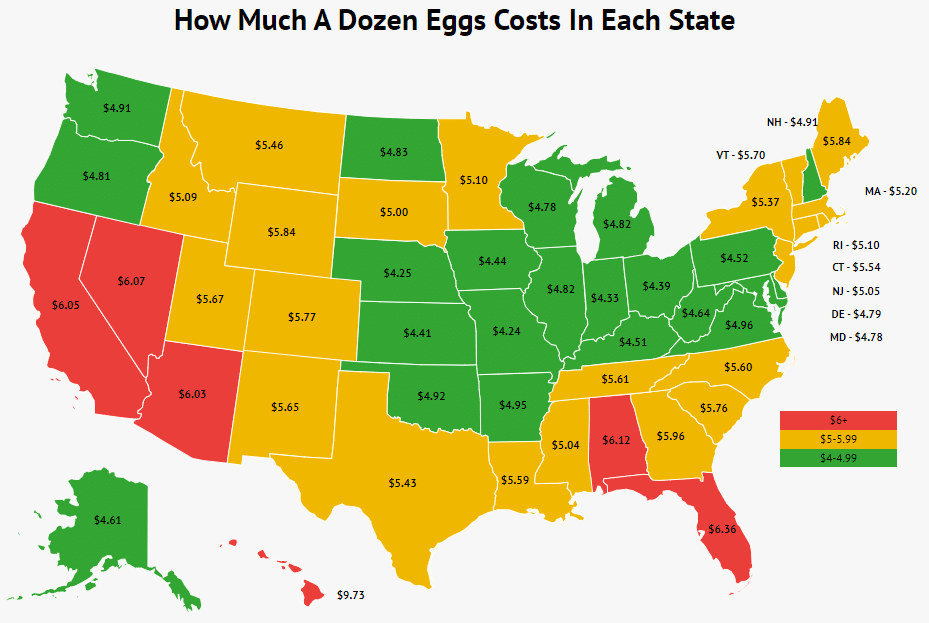
Decoding Egg Prices Across California’s Diverse Landscapes
California is a state of stark contrasts, not just in its geography but also in its economy. From the high-tech hubs of Silicon Valley to the agricultural heartland of the Central Valley, and the laid-back coastal communities, prices for everyday goods can vary considerably. Eggs, a household staple, are no exception. Understanding these variations is key to smart budgeting, especially for travelers opting for accommodations with kitchen facilities, such as vacation rentals, extended-stay hotels, or even glamping sites.
The Golden State’s Egg Basket: Average Costs and Market Fluctuations
The price of a dozen eggs in California is influenced by a multitude of factors, including type, brand, store location, and current market conditions. Generally, you can expect to find a wide range of prices:
- Conventional White Eggs: These are typically the most affordable option. A dozen large conventional white eggs might range from $3.00 to $5.00 at major supermarkets. However, during periods of high demand or supply shortages, these prices can spike.
- Cage-Free/Free-Range Brown Eggs: Reflecting ethical farming practices and consumer preferences, these eggs command a higher price. Expect to pay anywhere from $4.50 to $7.00 per dozen.
- Organic/Pasture-Raised Eggs: At the higher end of the spectrum are organic and pasture-raised eggs, which emphasize animal welfare and natural feed. These can cost $6.00 to $9.00 or more per dozen, particularly at specialty grocery stores or farmers’ markets.
A significant factor impacting egg prices in California is Proposition 12, which mandates specific space requirements for egg-laying hens, pigs, and calves. While intended to improve animal welfare, this legislation has led to increased production costs for farmers, which are often passed on to consumers. Consequently, California typically has higher egg prices compared to many other states in the United States, a detail travelers should keep in mind.
Geographic location within California also plays a crucial role. Urban centers like San Francisco, Los Angeles, and San Diego, where the overall cost of living is higher, tend to have slightly elevated egg prices compared to more rural areas or cities in the Central Valley. For instance, a dozen eggs might cost 50 cents to a dollar more in a trendy Beverly Hills supermarket than in a grocery store in Sacramento.
Where to Find Your Dozen: Supermarkets, Farmers’ Markets, and Specialty Stores
Your choice of shopping venue dramatically impacts the price and variety of eggs you’ll encounter.
- Major Supermarket Chains: Stores like Safeway, Ralphs, Vons, and Albertsons are your go-to for standard, competitive pricing. They often run sales, so keeping an eye on weekly circulars (or checking online apps) can yield savings. For travelers, these stores are ubiquitous and offer a full range of groceries.
- Discount Retailers: Big-box stores such as Walmart and Target, as well as warehouse clubs like Costco, often offer eggs at lower per-unit prices, especially if you buy larger quantities. Aldi, where available, also provides very competitive pricing. These can be excellent options for families or groups on longer trips.
- Specialty and Natural Food Stores: Whole Foods Market, Sprouts Farmers Market, and Trader Joe’s cater to consumers looking for organic, specialty, or locally sourced products. While they might carry higher price tags, they also offer a broader selection, including unique types like soy-free, omega-3 enriched, or heirloom eggs. Trader Joe’s, in particular, is known for offering good value on cage-free eggs.
- Farmers’ Markets: For the freshest, often hyper-local eggs, farmers’ markets are a fantastic experience. You might find eggs from small, local farms, sometimes even collected just a day or two before. While prices can be slightly higher than conventional supermarket eggs, the quality, flavor, and direct support for local agriculture make them a worthwhile indulgence for food-focused travelers. These markets are also excellent places to immerse yourself in local culture and discover other regional delicacies.
- Convenience Stores: Quick stops at pharmacies or gas stations with small grocery sections will almost always have the highest prices for eggs due to the convenience factor. Avoid purchasing eggs here unless absolutely necessary for budget reasons.
- Online Grocery Delivery: Services like Amazon Fresh, Instacart, Uber Eats, and Doordash can deliver groceries directly to your accommodation. While convenient, be aware of delivery fees, service charges, and potential markups on item prices.
Eggs Beyond the Carton: Culinary Experiences and Budget Travel in California
Eggs are far more than just a grocery item; they are a cornerstone of countless culinary traditions and a fundamental part of the dining experience, especially when traveling. In California, a state celebrated for its innovative cuisine and farm-to-table ethos, eggs feature prominently in everything from casual breakfast joints to upscale brunch establishments.
Breakfast Spots and Brunch Culture: Dining Out with Eggs
California embraces breakfast and brunch with a passion, and eggs are often the star. The state’s diverse culinary influences mean you can find an incredible array of egg-centric dishes:
- Classic American Breakfasts: Think fluffy scrambled eggs with crispy bacon, sunny-side-up eggs with hash browns, or hearty omelets filled with fresh California produce. From diners in Hollywood to cozy cafes in Carmel-by-the-Sea, these staples are ubiquitous.
- Eggs Benedict Variations: A brunch favorite, California chefs often put creative spins on Eggs Benedict, incorporating local ingredients like avocado, smoked salmon, Dungeness crab, or even vegetarian options. You’ll find elevated versions at resort restaurants, particularly in areas like Napa Valley or along the Mendocino Coast.
- Southwest and Mexican-Inspired Dishes: Given California’s proximity to Mexico, huevos rancheros, breakfast burritos, and chilaquiles are popular and delicious choices, especially in Southern California cities like San Diego and Los Angeles. These dishes often offer a substantial and flavorful start to the day.
- Trendy and Gourmet Options: In culinary hotspots like San Francisco or West Hollywood, you’ll encounter innovative egg dishes like soft-scrambled eggs with uni, shakshuka, or elaborate egg toasts featuring artisanal bread and seasonal toppings. Places like Sqirl in Los Angeles or Zuni Café in San Francisco are famous for their elevated takes on brunch and breakfast.
The price of dining out with egg dishes can vary widely. A basic breakfast plate at a casual diner might cost $12-$18, while an elaborate brunch dish at a high-end restaurant or a hotel like a Four Seasons or Ritz-Carlton could easily range from $20-$35, especially in prime tourist locations or luxury areas such as Santa Barbara or Orange County. The higher retail price of eggs in California directly contributes to these restaurant costs, though it’s typically a minor component compared to labor, rent, and other ingredients. For travelers passionate about food tourism, exploring these culinary scenes is a must, but understanding the underlying costs can help manage expectations.
Budget-Friendly Feasts: Self-Catering and Savvy Shopping for Travelers
For travelers seeking to manage their budget or simply enjoy a more homely experience, self-catering is an excellent strategy. Many accommodation options in California cater to this, from Airbnb apartments and vacation rentals to extended-stay hotels equipped with kitchenettes.
- Cooking Your Own Breakfast: Preparing your own egg dishes is one of the easiest ways to save money, especially when traveling with family or a group. Imagine waking up in a cozy rental near Lake Tahoe or overlooking the Pacific Coast Highway, and frying up some fresh eggs purchased from a local market. This not only saves on restaurant bills but also offers a more relaxed and authentic travel lifestyle experience.
- Smart Grocery Shopping: When stocking your temporary kitchen, be mindful of where you shop. As discussed, discount retailers or major supermarket chains will offer the best value for eggs and other staples. Planning meals in advance can help reduce impulse buys and ensure you’re making the most of your grocery budget.
- Local Markets and Produce: Even if you buy your eggs from a supermarket, try to incorporate other local California produce into your meals. Fresh avocados, tomatoes, and artisan breads can transform a simple egg dish into a gourmet experience, allowing you to enjoy local flavors without the restaurant price tag.
- Comparing Costs: Consider the overall cost of your accommodation choice. A stay at a Marriott or Hilton with a complimentary breakfast might seem more expensive upfront than a hotel without, but it could save you money on dining out. Conversely, an Airbnb with a full kitchen, even if slightly pricier than a basic hotel room, could lead to significant savings on food. It’s all about balancing the initial accommodation cost with potential dining expenses.
The Broader Picture: Cost of Living and Lifestyle in California
Understanding the price of eggs in California is more than just a trivial detail; it’s a micro-indicator of the state’s broader economic landscape and lifestyle, particularly relevant for those planning extended stays or even considering relocation. For tourists, it offers insight into the overall cost of their culinary adventures.
From Farm to Table: Understanding California’s Agricultural Landscape
California is an agricultural powerhouse, producing a significant portion of the United States’ food supply, including eggs. The state’s diverse climate allows for a wide range of farming, from its vast farmlands in the Central Valley to smaller, specialized farms closer to urban centers. The “farm-to-table” movement, which originated in California, emphasizes fresh, local, and seasonal ingredients. This commitment to quality and ethical sourcing often comes with a higher price point, not just for eggs but for many other food items.
For travelers, engaging with this agricultural heritage can be a fascinating aspect of their journey. Visiting local farmers’ markets, exploring agricultural regions, or choosing restaurants that highlight locally sourced ingredients are all ways to connect with California’s food culture. The emphasis on ethical farming, as seen with Proposition 12, reflects a deeper societal value placed on animal welfare, contributing to the “lifestyle” aspect of living and traveling in California.
Planning Your California Journey: Egg Prices as a Microcosm of Travel Budgeting
Ultimately, the cost of eggs in California serves as a small but illustrative example of how diverse and dynamic the state’s economy is. For a traveler, this humble commodity can inform broader budgeting decisions:
- Awareness is Key: Knowing that basic groceries, including eggs, might be pricier in California than in other regions of the United States helps set realistic expectations for your overall food budget.
- Balance Dining Out and In: Decide what kind of culinary experience you want. If fine dining at places like Gary Danko or The French Laundry is a priority, then balancing it with self-prepared meals (including eggs!) in your accommodation can help you stretch your budget further. For a more casual and iconic taste of California, consider beloved local spots like In-N-Out Burger for lunch, and then prepare your own breakfast.
- Embrace Local Exploration: The variability in egg prices across different store types and locations encourages travelers to explore beyond the most obvious choices. Visiting a local farmers’ market not only offers fresh, quality products but also provides an authentic cultural experience, connecting you with the heart of the community.
- Holistic Budgeting: Consider how food costs fit into your overall travel budget, alongside accommodation (whether it’s a luxury suite at a Hyatt or a budget-friendly hostel), transportation, and attraction entry fees (like Disneyland or Yosemite National Park).
In conclusion, while “How much are eggs in California?” might seem like a simple inquiry, it unveils layers of information relevant to travel, tourism, and lifestyle in this magnificent state. From understanding the impact of agricultural regulations on consumer prices to navigating diverse retail options and savoring unique culinary traditions, the humble egg offers a fascinating lens through which to view your California adventure. By being informed, travelers can make smart choices, budget effectively, and ultimately enjoy a richer, more authentic experience of the Golden State’s vibrant offerings.
LifeOutOfTheBox is a participant in the Amazon Services LLC Associates Program, an affiliate advertising program designed to provide a means for sites to earn advertising fees by advertising and linking to Amazon.com. Amazon, the Amazon logo, AmazonSupply, and the AmazonSupply logo are trademarks of Amazon.com, Inc. or its affiliates. As an Amazon Associate we earn affiliate commissions from qualifying purchases.