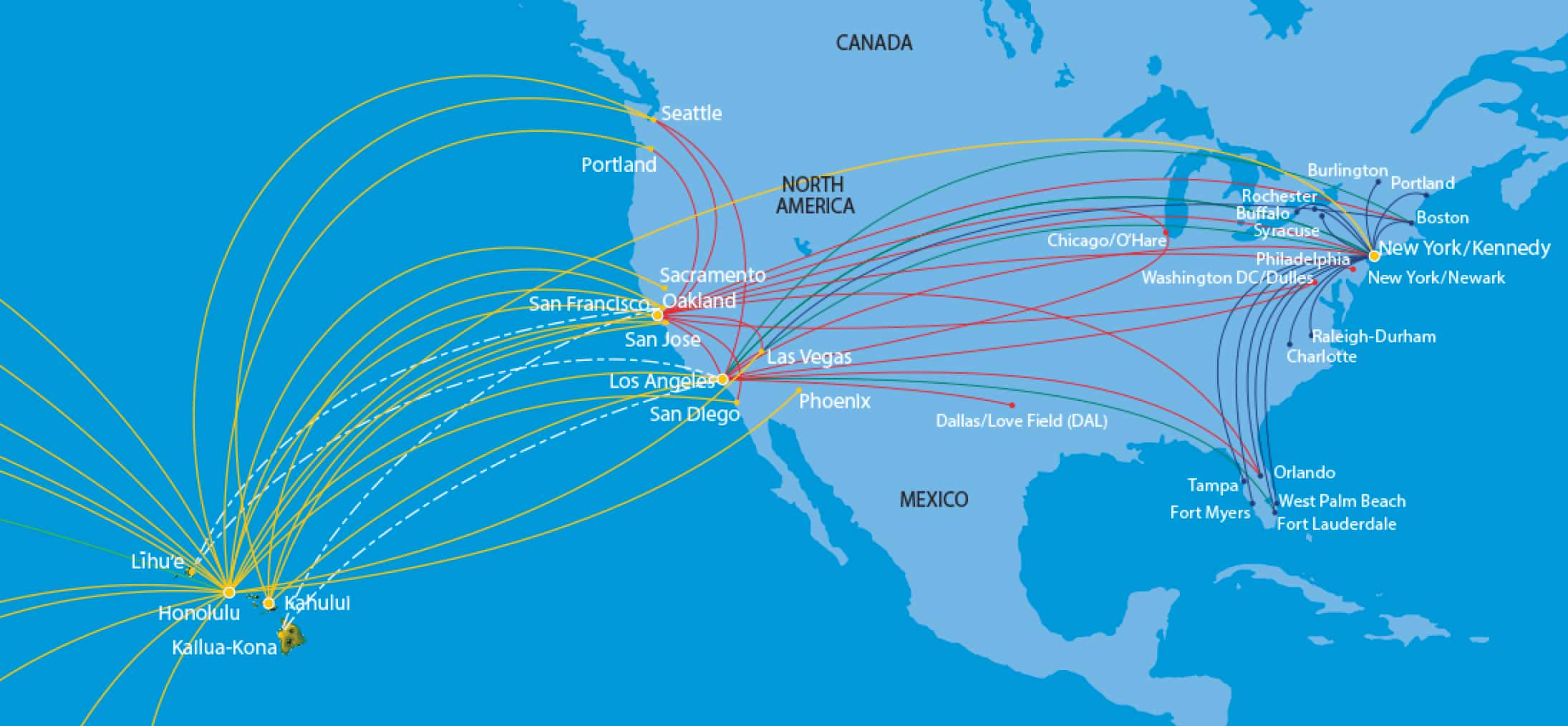
Dreaming of a tropical escape to the Aloha State, with its pristine beaches, vibrant culture, and breathtaking landscapes? For many, the first step in turning that dream into a reality is figuring out the cost of airfare. Flights to Hawaii can represent a significant portion of your travel budget, and understanding the factors that influence these prices is key to finding an affordable journey. From departure cities across the United States to the specific Hawaiian island you wish to visit, the price of a plane ticket can fluctuate dramatically. This comprehensive guide will break down the typical costs, reveal strategies for securing cheaper fares, and help you budget for the unforgettable Hawaii vacation you deserve.
Unpacking the Cost of Flights to Hawaii
The price of a flight to Hawaii is not a fixed number; it’s a dynamic figure influenced by a multitude of variables. Understanding these components is the first step in deciphering how much you can expect to pay for your airfare.
Average Flight Prices by Departure Region
Your starting point plays a pivotal role in determining the cost of your flight to Hawaii. Generally, the closer you are to the islands, the cheaper the flights tend to be.
-
West Coast (e.g., Los Angeles, San Francisco, Seattle): Travelers departing from major West Coast hubs often enjoy the most competitive fares. A round-trip economy ticket can range anywhere from $300 to $600, especially if booked strategically during off-peak seasons or with budget carriers. Deals for as low as $200-$250 are not unheard of, particularly with the increased competition from airlines like Southwest Airlines offering direct routes.
-
Midwest (e.g., Chicago, Denver): For those in the Midwest, flight prices typically fall into the $500 to $800 range for a round trip. These flights often involve at least one layover on the West Coast, which adds to both the travel time and the cost. Direct flights are rarer and usually priced at a premium.
-
East Coast (e.g., New York, Boston, Miami): As the longest haul within the continental United States, flights from the East Coast are generally the most expensive. Expect to pay between $700 to $1,200 for a round-trip economy ticket. These journeys almost always involve at least one stop, and sometimes two, significantly extending travel time. Occasional sales might drop prices closer to $600, but these are exceptions rather than the norm.
These figures represent general estimates for economy class. Business or first-class tickets can easily cost several times these amounts, often ranging from $1,500 to $5,000+, depending on the airline, route, and time of booking.
Key Factors Influencing Flight Prices
Beyond your departure point, several other crucial elements come into play when airlines set ticket prices:
-
Time of Year (Peak vs. Shoulder vs. Off-Season): This is perhaps the most significant factor.
- Peak Season: Includes major holidays like Christmas, New Year’s, Spring Break, Thanksgiving, and the entire summer (June-August). During these times, demand is at its highest, and prices can surge by 30-50% or more. Many families with children plan their trips around school breaks, contributing to this demand.
- Shoulder Season: Typically April-May and September-October. These periods offer a sweet spot with pleasant weather, fewer crowds, and more moderate flight prices, often providing the best value for many travelers.
- Off-Season: Generally mid-January through early March (excluding Spring Break) and parts of November (before Thanksgiving). This is when you’re most likely to find the lowest fares as tourist numbers dip.
-
Booking Window (When to Book): There’s an art to booking flights at the optimal time. Too early, and you might miss out on sales; too late, and prices will likely skyrocket. For international long-haul flights like those to Hawaii, the “sweet spot” is often considered to be 2-6 months in advance. Last-minute deals are rare for Hawaii travel and usually only occur if an airline needs to fill unsold seats, which is uncommon for such a popular destination.
-
Departure and Arrival Airports: Flying into a major international gateway like Daniel K. Inouye International Airport in Honolulu (Oahu) is often cheaper than flying directly into smaller airports like Kahului Airport in Maui or Kona International Airport in the Big Island. Direct flights to secondary islands may come with a premium, so sometimes flying to Honolulu and then taking a separate inter-island flight can save money.
-
Airline Choice and Class of Service: Different airlines have different pricing strategies. Legacy carriers like United Airlines, Delta Air Lines, and American Airlines often offer a full range of services, which can be reflected in higher base fares. Hawaiian Airlines specializes in Hawaii routes and can be competitive. Budget-friendly options like Southwest Airlines (from West Coast cities) or Alaska Airlines often provide good value. Opting for basic economy fares might save a few dollars but often comes with restrictions on seat selection, baggage, and changes.
-
Flexibility (Dates, Airports): Being flexible with your travel dates, even by a day or two, can lead to substantial savings. Mid-week flights (Tuesday-Thursday) are typically cheaper than weekend flights. Similarly, considering alternate airports within a reasonable distance from your home or destination can unlock better deals.
Strategies for Scoring Affordable Flights to Hawaii
Finding cheap flights to Hawaii isn’t just about luck; it’s about smart planning, diligent searching, and knowing the tricks of the trade. With a little strategy, you can significantly reduce your airfare costs and allocate more of your budget to unforgettable experiences on the islands.
Timing is Everything: When to Book and When to Fly
Mastering the timing of your booking and travel dates is crucial for budget-conscious travelers.
-
Best Months to Travel: The sweet spot for visiting Hawaii while keeping flight costs down is typically mid-January through early March (avoiding Spring Break) and September through mid-November (before Thanksgiving). During these months, the weather is still fantastic, but tourist crowds are thinner, leading to lower demand and more competitive pricing for both flights and accommodation.
-
Avoiding Peak Travel Periods: As mentioned, steer clear of major holidays and the summer months if saving money is your priority. Christmas and New Year’s can see flight prices double or triple. If you must travel during peak times, book as far in advance as possible (6-9 months) and be prepared to pay a premium.
-
The Sweet Spot for Booking: For most flights to Hawaii, aiming to book 3 to 5 months in advance is often ideal. This window allows you to capture early bird discounts without waiting so long that prices start to climb due to limited availability. For peak season travel, extending this window to 6-9 months is advisable.
Leveraging Tools and Tactics
Modern travel planning offers a wealth of digital tools and clever tactics to help you hunt down the best deals.
-
Flight Comparison Websites: These platforms are your best friends in the search for cheap flights. Websites like Google Flights, Skyscanner, and Kayak allow you to compare prices across multiple airlines and online travel agencies (OTAs).
- Google Flights: Offers a robust calendar view to see price fluctuations across different dates and a map feature to visualize costs from various departure points.
- Skyscanner: Known for its “Everywhere” search and flexible date options, allowing you to find the cheapest time to fly over an entire month or year.
- Kayak: Aggregates results from hundreds of travel sites and also offers a price forecast tool.
- Be sure to check prices on multiple sites, as not all OTAs are included in every search engine, and direct airline websites may sometimes offer exclusive deals.
-
Price Alerts and Error Fares:
- Set Price Alerts: Almost all flight comparison websites allow you to set up email alerts for specific routes. You’ll be notified automatically when prices drop, ensuring you don’t miss a flash sale.
- Follow Deal Websites: Subscribe to newsletters or follow social media accounts of services like Scott’s Cheap Flights, The Flight Deal, or Secret Flying. These sites specialize in finding exceptionally low fares, including “error fares” (mistakenly low prices published by airlines), which can offer incredible savings but require quick action.
-
Consider Budget Airlines and Connecting Flights:
- Budget Airlines: Airlines like Southwest Airlines have expanded their service to Hawaii, often providing more competitive pricing, especially from West Coast cities. Remember to factor in baggage fees and other add-ons with budget carriers.
- Connecting Flights: While direct flights are convenient, flights with one or more layovers are almost always cheaper. If you have time and patience, opting for a connecting flight can lead to significant savings. Sometimes, even flying into a larger hub like Honolulu and then booking a separate inter-island flight (which can often be done very cheaply with local carriers like Hawaiian Airlines or Mokulele Airlines) can be more economical than a direct multi-stop journey on a single ticket.
-
Package Deals (Flight + Hotel): Online travel agencies like Expedia, Priceline, and TripAdvisor often offer package deals that bundle flights with hotel or car rental. Sometimes, these bundles can result in a flight cost that is lower than buying the flight independently, providing considerable savings on your overall accommodation and travel expenses. This is particularly appealing for those looking for a seamless booking experience and good value.
-
Travel Hacking (Miles and Points): For seasoned travelers or those willing to invest in travel reward credit cards, accumulating airline miles or hotel points can drastically reduce or even eliminate flight costs. Many cards offer generous sign-up bonuses that can be enough for a round-trip ticket to Hawaii, especially from the West Coast. Be sure to understand the terms and conditions of these programs to maximize their benefits.
Navigating Your Hawaiian Adventure: Island Hopping & Airport Considerations
Once you’ve secured your flight to Hawaii, the next step is often deciding which island (or islands) to explore and how to get around. Each island offers a unique flavor of the Aloha spirit, catering to different interests, from bustling city life to serene natural retreats.
Gateway Airports and Inter-Island Travel
Hawaii has several major airports, with Honolulu being the primary entry point for most international and mainland United States flights.
-
Main Airports:
- Daniel K. Inouye International Airport (HNL) in Oahu: The largest airport and the main hub for arrivals from the continental U.S. and beyond. Flights here are generally the most frequent and often the cheapest. Oahu itself offers a diverse experience, from the vibrant urban energy of Waikiki Beach to the historical significance of Pearl Harbor and the legendary surf breaks of the North Shore.
- Kahului Airport (OGG) in Maui: The second busiest airport, serving the popular “Valley Isle.” Many direct flights from the West Coast land here.
- Kona International Airport (KOA) in the Big Island: Serves the west side of the Big Island, a popular destination for its coffee farms and snorkeling.
- Lihue Airport (LIH) in Kauai: The main airport for the “Garden Isle,” known for its dramatic cliffs and lush landscapes.
- Hilo International Airport (ITO) in the Big Island: A smaller airport on the east side of the Big Island, closer to Hawaii Volcanoes National Park.
- Lanai Airport (LNY) and Molokai Airport (MKK): Smaller airports catering to visitors to these less-traveled islands, typically accessed via inter-island flights.
-
Costs and Logistics of Island Hopping: If your Hawaii itinerary includes visiting multiple islands, factor in the cost and time of inter-island flights. These are typically short (20-45 minute) flights and can range from $40 to $100+ per segment with Hawaiian Airlines or Mokulele Airlines. Booking these in advance is recommended, especially if you have specific timing requirements. Consider the total cost of flying into one main island and then connecting versus flying direct to a smaller island, as the former is often more economical.
Choosing Your Hawaiian Destination
Each Hawaiian island offers a distinct personality and a myriad of attractions. Your choice of island will not only impact your flight strategy but also the overall cost and character of your trip.
- Oahu: The Bustling Hub: Perfect for first-time visitors or those who enjoy a mix of city life and natural beauty. Explore the iconic Waikiki Beach, hike up Diamond Head for panoramic views, or delve into history at Pearl Harbor. Oahu offers the widest range of accommodation and dining options, from luxury resorts to budget-friendly apartments.
- Maui: The Valley Isle: Renowned for its stunning beaches, world-class resorts, and romantic allure. Drive the scenic Road to Hana, witness a breathtaking sunrise from Haleakala National Park, or relax in the resort areas of Ka’anapali and Lahaina. Maui tends to be a bit pricier than Oahu, especially regarding resorts.
- Kauai: The Garden Isle: Ideal for nature lovers and adventurers. Marvel at the dramatic cliffs of the Na Pali Coast, explore the “Grand Canyon of the Pacific” at Waimea Canyon, or enjoy the serene beaches of Poipu. Kauai offers a more laid-back vibe and generally fewer crowds, with accommodation options ranging from boutique hotels to private villas.
- Big Island: The Volcanic Heart: The largest and youngest island, offering incredible diversity from volcanic landscapes to black sand beaches. Discover the active volcanoes at Hawaii Volcanoes National Park, explore the Kona Coffee Belt, or stargaze from Mauna Kea. The Big Island provides a unique blend of natural wonders and cultural experiences.
- Lanai & Molokai: Off-the-Beaten-Path Escapes: For those seeking ultimate tranquility and a deeper connection to traditional Hawaiian culture. Lanai is home to luxury resorts like those managed by Four Seasons, while Molokai preserves a truly authentic Hawaiian experience, with fewer tourist amenities and a focus on local life. These islands are typically accessed via inter-island flights or ferries and tend to cater to a more niche, often luxury or eco-conscious, traveler.
Beyond Flights: Budgeting for Your Dream Hawaii Vacation
While flights are a major component of your Hawaii travel expenses, a holistic budget requires considering all aspects of your trip, from where you’ll stay to what you’ll eat and do. Hawaii can be an expensive destination, but smart planning allows for trips catering to both luxury and budget lifestyles.
Accommodation Choices and Costs
Accommodation is likely your second-largest expense after flights. Hawaii offers a spectrum of lodging options, each with its own price point and experience.
- Resorts & Hotels: Expect to pay anywhere from $250 to $800+ per night for a standard resort or hotel room, especially in popular areas like Waikiki or Ka’anapali. Luxury resorts, often affiliated with brands like Marriott International, Hilton Worldwide, or Hyatt Hotels Corporation, will be on the higher end, offering extensive amenities, pools, and often oceanfront access. Consider resort fees, which can add $30-$50+ per night.
- Vacation Rentals (e.g., Airbnb, VRBO): These can be a good option for families or groups, offering more space and often kitchen facilities, which can save money on food. Prices vary wildly depending on size, location, and season, but typically range from $150 to $500+ per night. Be aware of local regulations regarding short-term rentals, especially on Oahu and Maui.
- Hostels & Budget Stays: For the most budget-conscious travelers, hostels or guesthouses offer dorm beds for as low as $40-$70 per night or private rooms for slightly more. These are mainly found on Oahu and parts of the Big Island.
- Impact of Seasonality on Lodging: Just like flights, accommodation prices surge during peak travel times. Booking well in advance (6-12 months for peak season) is crucial to secure desirable lodging at a reasonable rate.
Transportation, Activities, and Food
Don’t overlook these daily expenses, as they can quickly add up and significantly impact your total budget.
-
Rental Cars vs. Public Transport:
- Rental Cars: Highly recommended for exploring all islands except potentially Oahu if you plan to stay exclusively in Waikiki and use public transport (TheBus). Rental car prices can range from $50 to $150+ per day, varying by season, vehicle type, and booking window. Book well in advance, especially for popular times. Factor in parking fees at hotels and attractions.
- Public Transport: Oahu’s TheBus system is extensive and affordable, a good option for budget travelers. Other islands have limited public transport, making a rental car almost essential for sightseeing. Ride-sharing services like Uber and Lyft are available but can be costly for longer distances.
-
Free vs. Paid Activities:
- Free Activities: Hawaii abounds with incredible free experiences. Enjoy the pristine beaches, go snorkeling at Hanauma Bay (though parking/entry fees may apply), hike scenic trails, or simply watch the sunset. Tourism guides often highlight these natural attractions.
- Paid Activities: Luau shows, surfing lessons, catamaran tours, helicopter rides, and specific museum entries can cost anywhere from $50 to $300+ per person. Prioritize the experiences most important to you and budget accordingly. Consider booking activity bundles or looking for discounts online.
-
Dining Out vs. Groceries:
- Dining Out: Hawaii has fantastic cuisine, but eating out can be expensive. A casual meal might cost $20-$40 per person, while a nicer restaurant can easily run $70-$150+ per person. Look for happy hour deals, food trucks, and local plate lunch spots for more affordable options. Embracing the local food culture is part of the tourism experience!
- Groceries: Purchasing groceries from local supermarkets and preparing some of your own meals (especially breakfast and lunch) is one of the best ways to save money on food. This is particularly easy if you opt for a vacation rental with a kitchen.
Conclusion
The journey to understanding “How Much Are Flights To Hawaii?” is multifaceted, influenced by everything from your departure city and the time of year to the specific island you choose to visit. While it’s true that Hawaii can be an expensive destination, a well-planned approach can significantly reduce your travel costs.
By being flexible with your travel dates, utilizing flight comparison tools, setting price alerts, and considering connecting flights or package deals, you can often find fares well within a reasonable budget. Remember that the “sweet spot” for booking is typically 3-5 months out, with off-peak seasons like late winter (excluding Spring Break) and fall offering the most competitive prices.
Beyond flights, comprehensively budgeting for your accommodation, transportation, dining, and activities will ensure a stress-free and enjoyable trip. Whether you dream of the bustling shores of Waikiki, the tranquil beauty of Maui’s Road to Hana, or the dramatic landscapes of the Na Pali Coast on Kauai, Hawaii offers an unforgettable escape. With careful planning and a strategic approach, your dream vacation to paradise is well within reach. Aloha!