
For anyone considering an extended stay, a relocation, or simply making the most of the diverse offerings in the Sunshine State, understanding the ins and outs of local identification is crucial. Beyond serving as a mere document, a Florida ID card can unlock a smoother experience, from verifying age at vibrant nightlife spots in Miami to establishing residency for long-term accommodation. While the primary question “How much are Florida ID cards?” might seem straightforward, the answer touches upon various aspects relevant to travel, tourism, and lifestyle within this popular United States destination. This comprehensive guide will not only detail the costs involved but also explore the practical benefits, application process, and why such an identification might be a valuable asset for your Florida adventure, whether it’s a brief getaway or a permanent move.
Understanding Florida ID Cards: More Than Just a Document
A Florida ID card is an official government-issued document that serves primarily as proof of identity and residency. Unlike a driver’s license, it does not grant driving privileges but is essential for countless other daily transactions and experiences. For travelers, new residents, and those embracing a Florida lifestyle, this card can be incredibly beneficial.
Who Needs a Florida ID Card and Why?
The need for a Florida ID card extends across a broad spectrum of individuals. For instance, those planning long-term accommodation, perhaps a seasonal rental in Key West or an apartment in Orlando, might find it advantageous to establish local identification. This can simplify setting up utilities, opening a local bank account, or even securing certain resident-exclusive deals on attractions.
New residents, moving from another state or country, will find a Florida ID indispensable for integrating into the local community. It’s often required for everything from registering children for school to accessing healthcare services. Beyond these essential needs, a local ID can also facilitate entry to age-restricted venues, such as bars and clubs along South Beach or in Tampa‘s entertainment districts, without the need to carry a passport or out-of-state driver’s license. While a passport or out-of-state driver’s license is generally acceptable for domestic air travel, a Florida Real ID compliant identification can also serve this purpose, offering an alternative for those making frequent internal flights within the United States.
Establishing residency with a Florida ID can also unlock a host of local benefits, particularly relevant to tourism and lifestyle. Many attractions, museums, and even public parks offer discounted admission rates for Florida residents. This makes a local ID a valuable asset for those looking to explore the rich cultural tapestry and natural beauty of the state, from the historic streets of St. Augustine to the vibrant ecosystems of Everglades National Park.
Distinguishing Between ID Cards and Driver’s Licenses
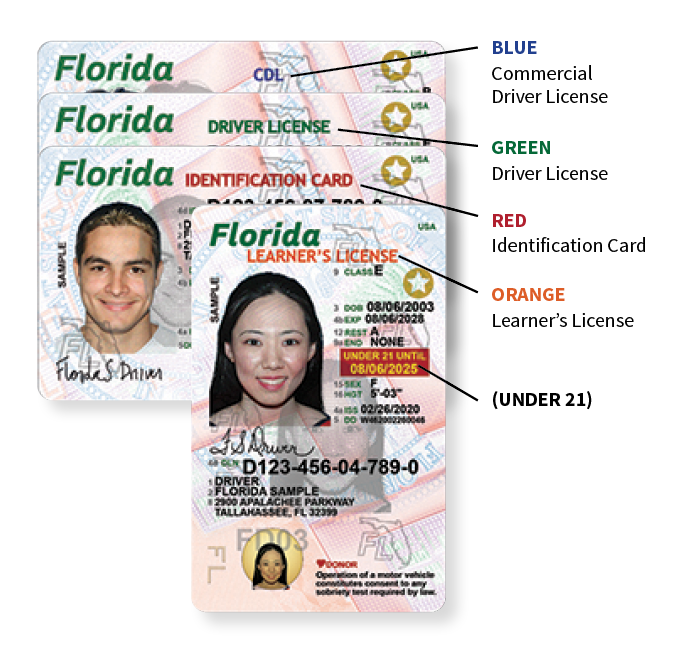
It’s important to differentiate between a Florida ID card and a Florida driver’s license. Both are issued by the same state authority, the Florida Department of Highway Safety and Motor Vehicles (DHSMV), and often look similar. However, their primary functions are distinct.
A Florida Driver’s License grants the holder the legal privilege to operate a motor vehicle on public roads. To obtain one, applicants must typically pass written, vision, and driving tests, in addition to providing proof of identity and residency. The cost for a driver’s license can vary based on its class and duration, generally ranging from around $48 for a Class E (standard non-commercial) license valid for eight years.
A Florida ID Card, on the other hand, is purely for identification purposes. It’s designed for individuals who do not drive, are not yet old enough to drive, or simply prefer not to carry a driver’s license if they have alternative transportation. The requirements for obtaining an ID card are less stringent regarding skills tests, focusing solely on verification of identity and residency. The costs are also generally lower, reflecting its singular purpose. Both documents are Real ID compliant when issued with the gold star, meaning they can be used for federal purposes like boarding domestic flights.
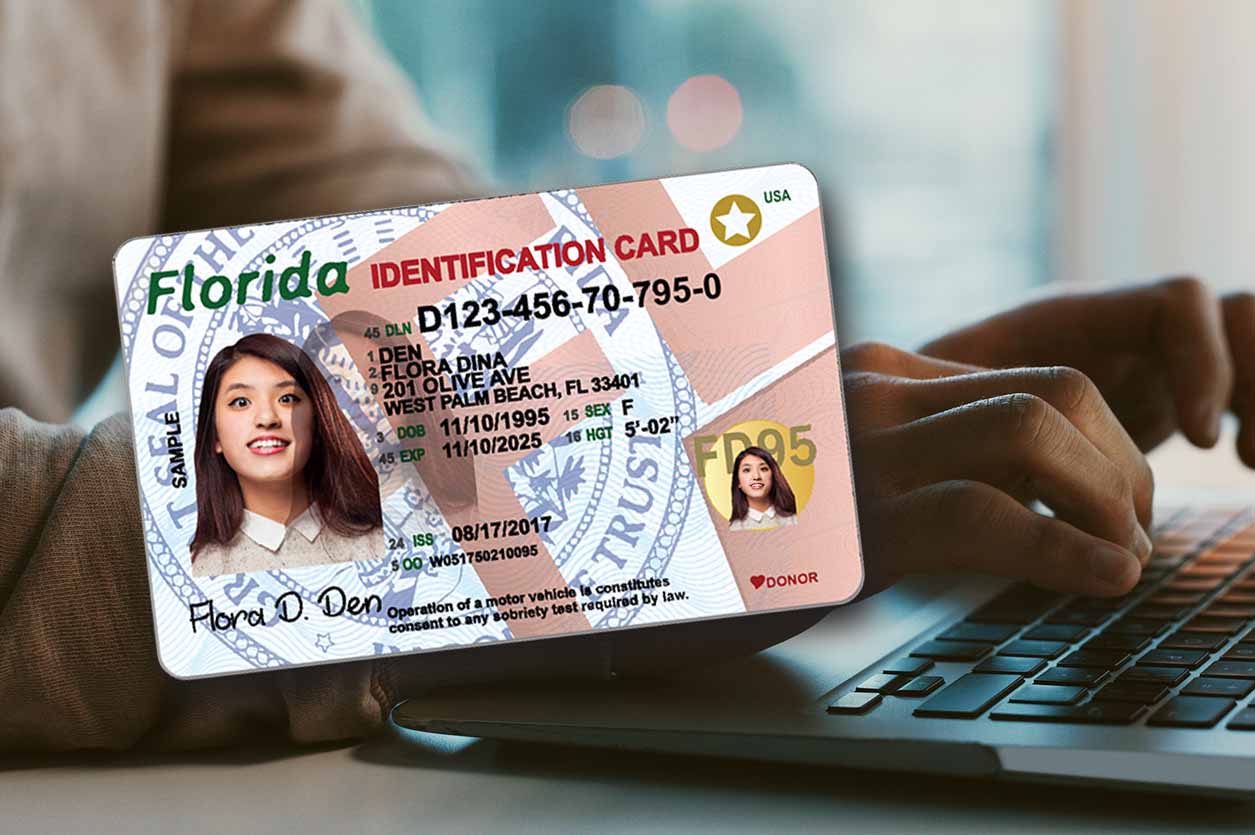
For those planning to live or spend significant time in Florida without driving, the ID card is the perfect solution, offering all the benefits of official identification without the added requirements and costs associated with driving privileges.
The Financial Side: Breaking Down Florida ID Card Costs
Understanding the exact cost of a Florida ID card is a key part of financial planning for your stay or move. The fees are generally standardized across the state, ensuring consistency whether you apply in Jacksonville, Tallahassee, or anywhere else.
Initial Application Fees
For first-time applicants, the cost of a Florida ID card is relatively modest. As of current Florida DHSMV regulations, the standard fee for an initial Florida Identification Card is $25. This fee applies whether you are a new resident to the state, a non-driver, or simply someone seeking official Florida identification for the first time. The card is typically valid for eight years, offering long-term convenience and value.
This initial fee covers the processing and issuance of your card. It’s important to note that these fees are subject to change, so always check the official Florida Department of Highway Safety and Motor Vehicles website for the most up-to-date information before applying. There are no additional fees for transferring an out-of-state ID to a Florida ID card, as it’s treated as a new application for a state ID.
Renewal and Replacement Costs
Maintaining your Florida ID card also comes with associated costs, though these are typically infrequent given the eight-year validity period.
- Renewal: When your Florida ID card expires, you will need to renew it. The renewal fee is generally the same as the initial application fee, approximately $25. Renewals can often be completed online for eligible individuals, offering a convenient way to keep your identification current without needing an in-person visit to a DHSMV office.
- Replacement: Should your Florida ID card be lost, stolen, or damaged, you will need to apply for a replacement. The fee for a replacement card is also typically $25. It’s advisable to report a lost or stolen ID to local law enforcement, especially if you suspect identity theft, before applying for a replacement. This ensures your safety and can simplify the replacement process. The replacement process generally requires you to provide proof of identity and residency again, so it’s wise to have your documents ready.
These costs are part of the broader financial considerations for anyone planning an extended stay or relocation to Florida. They contribute to the overall lifestyle budget, akin to factoring in accommodation expenses, travel insurance, or leisure activity costs.
Additional Fees and Considerations
While the primary costs for initial issuance, renewal, and replacement are consistent, there can be minor variations or related considerations:
- Online vs. In-Person: While the fee itself doesn’t change, applying online can save you time and potential transportation costs associated with visiting a physical office. However, initial applications typically require an in-person visit.
- County Service Fees: Some Tax Collector’s Offices, which often process DHSMV transactions, may levy a small convenience fee (e.g., $1-2) in addition to the state-mandated fee. This is usually clearly posted at the office.
- Photo Fees: The fee already includes the cost of your photo, so there’s no separate charge for this service.
- Special Circumstances: There are specific exemptions or reductions for certain groups, though these are rare for standard ID cards and more common for specialized services or indigent individuals. Always consult the official Florida Department of Highway Safety and Motor Vehicles resources for details on any potential fee waivers.
Overall, the cost of obtaining and maintaining a Florida ID card is quite reasonable, especially when weighed against the numerous practical benefits it provides for navigating life and leisure in the state.
The Application Process: A Guide for Newcomers and Visitors
Obtaining a Florida ID card is a structured process designed to verify your identity and ensure you meet residency requirements. For those new to the state or planning a long-term visit, understanding these steps can save time and prevent frustration.
Where to Apply: Florida’s Hubs for Identification
The primary locations for applying for a Florida ID card are the offices of the Florida Department of Highway Safety and Motor Vehicles (DHSMV) or authorized Tax Collector’s Offices that provide DHSMV services. These offices are distributed across the state, making them accessible whether you’re staying on the Gulf Coast or the Atlantic Coast.
- DHSMV Service Centers: These are official state-run facilities dedicated to driver’s license and ID card services. They typically offer a full range of transactions.
- County Tax Collector’s Offices: Many county Tax Collector’s Offices are authorized to process ID card applications and renewals. These can sometimes be less crowded than larger DHSMV centers, depending on the location. It’s always a good idea to check the specific services offered by your local Tax Collector’s Office before visiting.
Before heading out, it’s highly recommended to use the official Florida Department of Highway Safety and Motor Vehicles website to locate the nearest office and check their operating hours. Many offices now encourage or even require appointments for certain services, which can significantly reduce wait times.
Essential Documentation: What You Need to Bring
This is arguably the most critical part of the application process. Florida, like other states adhering to federal Real ID standards, requires specific documents to prove your identity, Social Security Number (SSN), and two proofs of residential address. Failing to bring the correct documents will result in your application being denied, requiring another visit.
Here’s a general checklist of what you’ll typically need:
-
Primary Proof of Identity:
- Original or certified birth certificate (U.S. issued)
- Valid United States passport or passport card
- Certificate of Naturalization
- Valid Alien Registration Card (Green Card)
-
Proof of Social Security Number:
- Original Social Security Administration (SSA) card
- W-2 form
- Pay stub showing your SSN
- 1099 form
- Note: SSN is verified through the E-Verify system.

- Two Proofs of Residential Address in Florida: These documents must show your name and the current Florida residential address. Examples include:
- Utility bills (electric, water, gas, cable) from the last two months
- Rental agreement or lease
- Mortgage statement
- Bank statements (from the last two months)
- Homeowner’s insurance policy
- Vehicle registration or title
- Mail from a government agency
Ensure all documents are original or certified copies; photocopies are generally not accepted. For non-U.S. citizens, additional immigration documents will be required. Always consult the official Florida Department of Highway Safety and Motor Vehicles website or a local office for a personalized checklist, especially if you have unique circumstances.
Tips for a Smooth Application Experience
To ensure your visit is as efficient as possible and aligns with a positive Florida lifestyle experience, consider these tips:
- Book an Appointment: Many DHSMV and Tax Collector offices offer online appointment scheduling. This is highly recommended to minimize waiting times, especially during peak hours.
- Arrive Prepared: Double-check your documents before leaving. Have them organized and ready for presentation. This includes having payment for the $25 fee.
- Visit During Off-Peak Times: If an appointment isn’t available or preferred, try visiting mid-week (Tuesday-Thursday) and mid-morning or mid-afternoon, avoiding opening and closing rushes or lunch hours.
- Be Patient: Even with an appointment, government offices can sometimes have unforeseen delays. Bring something to read or occupy your time.
- Review Your Information: Before leaving the office, carefully review the printed temporary ID card for any errors in your name, address, or date of birth. It’s much easier to correct mistakes on the spot. Your permanent card will be mailed to your Florida address, typically within 2-4 weeks.
By following these guidelines, obtaining your Florida ID card can be a straightforward step, paving the way for a more integrated and convenient experience in the state.
Beyond the Card: Florida Lifestyle and the Value of Local Identification
While the explicit cost of a Florida ID card is minimal, its value extends far beyond the $25 fee, particularly when considering the broader context of travel, tourism, and lifestyle in the Sunshine State. A local ID can significantly enhance your experience, making daily life and leisure activities more accessible and often more affordable.
Unlocking Local Advantages with a Florida ID
One of the most compelling reasons for new residents or long-term visitors to obtain a Florida ID is the array of resident discounts available throughout the state. Florida’s economy is heavily driven by tourism, and many attractions offer special pricing to locals. Imagine enjoying the magic of Walt Disney World Resort or the thrills of Universal Orlando Resort or Busch Gardens Tampa Bay with a resident-specific annual pass or discounted single-day tickets. These savings can accumulate quickly, especially for families or individuals planning multiple visits to theme parks, zoos, or aquariums.
Beyond major attractions, resident discounts often extend to:
- Museums and cultural institutions: Many local museums, galleries, and historical sites offer reduced admission to Florida residents, providing an opportunity to delve deeper into the state’s rich heritage in places like St. Augustine.
- State Parks and natural attractions: Access to Florida’s stunning natural beauty, from pristine beaches on Daytona Beach to serene springs, can sometimes be cheaper or offer annual passes exclusively for residents.
- Local businesses: From restaurants to retail stores, some establishments offer special promotions or loyalty programs to local patrons.
Furthermore, a Florida ID simplifies many daily services. Opening bank accounts, securing a library card, joining local gyms, or even renting equipment for water sports in Key West can all be made easier when you have official state identification. For those establishing a new home, having a local ID streamlines the process of connecting utilities, ensuring a smooth transition into your new accommodation.
Planning Your Florida Journey: From Temporary Stays to Permanent Homes
The decision to obtain a Florida ID card often aligns with deeper considerations about one’s journey in the state. For those exploring long-term accommodation options, such as purchasing a vacation home or settling into a retirement community, the ID becomes a foundational document. It signifies a commitment to the Florida lifestyle and provides the necessary credentials for establishing roots.
Even for those planning extended vacations or seasonal stays, perhaps wintering in Naples or spending several months in Orlando for its theme parks, a Florida ID can be a practical tool. It removes the hassle of constantly showing an out-of-state license or passport for age verification or other identification needs, offering a layer of convenience and peace of mind. The process of acquiring it is part of the “tourism tips” for those embracing the state for more than just a fleeting visit.
Embracing the Sunshine State Experience
Ultimately, the small investment in a Florida ID card is an investment in a smoother, more integrated, and potentially more economical Sunshine State experience. It bridges the gap between being a visitor and becoming part of the local fabric, even if temporarily. From streamlining mundane tasks to unlocking exciting discounts at world-class destinations, the benefits far outweigh the modest cost and application effort.
Whether your Florida dream involves luxurious resorts, budget-friendly family trips, or a quiet long-term stay, having official local identification can enhance every aspect of your journey. It’s a small piece of plastic that offers significant leverage in truly embracing the vibrant and diverse lifestyle that Florida has to offer. So, as you plan your next adventure or consider making the Sunshine State your home, remember the humble Florida ID card – a key to unlocking a richer experience.
LifeOutOfTheBox is a participant in the Amazon Services LLC Associates Program, an affiliate advertising program designed to provide a means for sites to earn advertising fees by advertising and linking to Amazon.com. Amazon, the Amazon logo, AmazonSupply, and the AmazonSupply logo are trademarks of Amazon.com, Inc. or its affiliates. As an Amazon Associate we earn affiliate commissions from qualifying purchases.