
California is a land of unparalleled beauty, drawing millions with its sun-drenched beaches, towering redwoods, vibrant cities, and iconic landmarks. From the bustling streets of Los Angeles to the serene vineyards of Napa Valley and the majestic grandeur of Yosemite National Park, the Golden State offers an endless array of experiences for every type of traveler. Whether you’re planning an epic road trip along Highway 1, a luxurious getaway in Beverly Hills, or a budget-friendly adventure exploring California’s National Parks, understanding the cost of getting around is paramount. One of the most significant factors impacting travel budgets, particularly for those relying on personal vehicles, is the price of gasoline. And when it comes to fuel costs, California consistently ranks among the highest in the United States.
The primary reason for these elevated prices lies in the intricate web of taxes and fees levied on gasoline. While the base price of crude oil and refining costs play a role, it’s the state and federal taxes that significantly inflate the price at the pump. For anyone planning travel, tourism, or an extended accommodation stay in California, deciphering these charges is crucial for effective budgeting and maximizing your exploration of this diverse state. This comprehensive guide will break down the components of California’s gas taxes, explain why they’re so high, and offer insights into how they impact your travel lifestyle in the Golden State.
Understanding California’s Fuel Tax Landscape
California’s gas prices are not just high; they’re a complex mixture of various taxes and fees, each serving a specific purpose, from funding vital infrastructure projects to promoting environmental sustainability. When you fill up your tank, you’re contributing to a system designed to maintain roads, bridges, public transportation, and reduce greenhouse gas emissions.
Breaking Down the Numbers: The Components of Gas Tax
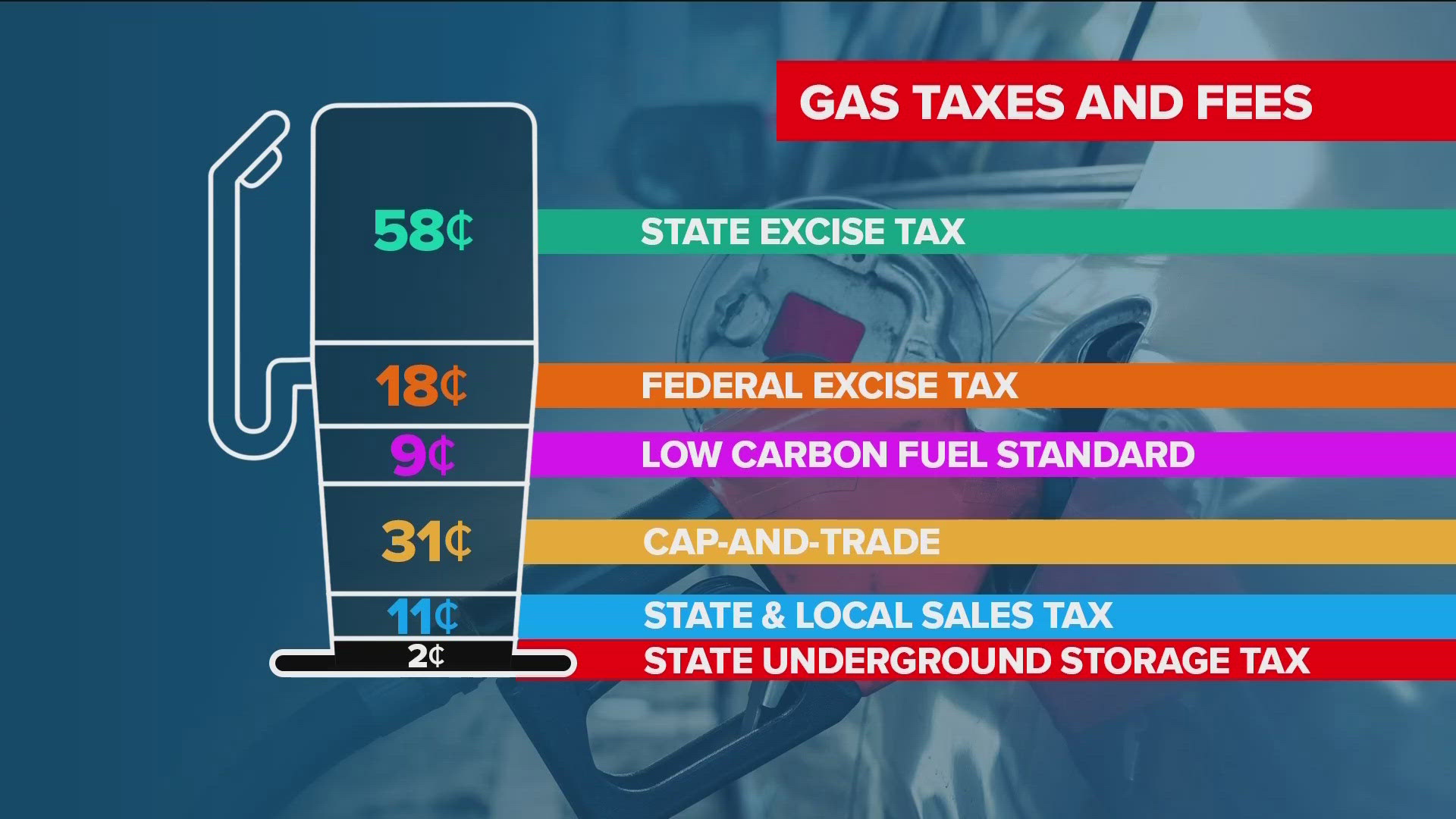
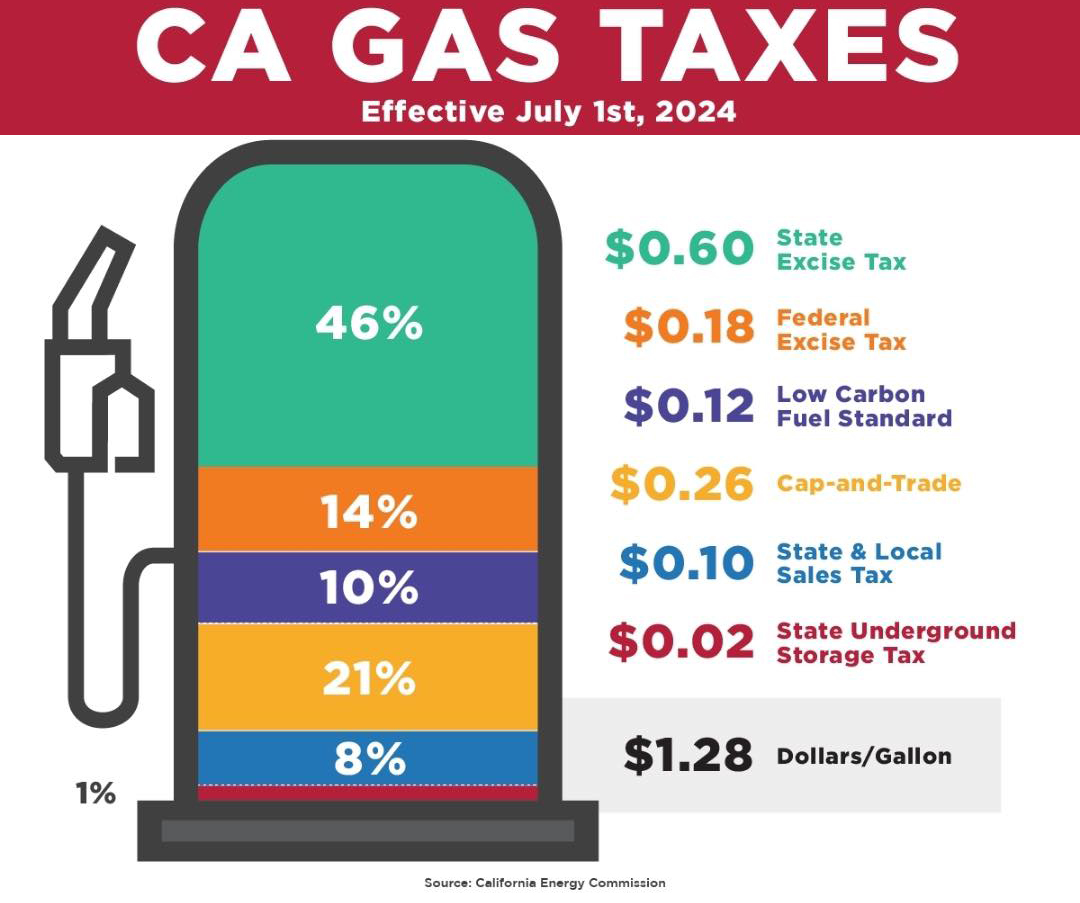
The price you see at the pump in California is a composite of several distinct charges. While the exact figures fluctuate, understanding the categories helps demystify the cost:
- State Excise Tax: This is often the largest component of California’s state-level gas tax. As of recent adjustments, this tax typically hovers around 50 to 55 cents per gallon. What makes California’s excise tax unique is that it’s adjusted annually for inflation, usually on July 1st. This ensures that the revenue generated keeps pace with the rising costs of infrastructure maintenance and construction. The funds from this tax are critical for repairing potholes, rebuilding highways, and supporting the expansive network of roads that connect California’s vast destinations.
- State Sales Tax: Unlike many other states that exempt gasoline from sales tax, California applies a sales tax to fuel. This is not a fixed rate per gallon but a percentage of the pre-tax pump price. Because it’s a percentage, the actual amount collected per gallon increases when the base price of gasoline rises. This adds another layer of cost to your fuel purchases and contributes significantly to the overall price.
- Cap-and-Trade Program Fees: California is a leader in environmental policy, and its Cap-and-Trade program is a cornerstone of its efforts to combat climate change. This program requires fuel suppliers to purchase allowances for the greenhouse gas emissions associated with the gasoline they sell. The cost of these allowances is passed on to consumers at the pump, adding several cents per gallon to the price. While it may seem like an additional burden, these fees fund vital programs aimed at reducing emissions, investing in renewable energy, and promoting clean transportation, aligning with California’s commitment to a greener future.
- Underground Storage Tank Fees: These are smaller fees, typically a couple of cents per gallon, dedicated to maintaining and cleaning up underground fuel storage tanks. This ensures environmental safety and prevents contamination.
- Federal Excise Tax: In addition to state taxes, the federal government also levies an excise tax on gasoline, currently 18.4 cents per gallon. This uniform tax applies across the entire United States and primarily funds the federal Highway Trust Fund, which supports national infrastructure projects.
When combined, these taxes and fees can add well over a dollar per gallon to the base price of gasoline in California. This makes understanding these components essential for anyone planning an extensive California adventure.
Funding Infrastructure and Public Services
The substantial revenue generated from these gas taxes is not simply a burden; it’s an investment. These funds are meticulously allocated to maintain and improve California’s vast and intricate transportation network. This includes:
- Road and Bridge Maintenance: Ensuring the safety and longevity of highways, freeways, and local roads, which are essential for everything from daily commutes to cross-state road trips exploring California’s attractions like Big Sur or Lake Tahoe.
- Public Transit Projects: Supporting bus systems, commuter trains, and light rail in major metropolitan areas like San Francisco, San Diego, and Los Angeles, offering travelers alternatives to driving.
- Environmental Initiatives: Funding programs that reduce air pollution, promote electric vehicles, and develop cleaner energy sources, contributing to California’s overall lifestyle and environmental goals.
For travelers, this means that while the cost at the pump is higher, the quality of the roads and the availability of alternative transportation options are often superior, enhancing the overall travel experience.
How Gas Taxes Impact Your California Travel Budget
For many, a trip to California involves extensive driving. Whether it’s cruising down the coast, exploring vineyards, or trekking to National Parks, a significant portion of your travel budget will likely be allocated to fuel. The high gas taxes directly influence how you plan and experience your California adventure.
Planning Your California Road Trip
A quintessential California experience is the road trip. From the iconic coastal drive of Highway 1 connecting San Francisco to Los Angeles to venturing inland to the desert landscapes of Death Valley National Park, driving is often the best way to soak in the state’s diverse beauty. However, the cost of fuel must be a primary consideration in your budget.
For a two-week road trip covering thousands of miles, the difference in gas prices between California and other states can add hundreds of dollars to your overall expenses. This directly impacts how much you have left for accommodation, dining, and attractions. Travelers on a tighter budget might need to consider shorter driving distances, prioritize fuel-efficient vehicles, or spend more time in areas with good public transportation like San Francisco’s cable cars or Los Angeles’s Metro system.
Budgeting for California Adventures
When calculating the total cost of your California trip, it’s wise to create a dedicated line item for fuel, anticipating higher-than-average costs. This is especially true if your itinerary involves exploring remote National Parks or driving between distant cities.
- Accommodation Choices: The impact of gas taxes can indirectly influence your accommodation choices. If you’re driving a lot, you might opt for hotels or resorts that offer free parking or are centrally located to minimize local driving. Conversely, if high gas prices force you to cut back on driving, you might choose accommodation in cities with excellent public transport or within walking distance of key attractions.
- Activities and Experiences: Every dollar spent on gas is a dollar not spent on a whale-watching tour in Monterey, a ticket to Disneyland, or a gourmet meal in Napa Valley. Savvy travelers factor in fuel costs to ensure they still have enough budget for the experiences that make a California trip truly memorable.
For those planning an extended stay, perhaps utilizing serviced apartments or long-term villas, the cumulative cost of gas over weeks or months can be substantial, necessitating careful financial planning.
Navigating California’s Fuel Costs: Tips for Travelers
Despite the higher gas taxes, a California adventure remains incredibly rewarding. With a few strategic approaches, you can manage fuel costs without compromising on the richness of your travel experience.
Maximizing Fuel Efficiency and Route Planning
Smart planning is your best friend when tackling California’s gas prices.
- Choose a Fuel-Efficient Vehicle: If renting a car, opt for models known for good gas mileage. For longer stays or repeated visits, considering an electric vehicle (EV) could be a game-changer, especially given California’s extensive charging infrastructure and incentives.
- Optimize Your Route: Plan your itinerary to minimize backtracking and unnecessary detours. Utilize GPS apps that offer fuel cost estimates or show gas stations along your route, allowing you to compare prices. While prices don’t vary drastically within a small area, avoiding premium stations or gas stops right off major freeway exits can sometimes save a few cents per gallon.
- Drive Smart: Simple driving habits can significantly improve fuel economy. Accelerate gently, maintain a steady speed, avoid excessive idling, and ensure your tires are properly inflated. These small changes add up over a long road trip.
Embracing Alternative Transportation
California’s major cities offer robust public transportation networks, providing excellent alternatives to driving.
- Public Transit in Cities: In San Francisco, the BART and Muni systems can get you to most major attractions. Los Angeles’s Metro system is continually expanding, connecting downtown, Hollywood, Santa Monica, and other key areas. San Diego boasts a convenient trolley system. Utilizing these networks not only saves on gas but also parking fees, which can be exorbitant in urban centers. This allows you to experience the local lifestyle more authentically.
- Rideshares and Taxis: For shorter distances or when public transport isn’t feasible, rideshare services like Uber and Lyft are widely available, especially in urban and popular tourist areas.
- Walking and Biking: Many of California’s charming towns and city neighborhoods are incredibly walkable or bike-friendly. Exploring areas like Santa Monica’s boardwalk, San Diego’s Gaslamp Quarter, or San Francisco’s Golden Gate Park on foot or by bicycle offers a more intimate and cost-effective way to sightsee.
Making Informed Decisions About Your Travel Lifestyle
Your personal travel lifestyle will also dictate how you approach gas costs.
- Luxury Travel: For those indulging in luxury travel, the impact of gas taxes might be negligible. The focus will be on seamless experiences, perhaps involving chauffeured services or staying at exclusive resorts with comprehensive amenities that minimize the need to drive.
- Budget Travel: Budget travelers will need to be more strategic. This could mean opting for accommodation with kitchenettes to save on dining, booking hotels further from downtown to find better rates, and meticulously planning driving routes and gas stops.
- Family Trips: For family trips, the cumulative cost of gas can quickly add up. Consider destinations where many attractions are clustered, reducing the need for extensive driving, or look for resorts that offer shuttles to nearby landmarks or theme parks.
Ultimately, understanding the gas tax structure empowers you to make smarter choices, ensuring that your California adventure is both memorable and financially manageable.
The Ripple Effect: Beyond the Pump for California Travelers and Residents
The impact of California’s gas taxes extends beyond the immediate cost at the pump for individual travelers. It influences the broader economy, affecting everything from the price of goods and services to the overall tourism landscape.
Impact on the Tourism Economy
While high gas prices can deter some budget-conscious travelers from extensive road trips, they also indirectly support the very infrastructure that makes California such a desirable destination. Well-maintained roads, efficient public transport, and a commitment to environmental quality all enhance the visitor experience.
- Local Businesses: Higher transportation costs can affect the prices of goods and services in California, including those catering to tourists like restaurants, gift shops, and activity providers. Businesses bear some of these costs, which can then be passed on to consumers.
- Shift in Travel Patterns: Some travelers might opt for fly-in trips to a single city (e.g., San Francisco or Los Angeles) and rely heavily on public transport or rideshares, rather than renting a car and exploring widely. This can concentrate tourism in urban centers and potentially reduce visitor numbers in more remote landmarks or National Parks unless they are specifically targeted.
- Promotion of Sustainable Tourism: The higher cost of conventional fuel, combined with California’s environmental policies, inadvertently promotes more sustainable tourism practices. This can encourage the use of electric vehicles, greater reliance on public transport, and a focus on local exploration rather than extensive long-distance driving. This aligns perfectly with a lifestyle that values responsible travel and a lighter environmental footprint.
Long-Term Impact on California’s Future
The revenue from gas taxes is a critical component of California’s long-term planning for its infrastructure and environmental goals. These taxes aren’t just about the present; they’re about funding the future of travel and lifestyle in the state. As the world moves towards electric vehicles and alternative fuels, California is actively exploring new ways to fund road maintenance, such as mileage-based user fees, to ensure sustained investment in its transportation network. This foresight is vital for maintaining the quality of California’s roads, which are integral to the seamless flow of tourism and commerce, and for ensuring that the Golden State remains a premier destination for all types of travelers.
In conclusion, while the question “How Much Are Gas Taxes In California?” often elicits a response about high prices, a deeper dive reveals a nuanced system designed to maintain the state’s remarkable infrastructure and support its ambitious environmental goals. For anyone planning to explore the diverse attractions, indulge in its unique lifestyle, or simply navigate its stunning landscapes, understanding these taxes is key. With careful planning and an openness to alternative modes of transportation, the beauty and grandeur of California remain well within reach for an unforgettable travel experience.
LifeOutOfTheBox is a participant in the Amazon Services LLC Associates Program, an affiliate advertising program designed to provide a means for sites to earn advertising fees by advertising and linking to Amazon.com. Amazon, the Amazon logo, AmazonSupply, and the AmazonSupply logo are trademarks of Amazon.com, Inc. or its affiliates. As an Amazon Associate we earn affiliate commissions from qualifying purchases.