
While the question of “How Much Are Liquor Licenses In California?” might initially seem like a niche concern for business owners, it delves surprisingly deep into the intricate world of California‘s regulatory landscape. For travelers and enthusiasts of California‘s vibrant tourism and lifestyle scene, understanding this aspect can offer a unique perspective on the state’s economy, its hospitality industry, and even the very fabric of its local culture. Imagine planning a trip to Napa Valley, anticipating a delightful wine tasting experience at a renowned vineyard, or looking forward to enjoying a craft cocktail at a trendy bar in Los Angeles. The availability and cost of liquor licenses are fundamental to making these experiences possible, shaping the offerings you’ll find in hotels, resorts, restaurants, and various tourism-related establishments across the state.
The price of a liquor license in California is far from a simple, fixed number. It’s a complex equation influenced by a multitude of factors, creating a dynamic market where costs can fluctuate significantly. This complexity is rooted in the state’s desire to regulate the sale of alcohol responsibly while also generating revenue. For those venturing into the food and beverage industry, or even for curious travelers wanting to understand the operational side of their favorite establishments, a closer look at these costs reveals a fascinating interplay between state law, local ordinances, and market forces.
The Anatomy of a California Liquor License: Types and Their Impact on Cost
At the heart of determining the cost of a liquor license in California lies the understanding of the different types available. The California Department of Alcoholic Beverage Control (ABC) oversees the issuance of these licenses, and the sheer variety reflects the diverse nature of businesses that serve alcohol. From a small café offering a glass of wine with lunch to a full-service restaurant with a comprehensive bar, or a nightclub with a bustling dance floor, each business model requires a specific type of license. This specialization directly impacts the price, as certain licenses are inherently more valuable and carry greater responsibility.
Understanding the Spectrum of License Categories
The California ABC categorizes licenses into several main types, each with its own set of privileges and, consequently, its own price point. The most common distinction is between licenses that permit the sale of beer and wine only, and those that allow for the sale of “all alcoholic beverages,” including spirits.
- On-Sale Beer and Wine Licenses: These are generally less expensive than all-alcohol licenses. They are suitable for establishments like cafés, trattorias, and some casual dining restaurants where the primary focus isn’t on a full bar. The cost for these can range from a few hundred dollars for a basic permit to several thousand for a more versatile license.
- On-Sale General Licenses (All Alcohol): These are the licenses that permit the sale of beer, wine, and spirits for consumption on the premises. This is the license type most commonly associated with bars, nightclubs, and full-service restaurants with extensive cocktail menus. The cost for these licenses is significantly higher, often running into the tens of thousands or even hundreds of thousands of dollars, especially in high-demand areas. The On-Sale General – Public Premises license, for instance, is one of the most sought-after and expensive.
- Off-Sale Licenses: These licenses permit the sale of alcohol for consumption away from the premises, such as liquor stores, grocery stores, and convenience stores. Similar to on-sale licenses, there are variations for beer and wine only (Off-Sale Beer and Wine) and for all alcoholic beverages (Off-Sale General). The pricing for these also varies based on the scope of beverages permitted.
Beyond these broad categories, there are also specialized licenses, such as those for clubs, caterers, and temporary event permits. Each of these has its own associated fees and requirements, further contributing to the complex pricing structure. For instance, a temporary license for a festival in Golden Gate Park might have a significantly different cost than a permanent license for a hotel bar in downtown San Francisco.
The Role of Quotas and Geographic Location
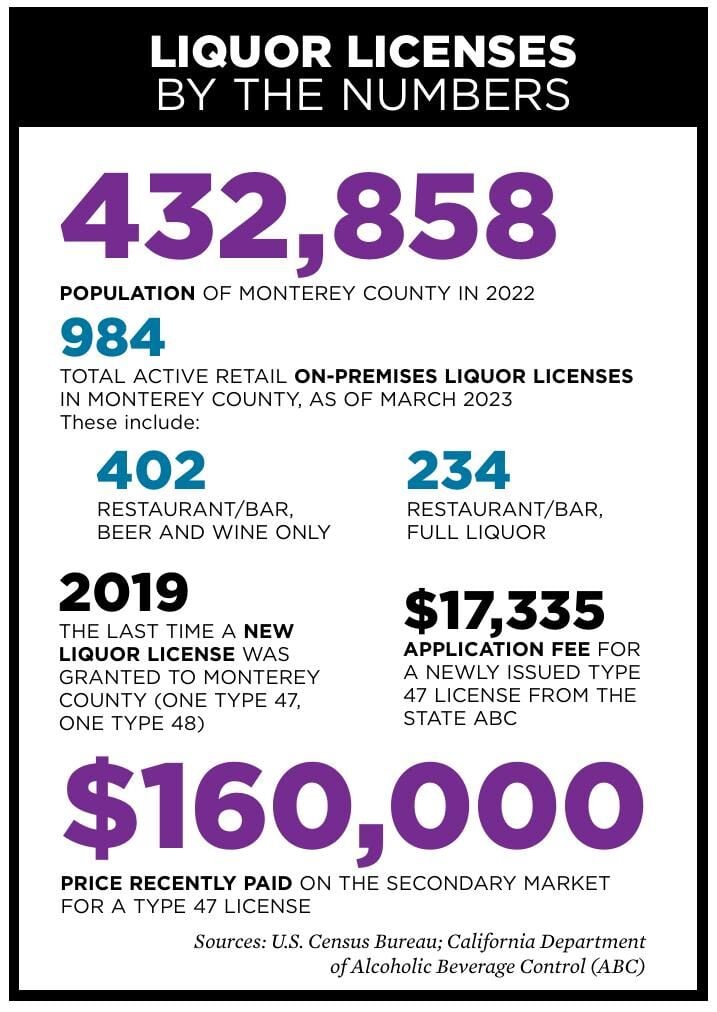
One of the most significant factors driving the cost of liquor licenses in California, particularly for the coveted On-Sale General licenses, is the system of population-based quotas. The state limits the number of these licenses issued per capita in each county. When the number of available licenses is limited and demand is high, the price of acquiring one on the open market can skyrocket. This scarcity principle is a fundamental driver of cost.
For example, a city like San Francisco, with its dense population and thriving culinary and nightlife scene, will have significantly higher license costs than a more rural county. A business looking to open a restaurant in the popular Mission District might face a much steeper investment for their liquor license compared to a similar venture in a less populated area of the state. The market value of these licenses, dictated by supply and demand, means that a business might not purchase a license directly from the state at a set fee but rather buy an existing license from another business. This secondary market is where the most dramatic price variations occur. The value of a license in Hollywood, for instance, where entertainment venues abound, will likely be far greater than in a quieter town.
Beyond the Sticker Price: Additional Costs and Considerations
The initial purchase price of a liquor license is only one piece of the financial puzzle. Aspiring business owners and even those simply curious about the operational costs of their favorite California establishments need to be aware of the myriad of other fees, requirements, and ongoing expenses associated with obtaining and maintaining a liquor license. These additional costs can significantly add to the overall investment.
Application Fees, Fingerprinting, and Background Checks
When applying for a liquor license directly from the California ABC, there are non-refundable application fees. These fees cover the administrative costs of processing the application, conducting background checks on the applicant, and performing the necessary investigations. These can range from a few hundred to over a thousand dollars, depending on the type of license and the complexity of the application.

Furthermore, applicants and often key personnel within the business will need to undergo fingerprinting and thorough background checks. This process is designed to ensure that individuals involved in the sale of alcohol have a clean record and are deemed responsible enough to hold such a license. The fees for fingerprinting and background checks, while not as substantial as the license itself, are an unavoidable part of the process.
Annual Fees and Renewal Costs
Liquor licenses in California are not a one-time purchase. They require annual renewal, which comes with its own set of fees. These annual renewal fees are generally much lower than the initial acquisition cost but represent a recurring operational expense for any business serving alcohol. The amount varies based on the license type. For example, an annual renewal for an On-Sale General license will be considerably more than for a beer and wine license. These fees contribute to the ongoing operational budget of the California ABC.
Transfer Fees and Other Administrative Costs
When a liquor license is transferred from one owner to another, or from one location to another, there are typically transfer fees involved. These fees compensate the California ABC for the administrative work required to process the transfer and ensure compliance with regulations. Additionally, businesses may incur costs for legal counsel to navigate the application and transfer process, as well as for accounting services to manage the financial aspects of the license.
Insurance and Bond Requirements
Depending on the type of license and the nature of the business, there may be requirements for insurance coverage and surety bonds. These are designed to protect the public and the state in case of incidents related to the sale of alcohol. For example, a business might need to carry liquor liability insurance to cover damages or injuries caused by intoxicated patrons. The cost of these insurance policies and bonds will vary based on the perceived risk of the establishment.
The Broader Economic and Tourism Implications
The cost and availability of liquor licenses in California have profound implications that extend far beyond the individual businesses seeking them. They are integral to the state’s robust tourism industry, the vibrancy of its local economies, and the overall lifestyle experience it offers. For travelers planning a trip to a California city or considering a stay at a luxury resort, understanding this aspect can illuminate the efforts and investments that go into creating the hospitality experiences they enjoy.
Fueling the Hospitality Industry
The ability to obtain and afford liquor licenses is a cornerstone of California‘s diverse hospitality sector. From Michelin-starred restaurants in San Francisco to casual beachside bars in San Diego, the presence of licensed establishments directly contributes to the appeal of these destinations. A well-equipped bar at a hotel in Beverly Hills or a wine cellar at a vineyard in Sonoma are not just amenities; they are often integral to the experience a traveler seeks. The cost of these licenses influences the number and type of establishments that can operate, thereby shaping the culinary and entertainment landscape.
When licenses are prohibitively expensive in certain areas, it can stifle new business development, potentially limiting the variety of dining and drinking options available to both locals and tourists. Conversely, in areas where licenses are more accessible, it can foster a more dynamic and competitive market, leading to a richer array of choices. This is particularly relevant for boutique hotels or unique travel experiences that might rely on serving alcohol to enhance their offerings.
Impact on Local Economies and Tourism Revenue
The businesses that hold liquor licenses are significant contributors to California‘s economy. They generate employment, pay taxes, and attract tourism spending. The revenue generated from the sale of alcohol is a substantial part of many businesses’ profitability. When the cost of obtaining a license is high, it can be a barrier to entry for small businesses or independent restaurateurs, potentially impacting local economic diversity.
Moreover, the availability of diverse dining and drinking establishments is a key draw for tourists. A city or region known for its vibrant nightlife and excellent restaurants will attract more visitors, leading to increased spending in hotels, attractions, and other local businesses. The licensing structure, therefore, plays a role in shaping a destination’s appeal and its ability to compete in the global tourism market. Think about the charm of a historic inn in Carmel-by-the-Sea offering local wines, or the lively atmosphere of a craft brewery in Oakland attracting visitors. All of this is underpinned by the licensing framework.
Understanding the Value of the California Experience
For those who appreciate the finer aspects of California‘s lifestyle, from its world-renowned wine regions to its innovative cocktail culture, the cost of liquor licenses provides a tangible insight into the value placed on these experiences. The investment required to legally serve alcohol reflects the demand for these offerings and the regulatory framework that governs them. It’s a reminder that the seemingly simple act of enjoying a drink at a beautiful resort or a local eatery involves a complex system of permits, regulations, and financial considerations. This understanding can deepen one’s appreciation for the efforts involved in creating the rich tapestry of travel, accommodation, and lifestyle experiences that California is famous for.