
Hawaii, the archipelago of sun-drenched beaches, dramatic volcanoes, and lush rainforests, consistently ranks as one of the world’s most desired travel destinations. For many, the dream of experiencing its unique blend of Polynesian culture and breathtaking natural beauty is ever-present. However, a common question often stands between the dream and its realization: “How much are plane tickets to Hawaii?” The answer, as with most travel, is nuanced, varying significantly based on a multitude of factors. This comprehensive guide will break down the costs, offer strategies for securing the best deals, and help you plan your ideal Hawaiian getaway, ensuring your journey to paradise is as smooth and affordable as possible.
Unpacking the Cost of Flights to Paradise
Understanding the dynamics of airfare is the first step in budgeting for your trip. Flight prices to Hawaii are not static; they fluctuate constantly, influenced by a complex interplay of economic, seasonal, and logistical factors. Recognizing these elements can empower you to make informed decisions and potentially save hundreds of dollars.
Key Factors Influencing Your Airfare
Several primary variables dictate the price you’ll pay for a flight to the Hawaiian Islands:
- Departure City: Your starting point plays a massive role. Major hub airports in cities like Los Angeles, San Francisco, Seattle, or Phoenix on the West Coast of the United States typically offer the most competitive prices due to higher competition among airlines and a greater volume of direct flights. Travelers departing from the Midwest or East Coast, such as Chicago, Dallas, New York, or Miami, will generally face higher fares due to increased distance and the likelihood of layovers.
- Time of Year (Seasonality): This is perhaps the most significant factor. Peak travel seasons see a dramatic surge in prices, while the shoulder seasons and off-peak times offer opportunities for significant savings.
- Flexibility with Dates: Being able to adjust your travel dates by a few days can often unlock cheaper fares. Weekday flights (Tuesday, Wednesday, Thursday) are frequently less expensive than weekend travel.
- Advance Booking: Generally, booking flights several months in advance (typically 2-6 months) yields the best prices. Last-minute bookings, especially during peak times, are almost always more expensive. However, there can be exceptions for last-minute deals if airlines need to fill seats.
- Airline Choice: Different airlines cater to different budget ranges and offer varying levels of service. Budget carriers might offer lower base fares but charge extra for baggage, seat selection, and meals, while full-service airlines include these amenities.
- Specific Island Destination: While all flights land in Hawaii, the specific island you choose can impact the final cost. Flights to Oahu (landing at Daniel K. Inouye International Airport in Honolulu) often have the most options and competitive pricing due to its status as the primary entry point and largest urban center. Flights to other islands like Maui (Kahului Airport), the Big Island (Kona International Airport or Hilo International Airport), or Kauai (Lihue Airport) might be slightly higher or require an additional inter-island flight, adding to the overall cost.
Seasonal Fluctuations and Timing Your Trip
Understanding Hawaii’s peak and off-peak seasons is crucial for budgeting.
-
Peak Season (Most Expensive):
- Mid-December to Mid-January (Winter Holidays): This is arguably the most expensive time to fly due to Christmas, New Year’s, and school breaks. Demand is incredibly high.
- June to August (Summer): Family vacations drive up demand and prices significantly during the summer months when schools are out.
- Spring Break (March-April): Various universities and schools have breaks, leading to higher prices, especially to popular islands like Oahu and Maui.
-
Shoulder Season (Moderate Prices, Excellent Weather):
- April to May: After spring break crowds thin out but before summer vacation starts. Weather is beautiful, and prices are more manageable.
- September to November (excluding Thanksgiving): Post-summer, pre-holiday lull. This period often offers some of the best deals, fantastic weather, and fewer crowds. Hurricane season in the Pacific is technically during these months, but direct hits to Hawaii are rare.
-
Off-Peak Season (Potentially Cheapest):
- Mid-January to March (excluding Spring Break): After the New Year’s rush, prices can drop.
- Late November to Early December (before Christmas rush): This small window can offer excellent value before the holiday surge.
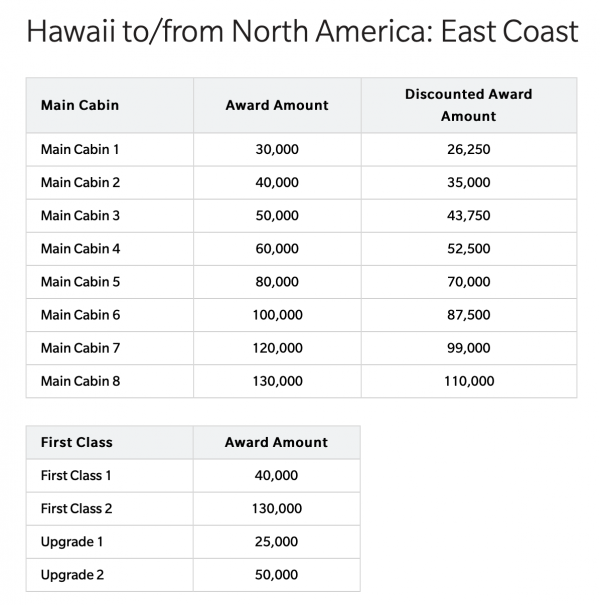
Generally, you can expect round-trip economy flights from the West Coast to range from $300-$600 during off-peak/shoulder seasons and $600-$900+ during peak times. From the East Coast or Midwest, these figures can jump to $600-$900 off-peak and $900-$1,500+ during peak season. First-class and business-class tickets will, of course, be significantly higher, often ranging from $1,500 to $5,000+ depending on the airline and cabin class.
Navigating Airlines and Departure Cities
The choice of airline and your departure city are foundational to securing a good flight deal. Understanding which carriers fly where and how different airports compete can give you a significant advantage.
Major Airlines and Their Offerings
A variety of airlines serve the Hawaiian Islands, each with its own pricing structure, service level, and route network.
- Hawaiian Airlines: As the flag carrier of Hawaii, Hawaiian Airlines offers a comprehensive network from the US mainland, particularly from West Coast cities, as well as extensive inter-island flights. They are known for their warm Hawaiian hospitality, complimentary meals, and inflight entertainment showcasing Hawaiian culture. Their prices are often competitive, especially when booked in advance.
- Major US Carriers: United Airlines, Delta Air Lines, and American Airlines all offer numerous daily flights to Hawaii from their respective hubs across the United States. They typically offer a range of cabin classes from basic economy to first class. Their extensive route networks mean you can often find connections from almost anywhere in the US.
- Low-Cost Carriers: Southwest Airlines has become a popular option for budget-conscious travelers to Hawaii, especially from the West Coast. Known for its “two free checked bags” policy and flexible change options, Southwest can offer incredibly competitive fares. Alaska Airlines is another strong contender, particularly from West Coast cities, offering good value and service.
- International Carriers: For those traveling from outside the US, airlines like Japan Airlines, Korean Air, and Air Canada also fly to Honolulu, sometimes offering competitive fares depending on your origin.
When comparing airlines, always factor in hidden costs such as baggage fees, seat selection charges, and meal inclusions, as these can quickly add up and negate initial savings.
Departure Points and Their Impact on Price
The closer you are to a major airline hub with direct flights to Hawaii, the cheaper your flight is likely to be.
- West Coast Powerhouses: Cities like Los Angeles (LAX), San Francisco (SFO), Seattle (SEA), and Portland (PDX) consistently offer the most direct flights and the lowest fares. These are excellent jumping-off points.
- Southwest and Mountain West Hubs: Phoenix (PHX) and Denver (DIA) also offer competitive options, though fares might be slightly higher than those from the immediate West Coast.
- Midwest and East Coast Challenges: Travelers from cities like Chicago (ORD), New York (JFK or EWR), Atlanta (ATL), or Boston (BOS) will almost certainly face higher prices and require at least one layover, typically on the West Coast.
- Consider a “Two-Ticket” Strategy: If you’re far from a major West Coast hub, sometimes it can be cheaper to book a separate, budget flight to a West Coast city (like LAX or SFO) and then a separate flight from there to Hawaii. This requires careful planning to allow ample layover time and consideration of potential delays, but it can yield significant savings, especially for families.
Strategies for Scoring Cheaper Flights
Finding affordable flights to Hawaii requires a proactive approach and a willingness to be flexible. With the right strategies, you can turn a potentially expensive journey into a budget-friendly adventure.
Smart Booking Tactics
- Utilize Flight Comparison Websites: Websites like Google Flights, Skyscanner, Kayak, and Expedia are invaluable tools. They allow you to compare prices across multiple airlines and travel agencies, often displaying the cheapest dates around your desired travel window. Always check the airline’s official website directly as well, as sometimes they offer exclusive deals.
- Set Fare Alerts: Most flight comparison websites allow you to set up email alerts that notify you when prices for your desired route drop. This is a passive but effective way to track fluctuations and snatch a deal when it appears.
- Be Flexible with Dates and Airports: As mentioned, flying mid-week or during the shoulder seasons can save you hundreds. Also, consider flying into one Hawaiian airport and out of another if your itinerary allows, as this might open up cheaper options. For example, flying into Honolulu (Oahu) and departing from Kahului (Maui) after exploring both islands.
- Consider Basic Economy: While it comes with restrictions (no seat selection, often no checked bag, strict change policies), basic economy fares are the cheapest option for major carriers. If you’re traveling light and are comfortable with the limitations, it can be a significant money-saver.
- Browse in Incognito/Private Mode: Some theories suggest that travel websites can track your searches and potentially raise prices if you repeatedly look at the same route. While not definitively proven, browsing in incognito mode (which clears cookies) is a harmless precaution.
- Look for Package Deals: Sometimes, bundling your flight with hotel accommodation or a car rental through travel sites can offer a better overall price than booking each component separately. This is particularly true for longer stays or during off-peak times.
Beyond the Ticket: Budgeting for Your Hawaiian Escape
While airfare is a significant component, it’s crucial to remember that it’s just one part of your overall Hawaii travel budget. To truly understand the cost of your trip, consider these additional elements:
- Accommodation: Hawaii offers a wide range of accommodation options, from luxury resorts like the Grand Hyatt Kauai Resort & Spa or the Four Seasons Resort Maui at Wailea to budget-friendly boutique hotels, vacation rentals, and even hostels in Honolulu. Prices can range from $150-$250 per night for mid-range options to $500+ per night for high-end resorts. Booking well in advance, especially during peak season, is essential.
- Car Rental: A rental car is almost a necessity for exploring most Hawaiian Islands beyond Oahu’s Waikiki area. Prices vary greatly, often ranging from $50-$100+ per day, not including fuel and parking fees. Book this far in advance, as availability, especially for SUVs or minivans, can be limited.
- Food and Drink: Dining in Hawaii can be expensive. A casual meal might cost $20-$30 per person, while fine dining can easily exceed $100 per person. Budgeting for groceries, cooking some meals (if your accommodation allows), and seeking out local eateries and food trucks can help save money.
- Activities and Attractions: From surfing lessons at Waikiki Beach to a visit to Pearl Harbor or exploring Hawaii Volcanoes National Park, there are countless ways to experience the islands. Many natural wonders like hiking Diamond Head or driving the Road to Hana can be low-cost, while activities like luaus, snorkeling tours to Molokini, helicopter rides over the Na Pali Coast, or a visit to the Polynesian Cultural Center will add significantly to your budget.
- Inter-Island Flights: If you plan to visit multiple islands, factor in the cost of inter-island flights, typically ranging from $70-$150 per person, per segment, depending on the route and booking time. Hawaiian Airlines and Southwest Airlines operate these routes.
- Travel Insurance: While an added expense, travel insurance is a wise investment, especially for a significant trip like Hawaii. It can protect you against unexpected cancellations, medical emergencies, or lost luggage.
Expected Costs and What to Budget For
To give you a clearer picture, here’s a general breakdown of what to expect for a round-trip economy flight to Hawaii for a single person, acknowledging these are broad estimates.
- From West Coast Cities (e.g., Los Angeles, San Francisco, Seattle):
- Off-Peak/Shoulder Season: $300 – $600
- Peak Season: $600 – $900+
- From Midwest Cities (e.g., Chicago, Denver, Dallas):
- Off-Peak/Shoulder Season: $500 – $800
- Peak Season: $800 – $1,200+
- From East Coast Cities (e.g., New York, Boston, Miami):
- Off-Peak/Shoulder Season: $600 – $900
- Peak Season: $900 – $1,500+
These figures represent just the airfare. A realistic budget for a week-long trip to Hawaii for two people, covering flights, accommodation, car rental, food, and activities, could easily range from $4,000 – $8,000+, depending on your lifestyle choices (e.g., budget travel vs. luxury travel).
In conclusion, while the allure of Hawaii remains timeless, the cost of getting there is a dynamic variable. By understanding the factors that influence airfare, being strategic about when and how you book, and considering all aspects of your trip budget, you can significantly reduce the financial barrier to experiencing the magic of the Hawaiian Islands. Start monitoring prices early, remain flexible, and embrace the adventure of finding your perfect flight to paradise. Your unforgettable journey to the land of aloha awaits!
LifeOutOfTheBox is a participant in the Amazon Services LLC Associates Program, an affiliate advertising program designed to provide a means for sites to earn advertising fees by advertising and linking to Amazon.com. Amazon, the Amazon logo, AmazonSupply, and the AmazonSupply logo are trademarks of Amazon.com, Inc. or its affiliates. As an Amazon Associate we earn affiliate commissions from qualifying purchases.