
Texas – a land of vast open spaces, vibrant culture, rich history, and an undeniably independent spirit. From the bustling metropolitan hubs of Dallas and Houston to the artistic enclave of Austin and the historic charm of San Antonio, the Lone Star State offers an unparalleled array of experiences for every type of traveler. Whether you’re dreaming of a luxurious Gulf Coast escape in Galveston, an adventurous trek through Big Bend National Park, or considering a long-term stay that allows you to truly immerse yourself in local culture and lifestyle, understanding the financial landscape is key. One of the most significant aspects of this landscape, often overlooked by visitors but crucial for anyone considering a longer engagement with the state, is property taxes.
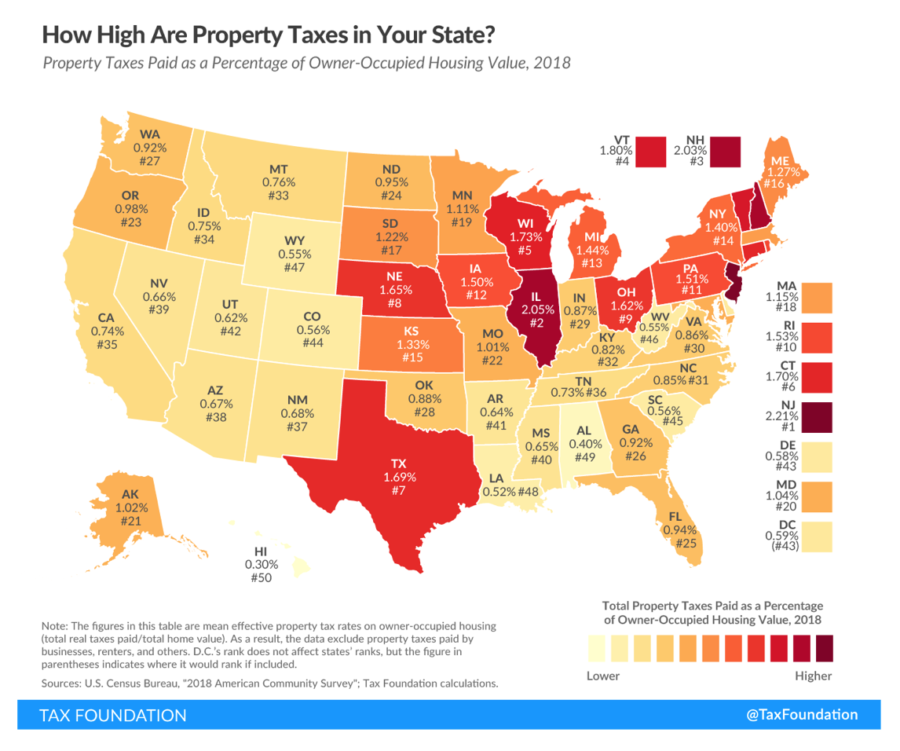
While Texas is famous for its lack of a state income tax, it more than makes up for it with what can be considered some of the highest property taxes in the United States. This isn’t just a concern for long-term residents or those looking to invest in a vacation home or rental property; it subtly influences everything from the cost of accommodation to the development of new resorts and the overall economic vitality that shapes your travel experiences. For those planning an extended stay, weighing the cost of a rental apartment versus a potential property purchase, or even for entrepreneurs eyeing the burgeoning tourism market, grasping the intricacies of Texas property taxes is indispensable. This guide aims to demystify the system, offering insights relevant to travelers, lifestyle seekers, and potential investors alike, ensuring you can navigate the state’s financial waters with confidence and fully enjoy all that Texas has to offer.
Understanding the Texas Property Tax Landscape: More Than Just a Number
The property tax system in Texas operates differently from many other states, primarily due to the absence of a statewide income tax. This structural difference means that local services – schools, municipal infrastructure, county operations, and emergency services – are heavily funded by property taxes. For someone considering a move, a long-term rental, or even investing in a property that might serve as an Airbnb or a future retirement home, this is a critical piece of information. The “sticker shock” of property taxes can often overshadow the benefit of no state income tax, making it vital to understand how these figures are derived and what they truly entail for your budget and lifestyle aspirations. The rates vary dramatically depending on the specific location, influenced by everything from the quality of local school districts to the level of municipal services provided. This variability means that two seemingly similar properties in neighboring communities could have vastly different tax bills, directly impacting the profitability of an investment property or the affordability of a dream vacation home.
The “No State Income Tax” Trade-off: A Key to Texas Lifestyle and Budgeting
The allure of living or investing in Texas is often tied to its favorable tax climate, particularly the absence of a state income tax. This is a significant draw for individuals and businesses alike, promising more take-home pay or greater profit margins. However, this widely celebrated benefit comes with a crucial trade-off: higher property taxes. Property taxes are the primary source of revenue for local governments and school districts, meaning they bear a heavy load in funding essential public services.
For travelers considering a longer-term stay or even digital nomads thinking about setting up a temporary base, understanding this dynamic is essential. While you might save on state income tax, the cost of accommodation, whether owned or rented, will implicitly or explicitly reflect these higher property tax burdens. Rental prices, for instance, are often influenced by the landlord’s property tax obligations. For those dreaming of owning a piece of the Lone Star State, perhaps a charming bungalow in San Antonio or a modern condo in Austin, the property tax bill will be a recurring and substantial expense, necessitating careful financial planning. This balance between no state income tax and higher property taxes defines a significant aspect of the Texas lifestyle and budgeting, making it unique among U.S. states.
How Property Values are Assessed and What it Means for Your Stay
In Texas, property taxes are calculated based on the assessed value of your property and the combined tax rates set by various local taxing units (e.g., city, county, school district, special districts). The assessment process is managed by county appraisal districts, which are responsible for determining the market value of properties annually. This market value is essentially what a property would sell for on January 1st of that year.
For anyone looking into long-term accommodation or investment, understanding this assessment process is paramount. The assessed value isn’t static; it can change each year based on market conditions, property improvements, and local economic growth – factors particularly relevant in rapidly developing areas like Austin or Dallas, where real estate values have seen significant appreciation. A higher assessed value directly translates to a higher tax bill, even if the tax rate remains constant.
This has direct implications for various aspects of the travel and accommodation industry. For instance, the escalating property values in popular tourist destinations might lead to higher operational costs for hotels and resorts, which could, in turn, influence room rates. For individuals seeking to purchase a vacation rental or a second home, the initial purchase price is just one part of the equation; the ongoing property tax liability, driven by these assessments, can significantly impact the overall cost of ownership and the return on investment. Even for those renting, the landlord’s tax burden can indirectly affect rental prices. Therefore, when evaluating destinations for travel, potential relocation, or investment, it’s crucial to research not only current property values but also the trends in assessments in specific areas, as they profoundly shape the cost of engaging with the Texas market.
Navigating Property Taxes in Key Texan Destinations for Travelers and Investors
Texas is a state of immense geographical and cultural diversity, and this variety extends to its property tax landscape. The property tax rates and overall values can fluctuate significantly from one region to another, making it essential for travelers, potential residents, and investors to understand the local nuances. What might be an affordable lifestyle in a charming small town could be financially challenging in a booming urban center. This section explores how property taxes manifest in some of the most popular destinations within the Lone Star State, offering a clearer picture for anyone planning a trip, considering an extended stay, or looking to purchase property. Whether your interest lies in bustling city life, tranquil coastal retreats, or quiet rural experiences, property taxes will invariably play a role in your financial considerations, influencing everything from the cost of a luxury suite to the feasibility of a long-term rental income.
Urban Hotspots: Austin, Dallas, Houston, and San Antonio
Texas’s major urban centers are magnets for tourism, business, and new residents, each offering a distinct vibe and a myriad of attractions. However, these vibrant hubs also come with some of the state’s highest property tax burdens, a factor deeply intertwined with their economic dynamism and the demand for premium services.
- Austin: The Capital City’s Costs. Known as the “Live Music Capital of the World,” Austin is a hub of innovation, culture, and outdoor activities. Its rapid growth and desirability have led to some of the highest property values in the state. Consequently, property tax bills in Austin and surrounding Travis County are substantial. For investors eyeing vacation rentals or boutique hotels, the potential for high rental income is often offset by the significant upfront investment and ongoing tax liabilities. For individuals considering a long-term stay, the cost of living, heavily influenced by housing and property taxes, must be carefully weighed against the city’s unparalleled lifestyle offerings.
- Dallas: Metropolitan Grandeur. As a major financial and cultural center, Dallas boasts a skyline of architectural marvels, world-class dining, and luxury accommodations. Property values here are robust, particularly in upscale neighborhoods and the burgeoning arts districts. While Dallas doesn’t have a city income tax, property taxes, combined with other local assessments, contribute to a notable cost of property ownership. For those looking to invest in apartment complexes, hotels, or high-end residential properties for rental income, the robust local economy provides opportunities, but the property tax component is a significant ongoing expense that must be factored into profitability calculations.
- Houston: Energy Capital and Global City. Houston is a sprawling, diverse metropolis, a global leader in the energy industry, and home to the Johnson Space Center. Its expansive geography means property values and tax rates can vary widely even within the city limits. Generally, Houston property taxes are competitive with Dallas and Austin, with some areas experiencing rapid appreciation. The sheer volume of diverse accommodation options, from budget-friendly hotels near the Medical Center to luxury apartments in the Galleria area, makes it an attractive market for various types of investment. Understanding the specific taxing entities within each neighborhood is crucial for accurate financial forecasting.
- San Antonio: Historic Charm Meets Modern Growth. Rich in history with iconic landmarks like The Alamo and the Riverwalk, San Antonio offers a unique blend of historical tourism and modern amenities. Property values here have historically been more moderate compared to Austin or Dallas, making it an appealing option for those seeking a vibrant city lifestyle with potentially lower property tax burdens. This can translate into more accessible investment opportunities for vacation rentals targeting tourists exploring its historic sites, or for those seeking more affordable long-term accommodation. Nevertheless, growth areas are seeing an uptick in values and corresponding tax increases.

Across these urban centers, the lifestyle implications are clear: while the absence of state income tax offers a distinct advantage, the high property tax rates demand careful budgeting for homeowners and shrewd calculations for real estate investors. The choice of location within these cities can significantly impact your financial outlay, influencing your ability to enjoy the luxury travel experiences or budget-friendly stays that the Lone Star State provides.
Coastal Escapes and Rural Retreats: Galveston and Beyond
Beyond the bustling cities, Texas offers a diverse tapestry of landscapes, from the sandy beaches of its Gulf Coast to the serene tranquility of its rural heartland. Property tax considerations in these areas present a different set of opportunities and challenges for travelers seeking unique experiences and investors eyeing niche markets.
- Galveston and the Gulf Coast Beaches: Galveston Island is a historic resort town offering Victorian architecture, beautiful beaches, and a vibrant tourism scene. Other popular Gulf Coast destinations include Port Aransas and South Padre Island, all known for their vacation homes, condominiums, and rental properties. Property values in these coastal areas are often driven by proximity to the beach, views, and seasonal demand. While the allure of owning a beach house for personal use or as a lucrative short-term rental is strong, investors must contend with specific financial factors:
- Higher Insurance Costs: Beyond property taxes, coastal properties often incur higher insurance premiums for flood and hurricane coverage, which are significant additional expenses.
- Seasonal Fluctuations: While rental income can be substantial during peak seasons, off-season occupancy might be lower, requiring careful financial modeling to ensure profitability, especially when factoring in consistent property tax bills.
- Specific Taxing Districts: Coastal regions often have additional special taxing districts for things like beach maintenance, flood control, or tourism promotion, which add to the overall property tax burden.
- Rural Retreats and Small Towns: Venturing into the vast rural expanses of Texas unveils a different property tax landscape. Small towns and unincorporated areas often boast significantly lower property values and, consequently, lower property tax bills compared to their urban counterparts. This can make owning a sprawling ranch, a quaint farmhouse, or a charming B&B a more financially accessible dream.
- Lower Values, but Variable Rates: While the assessed value of properties might be lower, it’s still crucial to investigate the local tax rates. Small communities might have specific bonds or initiatives that result in surprisingly high rates on relatively low property values.
- Agricultural Exemptions: For larger rural properties used for farming or ranching, Texas offers significant agricultural exemptions that can drastically reduce the taxable value of the land, making large landholdings more manageable from a tax perspective. This is a crucial consideration for those looking to embrace a ranching lifestyle or invest in agricultural tourism.
- Limited Services: Lower taxes in rural areas often correlate with fewer public services. This is a lifestyle trade-off that potential residents or investors must consider.
For travelers seeking unique accommodation experiences – from a rustic cabin near Big Bend National Park to a quaint guesthouse in the Texas Hill Country – understanding these regional tax variations helps in budgeting for long-term stays or even just appreciating the economic forces that shape the local accommodation market. For investors, these diverse markets offer opportunities ranging from high-yield, high-cost coastal rentals to lower-cost, potentially slower-growth rural properties, each with its own property tax profile dictating financial viability.
Strategies for Managing Property Tax Costs in the Lone Star State
Understanding how property taxes are calculated and where they are highest is just the first step. For anyone considering a deeper engagement with Texas – whether through a long-term relocation, the purchase of a vacation home, or investment in rental properties – it’s equally important to know the strategies available for managing these costs. While property taxes are an unavoidable part of property ownership in the Lone Star State, there are mechanisms and resources designed to help mitigate their impact, particularly for permanent residents. Being proactive and informed can lead to significant savings and a more sustainable financial plan for your Texas adventure.
Homestead Exemptions: A Boon for Permanent Residents
One of the most significant benefits for Texas homeowners is the homestead exemption. This exemption reduces the taxable value of a primary residence, thereby lowering the annual property tax bill. It’s a crucial tool for making homeownership more affordable for permanent residents.
- Eligibility: To qualify, the property must be your principal residence on January 1st of the tax year, and you must occupy it as such. You can only claim one homestead exemption.
- Types of Exemptions:
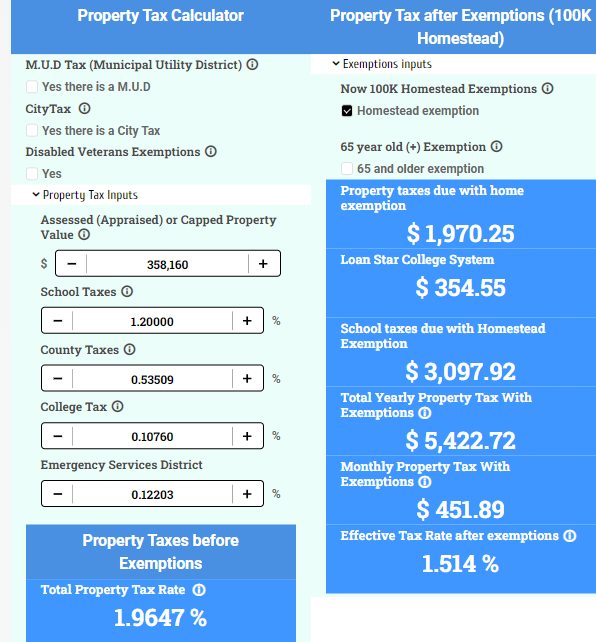
- General Residence Homestead Exemption: All homeowners can apply for a basic exemption from their school district taxes, and potentially from county, city, and special district taxes as well. The amount can vary, with the school district exemption being a statewide minimum of $100,000 as of recent changes.
- Over-65 or Disabled Person Exemption: Individuals who are 65 or older or are disabled qualify for additional exemptions from school district taxes, and potentially from other taxing units. This provides significant relief, often freezing the school district tax amount for seniors, regardless of value increases.
- Impact on Lifestyle and Investment: For those considering a long-term stay or full relocation to Texas, securing a homestead exemption is paramount. It can dramatically reduce your annual property tax liability, making homeownership more accessible and improving your overall quality of life. For investors, it’s important to note that a homestead exemption generally applies only to a primary residence, meaning investment properties or vacation homes typically do not qualify, a key factor in calculating their potential returns. This distinction can significantly sway decisions about whether to convert a property into a full-time residence or keep it as an income-generating asset.
Understanding Tax Rates and Appraisal Districts
The property tax bill you receive is a product of your property’s assessed value multiplied by the various tax rates applicable to your specific location. Each taxing unit – the city, county, school district, and any special districts (e.g., hospital districts, junior college districts, utility districts) – sets its own tax rate. These rates are usually expressed per $100 of assessed value (e.g., $2.50 per $100 valuation).
- Appraisal Districts: Each county in Texas has an appraisal district responsible for appraising all taxable property within the county. These districts are independent of the taxing units and aim to appraise properties at market value.
- Taxing Units: Local governmental bodies, such as city councils, county commissioners’ courts, and school boards, determine their specific tax rates annually. These rates are set based on their budgetary needs and public hearings.
- Implications for Travel and Accommodation: For individuals or businesses looking to invest in hotels, short-term rentals, or long-term accommodation properties, researching the specific tax rates of all relevant taxing units in a chosen area is critical. A property in a desirable school district might command higher property values, and thus higher taxes, even if the building itself is similar to one in a different district. Understanding these localized rates is essential for accurate financial projections and for choosing the most financially viable location for your investment or long-term stay. The combined effect of these multiple rates can result in a total tax rate that, when applied to a high property value, leads to a substantial annual tax bill.
The Appeals Process and Resources for Travelers and Owners
While property taxes in Texas can be high, property owners are not without recourse. If you believe your property’s appraised value is incorrect or inequitable compared to similar properties, you have the right to protest it.
- The Protest Process: Annually, appraisal districts send out notices of appraised value. If you disagree with the value, you can file a protest with the Appraisal Review Board (ARB) – an independent board that resolves disputes between taxpayers and the appraisal district. This typically involves submitting evidence to support a lower valuation.
- Common Grounds for Protest:
- Value is too high: Your property is appraised for more than it would sell for on the open market.
- Unequal Appraisal: Your property is appraised higher than comparable properties in your neighborhood.
- Errors in Data: The appraisal district has incorrect information about your property (e.g., square footage, number of rooms, condition).
- Resources for Information: For anyone considering purchasing property or even just understanding the local economic environment, official resources are invaluable. The Texas Comptroller of Public Accounts website offers comprehensive information on property tax basics, exemptions, and the protest process. Each county appraisal district also maintains its own website with property search tools, protest forms, and specific local guidelines. Utilizing these resources can empower prospective residents and investors to make informed decisions and potentially save a significant amount on their annual tax bills. For a traveler simply curious about the local economy or the cost of living in a place they might love for an extended stay, these resources provide a transparent look into a fundamental aspect of the Texas financial landscape.
In conclusion, property taxes in Texas are a multifaceted topic that impacts everything from the cost of living and the profitability of real estate investments to the overall economic development that shapes travel and tourism experiences. While the state offers the significant advantage of no state income tax, its reliance on property taxes for local funding means that these rates are generally higher than the national average. For a traveler exploring the vibrant cities like Austin, Dallas, Houston, or San Antonio, or dreaming of a coastal retreat in Galveston, understanding these financial underpinnings is crucial.
For those considering a long-term stay, investing in a vacation home, or even moving to the Lone Star State, strategizing around property taxes is paramount. Leveraging homestead exemptions, meticulously researching local tax rates in specific appraisal districts, and being prepared to navigate the appeals process can lead to significant savings and a more manageable financial outlook. Texas offers an incredible diversity of experiences and lifestyles, from luxury travel to budget-conscious adventures. By understanding and proactively managing its property tax landscape, you can ensure that your journey through this magnificent state, whether for a short visit or a permanent stay, is as financially smooth and enjoyable as possible, allowing you to fully immerse yourself in its unique charm and hospitality.