
California, the Golden State, beckons millions of travelers each year with its diverse landscapes, iconic landmarks, and vibrant culture. From the sun-drenched beaches of Santa Monica and Laguna Beach to the towering redwoods of the north, the glitz of Hollywood, and the serene beauty of Yosemite National Park, it offers an unparalleled array of experiences. Whether you’re planning a short-term vacation, considering a long-term stay, or even dreaming of a permanent move, understanding the cost of living and, more specifically, the tax landscape, is crucial for savvy budgeting and an enjoyable lifestyle. While the allure of California is undeniable, its reputation for being a high-tax state often raises questions for potential visitors and residents alike. This guide aims to demystify the various taxes you’re likely to encounter, providing a clear picture of how they can impact your travel budget, accommodation choices, and overall experience in this captivating corner of the United States.
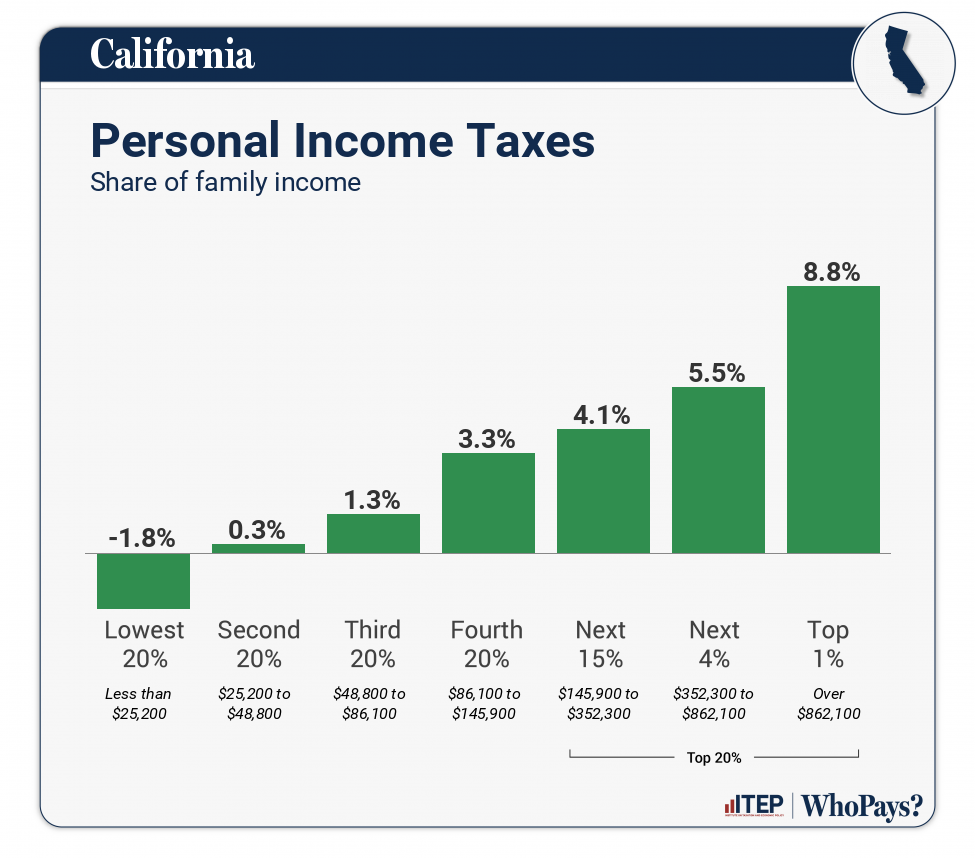
For those embarking on a memorable road trip along Highway 1 through Big Sur, a weekend getaway in Napa Valley, or an extended stay in Los Angeles or San Francisco, knowing what to expect in terms of sales tax on purchases, lodging taxes on your hotel room, and even the fuel taxes at the pump, can make all the difference. Beyond the immediate costs for tourists, prospective long-term residents or those considering relocating for work in Silicon Valley or the entertainment industry will need to delve deeper into income and property taxes to fully grasp the financial implications of embracing the California lifestyle.
Understanding California’s Tax Landscape for Travelers and Tourists
For most visitors to California, the primary taxes they will encounter are those related to consumption and accommodation. These are often the most straightforward to understand and plan for, yet they can significantly add to your overall travel expenses if not properly accounted for. From picking up souvenirs to dining out or booking your dream hotel, various taxes will subtly influence your final bill.
Navigating Sales Tax on Souvenirs and Experiences
One of the most common taxes you’ll encounter in California is the sales tax. This tax is levied on the sale of most goods and some services. The statewide base sales tax rate in California is 7.25%. However, it’s crucial to understand that local jurisdictions – counties and cities – can add their own district taxes on top of this state rate. This means the actual sales tax rate you pay can vary significantly depending on where you are shopping. For instance, while the base rate is 7.25%, in some cities, the combined sales tax rate can climb as high as 10.75% or even slightly higher in specific districts.
What does this mean for your California adventure? Any purchases you make, from a souvenir t-shirt at Disneyland or Universal Studios Hollywood to groceries (excluding most unprepared foods), clothing, electronics, and even some restaurant meals, will be subject to sales tax. If you’re planning a shopping spree on Rodeo Drive in Beverly Hills or exploring the unique boutiques of San Francisco’s Haight-Ashbury, remember to factor in this additional percentage. A $100 purchase could easily become $107.25 or more, depending on your location. Savvy travelers often factor an extra 8-10% into their budget for discretionary spending on goods and services to avoid surprises.
Hotel and Lodging Taxes: A Key Accommodation Cost
For anyone visiting California, accommodation is often one of the largest expenses, and lodging taxes can significantly increase the final price of your stay. When you book a hotel, motel, resort, vacation rental, or even a short-term apartment, you will almost certainly be charged a Transient Occupancy Tax (TOT), often referred to as a hotel tax or lodging tax. Like sales tax, this is levied at the local level, meaning the rate varies widely from city to city and county to county.
Cities like Los Angeles and San Francisco are known for having some of the higher hotel tax rates in the state, often ranging from 14% to 16%. In San Francisco, for example, the combined hotel tax rate can reach 14%. In Anaheim, home to Disneyland, the rate is also substantial. Smaller towns and less tourist-heavy areas might have lower rates, but it’s rare to find a place without a TOT. These taxes are typically calculated on the nightly room rate, before any additional resort fees or other charges are added, but the final total can still be a significant portion of your bill.
For a luxury hotel stay in Palm Springs or San Diego, where room rates can easily exceed $300-$500 per night, an additional 14-16% can add $40-$80 or more per night to your expenses. This is a critical factor for budget travelers seeking affordable accommodation and for luxury travelers aiming to understand the full cost of their opulent experience. Always check the total price, including all taxes and fees, before confirming your booking, whether through a major chain like Marriott or Hilton, or an independent boutique hotel.
Rental Car and Gasoline Taxes for Your California Road Trip
Exploring California’s vast and scenic landscape often involves renting a car, which introduces another set of taxes and fees to consider. Beyond the base rental rate, you’ll encounter several charges:
- Sales Tax: The base rental car fee is subject to California sales tax, which, as mentioned, varies by location.
- Tourism Fees/Surcharges: Many rental car agreements include various state or local surcharges often labeled as “tourism fees” or “airport concession fees” if you pick up at a major hub like Los Angeles International Airport (LAX) or San Francisco International Airport (SFO). These can add another 10-15% or more to your daily rate.
- Vehicle License Fees: A small daily fee to cover the cost of vehicle registration and licensing.
These additional charges can significantly inflate the advertised rental car price, sometimes by 20-30% once all taxes and fees are combined. Always request a full breakdown of charges when booking.
Then there’s the cost of fuel. California consistently has some of the highest gasoline prices in the United States, and a significant portion of this is due to various state and federal taxes. California levies a high excise tax on gasoline, which is adjusted periodically (currently over $0.50 per gallon for gasoline and even higher for diesel), alongside federal excise taxes and state sales tax applied to fuel. These taxes are used to fund road maintenance and infrastructure projects, which, while beneficial for the state’s sprawling highway system, translate to higher costs at the pump.
If you’re planning a scenic drive along the Pacific Coast Highway from Monterey to Santa Barbara, or an epic journey to Lake Tahoe or Death Valley National Park, prepare for fuel costs that could be significantly higher than what you might be used to in other states or countries. Budgeting an extra $0.75 to $1.00 per gallon above the national average is a prudent approach for your California road trip.
Beyond the Short Stay: Taxes for Longer-Term Residents and Lifestyle Choices
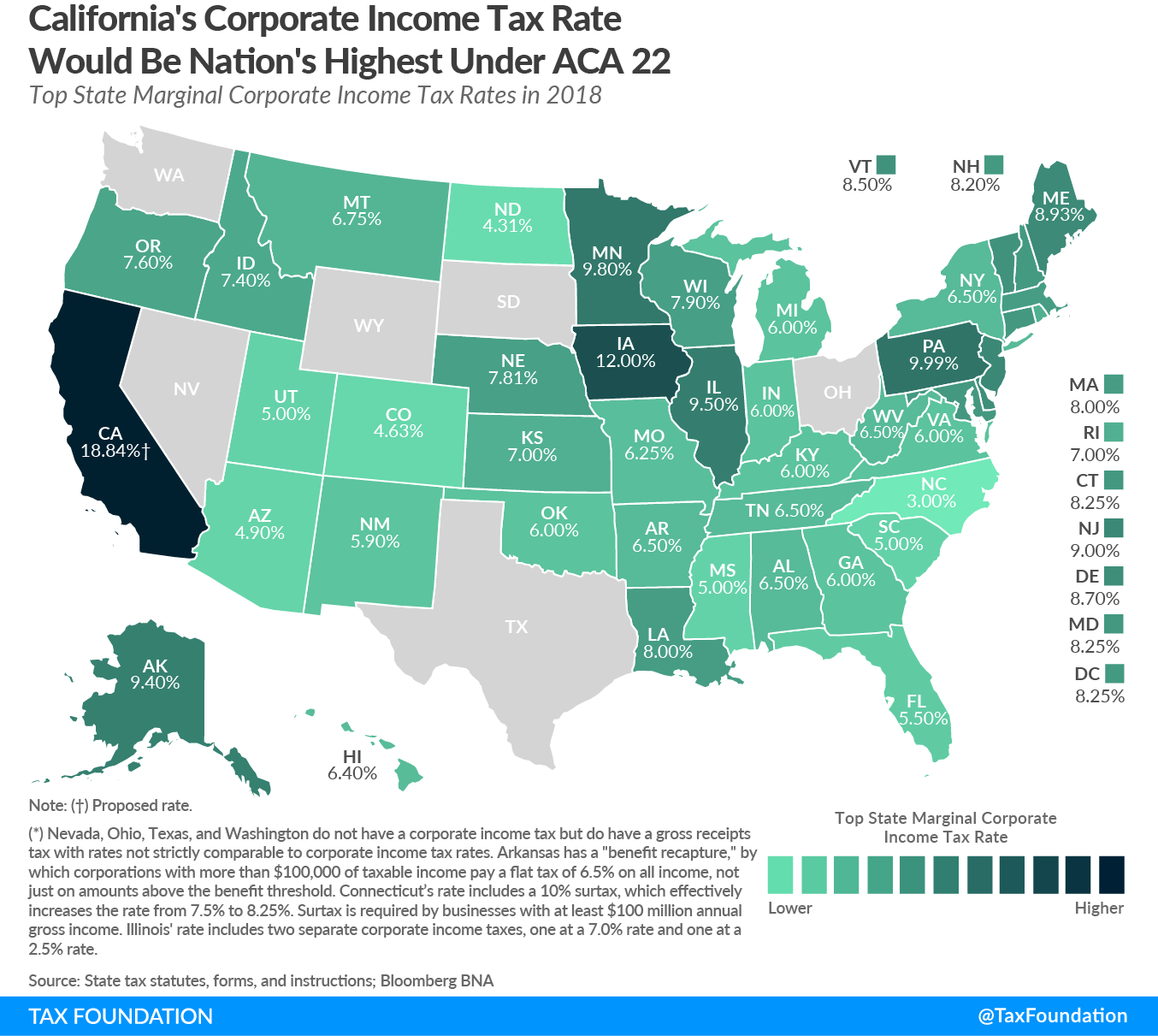
For those captivated by California and considering a more extended stay, perhaps as a remote worker enjoying the Orange County sunshine or a new resident drawn to the innovation of Silicon Valley, understanding income and property taxes becomes paramount. These taxes represent a more substantial and ongoing financial commitment, directly influencing long-term budgeting and lifestyle planning.
California Income Tax: What Remote Workers and New Residents Should Know
California is known for having one of the most progressive income tax systems in the United States, with rates that can be among the highest in the nation, particularly for high earners. The state income tax is levied on all income earned by California residents, regardless of where it was earned, and on income earned from California sources by non-residents.
The income tax system uses a progressive structure with multiple tax brackets. As of recent years, marginal tax rates range from 1% for the lowest earners to 12.3% for individuals earning above a certain threshold (which adjusts annually for inflation). There’s also an additional 1% surcharge for taxable incomes over $1 million, often referred to as the “millionaire’s tax,” bringing the top marginal rate to 13.3%. This applies to wages, salaries, business profits, investment income, and most other forms of income.
For individuals relocating to California or engaging in long-term work, especially in lucrative fields like tech in San Jose or entertainment in Los Angeles, these high marginal rates can significantly impact disposable income. It’s not uncommon for high-income earners to face a combined federal and state marginal income tax rate approaching 50% or more. This is a critical consideration for anyone evaluating the financial feasibility of living and working in the state, impacting everything from savings to the ability to afford a luxury lifestyle or even just a comfortable family trip. Understanding your tax bracket and consulting with a tax professional can help you navigate these complexities and plan your finances effectively.
Property Taxes and the Dream of California Homeownership
For those whose California dreams extend to homeownership, property taxes are another significant financial factor. While California real estate is famously expensive, the state’s property tax system, largely governed by Proposition 13, actually caps the base property tax rate at 1% of the assessed value. This base value is typically the purchase price of the home and can only increase by a maximum of 2% per year, regardless of how much the market value appreciates, until the property is sold. When a property is sold, it is reassessed at its new sale price.
However, in addition to the 1% base rate, property owners also pay for local bonds and special assessments, which are added on top of the base rate. These additional levies vary by county and specific jurisdiction, often adding another 0.25% to 0.5% or more to the overall property tax bill. This means the effective property tax rate in many parts of California typically ranges from 1.1% to 1.5% of the assessed value.
Given the high home values in popular areas like San Francisco, Los Angeles, San Diego, and Santa Barbara, even these seemingly modest percentages can translate into substantial annual tax payments. A home valued at $1 million, for example, could incur annual property taxes of $11,000 to $15,000 or more. This makes property taxes a major ongoing expense for homeowners and a crucial consideration for anyone planning to purchase real estate, whether for personal use or as a long-term investment. The stability offered by Proposition 13’s 2% annual cap on assessed value increases is a benefit, but the initial purchase price sets a high baseline for tax calculations.
Regional Variations and Smart Budgeting in the Golden State
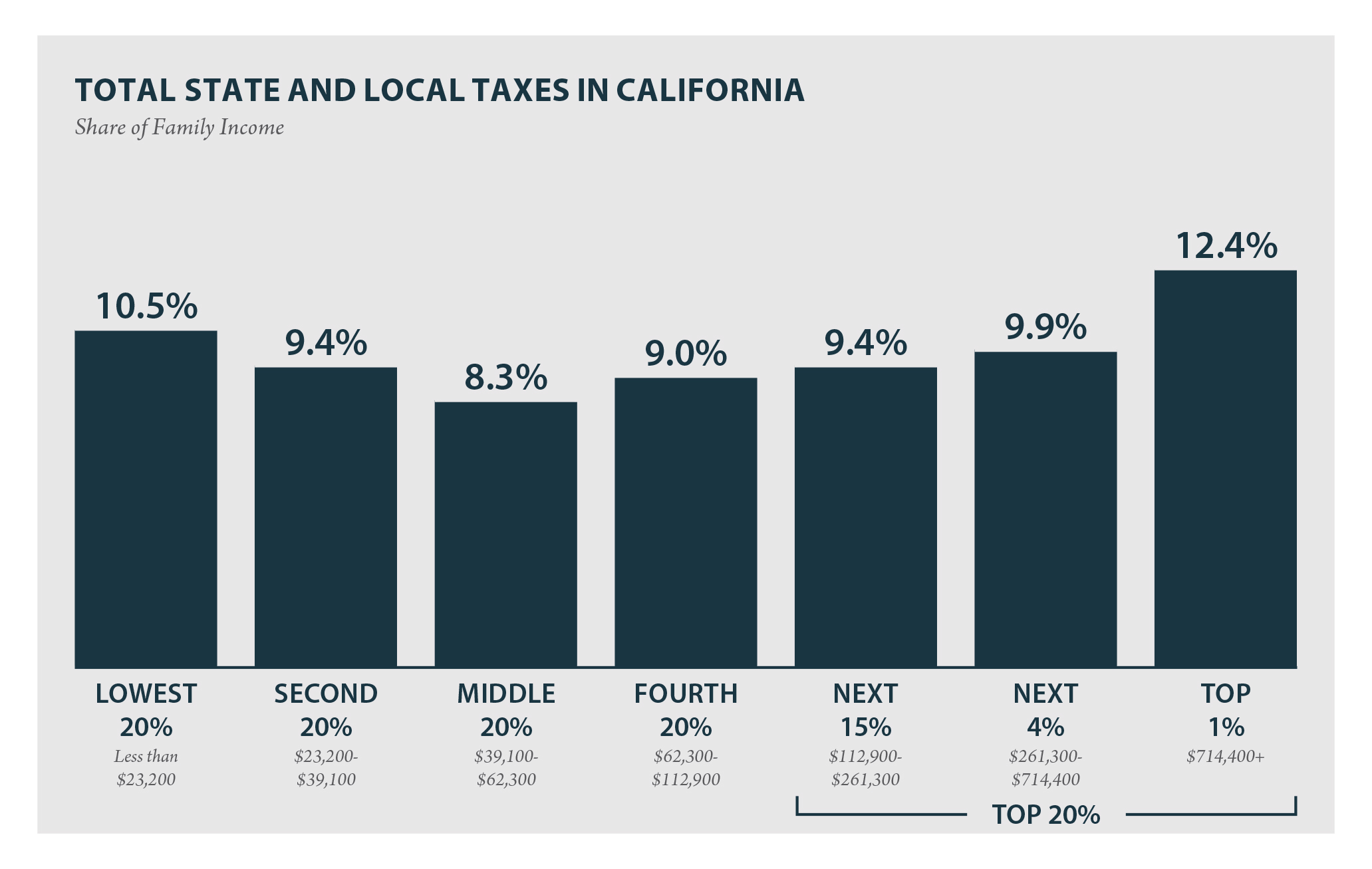
The overall cost of visiting or living in California is heavily influenced by taxes, and understanding how these taxes vary geographically can lead to more informed decisions, whether you’re planning a budget-conscious trip or a luxurious long-term stay.
How Local Taxes Can Impact Your California Adventure
As highlighted earlier, the base state sales tax is 7.25%, but local rates can push it much higher. For example, a purchase in Alameda County or San Francisco might incur a sales tax nearing 9-10%, while a similar purchase in a rural county could be closer to the base rate. This is particularly relevant for major purchases or for sustained spending over a long trip.
Similarly, hotel taxes show significant regional disparity. While major metropolitan areas like Los Angeles, San Francisco, and Anaheim often impose rates between 14% and 17%, charming coastal towns like Carmel-by-the-Sea or historic cities like Sacramento might have slightly lower, but still substantial, rates. These local variations mean that choosing your destination and specific accommodations wisely can lead to noticeable savings on your travel budget. For example, staying just outside a major city in a neighboring town might offer a slightly lower hotel tax rate, even if it adds a few minutes to your commute to attractions like the Golden Gate Bridge or Griffith Observatory.
Beyond general sales and lodging taxes, some localities may have specific tourism-related assessments or special district taxes for things like convention centers or cultural initiatives. While usually smaller, these can add up. For long-term residents, property tax rates, while having a statewide cap, also feature local add-ons for school bonds, fire districts, and other services, meaning two identically priced homes in different counties could have slightly different annual tax bills.
Practical Tips for Budgeting Your California Trip with Taxes in Mind
Planning is key to enjoying California without breaking the bank due to unexpected taxes. Here are some practical tips:
- Research Local Rates: Before you book accommodation or plan major purchases, look up the specific sales and hotel tax rates for the cities you plan to visit. Most city and county government websites provide this information readily.
- Factor Taxes into Your Daily Budget: Don’t just budget for the sticker price of meals, souvenirs, or activities. Add an estimated 8-10% for sales tax on goods and 14-16% on accommodation to get a more realistic daily spend.
- Consider Accommodation Alternatives: For longer stays, look into serviced apartments or extended-stay hotels, which might sometimes have different tax structures or long-term rental agreements that could reduce your overall lodging tax burden compared to nightly hotel stays. However, always verify this directly with the provider.
- Fuel Efficiency Matters: Given California’s high gas taxes, opting for a fuel-efficient rental car or planning your itinerary to minimize excessive driving can help manage transportation costs.
- Look for All-Inclusive Pricing: When comparing flights, hotels, or rental cars, always compare the total price, including all taxes and fees, not just the base rate. Many online travel agencies display this upfront.
- Shop Smart: If you have major purchases in mind, consider if there are any areas on your itinerary with slightly lower combined sales tax rates, though the difference is often marginal and might not outweigh the convenience of shopping where you are.
While California’s tax structure might appear complex and, at times, high, it supports the state’s extensive public services, world-class infrastructure, and environmental initiatives that contribute to its appeal. From well-maintained roads perfect for scenic drives to beautiful state parks and robust emergency services, these taxes contribute to the overall quality of life and the exceptional experiences available to visitors and residents alike.
In conclusion, the question of “How Much Are Taxes In California?” doesn’t have a single, simple answer. It depends heavily on your activities, where you go, and how long you stay. For short-term tourists, sales tax, hotel tax, and fuel tax will be the most relevant. For those considering a deeper dive into the California lifestyle, income and property taxes become significant factors. By being informed and budgeting wisely, you can fully embrace all that the Golden State has to offer, from a thrilling theme park experience to a serene retreat in Yosemite. Knowing the tax landscape ensures that your California dream remains a financial reality.
LifeOutOfTheBox is a participant in the Amazon Services LLC Associates Program, an affiliate advertising program designed to provide a means for sites to earn advertising fees by advertising and linking to Amazon.com. Amazon, the Amazon logo, AmazonSupply, and the AmazonSupply logo are trademarks of Amazon.com, Inc. or its affiliates. As an Amazon Associate we earn affiliate commissions from qualifying purchases.