
When planning a trip to the Lone Star State, understanding the tax landscape is a crucial aspect of budgeting and a key element in fully appreciating the diverse experiences Texas has to offer. While the allure of vast landscapes, vibrant cities, and rich cultural heritage draws millions of visitors annually, knowing how taxes impact your travel expenses can significantly enhance your trip. This exploration delves into the various taxes you’re likely to encounter in Texas, from sales tax on everyday purchases to the often-overlooked hotel occupancy taxes, providing a comprehensive guide for the discerning traveler. Our focus is on how these taxes contribute to the unique character and offerings of Texas tourism, touching upon everything from the booking of a luxurious suite in Austin to savoring local delicacies in San Antonio.
Understanding Texas Sales Tax: More Than Just a Percentage
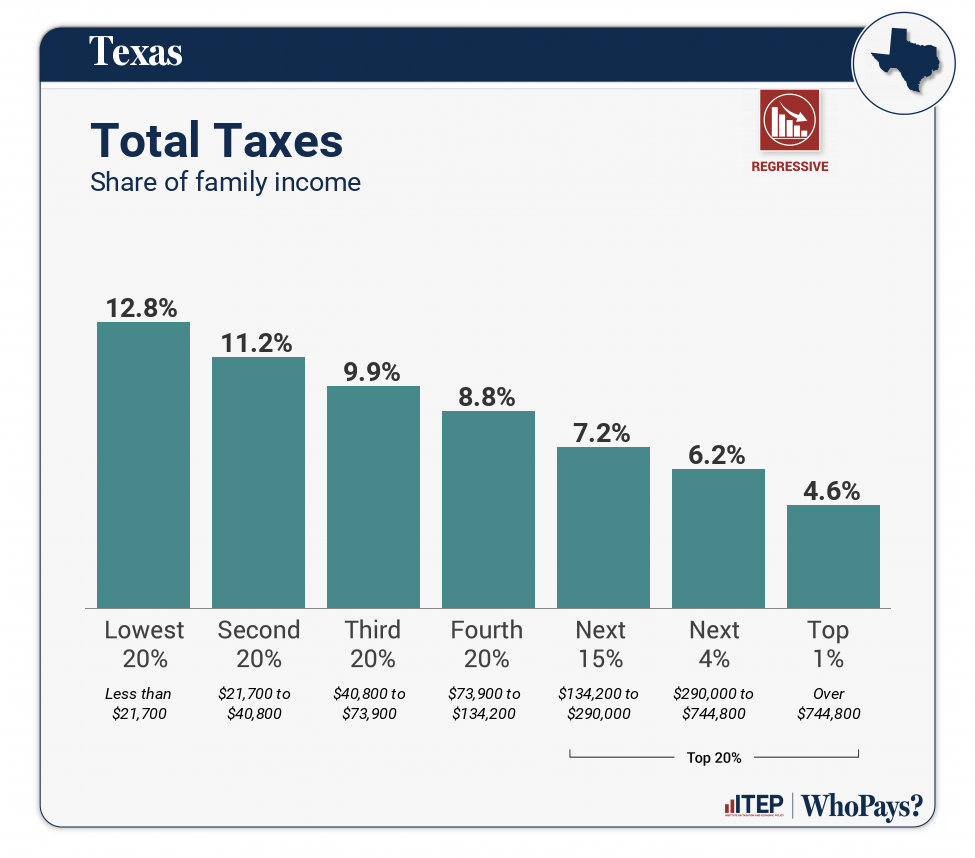
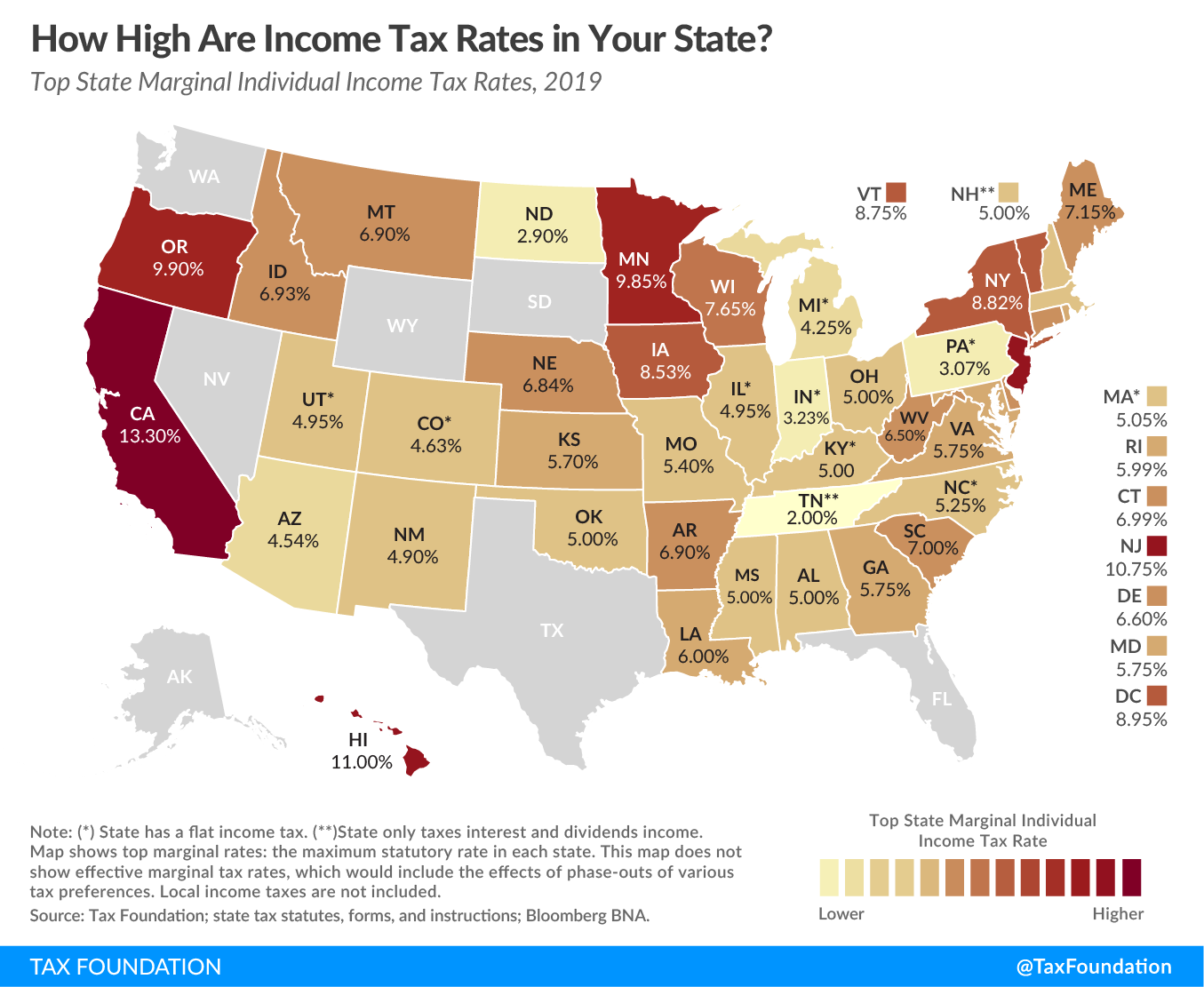
Texas is known for its absence of a state income tax, a fact that often appeals to residents and businesses alike. However, this fiscal structure means that revenue generation relies more heavily on sales taxes. For travelers, this translates into a sales tax applied to a wide array of goods and services, making it an integral part of the overall cost of your journey.
The State and Local Sales Tax Blend
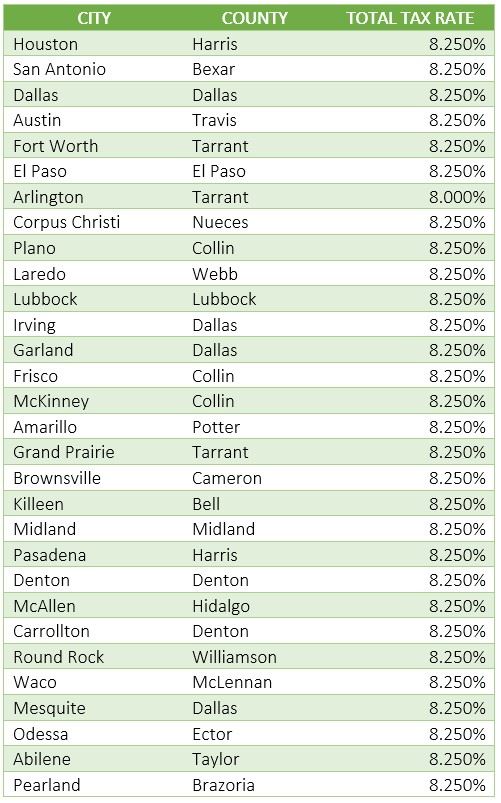
The sales tax you pay in Texas is not a monolithic figure; it’s a combination of a state sales tax and local additions, which can include city and county taxes, as well as special district taxes. The standard state sales tax rate in Texas is 6.25%. However, this rate is rarely the final figure you’ll see at the checkout. Local entities have the authority to add their own sales taxes, pushing the combined rate higher.
For instance, many cities in Texas impose a local sales tax of up to 2%, which, when added to the state rate, can bring the total sales tax to 8.25%. Some special districts, such as those focused on transportation or public safety, can also levy additional taxes, further increasing the rate in specific areas. This means that the sales tax you pay in a bustling metropolitan area like Houston might differ slightly from that in a charming historical town in the Hill Country.
What You’ll Pay Tax On
The scope of sales tax in Texas is broad. Most tangible personal property, such as clothing, electronics, souvenirs, and groceries (with some exceptions), is subject to sales tax. Services are also frequently taxed, including things like:
- Restaurant meals and drinks: While dining out, expect sales tax to be applied to your bill, contributing to the vibrancy of Texas culinary scenes.
- Entertainment tickets: Catching a show at the Majestic Theatre in San Antonio or attending a concert at the Moody Center in Austin will include sales tax on your ticket purchase.
- Car rentals: If you’re exploring the expansive landscapes of West Texas or the beaches of the Gulf Coast by car, expect sales tax on your rental agreement.
- Admissions to amusement parks and museums: A visit to Six Flags Fiesta Texas or the Perot Museum of Nature and Science in Dallas will have sales tax incorporated.
- Lodging (as discussed below): Hotel stays are subject to specific taxes that contribute directly to tourism promotion.
Understanding these nuances is key to accurate budgeting. While the base state rate provides a starting point, always consider the local additions when estimating your expenses, especially when making significant purchases or booking accommodations.
Hotel Occupancy Taxes: Funding Your Texas Adventures
Beyond the general sales tax, travelers booking accommodation in Texas will encounter a specific tax known as the Hotel Occupancy Tax (HOT). This tax is a vital funding mechanism for promoting tourism and hospitality within the state and its various municipalities.
How Hotel Occupancy Taxes Work
Similar to sales tax, the HOT is a combination of state and local taxes. The state rate for the Hotel Occupancy Tax is 6%. In addition to this, cities and counties can levy their own HOT rates. These local rates vary significantly depending on the municipality, often with higher rates in popular tourist destinations to support local tourism infrastructure and marketing efforts.
For example, a popular resort town might have a combined HOT rate that is higher than a smaller city. This collected revenue is specifically earmarked for tourism-related activities, such as:
- Advertising and promotion of tourism: This helps bring more visitors to the state, supporting attractions and businesses.
- Development and enhancement of tourism facilities: This can include improvements to convention centers, historical sites, and recreational areas.
- Support for historical sites and museums: Many of Texas‘s rich historical landmarks and cultural institutions rely on HOT revenue for their upkeep and programming.
- Convention and visitor bureaus: These organizations are crucial in marketing Texas as a premier destination.
When you book a room at a place like the Fairmont Dallas or a quaint bed and breakfast in Galveston, a portion of your bill will be dedicated to these tourism initiatives. This means that while you’re enjoying a comfortable stay, you’re also directly contributing to the preservation and promotion of the very attractions and experiences that make Texas such an exciting destination. The total percentage can add up, so it’s wise to factor this into your accommodation budget.
Impact on Different Accommodation Types
The HOT applies to most forms of temporary lodging, including hotels, motels, inns, and even short-term rentals facilitated through platforms. Whether you opt for a sprawling resort like the JW Marriott San Antonio Hill Country Resort & Spa or a boutique apartment in the heart of Dallas, the occupancy tax will be a component of your booking.
The specific rate can vary even within a city or region depending on whether the accommodation is considered a “hotel” or a “short-term rental,” though the general principle of a state plus local component remains. Understanding these rates for your chosen destination is a crucial step in securing your accommodation and managing your travel budget effectively. Websites that compare accommodation options often break down these taxes, allowing for a clearer picture of the total cost.
Navigating Taxes for Specific Texas Experiences
Beyond general sales tax and hotel occupancy taxes, certain activities and purchases in Texas might have specific tax considerations. These can range from taxes on prepared foods to specific local levies in tourist-heavy areas.
Taxes on Food and Drink
As mentioned earlier, prepared foods purchased from restaurants, cafes, and even some convenience stores are subject to sales tax. This applies to everything from a quick breakfast taco in Austin to a gourmet meal at a fine dining establishment in Houston. The rate will be the prevailing state and local sales tax rate for the specific location.
Some municipalities have also implemented or considered additional taxes on sugary drinks or other specific food items, though these are less common and often subject to local debate. For most travelers, the standard sales tax on food and beverages will be the primary tax to consider.
Local Taxes and Tourist Districts
In highly concentrated tourist areas, such as downtown districts or entertainment zones, cities may have the authority to levy special district taxes. These are typically small additions to the general sales tax rate and are often used to fund improvements within that specific district, such as street beautification, enhanced security, or public art installations. For example, a special levy might be in place in the entertainment district of Houston to support its upkeep and appeal.
When exploring iconic landmarks like the Alamo in San Antonio or browsing souvenir shops near NASA Space Center Houston, these minor local tax additions can subtly influence the final price of your purchases. While usually not substantial enough to deter visitors, being aware of them contributes to a more informed travel experience.
Avoiding or Minimizing Sales Tax
While Texas sales tax is unavoidable on most purchases, there are a few avenues travelers can consider:
- Tax-exempt items: Some essential goods, like most raw agricultural products and prescription drugs, are exempt from sales tax. However, these are less relevant for typical tourist purchases.
- Purchasing outside of high-tax areas: If you’re staying in a hotel in a city with a high combined sales tax rate, making larger purchases of goods outside that immediate urban core but within the state might result in a slightly lower tax burden, though this is often negligible for short-term travelers.
- Focusing on experiences: While some experiences have associated sales tax (like event tickets), many of Texas‘s natural attractions and historical sites are free to visit or have minimal entry fees that are less impacted by significant tax increases. Enjoying a sunset over the Palo Duro Canyon or exploring the Texas State Capitol building in Austin are wonderful ways to experience the state without accumulating substantial tax charges.
Ultimately, Texas taxes, while present, are an integral part of the state’s economic model and contribute to the upkeep and promotion of the incredible travel destinations, accommodations, and cultural experiences that make visiting the Lone Star State so rewarding. By understanding these taxes, travelers can better budget their trips and appreciate how their spending contributes to the vibrant tapestry of Texas.