
Navigating the Sunshine State by car is an iconic American travel experience. From the vibrant streets of Miami to the whimsical landscapes of Orlando, Florida boasts a diverse array of attractions that beckon travelers from around the globe. Whether you’re planning a luxurious escape to a beachfront resort, an adventurous family trip filled with theme park thrills, or a budget-friendly exploration of its natural wonders, a car is often the most flexible way to discover all that Florida has to offer. However, the convenience of Florida’s extensive highway system comes with a cost, primarily in the form of toll roads. For many travelers, understanding “How Much Are Toll Roads In Florida?” is crucial for budgeting and planning their journey, ensuring a smooth and enjoyable experience across this popular travel destination.
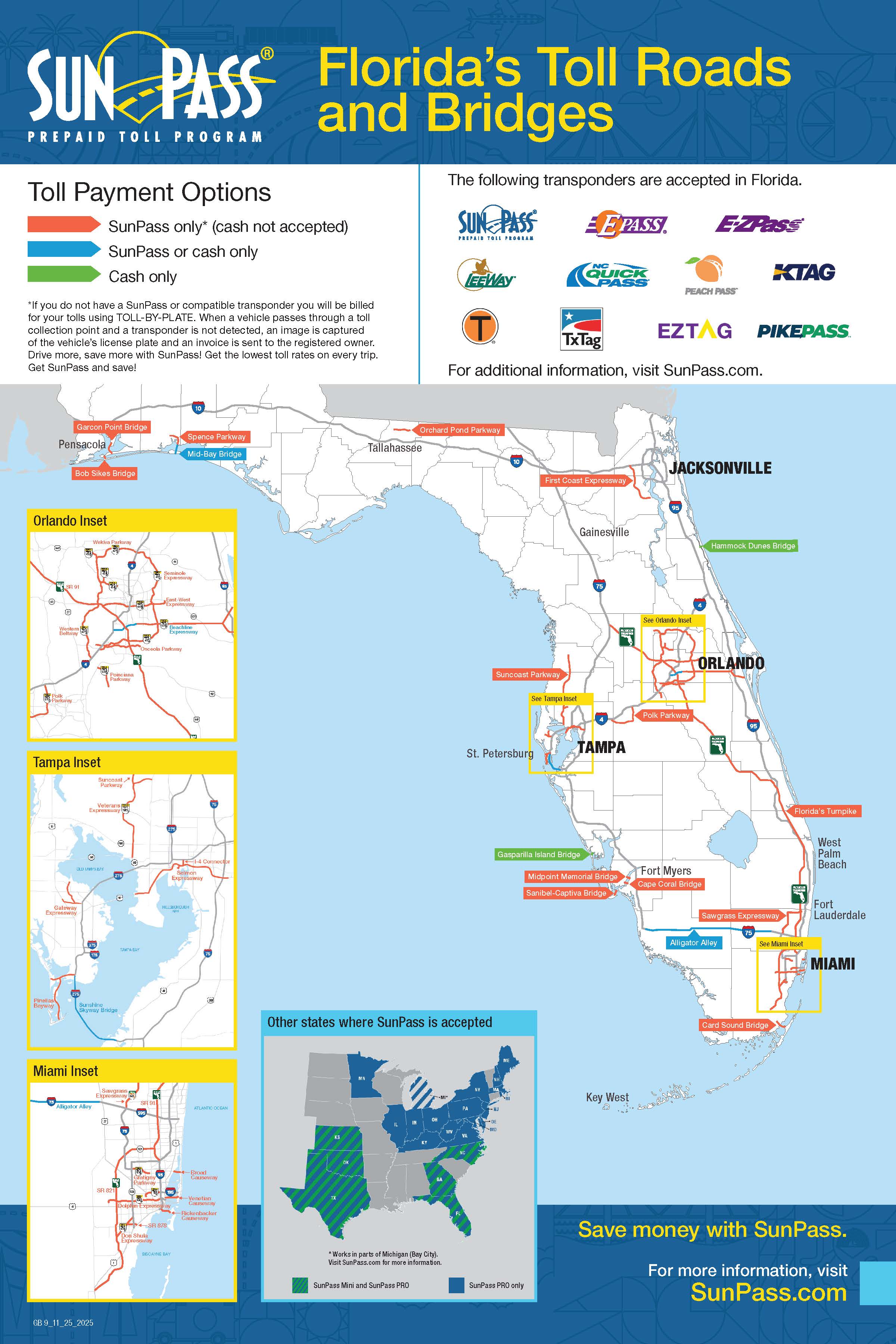
This article will delve into the world of Florida’s toll roads, demystifying their costs, explaining how payments work, and offering tips to help you manage your expenses. We’ll explore the different types of tolling systems, the factors that influence toll prices, and how to prepare for your trip to avoid unexpected charges. Whether you’re a first-time visitor or a seasoned Florida explorer, this guide aims to equip you with the knowledge you need to navigate the Sunshine State’s roads efficiently and affordably, complementing your exploration of its world-class hotels, unique tourism experiences, and breathtaking landmarks.
Understanding Florida’s Toll Road Network
Florida’s commitment to efficient transportation is evident in its comprehensive network of toll roads, managed primarily by the Florida Turnpike Enterprise and the Florida Department of Transportation (FDOT). These roads are designed to alleviate congestion on free roadways and provide faster, more direct routes for travelers. The toll system is not a monolithic entity; rather, it comprises various types of toll facilities, each with its own pricing structure. Understanding these distinctions is the first step to grasping the overall cost of using Florida’s toll roads.
The Role of Toll Roads in Florida Travel
For many, toll roads are an integral part of the Florida travel experience. They connect major cities, airports, and popular tourist destinations, making it easier to access everything from the pristine beaches of the Florida Keys to the theme parks of Central Florida. Consider a family trip from Tampa to Miami; using toll roads can significantly reduce travel time, allowing more precious hours for exploring attractions or relaxing at a luxury resort. Similarly, business travelers can rely on these routes to maintain tight schedules, ensuring timely arrivals for meetings or conferences. The existence of toll roads allows for a more seamless transition between different facets of a Florida lifestyle, from the hustle of urban centers to the tranquil retreats found in its many accommodations.
The planning of any Florida vacation, whether it involves booking a suite at a high-end resort, discovering local culinary delights, or exploring historical landmarks, is often influenced by how one intends to travel. Toll roads, while an added expense, often justify their cost by saving time and reducing stress, particularly during peak travel seasons or when navigating the bustling urban landscapes. They facilitate the exploration of diverse attractions, from the architectural marvels of St. Augustine to the natural beauty of the Everglades National Park.
Types of Toll Facilities
Florida operates several types of toll facilities, each with its own characteristics and payment methods:
- Turnpike Roads: These are the most extensive toll systems, often featuring multiple toll plazas and varying rates. The Florida Turnpike itself is the prime example, stretching across a significant portion of the state.
- Expressways: Managed by regional toll authorities like the Central Florida Expressway Authority or the Tampa Hillsborough Expressway Authority, expressways offer high-speed routes within specific metropolitan areas.
- Bridges and Tunnels: Certain bridges and tunnels in Florida are also tolled, such as the Sunshine Skyway Bridge in St. Petersburg.
Understanding which authority manages the road you’re using can sometimes help in understanding potential toll rates, though most payment systems are designed to be interoperable.
Calculating Toll Road Costs: Factors and Payment Methods
The question “How Much Are Toll Roads In Florida?” doesn’t have a single, simple answer because the cost is dynamic and depends on several factors. The distance traveled, the type of road, the time of day, and the payment method all play a role in determining the final toll amount. Fortunately, Florida has modernized its toll collection system, making it easier to pay and manage tolls.
Factors Influencing Toll Prices

Several variables contribute to the final cost of using Florida’s toll roads:
- Distance Traveled: Longer stretches on toll roads generally mean higher tolls. Each segment of a turnpike or expressway typically has its own tolling points.
- Time of Day (Congestion Pricing): Some expressways, particularly in high-traffic areas like South Florida, implement variable pricing. This means tolls can be higher during peak hours to manage congestion, aligning with a lifestyle that prioritizes efficient travel.
- Vehicle Type: While most passenger vehicles are charged the same rate, larger vehicles like trucks or RVs may incur higher tolls due to their size and weight.
- Toll Collection Method: This is a significant factor. Paying with a transponder generally results in a lower toll rate compared to paying by mail or with a toll-by-plate system. This incentivizes the use of electronic payment methods, a common practice in modern travel.
Navigating Payment Options: SunPass and Toll-by-Plate
Florida has largely transitioned to cashless tolling, meaning you won’t find many traditional toll booths with cashiers. The primary methods of payment are:
- SunPass: This is Florida’s official electronic toll collection system. A SunPass transponder, easily attached to your windshield, communicates with tolling equipment as you pass through. SunPass offers the lowest toll rates and allows for seamless travel across most toll roads in Florida, and even in states like Georgia and North Carolina through interoperability agreements. You can purchase a SunPass device online or at various retail locations across Florida. It can be linked to a prepaid account, making budgeting straightforward.
- Toll-by-Plate (TOLL-BY-PLATE): If you don’t have a SunPass transponder, tolling authorities will capture your license plate information. You will then receive a bill in the mail at the registered owner’s address. However, this method incurs a higher toll rate than using a transponder, as it includes an administrative fee for processing the bill. It’s crucial to pay these bills promptly to avoid late fees and potential penalties, especially if you’re on an extended stay or renting a vehicle.
- Toll-by-Phone Apps: Some regional toll authorities may offer specific apps that allow you to register your vehicle and pay tolls, sometimes offering rates similar to transponder usage.
For tourists, especially those renting cars, understanding the rental company’s policy on tolls is vital. Many rental agencies offer a toll pass service that essentially bundles toll charges, often at a daily fee plus the cost of tolls, which can be more convenient but potentially more expensive than managing your own SunPass or paying bills.
Strategies for Managing Toll Costs on Your Florida Trip
Maximizing your enjoyment of Florida’s diverse attractions, from its world-renowned theme parks to its tranquil beachfront resorts, doesn’t have to be hampered by unexpected toll expenses. By employing smart strategies, you can navigate the state’s toll roads efficiently and affordably, ensuring your budget remains intact for other aspects of your lifestyle and travel experiences. Whether you’re planning a luxurious escape or a budget-conscious family adventure, understanding how to manage toll costs is key.
Planning Your Route and Estimating Costs
Before you embark on your journey, especially if you have a specific itinerary in mind that involves extensive travel across Florida, it’s wise to plan your routes. Online tools and mobile applications can be invaluable for this purpose.
- Online Trip Planners: Websites of toll authorities like the Florida Turnpike Enterprise often have trip calculators that allow you to input your start and end points and estimate the tolls you’ll encounter. This is an excellent way to get a ballpark figure for your travel expenses.
- Navigation Apps: Popular navigation apps such as Google Maps and Waze can often display estimated toll costs for your planned routes. They may also offer options to avoid toll roads altogether, although this can significantly increase travel time. For instance, if your goal is to reach a specific attraction in Orlando from Jacksonville, using these tools will give you an idea of the toll expenses involved, allowing you to factor them into your overall travel budget, whether that budget leans towards luxury travel or more economical choices.
By taking a few minutes to plan, you can avoid surprises and allocate funds more effectively, whether it’s for accommodations at a charming boutique hotel or for exploring the local food scene in a city like Key West.

Tips for Budget-Conscious Travelers
For those mindful of their spending, several tips can help reduce toll road expenses:
- Utilize a SunPass: As mentioned, this is the most effective way to save money. Even for a short visit, the cost of a transponder and maintaining a small prepaid balance is often recouped through the reduced toll rates compared to toll-by-plate. If you’re staying for an extended period or plan to visit multiple attractions requiring toll road travel, it quickly becomes a wise investment.
- Consider Avoiding Tolls When Possible: If time is not a critical factor and you’re exploring the local culture or a specific region, opting for non-toll roads can save money. This might involve taking scenic routes that allow you to discover charming towns, local eateries, and lesser-known landmarks, adding an element of authentic discovery to your travels. However, for longer distances between major cities like Fort Lauderdale and West Palm Beach, avoiding tolls can mean a substantially longer journey.
- Understand Rental Car Toll Policies: If you’re renting a car, be aware of the rental company’s toll program. Sometimes, opting out of their program and managing tolls yourself with a SunPass can be cheaper. Conversely, for very short trips with minimal toll usage, their program might offer convenience at an acceptable cost. Always ask for clarification on daily fees, administrative charges, and how tolls are processed. This is particularly important when planning a lifestyle that involves frequent car travel, such as exploring multiple resorts or attractions across different cities.
By proactively planning and utilizing these tips, travelers can ensure their exploration of Florida’s abundant offerings – from its family-friendly resorts and luxury apartments to its vibrant lifestyle and historical landmarks – is both enjoyable and economically sensible. The goal is to spend more time experiencing what Florida has to offer and less time worrying about the cost of getting there.
LifeOutOfTheBox is a participant in the Amazon Services LLC Associates Program, an affiliate advertising program designed to provide a means for sites to earn advertising fees by advertising and linking to Amazon.com. Amazon, the Amazon logo, AmazonSupply, and the AmazonSupply logo are trademarks of Amazon.com, Inc. or its affiliates. As an Amazon Associate we earn affiliate commissions from qualifying purchases.