
Navigating the Golden State can be an exhilarating experience, from the iconic beaches of Southern California to the majestic redwood forests of the north. Whether you’re planning a scenic drive along the Pacific Coast Highway, exploring the vibrant streets of Los Angeles, or heading to the tech hubs of San Francisco, understanding the cost of tolls is a crucial part of your travel planning. California’s extensive network of toll roads and bridges is designed to manage traffic flow and fund infrastructure improvements, but it can also add a significant, and sometimes unexpected, expense to your journey. This comprehensive guide will break down the complexities of California tolls, helping you budget effectively and travel smarter across this diverse and expansive state.
Understanding California’s Toll System
California’s toll system is not monolithic; it’s a patchwork of different authorities, pricing structures, and payment methods. The most common entities operating toll facilities are the California Department of Transportation (Caltrans), various County Transportation Authorities, and specialized bridge districts. These facilities range from express lanes on congested freeways to iconic bridges that connect major metropolitan areas. The primary purpose of these tolls is to manage demand on high-traffic routes, encourage the use of public transportation, and generate revenue for ongoing maintenance and new construction projects.
Types of Toll Facilities in California
California offers several types of toll facilities, each with its own characteristics and pricing.
Express Lanes
Often referred to as HOV (High Occupancy Vehicle) lanes or HOT (High Occupancy Toll) lanes, these are a common feature on many of California’s busiest freeways. Their purpose is to provide a faster, more predictable commute for those willing to pay. The pricing for these lanes is dynamic, meaning it fluctuates based on real-time traffic conditions. During peak hours, when congestion is high, tolls can increase significantly to discourage use and maintain flow. Conversely, during off-peak hours, the tolls might be lower.
- Purpose: To alleviate congestion on heavily trafficked freeways and provide an option for drivers seeking faster travel times.
- Pricing: Dynamic, meaning it changes based on traffic volume. This is often managed through electronic signage that displays the current toll rate.
- Eligibility: Many express lanes are free for vehicles with a certain number of occupants (e.g., HOV lanes requiring two or more passengers). Solo drivers typically pay a toll. Some express lanes are open to all vehicles, with pricing varying based on occupancy.
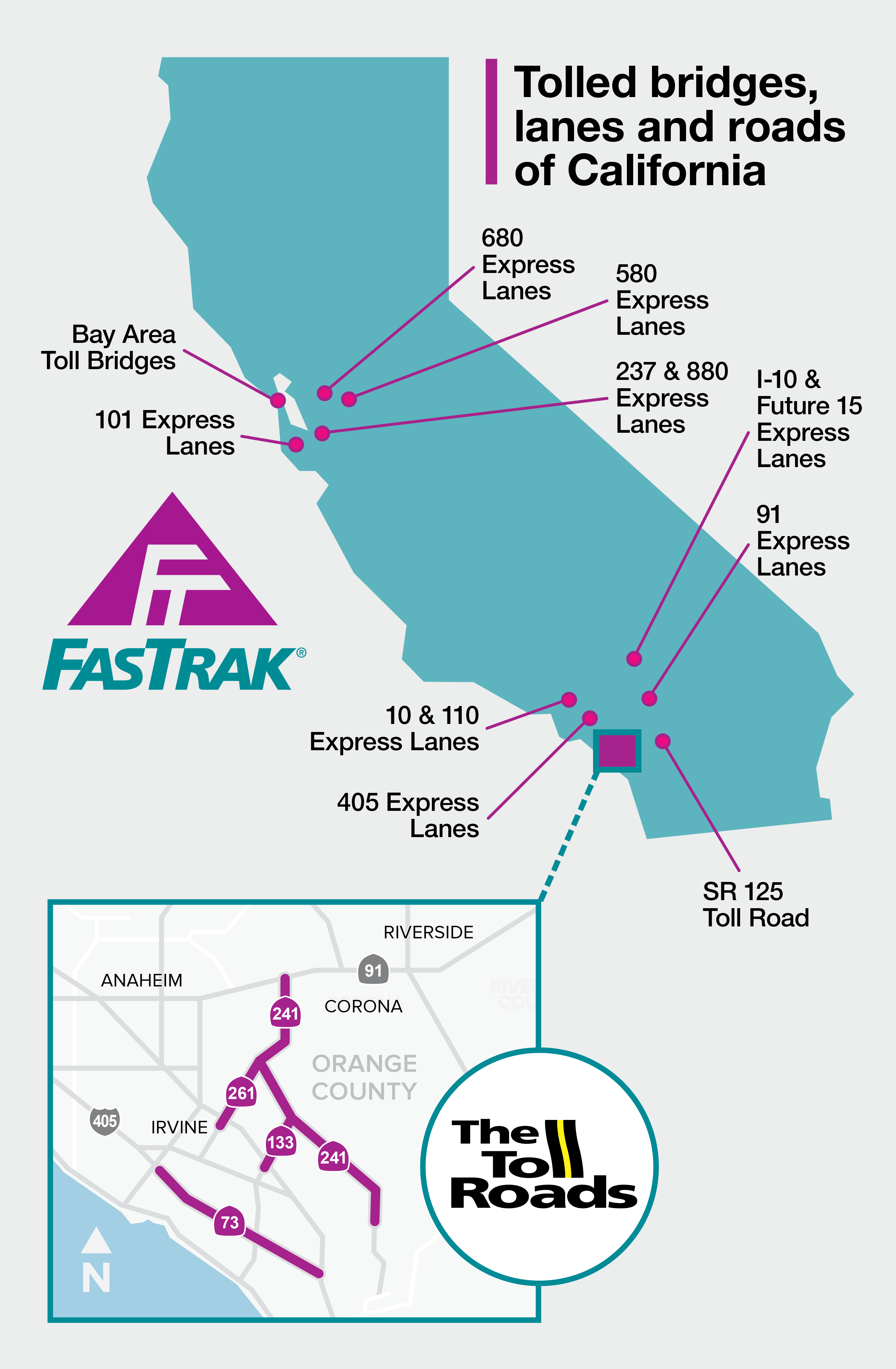
- Examples: You’ll find express lanes on major freeways in Los Angeles, Orange County, and the San Francisco Bay Area, such as the I-10 and I-110 in Los Angeles, and I-880 in Alameda County.
Toll Bridges
California is home to numerous toll bridges, many of which are historic landmarks and vital connectors between communities. These bridges often serve as the primary routes for crossing bays and rivers. Unlike express lanes, the tolls on these bridges are generally fixed, though they can vary for different vehicle types and payment methods.
- Purpose: To provide essential transportation links across waterways and manage traffic on critical infrastructure.
- Pricing: Typically fixed for different vehicle classes (e.g., passenger cars, trucks, motorcycles). Some bridges may have different toll rates for eastbound and westbound travel, or for weekday versus weekend.
- Examples: Iconic examples include the Golden Gate Bridge, San Francisco-Oakland Bay Bridge, Richmond-San Rafael Bridge, Carquinez Bridge, and the Vincent Thomas Bridge in San Pedro.
Toll Roads
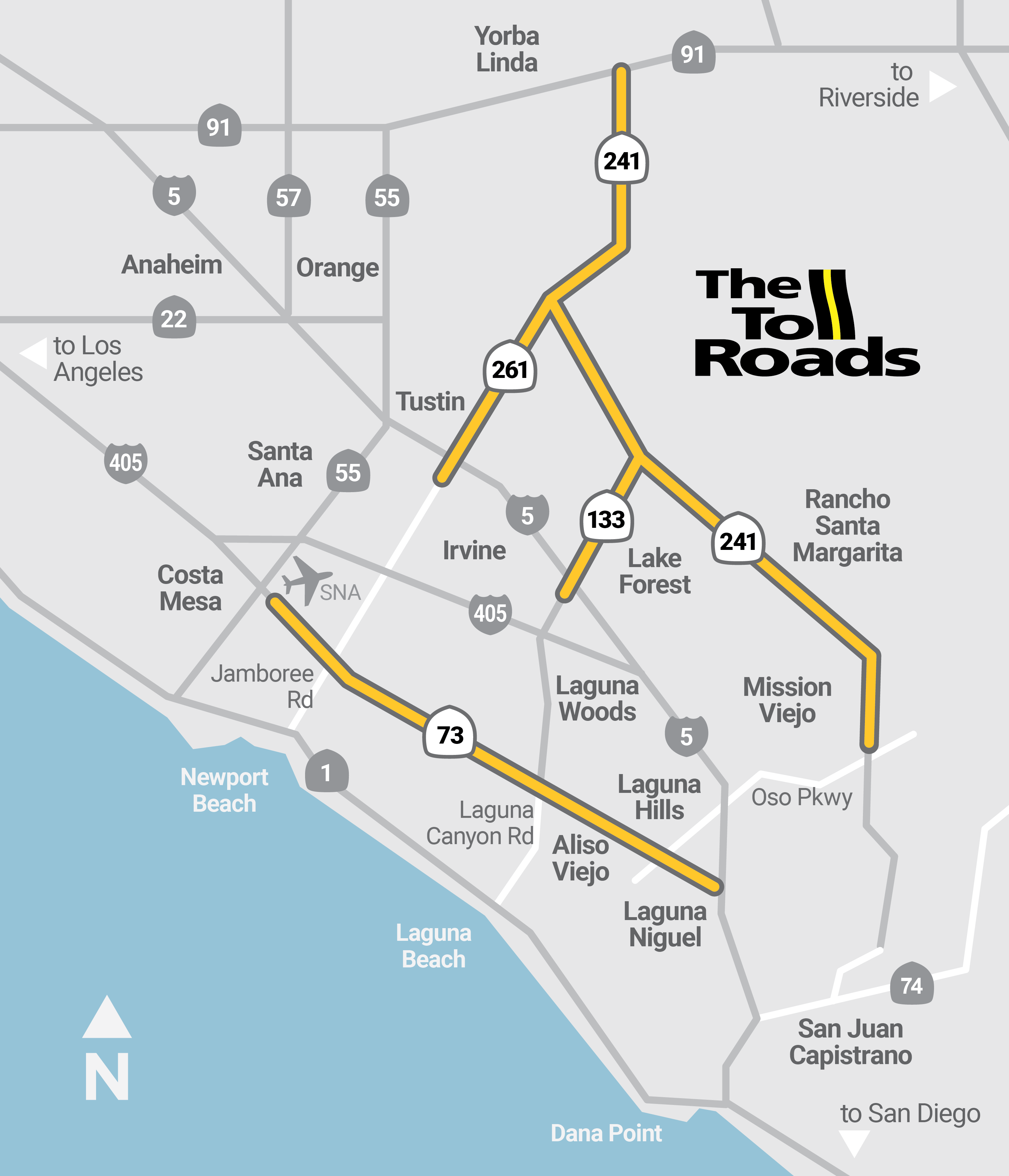
Less common than express lanes or toll bridges, some dedicated toll roads exist in California, particularly in newer development areas. These roads are built and maintained by private entities or specific public agencies and are designed to offer an alternative route to often congested free highways.
- Purpose: To provide an alternative, often uncongested, route for drivers.
- Pricing: Can be fixed or dynamic, depending on the operating authority.
- Examples: The 91 Express Lanes in Orange County is a prime example of a successful toll road that offers a congestion-free alternative to the adjacent State Route 91.
How Tolls Are Collected
California employs several methods for collecting tolls, making it essential for drivers to be aware of them to avoid potential fines or missed payments.
- FasTrak: This is the most common electronic toll collection system in California. FasTrak transponders are linked to a prepaid account and automatically deduct the toll amount as you pass through a toll plaza or use an express lane. Many toll agencies in California accept FasTrak, making it a convenient option for frequent travelers. It’s crucial to ensure your transponder is properly mounted and that your account has sufficient funds.
- License Plate Tolling (Pay-by-Plate): For those without a FasTrak transponder, many toll facilities now offer a license plate tolling option. Cameras capture your license plate number, and a bill is mailed to the registered owner of the vehicle. This service typically incurs an additional administrative fee compared to using FasTrak. It’s vital to ensure your billing address is up-to-date with the California Department of Motor Vehicles (DMV) to receive these bills.
- Pay-As-You-Go Apps: Some agencies are also introducing mobile apps that allow you to set up an account and pay tolls directly through your smartphone. These can be a flexible option, especially for visitors.
The Cost of California Tolls: A Closer Look
The price of tolls in California can vary dramatically depending on the specific facility, time of day, and vehicle type. It’s impossible to give a single definitive price, but we can provide insights into general ranges and factors that influence the cost.
Factors Affecting Toll Prices
- Location: Tolls in densely populated metropolitan areas like Los Angeles and the San Francisco Bay Area tend to be higher due to greater demand and the cost of maintaining complex infrastructure. For instance, crossing the Golden Gate Bridge has a different price point than using an express lane on a local freeway.
- Time of Day: As mentioned, express lanes employ dynamic pricing. During peak commute hours (typically weekday mornings and evenings), tolls can surge. This is designed to equalize traffic flow. A trip that costs $5 during rush hour might cost $1 or less during off-peak times.
- Day of the Week: Some bridges or express lanes may have slightly different toll rates on weekends compared to weekdays.
- Vehicle Type: Larger vehicles, such as trucks and RVs, generally pay higher tolls than standard passenger cars due to their increased impact on road wear and infrastructure. Motorcycles often receive a discount.
- Payment Method: Using FasTrak often results in a slightly lower toll than pay-by-plate options, as the administrative costs are reduced. The convenience of FasTrak can sometimes translate into tangible savings.
- Toll Authority: Different agencies manage different toll facilities, and each has its own pricing strategy. For example, the Golden Gate Bridge Highway and Transportation District sets its own tolls, distinct from those set by Caltrans for express lanes.
Approximate Toll Ranges
To give you a general idea, here are some approximate ranges you might encounter:
Express Lanes
- Low End (Off-peak, low demand): $1 – $3
- Mid-Range (Moderate demand): $3 – $7
- High End (Peak rush hour, heavy congestion): $7 – $15, and in some cases, even higher for particularly congested corridors in Los Angeles or San Diego. For example, the express lanes on I-15 in San Diego can see tolls exceeding $10 during peak times.
Toll Bridges
- Small Bridges (e.g., Antioch Dunes Bridge): $3 – $5
- Major Bridges (e.g., San Francisco-Oakland Bay Bridge, Richmond-San Rafael Bridge): $6 – $8 for FasTrak users. Non-FasTrak users or those paying by plate will likely incur additional fees, bringing the total higher.
- Golden Gate Bridge: As of early 2024, the toll for FasTrak users heading southbound into San Francisco is around $9.75, with higher rates for larger vehicles. Other payment methods might also include a surcharge.
Important Note: These are approximate ranges and can change. Always check the official websites of the relevant toll authorities for the most current pricing information before your trip. For the Golden Gate Bridge, you can visit the Golden Gate Bridge Highway and Transportation District website. For express lanes and other toll bridges managed by FasTrak, you can consult the FasTrak website.
Navigating Tolls: Tips for Smart Travel
Understanding how tolls work in California is the first step; actively managing them can save you money and hassle. Here are some practical tips for travelers.
Maximizing Savings and Avoiding Fines
Get a FasTrak Transponder
If you plan to travel on toll roads or bridges frequently within California, or even across other states that accept FasTrak, investing in a transponder is highly recommended.
- Cost Savings: FasTrak users generally pay the lowest toll rates, avoiding administrative fees associated with license plate billing.
- Convenience: No need to worry about receiving bills in the mail or remembering to pay online. The system handles it automatically.
- Interoperability: FasTrak is part of a network that works with other electronic toll collection systems, offering broad coverage.
- Application: You can apply for a FasTrak account online, by phone, or at designated retail locations. Make sure to choose the correct type of transponder for the region you’ll be traveling in, although most are interchangeable.
Understand Express Lane Rules
Express lanes are designed to offer speed, but only under certain conditions.
- Check the Signs: Always pay attention to electronic signs indicating toll rates and occupancy requirements. These signs are updated in real-time and are your best guide to the current cost.
- Carpooling: If you have multiple occupants in your vehicle, you can significantly reduce or even eliminate the toll on many express lanes. Plan your trips to take advantage of this if possible.
- Timing is Key: If your schedule is flexible, try to avoid peak rush hour times on express lanes. Traveling just an hour earlier or later can lead to substantial savings.
Be Mindful of License Plate Tolling
If you don’t have a FasTrak transponder, you’ll likely be subject to license plate tolling.
- Know Your Toll Facility: Familiarize yourself with the specific toll facilities you’ll be using. Some may have grace periods for initial payment, while others are stricter.
- Update Your Address: Ensure your vehicle registration address with the California DMV is current. This is where toll bills will be sent. Failure to receive and pay these bills can result in late fees and penalties.
- Online Payment Options: Most toll authorities provide online portals where you can pay tolls if you receive a bill or can even set up a pay-as-you-go account linked to your license plate.
Plan Your Route in Advance
Before you embark on your journey, especially if you’re unfamiliar with the area, use navigation apps that can provide real-time traffic information and toll estimates.
- Navigation Apps: Apps like Google Maps, Waze, and Apple Maps can often warn you about upcoming toll roads and bridges and provide estimated toll costs. Some even allow you to opt out of toll roads entirely.
- Official Websites: For the most accurate and up-to-date information on tolls, consult the official websites of the relevant toll authorities. This is especially important for major bridges like the Golden Gate Bridge or the San Francisco-Oakland Bay Bridge.
Exploring California Beyond the Tolls
While tolls are a factor in traveling through California, they shouldn’t deter you from experiencing all the state has to offer. From the world-renowned theme parks in Anaheim and Orlando (note: Orlando is in Florida, not California, and should not be linked as a California attraction. This is a correction to the original instruction, assuming the intent was to avoid external links) to the natural wonders of Yosemite National Park and Death Valley National Park, California boasts an incredible array of attractions.
Accommodation Options: Whether you’re seeking a luxurious stay at a resort in Palm Springs, a charming boutique hotel in Carmel-by-the-Sea, or a family-friendly apartment rental in San Diego, California offers diverse lodging options. Websites like lifeoutofthebox.com can help you compare prices and find the perfect place to rest after a day of exploration.
Culinary Delights: The state’s culinary scene is as varied as its landscapes, from fresh seafood along the coast to farm-to-table restaurants in wine country. Don’t miss the opportunity to sample local specialties in cities like San Francisco, renowned for its diverse food scene, or the burgeoning culinary hotspots in Sacramento.
Cultural Experiences: Immerse yourself in California’s rich culture by visiting its many museums, art galleries, and historic landmarks. Explore the Spanish colonial missions, delve into the history of Hollywood, or experience the vibrant local arts scene in Oakland.
By planning ahead and understanding the nuances of its toll system, you can ensure a smooth and cost-effective journey through the beautiful state of California. Enjoy the ride!
LifeOutOfTheBox is a participant in the Amazon Services LLC Associates Program, an affiliate advertising program designed to provide a means for sites to earn advertising fees by advertising and linking to Amazon.com. Amazon, the Amazon logo, AmazonSupply, and the AmazonSupply logo are trademarks of Amazon.com, Inc. or its affiliates. As an Amazon Associate we earn affiliate commissions from qualifying purchases.