
Navigating the vast and dynamic landscape of Texas often involves more than just planning your route; it requires an understanding of its intricate toll road system. Whether you’re a seasoned road tripper embarking on an epic journey through the Lone Star State, a business traveler aiming for efficiency, or a family seeking to explore the diverse attractions Texas has to offer, knowing about tolls is crucial for budgeting and time management. This comprehensive guide will delve into the nuances of Texas toll roads, helping you to anticipate costs and make informed decisions for your travels.
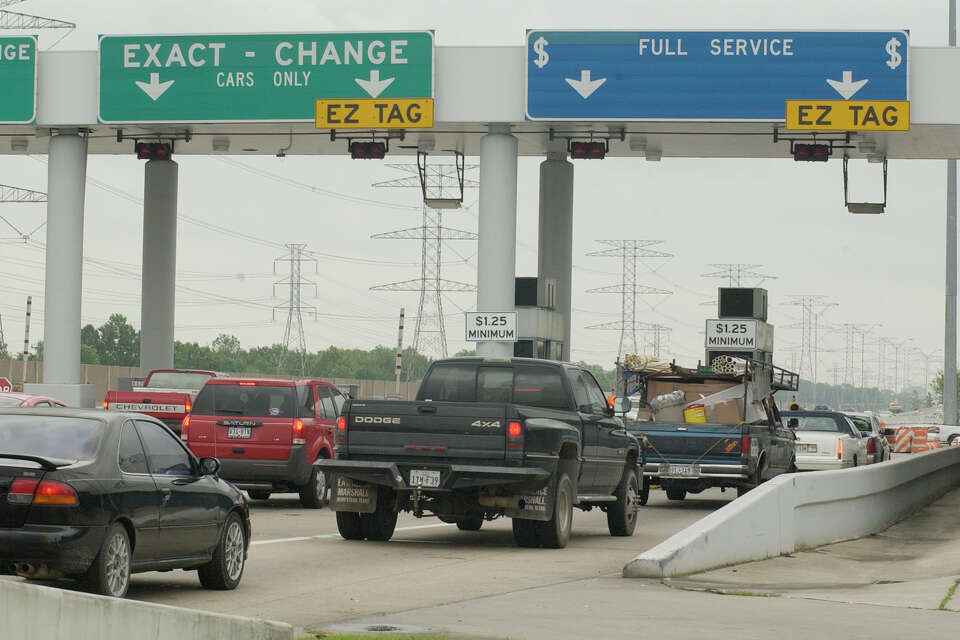
The Texas Department of Transportation (TxDOT) oversees a substantial network of toll roads, managed by various regional toll authorities. These roads are designed to alleviate congestion on public highways, fund infrastructure improvements, and provide faster, more predictable travel times. However, the cost of using these modern conveniences can vary significantly based on the specific road, the time of day, and the method of payment. Understanding these factors is key to avoiding surprises and ensuring a smooth travel experience.
Understanding the Texas Toll Road Network
Texas boasts one of the most extensive toll road systems in the United States, a testament to its rapid growth and the state’s commitment to modernizing its transportation infrastructure. These roads are not haphazard additions; they are strategically planned to connect major metropolitan areas, bypass congested city centers, and offer alternative routes to popular destinations. From the bustling highways around Dallas and Fort Worth to the sprawling networks in Houston and San Antonio, toll roads play a significant role in daily commutes and long-distance travel across the state.
The sheer size of Texas means that many travelers will inevitably encounter toll roads. For those venturing from Austin to the beaches of the Gulf Coast, or exploring the historical sites of West Texas, toll roads can be a valuable tool for reducing travel time. They are particularly prevalent around major international airports, connecting them efficiently to downtown cores and surrounding suburbs. This focus on accessibility and speed makes them an attractive option for many, but it also necessitates an awareness of the associated costs.
Types of Toll Roads in Texas
The tolling landscape in Texas is diverse, encompassing a variety of road types and management structures. The most common forms include:
- Turnpikes: These are often extensive toll highways that may connect multiple cities or provide a primary artery through a region. They typically have multiple toll plazas and can be a significant part of a longer journey.
- Tollways: Similar to turnpikes, tollways are high-speed, limited-access roads designed for efficient travel. They are often found within or connecting major metropolitan areas.
- Managed Lanes: These are a specific type of toll road that runs alongside non-tolled lanes on existing freeways. They are designed to offer faster travel during peak congestion hours, with prices that can fluctuate based on demand. Examples include Express Lanes on highways like I-35E in Dallas or I-10 in Houston.
- Toll Bridges and Tunnels: While less common for general travel within cities, Texas does have toll bridges and tunnels, particularly in border regions or specific urban areas, that charge a fee for passage.
The management of these roads is often decentralized. While TxDOT plays a supervisory role, day-to-day operations and toll collection are frequently handled by regional entities such as the North Texas Tollway Authority (NTTA), the Harris County Toll Road Authority (HCTRA), the Central Texas Regional Mobility Authority (CTRMA), and the Grand Parkway Association. Each of these authorities may have its own pricing structures, payment methods, and transponder systems, adding another layer of complexity for travelers.
Factors Influencing Toll Costs
The question of “how much are tolls in Texas?” doesn’t have a single, simple answer. The cost of using a Texas toll road is a dynamic figure, influenced by several key factors:
1. The Specific Toll Road and its Length
The most direct determinant of toll cost is the specific road you are using. Longer toll roads, or those with more frequent tolling points, will naturally incur higher cumulative costs. For example, traveling the entire length of the Grand Parkway in Houston will cost more than a short segment of a managed lane in Austin. Each road segment is priced individually, and the total cost of a journey is the sum of the tolls for each section traversed.
2. Time of Day and Demand Pricing
Many toll roads in Texas, particularly managed lanes, employ dynamic pricing. This means that the toll cost can fluctuate based on the time of day and the level of traffic congestion. During peak commuting hours (typically weekday mornings and evenings), when demand is highest, the tolls will be more expensive. Conversely, during off-peak hours, weekends, or holidays, the tolls may be significantly lower or even free on some routes. This pricing strategy aims to incentivize drivers to shift their travel times or use alternative routes when congestion is at its worst.
3. Method of Payment
How you choose to pay for your toll can also impact the cost. Generally, there are three primary methods:
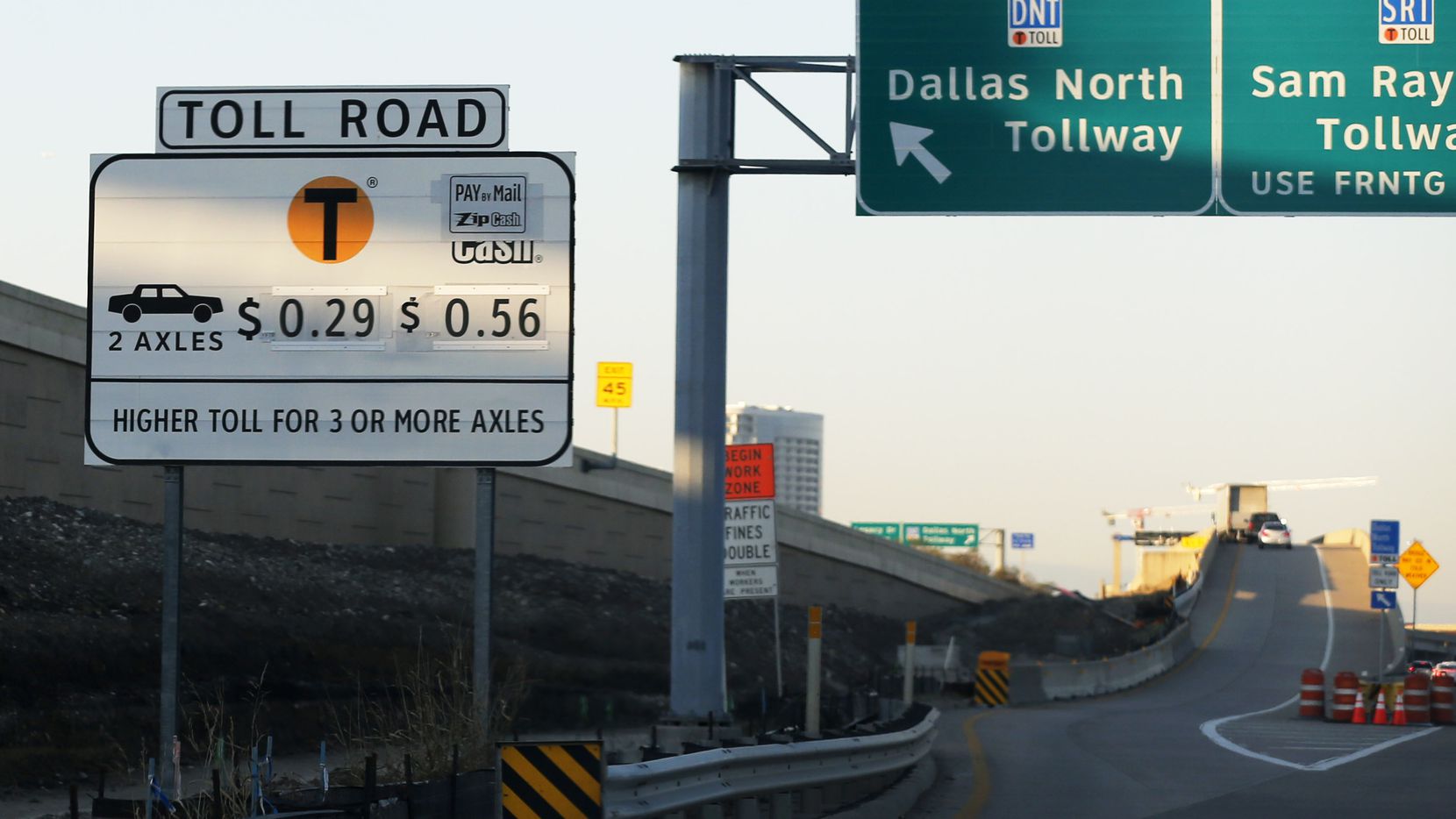
- Toll Tags/Transponders: These electronic devices are mounted on your vehicle’s windshield and communicate with toll sensors as you pass through. Common transponders include the Texas Turnpike Authority (TTA) tag, NTTA‘s TollTag, HCTRA‘s EZ Tag, and CTRMA‘s plate. Using a transponder typically offers the lowest toll rate, as it streamlines the collection process and reduces administrative overhead for the toll authority.
- Pay By Mail/Invoice: If you don’t have a toll tag, you can still use toll roads. However, toll authorities will typically capture your license plate number and mail you an invoice for the tolls incurred. This method usually comes with a surcharge on top of the base toll rate to cover the administrative costs of identifying and billing you.
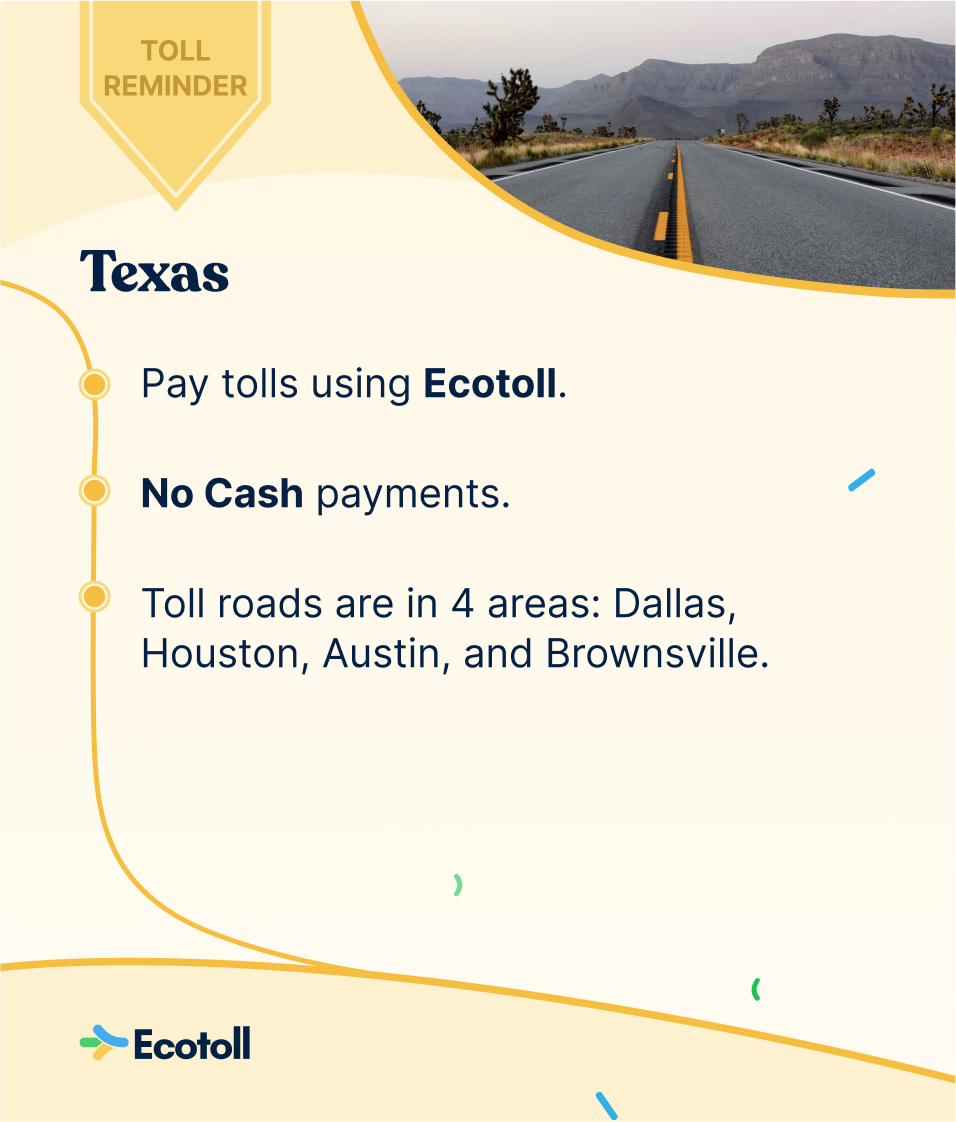
- Cash (Limited Availability): In the past, many toll plazas accepted cash. However, Texas is increasingly moving towards cashless tolling systems. While some older toll facilities or specific toll booths might still accept cash, it’s becoming less common. Relying on cash is not advisable for a smooth toll road experience.
Therefore, a traveler using a toll tag will generally pay less than someone who receives a bill by mail for the same journey.
4. Vehicle Type
While less common for standard passenger vehicles, certain types of vehicles, particularly larger trucks or vehicles with multiple axles, may be subject to higher toll rates due to their size and potential impact on road wear. This is more prevalent on turnpikes and longer toll highways.
Navigating and Paying for Texas Tolls
Successfully using Texas toll roads requires a proactive approach to payment. The state’s transition to cashless tolling means that simply driving through will often result in a bill mailed to the registered owner of the vehicle if no toll tag is present.
Obtaining a Toll Tag
For frequent travelers or residents of Texas, obtaining a toll tag is highly recommended. Each regional toll authority offers its own tag, but in many cases, these tags are interoperable across different Texas toll systems. For example, a NTTA TollTag can often be used on HCTRA and CTRMA roads, and vice-versa, though it’s always best to check the specific compatibility agreements.
To get a toll tag, you typically need to:
- Visit the website of the relevant toll authority (e.g., NTTA, HCTRA, CTRMA).
- Complete an application, providing your personal information and vehicle details.
- Set up a pre-paid account or link your account to a credit card for automatic replenishment.
- Receive the physical transponder and mount it correctly in your vehicle.
The initial cost for a transponder is usually a small one-time fee, and you then maintain a balance in your pre-paid account.
Understanding Pay By Mail
If you are a visitor to Texas and do not have a toll tag, you will likely encounter the “Pay By Mail” system. When you drive through a toll plaza without a transponder, your license plate is captured by cameras. The toll authority will then research the vehicle’s registration and mail a bill to the owner’s address on file with the Department of Motor Vehicles (DMV).
It is crucial to pay these bills promptly. Failure to pay toll invoices can result in late fees, penalties, and potentially even citations or registration holds. If you receive a toll invoice, carefully check the details and pay it online, by mail, or by phone as instructed.
The Future of Tolls in Texas
Texas continues to invest heavily in its transportation infrastructure, and toll roads are a key component of these plans. As the state’s population grows and its economy expands, new toll projects are likely to emerge, and existing ones may see changes in pricing or technology.
For travelers, staying informed is paramount. Before embarking on a trip that may involve toll roads, it’s wise to:
- Research your route: Use online mapping services that can provide toll estimates for your planned journey.
- Check the specific toll authority’s website: If you know which toll roads you’ll be using, visit the relevant authority’s site for the most up-to-date information on pricing and payment options.
- Consider a universal toll tag: If you travel frequently across Texas, investigate if a multi-jurisdictional toll tag option is available.
By understanding the factors that influence toll costs and staying informed about the evolving toll road landscape, you can navigate Texas efficiently and affordably, allowing you to focus on enjoying the state’s incredible attractions, from the vibrant culture of Austin to the historic missions of San Antonio and the vast natural beauty of the Big Bend National Park. Whether you’re staying at a luxurious resort in Dallas or exploring budget-friendly accommodations near the Galveston Island State Park, a little planning regarding tolls can significantly enhance your overall travel experience.