
California, the Golden State, is synonymous with innovation, stunning natural beauty, and a lifestyle that draws millions from across the globe. From the sun-kissed beaches of Santa Monica to the towering redwoods of the north, and from the vibrant urban pulse of Los Angeles to the historic charm of San Francisco, California offers an unparalleled tapestry of experiences. For anyone considering an extended stay, a new chapter as a resident, or even a deep dive into the state’s burgeoning digital nomad scene, understanding the financial landscape is crucial. A significant piece of this puzzle, and often a point of inquiry, is the state’s income tax. While the allure of California is undeniable, its cost of living, including its tax structure, is a vital consideration that influences travel budgets, long-term accommodation choices, and overall lifestyle planning.
This article aims to demystify California’s state income tax, not just as a standalone financial topic, but within the broader context of enjoying and experiencing all that this incredible state has to offer. We’ll explore how tax considerations can impact everything from choosing your ideal travel destination to settling into a luxury resort or finding a budget-friendly apartment.
Understanding California’s Tax Landscape for Travelers and Residents
Before diving into the magnificent experiences California provides, it’s essential to grasp the fundamental aspects of its state income tax. This knowledge empowers you to make informed decisions, whether you’re planning a lavish getaway, considering a seasonal stay, or dreaming of permanent relocation.
A Brief Look at California’s Income Tax Structure
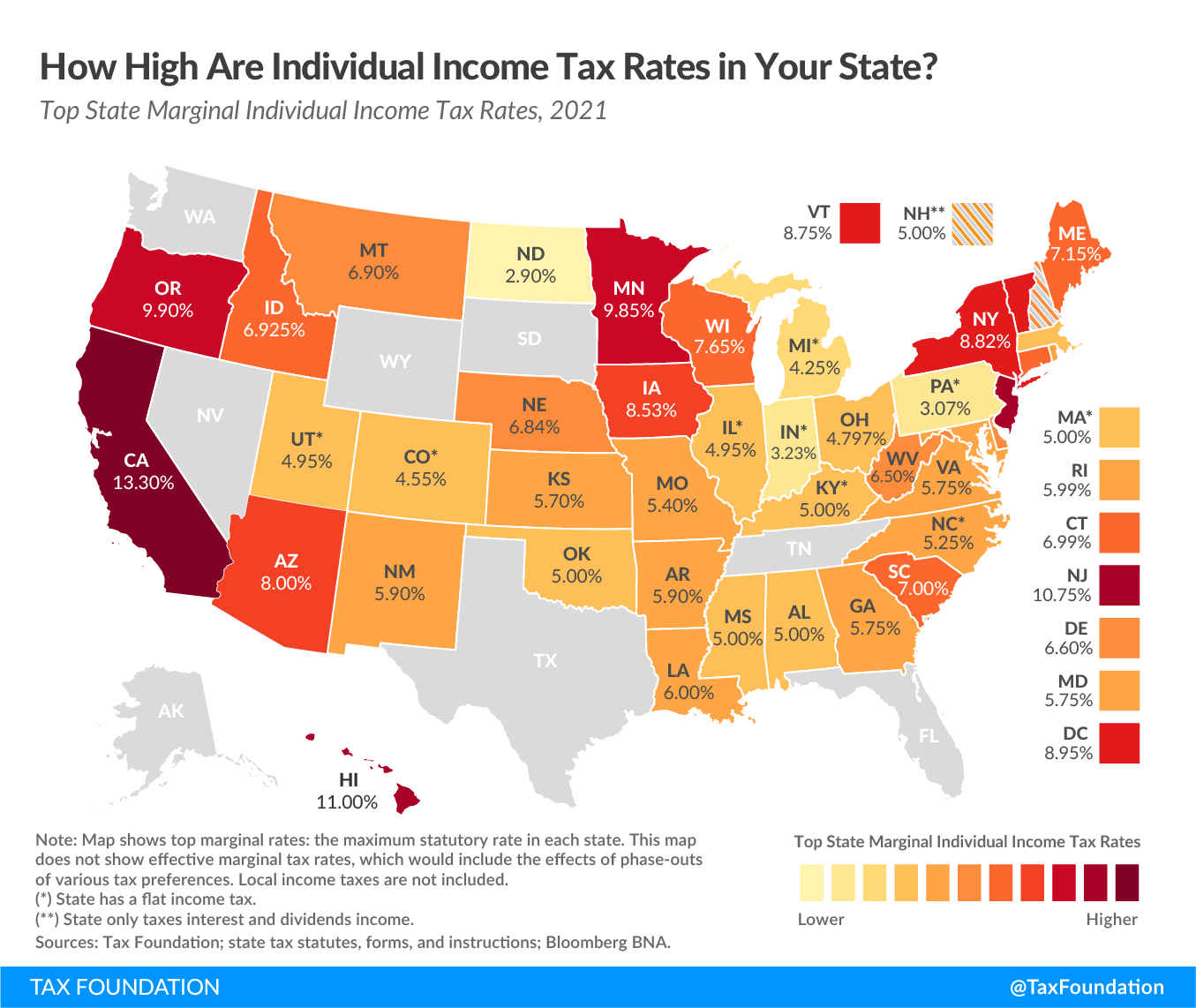
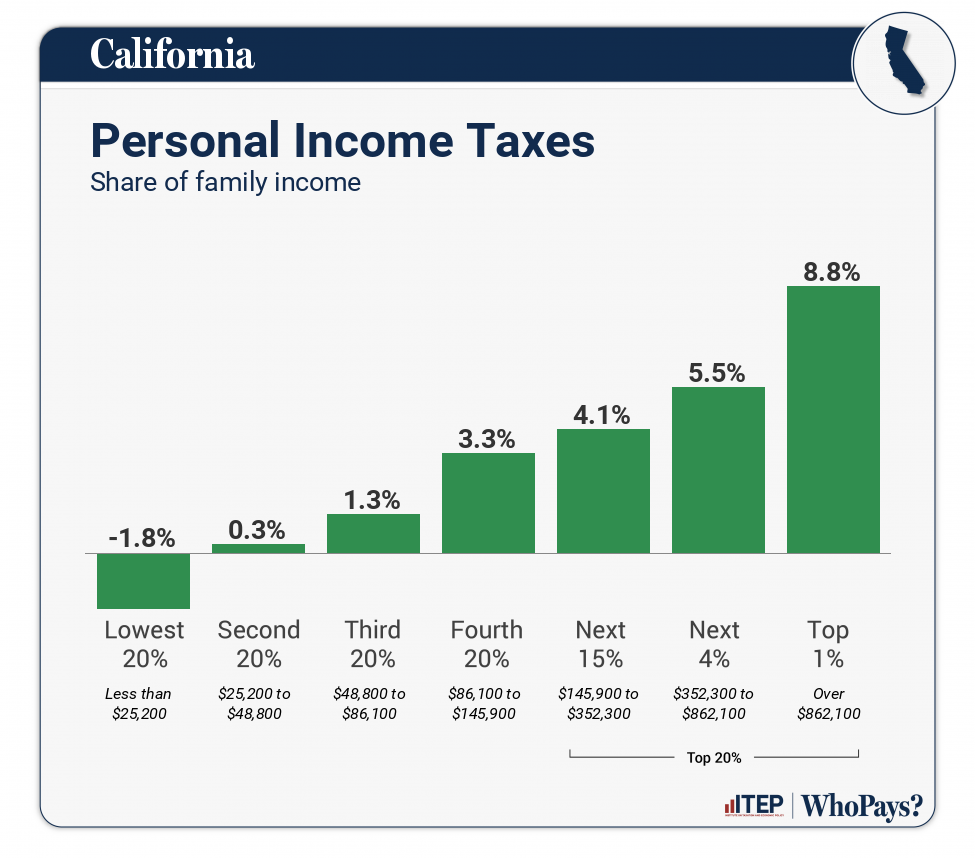
California operates on a progressive income tax system, meaning that as your income increases, the percentage of tax you pay also rises. This is typical for many states, but California is known for having some of the highest marginal tax rates in the United States.
For tax year 2023 (and these rates are subject to annual adjustments), the state income tax brackets for single filers started at around 1% for the lowest taxable income and progressively increased, reaching a top marginal rate that can exceed 13% for very high earners. This top rate, which includes a 1% surcharge for mental health services on income over $1 million, makes California unique. For married couples filing jointly, these brackets are typically doubled.
It’s important to remember that these are marginal rates. This means only the portion of your income falling into a specific bracket is taxed at that rate, not your entire income. For example, if the first $10,000 of taxable income is taxed at 1% and the next $10,000 at 2%, an income of $20,000 won’t be taxed at 2% entirely; instead, it’s a blended rate.
Beyond the income tax, residents and visitors alike will encounter other taxes, such as sales tax (which varies by county and city but averages around 7.25% statewide, with some areas reaching over 10%), property taxes for homeowners, and excise taxes on certain goods and services. While sales tax affects short-term tourists through purchases and hotel stays, income tax primarily impacts those earning income within the state or establishing residency.
Who Pays California State Income Tax?
This is a crucial question, especially for those who might spend varying amounts of time in the state. Generally, there are two main categories of individuals subject to California state income tax:
- Residents: If you are considered a resident of California, you are taxed on all your income, regardless of where it was earned. Determining residency can be complex and depends on factors like where you maintain your permanent home, where your family lives, where you hold your driver’s license, and your intent. Spending a significant portion of the year in California often triggers residency.
- Non-residents: If you are not a California resident but earn income from California sources, you are taxed only on that California-sourced income. This could include wages for work performed in the state, income from a California business, or rental income from California property. For example, a digital nomad from Arizona who temporarily relocates to San Diego for six months and continues working for an Arizona company might not automatically be a California resident, but if they pick up freelance work for a California-based client, that income could be subject to California tax.
For those engaging in long-term travel, considering property investments, or exploring remote work opportunities while living in a scenic California town, understanding these distinctions is paramount. Always consult with a tax professional for personalized advice, especially when residency status is ambiguous.
California’s Allure: How Taxes Influence Your Golden State Lifestyle
The charm of California extends beyond its climate and culture; it’s a lifestyle. From the opulent hotels of Beverly Hills to the quaint bed and breakfasts in Napa Valley, the state offers a spectrum of experiences. However, the cost of this lifestyle, heavily influenced by taxation, is a practical consideration for every traveler and potential resident.
Budgeting for Your California Dream: From Luxury Stays to Budget-Friendly Adventures
Understanding California’s tax structure is fundamental to effective budgeting, regardless of your travel style.
- Luxury Travel: For those indulging in five-star suites at destinations like The Ritz-Carlton, Laguna Niguel or private villas in Malibu, the direct impact of state income tax might seem less immediate, especially if you’re not earning income in California. However, for high-net-worth individuals considering longer stays or potential investment opportunities, the state’s tax regime becomes a significant factor in financial planning. The funds available for lavish dining experiences, exclusive tours, or high-end shopping in places like Rodeo Drive are ultimately influenced by your overall tax burden, whether it’s from current California earnings or the state where your primary income is sourced.
- Budget Travel: Backpackers exploring Yosemite National Park or families enjoying Legoland California in Carlsbad are primarily affected by sales tax on purchases and lodging taxes on hotel rooms. While not an income tax, these still add to the overall cost of a trip. For those considering temporary work to fund their adventures, understanding potential California income tax obligations on those earnings is crucial to ensure their travel budget stretches as far as possible. This means careful planning for everything from hostel stays in San Diego to road trips along the Pacific Coast Highway.
- Family Trips: Bringing the family to iconic attractions like Disneyland Resort in Anaheim or Universal Studios Hollywood involves significant expenses. Beyond park tickets and souvenirs, the cost of accommodations—whether a family suite at the Hyatt Regency Orange County or a vacation rental near the beach in Santa Cruz—is impacted by local taxes. For families moving to California, understanding the complete tax picture, including property taxes if buying a home and state income tax, directly impacts their ability to afford a desired school district or neighborhood.
Long-Term Stays and Relocation: Accommodation, Cost of Living, and Tax Considerations
For those planning to spend an extended period in California, perhaps as a digital nomad, a retiree, or someone relocating for work, the state’s income tax takes on even greater significance.
- Accommodation Choices: High income tax rates in California cities like San Francisco and Los Angeles, combined with notoriously high housing costs, can significantly impact your budget for accommodation. What might afford a spacious apartment in another state might only secure a modest studio in Silicon Valley. This drives many to explore options in more affordable locales such as Sacramento or inland cities in the San Joaquin Valley, balancing tax implications with rental or property purchase prices.
- Long-Term Rentals vs. Buying: If you’re considering a long-term stay, understanding your tax obligations as a potential resident is key to determining whether renting an apartment in San Jose or purchasing a condo in San Diego is financially viable. For homeowners, property taxes in California are also a substantial cost, though Proposition 13 limits their annual increase.
- Retirement Planning: Retirees looking to enjoy California’s temperate climate in places like Palm Springs or Santa Barbara must carefully consider how state income tax impacts their pension, 401(k) distributions, and other retirement income. While Social Security benefits are not taxed by California, other forms of retirement income are generally treated as regular income. This requires careful financial planning to ensure a comfortable lifestyle.
- Digital Nomads: The rise of remote work has made California an attractive hub for digital nomads seeking inspiration and community. However, the question of residency and where income is sourced becomes critical. A “temporary” stay that extends beyond a certain duration or demonstrates an intent to remain can easily trigger California residency, subjecting all worldwide income to state tax. This makes choosing flexible accommodation, like co-living spaces or serviced apartments, and understanding tax nexus rules, vital for mobile professionals.
Exploring California: Funding Public Services and Iconic Experiences
The taxes collected by the state play a crucial role in maintaining the infrastructure and public services that make California such an incredible place to live, visit, and do business. From maintaining national parks to funding arts and culture, your contribution (whether direct or indirect) helps sustain the Golden State’s appeal.
Famous Destinations and Their Economic Impact
The vibrancy of California’s tourist attractions and landmarks is intrinsically linked to the economic ecosystem, including tax revenues.
- Natural Wonders: California boasts nine national parks, including the majestic Yosemite National Park, the stark beauty of Death Valley National Park, and the iconic Joshua Trees in Joshua Tree National Park. State taxes contribute to the extensive network of state parks, beaches, and protected natural areas, ensuring these pristine environments are preserved for future generations of hikers, campers, and nature enthusiasts.
- Cultural Hubs and Landmarks: Cities like San Francisco are home to world-renowned landmarks like the Golden Gate Bridge and Alcatraz Island, while Los Angeles offers cultural gems such as The Getty Center and the Hollywood Walk of Fame. State funding, partly derived from income taxes, supports infrastructure projects, public transportation (like BART in the Bay Area), and cultural institutions that enrich the visitor experience. A portion of tourism dollars also flows back into the local economy, indirectly contributing to the tax base.
- Food and Wine Tourism: The renowned Napa Valley and Sonoma Valley wine regions, as well as the vibrant culinary scenes in Los Angeles and San Francisco, thrive on both local and tourist spending. Businesses operating in these sectors contribute to the state’s economy through various taxes, which in turn support the state’s marketing efforts and infrastructure that facilitate tourism.
Navigating Business Travel and Digital Nomad Opportunities
For professionals on business trips or digital nomads leveraging California’s tech hubs and scenic locales, tax considerations are part of the broader lifestyle planning.
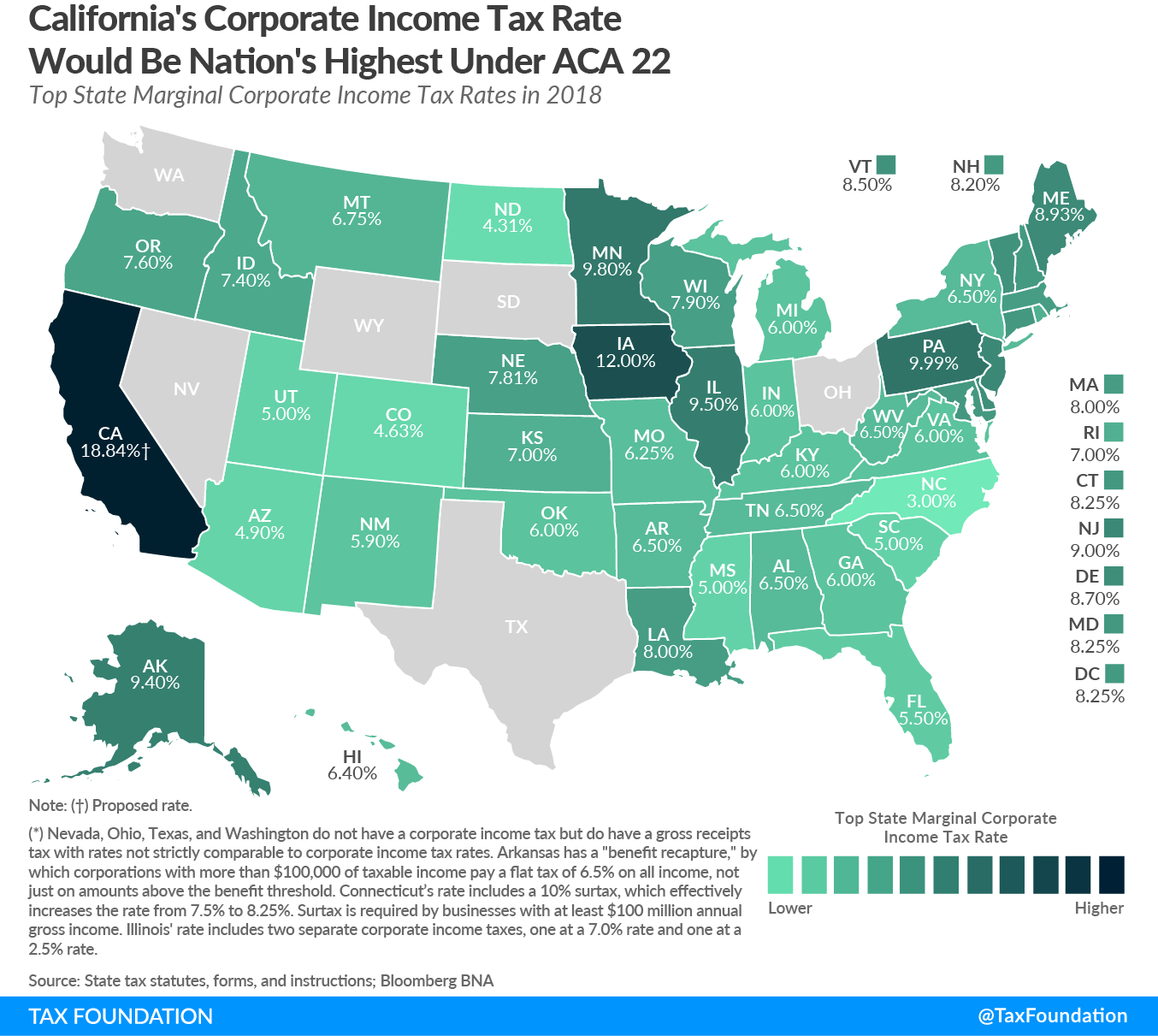
- Business Stays: Individuals traveling for business to Silicon Valley or attending conferences in Anaheim typically won’t owe California income tax on their regular wages if their employer is out-of-state and they are not considered a California resident. However, if they receive California-sourced income (e.g., from a speaking engagement in Sacramento), that portion may be taxable. Companies with a physical presence or significant economic nexus in California also face corporate income taxes, which can influence their decision to host events or establish offices in the state.
- Remote Work and Digital Nomad Lifestyle: California’s appeal for digital nomads is immense, offering everything from beachside cafes in San Diego to mountain retreats near Lake Tahoe. Many choose to explore the state’s diverse regions, working remotely from various accommodations, from boutique hotels in Monterey to extended-stay apartments in Long Beach. The key challenge for these individuals is navigating the fine line between being a temporary visitor and becoming a full-fledged California resident for tax purposes. This depends on factors like the length of stay, the location of their “true home,” and where their business ties are strongest. Understanding these rules is crucial to avoid unexpected tax liabilities, allowing them to fully embrace the freedom and flexibility of their nomadic lifestyle.
Making Informed Decisions: Planning Your California Experience
The golden glow of California is undeniably attractive, whether you’re planning a quick getaway, a longer sabbatical, or a permanent move. By considering the state income tax alongside other costs, you can make the most informed decisions about your travel and lifestyle in this dynamic state.
For short-term visitors, the impact of state income tax is minimal, primarily affecting those who might earn income during their stay. However, for anyone contemplating a prolonged immersion in the California lifestyle, whether through extended accommodation in places like Venice Beach or a move to a scenic city like San Luis Obispo, understanding the tax implications becomes a critical component of financial planning.
The state’s progressive tax system, while contributing to the public services and infrastructure that make California so appealing, does demand careful budgeting. This could influence your choice of destination, the type of accommodation you can afford, and even the length of your stay. For example, a higher tax burden might lead you to explore more budget-friendly hotels or opt for self-catering apartments, allowing more funds for experiences like visiting Hearst Castle or enjoying the diverse cuisine in Oakland.
Ultimately, navigating “How Much California State Income Tax?” is about more than just numbers; it’s about strategically planning your engagement with one of the world’s most desired destinations. By being informed, you can ensure that your California dream remains vibrant and financially feasible, allowing you to fully embrace the travel, tourism, and lifestyle opportunities that abound in the Golden State. Always remember to consult official California Franchise Tax Board resources or a qualified tax professional for the most current and personalized advice.
LifeOutOfTheBox is a participant in the Amazon Services LLC Associates Program, an affiliate advertising program designed to provide a means for sites to earn advertising fees by advertising and linking to Amazon.com. Amazon, the Amazon logo, AmazonSupply, and the AmazonSupply logo are trademarks of Amazon.com, Inc. or its affiliates. As an Amazon Associate we earn affiliate commissions from qualifying purchases.