

Navigating the complexities of rental regulations in [California] can feel like deciphering a complex map. The state has implemented significant protections for tenants, aiming to curb drastic rent hikes and ensure housing stability. These regulations are crucial for anyone planning to immerse themselves in [California]’s unique culture, whether for a temporary exploration or a permanent move. This guide will unpack the core rules governing rent increases, helping you understand how much a landlord can legally raise rent, and what implications this has for your travel and accommodation decisions across the state.
Navigating California’s Rent Control Landscape
The rental market in [California] is shaped by a dual system of state-level legislation and often stricter local ordinances. This multi-layered approach means that the answer to “How much can a landlord raise rent?” isn’t always straightforward; it depends heavily on where the property is located and its specific characteristics. The most significant statewide intervention came into effect with the [Tenant Protection Act of 2019], also known as [AB 1482], which established a baseline for rent control and tenant protections across much of the state.
This act was a game-changer, introducing a statewide cap on rent increases and “just cause” eviction requirements for many rental properties. Before [AB 1482], rent control was primarily the domain of individual cities, leading to a patchwork of regulations. While local rules still hold considerable sway, the state act provides a crucial safety net for tenants in areas without their own, more stringent rent control laws. For those planning extended stays or looking into long-term accommodation options, understanding these foundational rules is essential for budgeting and making informed decisions about where to settle in [California].
The Tenant Protection Act of 2019 (AB 1482): Core Provisions
The heart of [AB 1482] lies in its statewide rent cap and just cause eviction requirements. These provisions aim to protect tenants from excessive rent hikes and arbitrary evictions, fostering greater housing stability across the state. For many, this means a more predictable cost of living, which is a major factor when considering a move to a high-demand area like [California].
The Rent Cap:
Under [AB 1482], landlords are generally limited in how much they can raise rent annually. The cap is set at 5% plus the percentage change in the cost of living (Consumer Price Index, CPI) for the metropolitan area where the property is located. However, there’s an overarching maximum: the total annual increase cannot exceed 10% of the lowest rent charged for that unit at any time during the 12 months prior to the effective date of the increase.
This formula provides a fluctuating cap that adjusts with inflation but remains anchored by a statewide maximum. For instance, if the CPI for a given area is 3%, a landlord could raise the rent by up to 8% (5% + 3%). If the CPI jumps to 6%, the total would be 11%, but the 10% cap would apply, limiting the increase to 10%. This cap applies to existing tenants; when a tenant vacates a unit, the landlord typically has the right to reset the rent to market rate for the new tenant, unless local rent control ordinances state otherwise. This “vacancy decontrol” aspect is important for property owners but does not diminish the protection for current residents.
Just Cause Eviction:
Beyond rent caps, [AB 1482] also introduced “just cause” eviction requirements. Once a tenant has resided in a unit for at least 12 months (or 24 months if an additional tenant is added before the first tenant has occupied for 24 months), a landlord must have a legally recognized reason to evict them. These reasons fall into two categories:
- At-Fault Just Cause: These are evictions based on the tenant’s actions, such as failure to pay rent, breach of a material term of the lease, causing a nuisance, engaging in criminal activity on the property, or refusing to allow the landlord lawful access.
- No-Fault Just Cause: These evictions are not due to the tenant’s actions but rather the landlord’s intent, such as the owner or a close family member moving into the unit, withdrawing the property from the rental market (often under the [Ellis Act]), or complying with a government order to vacate. In cases of no-fault eviction, landlords are generally required to provide relocation assistance to the tenant, typically one month’s rent.
Understanding these provisions is vital for both landlords and tenants. For individuals considering a move to [California], it offers a layer of security, knowing that their housing costs have a predictable ceiling and that they cannot be evicted without a valid, legal reason. This stability is particularly appealing for those planning to make [California] their base for extended periods, perhaps as digital nomads exploring various [California] destinations or families establishing roots.
Understanding Exemptions: What Properties Are Not Covered?
While [AB 1482] provides broad protections, it’s crucial to understand that not all rental properties in [California] fall under its purview. Several exemptions exist, which can significantly impact the rent increase limits and eviction protections available to tenants. These exemptions are particularly relevant for travelers or those seeking unique accommodation, as they often apply to newer buildings or specific types of housing.
Key Exemptions Include:
- New Construction: Units that have been issued a certificate of occupancy within the last 15 years are generally exempt from [AB 1482]’s rent cap. This is a “rolling exemption,” meaning the 15-year clock starts from the date of initial occupancy and resets for newly constructed properties. This exemption is designed to incentivize new housing development in a state facing a severe housing shortage. For those seeking modern amenities in newer complexes, be aware that these properties may not be subject to the statewide rent cap.
- Single-Family Homes and Condominiums: Privately owned single-family homes and condominiums are typically exempt from the rent cap and just cause eviction provisions, provided that:
- The owner is not a corporation, a real estate investment trust (REIT), or an LLC in which at least one member is a corporation.
- The landlord provides specific notice to the tenant that the property is exempt from [AB 1482].
This is a critical distinction, as many landlords of individual homes might assume they are entirely exempt without realizing the corporate ownership clause.
- Owner-Occupied Duplexes: If a property has two dwelling units, and the owner occupies one of the units as their primary residence, both units are exempt from [AB 1482]. This exemption acknowledges the unique circumstances of small-scale landlords living alongside their tenants.
- Government-Subsidized Housing: Housing units where rent is restricted by deed or other recorded document to affordable housing for low or very low-income households, or where subsidies are provided for affordable housing, are also exempt. These properties typically have their own rent control mechanisms.
- Dorms, Hotels, and Transient Occupancy: Dormitories operated by higher education institutions, hotels, motels, bed and breakfasts, and other forms of transient occupancy (stays of 30 days or less) are exempt. This is particularly relevant for travelers, as it means short-term rentals and hotel stays do not fall under the same protections as long-term residential leases.
- Hospitals and Care Facilities: Certain types of residential care facilities, hospitals, and medical facilities are also exempt.
Understanding these exemptions is crucial for prospective tenants. It means that while the statewide law provides a general framework, the specific type of property you are renting can determine whether you are protected by [AB 1482]’s rent caps and just cause eviction rules. Always verify the exemption status of a property before signing a lease, especially if you are seeking a long-term stay in [California] and rely on predictable housing costs for your lifestyle planning.
Local Nuances: Where City Ordinances Override State Law
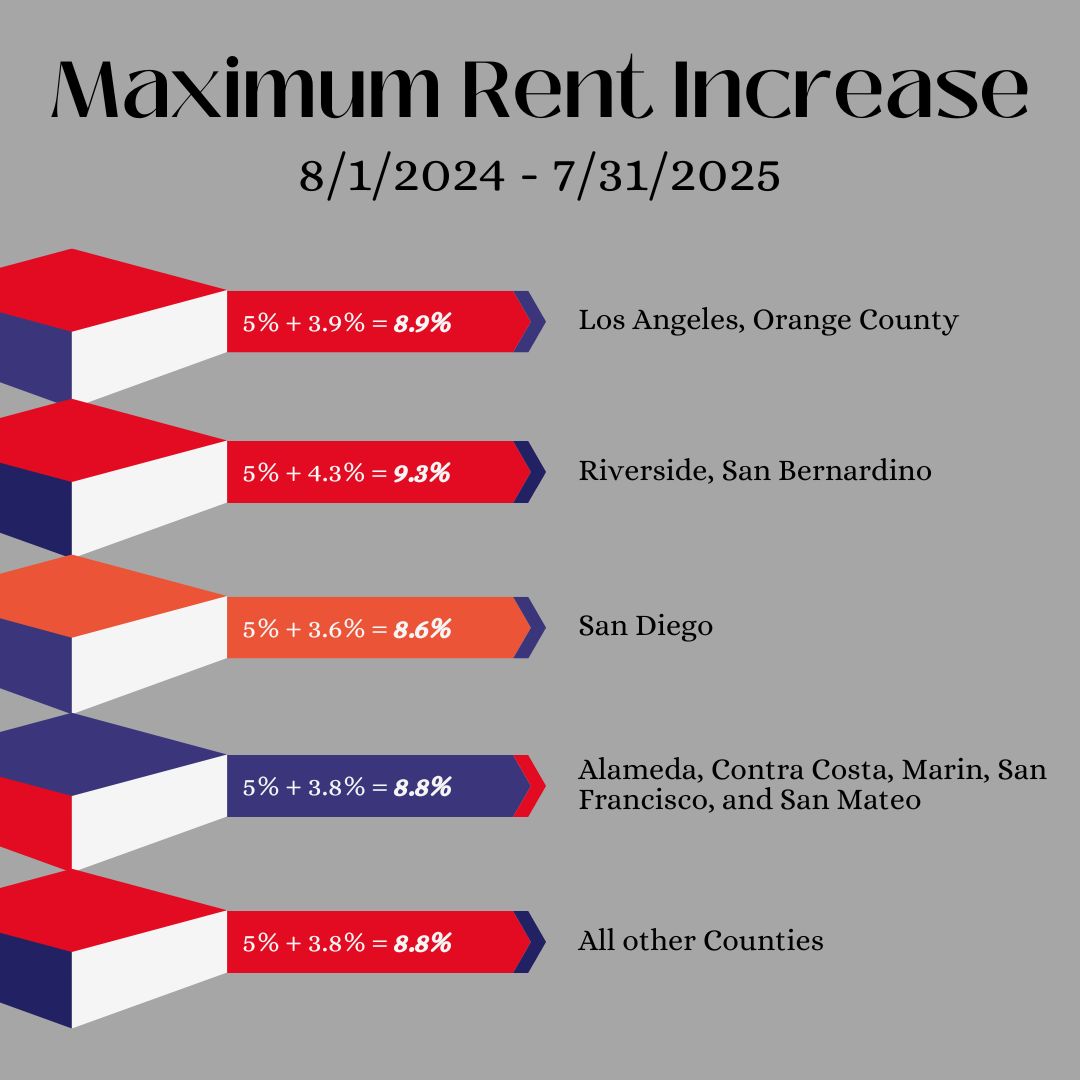
While [AB 1482] provides a statewide baseline for tenant protection, it’s important to recognize that many [California] cities have their own, often stricter, rent control ordinances that predate or supersede the state law. [AB 1482] explicitly states that it does not override any local ordinance that provides equal or greater protection than the state law. This means that if a city has a more restrictive rent cap or stronger just cause eviction requirements, those local rules apply instead of [AB 1482].
This creates a mosaic of regulations across [California], making it essential for anyone considering long-term accommodation to research the specific rules of their target city. For visitors contemplating an extended stay, perhaps for a remote work sabbatical or to explore specific [California] attractions, the choice of city can significantly impact rental costs and tenant rights. This section delves into how local ordinances interact with state law and highlights key urban centers with their own distinct rules.
Major Urban Centers and Their Specific Rules
Several major [California] cities are renowned for having robust rent control ordinances that go beyond the protections offered by [AB 1482]. These cities often have earlier established and more comprehensive tenant protections, reflecting their long-standing housing challenges and tenant advocacy efforts.
- [San Francisco]: Often considered the birthplace of strong rent control in [California], [San Francisco] has one of the most comprehensive rent stabilization ordinances. Many units built before June 13, 1979, are subject to stringent rent caps, typically tied to a percentage of the Consumer Price Index, which is often lower than the [AB 1482] cap. [San Francisco] also has very strong just cause eviction requirements, with specific rules for owner move-ins and the [Ellis Act].
- [Los Angeles]: The City of [Los Angeles] Rent Stabilization Ordinance (RSO) covers a vast number of units, primarily those built on or before October 1, 1978. Under the RSO, rent increases are tied to the CPI and are typically announced annually by the city, often resulting in a lower allowable increase than [AB 1482]’s 5% + CPI. The RSO also has very specific and strong just cause eviction provisions.
- [Oakland]: [Oakland]’s Rent Adjustment Program applies to most multi-unit properties built before 1983. It caps annual rent increases at a percentage of the CPI and has comprehensive just cause eviction rules, including relocation assistance for many no-fault evictions.
- [San Jose]: The City of [San Jose]’s Apartment Rent Ordinance covers multi-unit properties with three or more units built before September 7, 1979. It limits annual rent increases to a percentage of the CPI and also includes robust just cause eviction protections.
- [Berkeley]: Similar to [San Francisco], [Berkeley] has a long history of strong rent control, with a Rent Stabilization Ordinance that covers most units built before June 30, 1980. Rent increases are set annually by the Rent Board and are often very modest.
- [Santa Monica]: [Santa Monica]’s Rent Control Law, enacted in 1979, is one of the strictest in the state, covering most rental units built before April 1979. It sets a very low annual general adjustment for rent increases and has strict just cause eviction rules.
- [West Hollywood]: [West Hollywood] also has a comprehensive rent stabilization ordinance for units built before July 1, 1979, with annual rent increases typically tied to the CPI and robust eviction protections.
In these cities, landlords must adhere to the local ordinance if it provides greater tenant protections than [AB 1482]. This means potential renters in these areas might find even more stable housing costs than in other parts of the state. For property owners, understanding the specific city-level rules is paramount to avoid legal issues and ensure compliance. When considering accommodation in these vibrant urban centers, whether for a temporary work assignment or a permanent lifestyle change, thorough research into the local rent control board’s regulations is indispensable.
Implications for Long-Term Stays and Relocation
The diverse landscape of rent control across [California] has significant implications for anyone planning a long-term stay or considering relocation within the state. For individuals and families drawn to [California]’s unique blend of cultural experiences, outdoor adventures, and career opportunities, the cost and stability of housing are often deciding factors.
- Budgeting for Accommodation: For travelers planning extended trips or digital nomads looking for a base, the presence (or absence) of rent control can drastically affect their long-term budget. In cities with stricter local ordinances, annual rent increases are generally more predictable and lower, offering greater financial stability. Conversely, in areas where only [AB 1482] applies or where properties are exempt, renters might face higher and less predictable increases. This factor alone can guide decisions on where to search for apartments or houses, influencing the overall lifestyle one can afford in [California].
- Choosing a City for Relocation: The varying rent control laws often contribute to the attractiveness of different cities for relocation. A family prioritizing housing stability and lower, more predictable rent increases might gravitate towards a city like [San Francisco] or [Los Angeles] (where many older units are rent-controlled), despite the initial high entry cost. Those looking for newer construction or single-family homes, which might be exempt, would need to factor in potentially higher, less regulated rent increases over time.
- Impact on Rental Market Dynamics: The existence of rent control can also influence the availability and type of housing. Landlords in rent-controlled areas may be less inclined to undertake major renovations if they cannot significantly raise rents to recoup costs, potentially leading to a scarcity of updated units. Conversely, the demand for rent-controlled units remains high due to their affordability and stability.
- Considerations for Property Owners: For those considering property investment in [California], understanding rent control is critical. Investing in a property in a city with stringent local rent control means accepting limitations on future rent increases and potential complexities in tenant relations. Conversely, owning an exempt property offers more flexibility but may come with its own market risks.
In essence, the interplay of state and local rent control laws profoundly impacts the economic viability and lifestyle choices for anyone engaging with [California]’s housing market. Whether you’re a tourist planning an extended exploration of [California]’s landmarks, a professional seeking to relocate, or an investor, a nuanced understanding of these regulations is not just legal compliance—it’s strategic planning for your future in the Golden State.
Practical Considerations for Renters and Property Owners
Beyond understanding the legal frameworks of rent control, both tenants and landlords in [California] need to be aware of the practical aspects of implementing and navigating these rules. This includes specific notice requirements for rent increases and strategic considerations for long-term accommodation planning. For anyone involved in the [California] rental market, whether as a resident, a visitor seeking extended stays, or a property manager, these practicalities are just as important as the laws themselves.
Notice Requirements for Rent Increases
One of the most fundamental practical aspects of rent adjustments in [California] is the requirement for proper notice. Landlords cannot simply raise the rent without informing their tenants in advance and in writing. The length of the required notice period depends on the size of the increase:
- For rent increases of 10% or less: A minimum of 30 days’ written notice is required. This applies to the cumulative increase over any 12-month period, not just a single increase.
- For rent increases exceeding 10%: A minimum of 90 days’ written notice is required. This longer notice period allows tenants more time to plan and decide whether they can afford the new rent or need to seek alternative housing.
These notice requirements are crucial for ensuring transparency and giving tenants adequate time to adjust. Failure to provide proper notice can invalidate a rent increase, meaning the tenant would not be obligated to pay the higher rent until proper notice is given. Tenants should always review any notice of rent increase carefully, compare it against the applicable state and local rent control laws, and seek legal advice if they believe the increase is unlawful or the notice period is insufficient. This diligence is part of ensuring a smooth and legally compliant rental experience in [California].

Strategic Planning for California Accommodation
For individuals considering a move to [California], or even an extended stay that lasts several months, strategic planning around accommodation is essential. The diverse rent control landscape, coupled with the state’s high cost of living, means that where you choose to live, and for how long, can significantly impact your financial well-being and overall experience.
- Research Specific Locations: Before committing to a lease, thoroughly research the specific rent control laws applicable to your desired city or even neighborhood. Websites of city housing departments or local tenant rights organizations are excellent resources. For instance, renting in a non-rent-controlled part of [Sacramento] will have different implications than renting a unit covered by [San Francisco]’s stringent ordinance.
- Long-Term vs. Short-Term Accommodation: For travelers and digital nomads, the distinction between short-term (transient) and long-term accommodation is critical. Stays of 30 days or less are typically considered transient and are not subject to rent control or just cause eviction. For longer stays, understanding the protections available under [AB 1482] or local ordinances becomes vital. This informs decisions about whether to book an extended hotel stay, a serviced apartment, or a traditional residential lease.
- Budgeting for the “California Lifestyle”: The cost of housing is a significant component of the overall “California lifestyle.” Whether you’re drawn to the luxury travel experiences of [Beverly Hills], the natural beauty of [Palm Springs], or the vibrant culture around the [Golden Gate Bridge], your housing budget will determine how much you have left for attractions, dining, and other experiences. Factoring in potential (though capped) rent increases is part of creating a realistic financial plan.
- Understanding Your Rights: Both tenants and landlords benefit from a clear understanding of their rights and responsibilities. Tenants should know how to verify if their unit is subject to rent control, what the maximum allowable increase is, and what constitutes a “just cause” for eviction. Landlords must ensure compliance with all state and local laws, which often includes providing specific disclosures to tenants.
In conclusion, the question “How much can a landlord raise rent in [California]?” opens a door to a complex but manageable set of regulations. For anyone aspiring to experience the vibrant life, breathtaking destinations, and diverse opportunities that [California] offers, a well-informed approach to accommodation is your best guide. By understanding state laws like the [Tenant Protection Act of 2019] and the specific ordinances of cities like [Los Angeles], [San Francisco], and [Oakland], you can navigate the rental market with confidence, ensuring a stable and enjoyable stay in this iconic [United States] state. Whether you’re planning a thrilling adventure or seeking a new home, knowledge of these housing regulations is key to unlocking the full potential of your [California] experience.
LifeOutOfTheBox is a participant in the Amazon Services LLC Associates Program, an affiliate advertising program designed to provide a means for sites to earn advertising fees by advertising and linking to Amazon.com. Amazon, the Amazon logo, AmazonSupply, and the AmazonSupply logo are trademarks of Amazon.com, Inc. or its affiliates. As an Amazon Associate we earn affiliate commissions from qualifying purchases.