
Navigating the vibrant streets and diverse neighborhoods of Chicago offers an unparalleled urban experience, whether you’re a lifelong resident, a new transplant, or a visitor enjoying an extended stay. While the city is celebrated for its iconic architecture, world-class dining, and dynamic cultural scene, driving and parking a vehicle within its limits comes with specific responsibilities. One of the most critical, yet often overlooked, requirements for drivers is the Chicago City Vehicle Sticker. Understanding its purpose, cost, and the process of acquiring it is essential for anyone planning to operate or park a vehicle in the Windy City. This comprehensive guide aims to demystify the Chicago City Sticker, providing all the crucial information you need to avoid fines and ensure a smooth experience in this bustling metropolis.
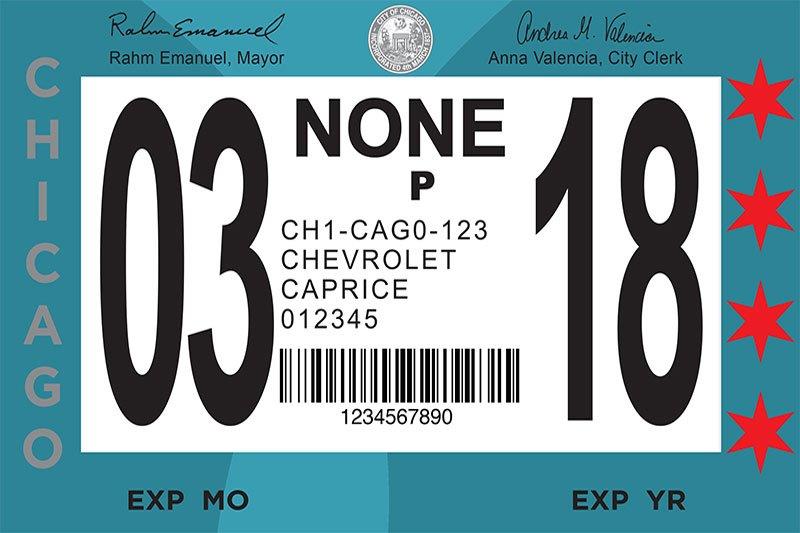
The Chicago City Sticker isn’t just a decal for your windshield; it’s an annual mandatory fee imposed by the city government on all vehicles registered to a Chicago address. This fee plays a vital role in funding essential municipal services, including street maintenance, snow removal, and various public safety initiatives that keep the city running efficiently. For travelers, especially those planning longer visits or considering a move, grasping the nuances of the City Sticker requirement can save considerable headaches and unexpected expenses, aligning perfectly with smart lifestyle choices and practical travel planning.
Navigating the Urban Landscape: Understanding the Chicago City Sticker
Before delving into the specific costs, it’s important to grasp the fundamental aspects of the Chicago City Sticker. This isn’t just another tax; it’s a specific requirement with a clear purpose and stringent enforcement.
What Exactly is a Chicago City Sticker?
The Chicago City Sticker is an annual decal that must be affixed to the lower right-hand corner of your vehicle’s front windshield. Its primary function is to serve as proof that the required annual vehicle use tax has been paid to the City of Chicago. This tax is distinct from your annual vehicle registration with the Illinois Secretary of State. While the state registration certifies your vehicle for operation on public roads in Illinois, the city sticker specifically grants you the privilege of parking and operating your vehicle within Chicago’s municipal boundaries. The revenue generated from these stickers is directly channeled into the city’s general fund, helping to finance a wide array of public services that benefit all residents and visitors. From maintaining the cleanliness of the streets to funding emergency services, the City Sticker is an integral part of Chicago’s financial ecosystem.
The requirement for a city sticker has a long history in Chicago, reflecting the city’s commitment to ensuring its infrastructure and services are adequately supported by those who utilize them most directly. It’s a system designed for equity, where vehicle owners contribute to the upkeep of the very environment they navigate daily. Understanding this distinction is crucial, as many new residents or first-time drivers in Chicago might confuse it with state registration and overlook this critical local requirement, leading to easily avoidable fines.
Who Needs to Display One?
The rules regarding who needs a Chicago City Sticker are fairly straightforward, though they do include some specific timelines and exemptions. Generally, any resident of Chicago who owns and operates a vehicle must purchase and display a valid sticker. This applies to:
- Chicago Residents: If your vehicle is registered to an address within Chicago city limits, you are required to have a sticker. This includes individuals living in apartments, condos, houses, or any other residential dwelling within the city.
- New Residents: If you’ve recently moved to Chicago, you have a grace period of 30 days from your move-in date to purchase and display a City Sticker. This allows time to get settled and complete the necessary paperwork.
- Vehicles Purchased: If you purchase a new or used vehicle while residing in Chicago, you also have 30 days from the date of purchase to obtain a new sticker, even if you are already a resident with other vehicles.
- Businesses: Vehicles owned or primarily operated by businesses located within Chicago also typically require a business City Sticker, often with different pricing tiers based on vehicle type and usage.
There are, however, a few notable exceptions:
- Temporary Visitors: If you are visiting Chicago for less than 30 consecutive days and your vehicle is registered outside the city, you are generally exempt from the City Sticker requirement. This is important for tourists or those on short business trips.
- Government Vehicles: Vehicles owned and operated by federal, state, or local government agencies (other than Chicago) are typically exempt.
- Specialized Vehicles: Certain types of vehicles, such as those used for farming (though rare in Chicago’s urban core) or specific emergency service vehicles, may have exemptions or different classifications.
It’s always prudent to double-check the latest regulations with the Chicago City Clerk’s Office if you fall into a unique category, as rules can sometimes be updated.
Decoding the Costs: How Much Will You Pay for Your Chicago City Sticker?
The central question for many is, “How much does a Chicago City Sticker actually cost?” The answer isn’t a single fixed price, as the cost varies based on several factors designed to create a fair and equitable system for all vehicle owners.
Factors Influencing the Price
The price of your Chicago City Sticker depends on:
- Vehicle Type: The most significant determinant. Passenger cars, SUVs, motorcycles, trucks, vans, and recreational vehicles each fall into different categories with distinct fee structures. Commercial vehicles, in particular, often have higher fees reflecting their greater impact on city infrastructure.
- Vehicle Weight: For passenger vehicles, weight is a key differentiator. Heavier vehicles generally incur a higher fee, as they are presumed to cause more wear and tear on city streets.
- Vehicle Age: The City of Chicago offers a notable discount for older passenger vehicles. This incentive acknowledges that older cars might be less frequently driven or belong to residents with tighter budgets, making the sticker more accessible. For example, vehicles 10 years or older typically qualify for a reduced rate.
- Purchase Timing (Proration): While the City Sticker is an annual fee, its expiration date is tied to your Illinois Secretary of State registration. If you purchase a sticker mid-year (e.g., when you move to Chicago or buy a new car), the cost will be prorated based on the remaining months until your next renewal date. This ensures you only pay for the period you’ll be using the sticker.
- Discounts and Special Categories: Chicago offers specific discounts to certain demographics to ease the financial burden. The most prominent is the senior citizen discount, available to residents 65 years or older who own and primarily operate the vehicle. There may also be provisions or considerations for persons with disabilities or military personnel, though these can vary and should be confirmed with the City Clerk’s Office.
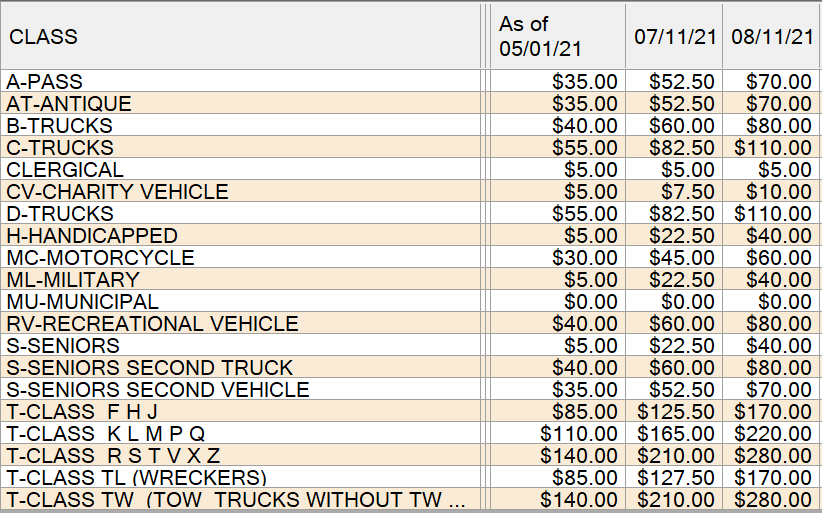
Typical Pricing Tiers (Estimates and Ranges)
Please note that these are approximate costs and are subject to change by the Chicago City Clerk’s Office. It’s always best to verify the most current rates on their official website.
- Standard Passenger Cars:
- Vehicles 4,500 lbs and under: Approximately $90 – $95 annually. This category includes most compact cars, sedans, and smaller SUVs.
- Vehicles over 4,500 lbs: Approximately $140 – $145 annually. This covers larger sedans, many SUVs, minivans, and light trucks.
- Motorcycles: Typically have a lower flat fee, around $45 – $50 annually.
- Large Trucks/Vans and Commercial Vehicles: Prices can vary significantly based on weight class and intended use, ranging from $200 to over $1,000 for the heaviest commercial vehicles.
- Senior Citizen Discount: Eligible seniors (65 years and older, for their primary vehicle) can receive a substantial discount, often bringing the cost down to around $30 – $35 for a passenger vehicle. This is a significant saving for those who qualify.
- Older Vehicle Discount: Passenger vehicles 10 years or older typically receive a reduced rate, often aligning with or slightly below the senior citizen rate.
Crucial Note on Late Fees: One of the most important aspects to understand about City Sticker costs is the penalty for late renewal. If you fail to purchase or renew your sticker by the due date, you will incur a substantial late fee, which can effectively double the base cost of your sticker. For example, a standard passenger vehicle sticker that costs $90 might jump to $180 or more if purchased late. This financial penalty underscores the importance of timely acquisition and renewal.
The Purchase Process: Acquiring Your Chicago City Sticker
Once you understand the costs, the next step is to know how and where to purchase your Chicago City Sticker. The city has made the process relatively convenient with multiple purchasing options.
Where to Buy Your Sticker
- Online (Recommended): The most convenient method is through the official Chicago City Clerk’s Office website. This platform is available 24/7, allowing you to complete your purchase from the comfort of your home. After purchase, the sticker is mailed directly to your registered address. This option is ideal for renewals or if you have ample time before your deadline.
- Chicago City Clerk’s Office Locations: You can visit one of the City Clerk’s physical offices located in various parts of Chicago. This is a good option if you need the sticker immediately or prefer in-person assistance.
- Aldermanic Ward Offices: Many of Chicago’s 50 ward offices serve as satellite locations for purchasing city stickers. This can be a convenient option as these offices are spread throughout different neighborhoods.
- Authorized Vendors: Numerous currency exchange locations and other retail partners across the city are authorized to sell Chicago City Stickers. These vendors offer extended hours and widespread accessibility, though they may charge a small convenience fee in addition to the sticker cost.
- Department of Finance Payment Centers: The city’s Department of Finance operates payment centers where you can also purchase city stickers.
- Mobile Sales Vans: During peak renewal periods, the City Clerk’s Office often deploys mobile sales vans to various community events and public locations, making it even easier to purchase or renew your sticker on the go.
What You’ll Need
Regardless of where you purchase your sticker, you’ll need to provide certain documentation:
- Current Vehicle Registration: Your valid Illinois Secretary of State vehicle registration is essential. This document contains your license plate number, Vehicle Identification Number (VIN), and registration expiration date.
- Proof of Chicago Residency: For new residents or first-time purchasers, proof of your Chicago address is required. Acceptable documents include an Illinois Driver’s License or State ID with your current Chicago address, a utility bill in your name, or a lease agreement.
- Payment: Acceptable payment methods typically include credit/debit cards, checks, and money orders. Cash is usually accepted at physical locations.
- Previous City Sticker (for renewals): While not strictly required, having your old sticker number or renewal notice can expedite the process.
Important Dates and Renewal
The expiration date for your Chicago City Sticker is typically synchronized with your Illinois Secretary of State vehicle registration. This alignment simplifies the process, as you usually only need to remember one renewal date for your vehicle’s official paperwork.
- Renewal Period: The City Clerk’s Office generally sends out renewal notices approximately 90 days before your sticker expires. This ample lead time is designed to give you plenty of opportunity to renew without rushing.
- Grace Period: While it’s always best to renew before the expiration date, Chicago typically offers a short grace period (often 15 days) after your sticker’s expiration. However, relying on this grace period is risky, as enforcement officers may not always honor it, and fines can still be issued. It’s far safer to renew proactively.
- Consequences of Lateness: As previously mentioned, failing to renew on time results in significant late fees, which are added to the sticker’s base price. Furthermore, operating or parking a vehicle with an expired or missing sticker is a violation that can lead to costly tickets, booting, or even towing.
Beyond the Sticker: Fines, Enforcement, and Practical Tips for Chicago Drivers
Acquiring your Chicago City Sticker is just one piece of the puzzle. Understanding the consequences of non-compliance and embracing smart driving habits in Chicago are equally vital for a stress-free experience.
The Cost of Non-Compliance: Fines and Penalties
Chicago has a diligent parking and traffic enforcement system, and vehicles without a valid city sticker are easily identified. The financial penalties for non-compliance are steep and designed to strongly discourage violations:
- Typical Fine: The standard fine for not displaying a valid Chicago City Sticker can range from $60 to $120 per offense. This fine is issued by parking enforcement officers and can be applied daily if the vehicle remains parked on public streets without a proper sticker.
- Daily Violation: It’s critical to understand that this is not a one-time fine for the year. If your vehicle is parked on a Chicago street without a valid sticker, you could receive a ticket every single day it’s observed by enforcement. This can quickly escalate into hundreds of dollars in fines within a week.
- Booting and Towing: Accumulating multiple unpaid City Sticker tickets (or any other parking violations) can lead to your vehicle being booted or towed. The cost to release a booted or towed vehicle can run into hundreds of dollars, including impoundment fees, storage fees, and the original fines. This is a far more expensive and inconvenient outcome than simply purchasing the sticker upfront.
The message is clear: the cost of neglecting the Chicago City Sticker requirement is significantly higher than the sticker itself. Proactive compliance is always the most economical and hassle-free approach.

Tips for Visitors, New Residents, and Budget Travelers
Whether you’re exploring Chicago for a brief getaway or settling in for the long haul, these tips can help you navigate vehicle requirements and maintain your budget:
- For Short-Term Visitors (Less Than 30 Days): If you’re visiting Chicago for a period under 30 days and your vehicle is registered elsewhere, you are generally exempt from the City Sticker. However, remember that all other Chicago parking regulations (metered parking, street cleaning rules, residential parking zones) still apply. Consider utilizing Chicago’s excellent public transportation system (CTA) or ride-sharing services to minimize parking hassles and costs. If you must drive, research parking garages near your destination in advance.
- For Extended Stays or New Residents: If your stay will exceed 30 days, or if you’re establishing residency in Chicago, make obtaining your City Sticker a top priority within the 30-day grace period. Factor this cost into your moving or extended travel budget. Planning ahead prevents stress and expensive fines.
- Parking Strategies: Even with a valid City Sticker, finding parking in Chicago can be challenging.
- Residential Parking Permits: If you live in a residential zone, you might need a separate residential parking permit in addition to your City Sticker to park on certain streets. Check with your alderman’s office for details on your specific zone.
- Parking Apps: Utilize apps like SpotHero or ParkWhiz to find and reserve parking spots in garages, often at a discounted rate compared to drive-up prices.
- Public Transit Integration: Consider parking your car at a CTA park-and-ride lot on the outskirts of the city and using public transit for your daily commute into the bustling Loop or other dense areas.
- Budget Travel Connection: Avoiding fines for a missing City Sticker is a fundamental aspect of budget travel and responsible city living. The relatively small upfront cost of the sticker is a wise investment to protect yourself from much larger penalties that could quickly derail your travel budget or financial planning as a resident.
- Staying Informed: Regulations and fees can change. Always refer to the official Chicago City Clerk’s Office website for the most accurate and up-to-date information regarding fees, requirements, and purchase locations.
In conclusion, the Chicago City Vehicle Sticker is an unavoidable but manageable aspect of driving in Chicago. By understanding its purpose, the various factors influencing its cost, and the straightforward purchase process, you can ensure compliance and avoid unnecessary financial burdens. Whether you’re navigating Chicago’s world-renowned attractions, commuting to work, or simply enjoying the local lifestyle, having your City Sticker in order provides peace of mind, allowing you to focus on everything else this magnificent city has to offer. Make it a priority, stay informed, and enjoy a seamless driving experience in Chicago.
LifeOutOfTheBox is a participant in the Amazon Services LLC Associates Program, an affiliate advertising program designed to provide a means for sites to earn advertising fees by advertising and linking to Amazon.com. Amazon, the Amazon logo, AmazonSupply, and the AmazonSupply logo are trademarks of Amazon.com, Inc. or its affiliates. As an Amazon Associate we earn affiliate commissions from qualifying purchases.