
When considering a career move or exploring new opportunities, understanding the earning potential is a crucial factor. For those in the nursing profession, Colorado presents an attractive landscape, not only for its breathtaking natural beauty and vibrant cities but also for its competitive salaries. Whether you’re a seasoned Registered Nurse (RN), a specialized Nurse Practitioner (NP), or embarking on your nursing journey as a Licensed Practical Nurse (LPN), knowing the typical income in the Centennial State can significantly inform your decisions. This exploration delves into the earning potential for various nursing roles in Colorado, examining the factors that influence these figures and offering insights into maximizing your compensation in this dynamic healthcare environment.

The allure of Colorado extends beyond its world-class ski resorts like those found near Aspen or Vail, or the hiking trails in Rocky Mountain National Park. For nurses, it represents a chance to live a lifestyle that balances professional fulfillment with outdoor adventure and a high quality of life. From the bustling urban centers of Denver and Colorado Springs to charming mountain towns, the demand for skilled nursing professionals remains consistently strong. This demand, coupled with the cost of living and the specific skills required, contributes to the compensation packages offered to nurses across the state.
Understanding the Nursing Landscape in Colorado
The nursing profession in Colorado is diverse, encompassing a wide range of specializations and levels of expertise. The salary of a nurse is not a monolithic figure; rather, it’s a complex equation influenced by several variables. These include the nurse’s specific role and qualifications, their years of experience, the geographic location within Colorado, the type of healthcare facility they work for, and the overall demand for their particular skill set.
Registered Nurses (RNs) in Colorado
Registered Nurses form the backbone of the healthcare system, providing direct patient care, administering medications, educating patients and families, and collaborating with other healthcare professionals. In Colorado, the earning potential for RNs is robust, reflecting their critical role.
On average, Registered Nurses in Colorado can expect to earn a median annual salary that is competitive nationally. This median figure, however, is a midpoint, and actual salaries can range significantly. Entry-level RNs with less than a year of experience might start at a lower end of the spectrum, while highly experienced RNs, particularly those with advanced degrees or specialized certifications, can command substantially higher incomes.
Several factors contribute to the variation in RN salaries within Colorado:
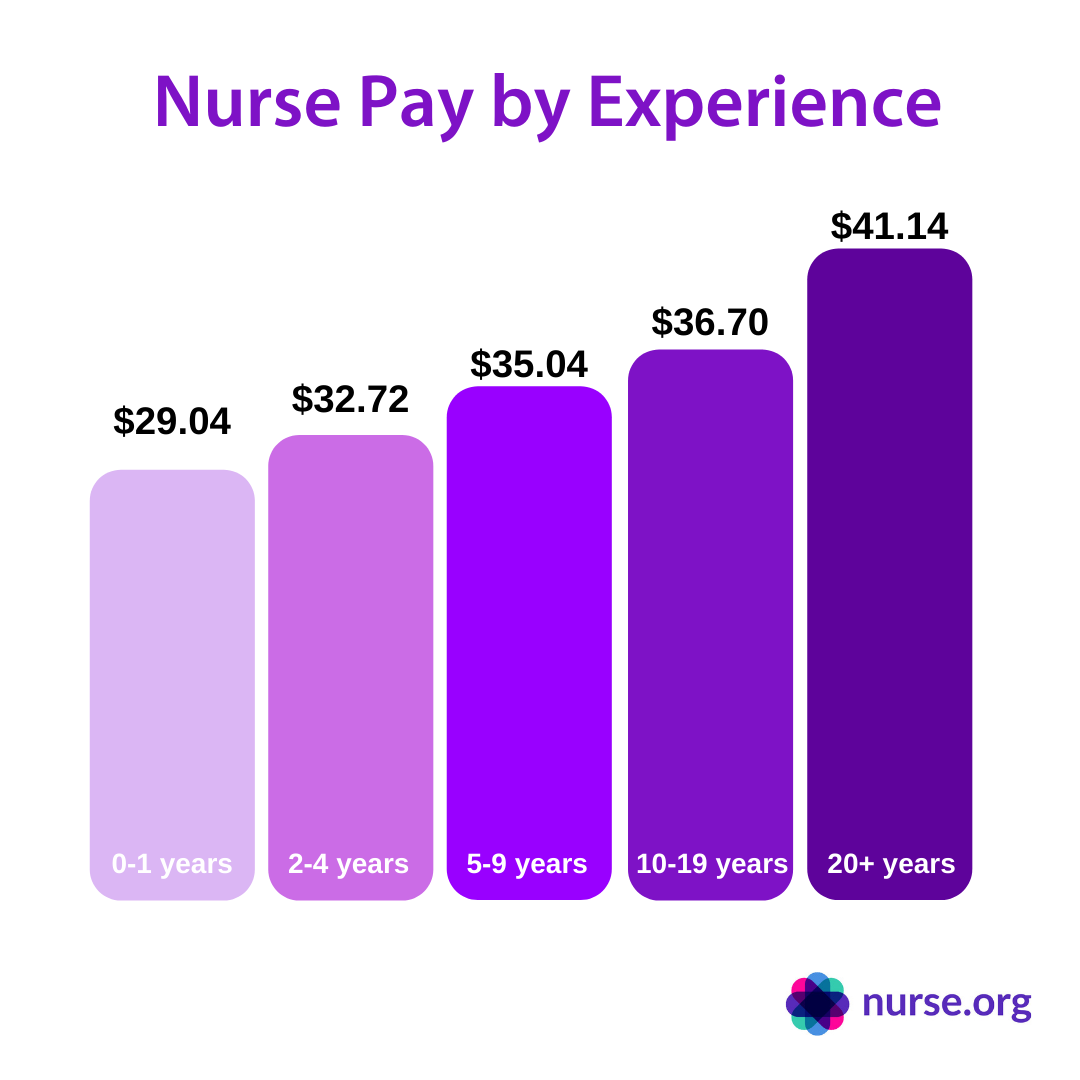
- Experience Level: This is arguably the most significant factor. As nurses gain experience, they develop a deeper understanding of patient care, critical thinking skills, and often take on more responsibility, leading to higher pay. A nurse with 10-15 years of experience will typically earn more than a recent graduate.
- Geographic Location: Salaries can differ considerably depending on the city or region within Colorado. Larger metropolitan areas like Denver and its surrounding suburbs often offer higher salaries to attract and retain talent due to a higher cost of living and greater demand. Similarly, nurses working in specialized facilities or areas with a critical shortage of healthcare professionals might see their pay increase. For instance, a nurse working in a downtown Denver hospital might earn more than one in a smaller rural community, though the cost of living in Denver is also higher.
- Type of Healthcare Facility: The setting in which a nurse works plays a pivotal role in their compensation. Hospitals, especially large, well-established medical centers like UCHealth University of Colorado Hospital or Centura Health facilities, often offer more competitive salaries and benefits packages compared to smaller clinics or long-term care facilities. Travel nursing assignments, which are prevalent in areas with staffing shortages, can also offer significantly higher pay rates, although these roles come with their own set of considerations.
- Specialty and Certifications: RNs who specialize in high-demand areas such as Intensive Care Unit (ICU), Emergency Room (ER), Operating Room (OR), or Neonatal Intensive Care Unit (NICU) generally earn more than those in general medical-surgical units. Furthermore, obtaining certifications in specialized areas, such as Certified Registered Nurse Anesthetist (CRNA) or Certified Nurse Midwife (CNM), significantly boosts earning potential, often requiring advanced education and rigorous examinations.
Licensed Practical Nurses (LPNs) and Certified Nursing Assistants (CNAs)
While RNs hold a higher degree of responsibility and typically earn more, Licensed Practical Nurses (LPNs) and Certified Nursing Assistants (CNAs) play vital roles in patient care. Their compensation reflects their scope of practice and required educational background.
Licensed Practical Nurses (LPNs) in Colorado provide basic nursing care under the supervision of RNs and physicians. Their duties include monitoring patients, taking vital signs, administering certain medications, and assisting with daily living activities. The average salary for LPNs in Colorado is lower than that of RNs, but still offers a respectable income. Like RNs, their pay is influenced by experience, location, and the type of facility they work in. LPNs are often found in nursing homes, assisted living facilities, and some hospital settings.
Certified Nursing Assistants (CNAs), while not nurses, are indispensable members of the healthcare team. They provide essential direct patient care, assisting with bathing, dressing, feeding, and mobility. The educational requirements for CNAs are less extensive, typically involving a short training program and certification exam. Consequently, their average salaries in Colorado are lower than those of LPNs and RNs. However, their work is foundational to patient well-being, and many CNAs use their experience as a stepping stone to further their education in nursing.
Advanced Practice Registered Nurses (APRNs)
For nurses looking to advance their careers and significantly increase their earning potential, pursuing an advanced degree to become an Advanced Practice Registered Nurse (APRN) is an excellent pathway. APRNs in Colorado, which include Nurse Practitioners (NPs), Clinical Nurse Specialists (CNSs), Certified Registered Nurse Anesthetists (CRNAs), and Certified Nurse Midwives (CNMs), are highly sought-after professionals with expanded roles and responsibilities.
Nurse Practitioners (NPs), for example, can diagnose illnesses, prescribe medications, and manage patient care, often functioning similarly to physicians in primary care settings. Their salaries in Colorado are considerably higher than those of RNs, reflecting their advanced education and autonomy. The specific NP specialty, such as Family Nurse Practitioner (FNP), Adult-Gerontology Nurse Practitioner (AGNP), or Psychiatric-Mental Health Nurse Practitioner (PMHNP), can also influence earning potential.
Certified Registered Nurse Anesthetists (CRNAs) in Colorado are among the highest-earning nursing professionals. They are responsible for administering anesthesia and providing related care before, during, and after surgical, therapeutic, diagnostic, and obstetrical procedures. The demand for CRNAs is consistently high, and their specialized skills and extensive training are reflected in their impressive salaries.
Certified Nurse Midwives (CNMs) provide a range of gynecological and obstetric care, from family planning to labor and delivery. Their expertise is valued, and their compensation typically reflects this specialized skill set.
Factors Influencing Nursing Salaries in Colorado
Beyond the basic distinctions between nursing roles, several other elements play a crucial part in shaping how much a nurse earns in Colorado. Understanding these nuances can help nurses strategize their career paths to maximize their income.
The Impact of Location Within Colorado
As mentioned, the geographical location within Colorado significantly impacts nursing salaries. The primary driver is often the cost of living. Cities with higher costs of living, such as Denver, Boulder, and Fort Collins, tend to offer higher salaries to compensate for the increased expenses associated with housing, transportation, and daily life. For example, a nurse working at a major hospital in Denver may see a higher paycheck than a nurse with identical qualifications working in a more rural area of Colorado, such as Grand Junction or Pueblo.
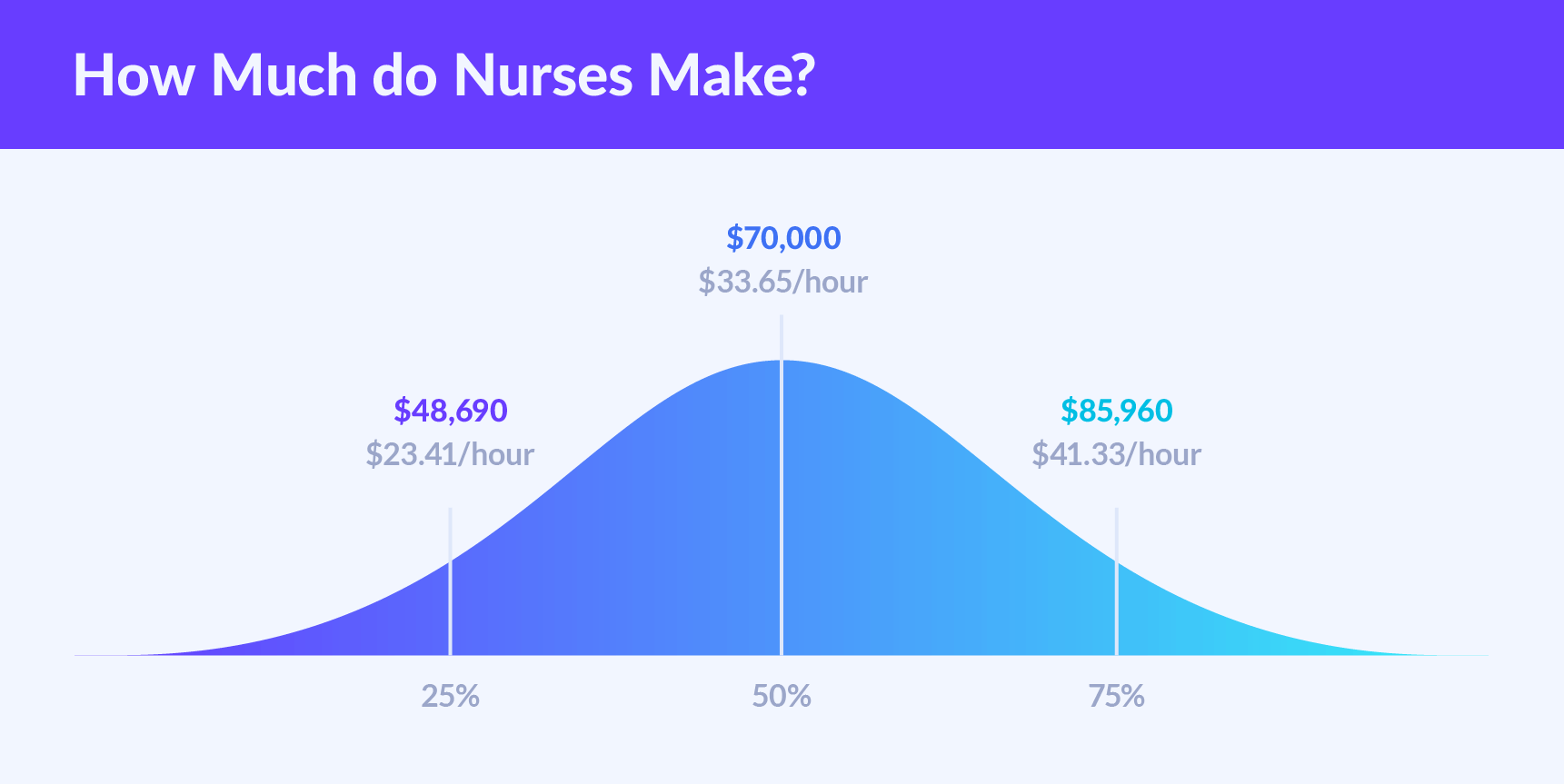
However, it’s essential to consider the overall financial picture. While salaries might be lower in less populated areas, the cost of living can also be substantially less, potentially making the net disposable income comparable or even higher in some cases. Additionally, rural or underserved areas might offer incentives, such as student loan repayment programs or housing assistance, to attract healthcare professionals.
Demand and Specialization
The healthcare industry is dynamic, and the demand for nurses with specific skills and specializations can fluctuate. Areas experiencing a shortage of nurses, whether due to an aging population, increased healthcare needs, or a lack of qualified professionals, will typically offer higher salaries to attract talent. This is particularly true for critical care specialties like ER, ICU, and oncology.
Nurses who possess in-demand certifications or skills, such as those in pediatric critical care, trauma nursing, or advanced cardiac life support, often command higher salaries. Investing in continuing education and acquiring specialized certifications can be a wise financial move for any nurse looking to enhance their earning potential.
Type of Employer and Benefits
The type of healthcare facility employing a nurse also influences their salary. Large hospital systems, such as SCL Health or Banner Health, may have more standardized pay scales but often offer comprehensive benefits packages, including health insurance, retirement plans, paid time off, and continuing education allowances. These benefits can add significant value to the overall compensation, even if the base salary appears comparable to other institutions.
Outpatient clinics, physician’s offices, and specialized medical centers might offer different salary structures. Furthermore, the rise of travel nursing in Colorado has created opportunities for high per diem rates, often accompanied by housing stipends or allowances, for nurses willing to work on short-term contracts in areas with acute staffing needs. While these roles can be lucrative, they often require flexibility and a willingness to relocate temporarily.
The Role of Education and Experience
The foundational elements of education and experience remain paramount in determining nursing salaries in Colorado. Nurses with a Bachelor of Science in Nursing (BSN) generally earn more than those with an Associate Degree in Nursing (ADN), especially in positions that require or prefer a BSN. Pursuing a Master of Science in Nursing (MSN) or a Doctor of Nursing Practice (DNP) degree opens doors to advanced practice roles and leadership positions, leading to significantly higher earning potential.
Years of experience translate into a deeper skill set, greater responsibility, and proven competence, all of which are rewarded with higher salaries. Nurses who consistently seek professional development, take on leadership roles, and acquire specialized knowledge are well-positioned for salary growth throughout their careers.
Maximizing Your Nursing Income in Colorado
For nurses in Colorado, several strategies can help maximize their earning potential. Proactive career planning, continuous learning, and strategic job choices are key.
Pursuing Advanced Education and Certifications
As highlighted, investing in higher education and specialized certifications is one of the most effective ways to boost income. A BSN is becoming the standard for many nursing roles, and advanced degrees like an MSN or DNP are essential for APRN positions. Obtaining certifications in high-demand specialties, such as Critical Care Registered Nurse (CCRN), Certified Pediatric Nurse (CPN), or Oncology Certified Nurse (OCN), can make a nurse more attractive to employers and justify higher salary requests.
Exploring Travel Nursing
Travel nursing offers a unique opportunity for nurses to earn significantly more than their permanent counterparts. In Colorado, travel nurses are in demand, particularly in specialized units or during peak seasons. While travel nursing involves a degree of impermanence, the financial rewards, combined with the chance to experience different parts of the state, from the majestic San Juan Mountains to the urban vibrancy of Denver, can be very appealing. It’s important for aspiring travel nurses to research reputable agencies and understand the full scope of compensation, including benefits and stipends.
Negotiating Salary and Benefits
Nurses should not shy away from negotiating their salary and benefits. Before accepting a job offer, it is crucial to research the average salary for similar roles in the specific Colorado location and with comparable experience. Understanding your worth and being prepared to articulate your skills and experience can lead to a more favorable compensation package. This includes negotiating not only the base salary but also benefits such as health insurance, retirement contributions, paid time off, and opportunities for professional development.
Considering Different Healthcare Settings
While hospitals are a common employer, exploring other healthcare settings can also lead to competitive incomes. For example, working in an ambulatory surgery center, a specialized clinic, or even in healthcare administration or education can offer different salary structures and work-life balances. Some of these roles might require additional qualifications or experience, but they can be rewarding both professionally and financially.
Networking and Professional Development
Engaging with professional nursing organizations in Colorado, attending conferences, and participating in continuing education programs can open doors to new opportunities and provide insights into higher-paying roles. Building a strong professional network can lead to valuable connections and referrals, which are often key to landing well-compensated positions.
In conclusion, Colorado offers a promising financial outlook for nurses across various roles. By understanding the factors that influence nursing salaries – from specialization and experience to location and employer type – and by proactively pursuing advanced education, certifications, and strategic career moves, nurses can significantly enhance their earning potential in this beautiful and thriving state. The combination of a competitive salary, a high quality of life, and access to stunning natural landscapes makes Colorado an increasingly attractive destination for nursing professionals.