
Florida, a state synonymous with sun-drenched beaches, vibrant theme parks, and a thriving tourism industry, also presents a lucrative landscape for real estate professionals. The allure of the Sunshine State extends beyond its captivating vacation spots; it’s a destination for permanent residency and investment, fueling a dynamic housing market. For those considering a career in real estate or looking to understand the financial potential within this sector, the question arises: How much do realtors make in Florida? This exploration delves into the factors influencing realtor earnings in the state, from commission structures and market trends to the impact of lifestyle and specialization.
The compensation of a real estate agent, or realtor, is not a fixed salary. Instead, it’s predominantly commission-based, meaning their income is directly tied to the successful sale or purchase of properties. This inherent variability means that earnings can fluctuate significantly, influenced by a multitude of internal and external forces. Understanding these drivers is crucial for anyone aspiring to enter or excel in the Florida real estate market.
The Commission-Based Ecosystem of Florida Real Estate
At the heart of a realtor’s earnings in Florida lies the commission structure. When a property is sold, the seller typically pays a commission to the brokerage firms involved in the transaction. This commission is then split between the listing agent’s brokerage and the buyer’s agent’s brokerage. Subsequently, each brokerage splits its portion with the individual agent, usually based on a pre-determined percentage.
Understanding Commission Splits and Brokerage Fees
The percentage a realtor ultimately takes home after the split can vary widely. New agents might start with a lower split, perhaps 50%, while seasoned professionals with a proven track record can negotiate much higher splits, sometimes reaching 80% or even 90%. This is often facilitated by the fact that successful agents can bring significant business to a brokerage. Brokerages themselves take a cut to cover their operational costs, marketing support, and the technology they provide to their agents.
The Role of Transaction Volume and Property Value
Naturally, the more transactions a realtor successfully closes, the higher their potential income. This is amplified by the value of the properties they handle. Selling high-end luxury properties in areas like Miami Beach or Naples will yield significantly larger commissions than selling more modest homes. For instance, a 3% commission on a $500,000 property amounts to $15,000, which is then split. The same 3% commission on a $5 million property results in $150,000, a vastly different figure.
Average Commission Rates in Florida
While commission rates are negotiable, they typically fall within a range of 5% to 6% of the property’s sale price. This percentage is then divided between the buyer’s and seller’s agents and their respective brokerages. A common arrangement is a 50/50 split between the listing and buyer’s agent brokerages. It’s imperative for realtors to understand these percentages and how they translate into their net earnings after all splits and fees.
The Impact of Brokerage Choice
The choice of brokerage firm can significantly influence a realtor’s income. Some brokerages offer more comprehensive training and marketing support, which can help agents close more deals. Others might have a more favorable commission split structure for agents. Some of the prominent brokerages operating in Florida include Coldwell Banker, Keller Williams, and RE/MAX, each with its own operational model and agent compensation plans.
Factors Influencing Realtor Earnings in Florida
Beyond the basic commission structure, several other critical factors shape how much a realtor earns in the diverse Florida market. These range from market dynamics and economic conditions to the agent’s personal skills and dedication.
Market Conditions and Economic Climate
Florida’s real estate market is inherently cyclical and heavily influenced by broader economic trends. Periods of strong economic growth, low interest rates, and an influx of new residents tend to drive up property values and sales volume. Conversely, economic downturns or rising interest rates can cool the market, leading to fewer transactions and potentially lower earnings for realtors. The state’s robust tourism industry also plays a significant role, particularly in coastal areas and around major attractions like Walt Disney World and Universal Studios Florida, creating demand for vacation homes and investment properties.
Geographic Location Within Florida
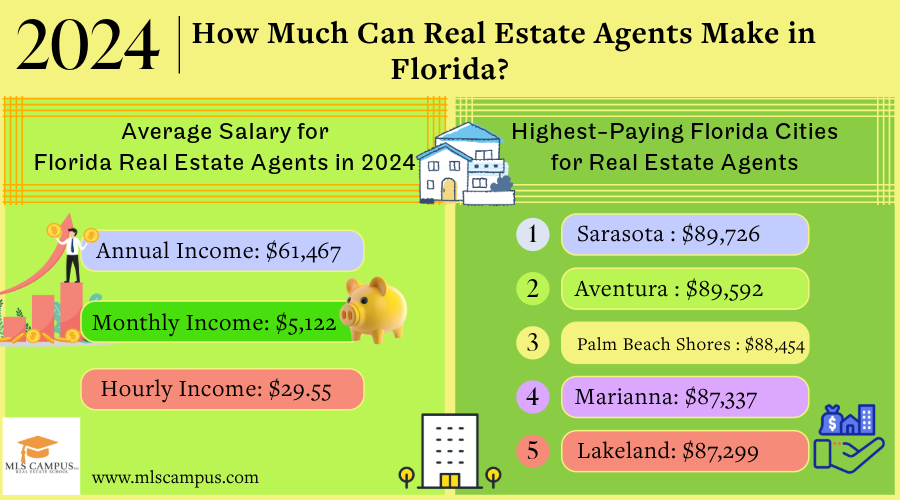
The earning potential of a realtor can vary dramatically depending on the specific region within Florida they operate. High-demand, high-cost areas like Miami-Dade County, Broward County, and the exclusive enclaves of Palm Beach typically offer higher commission opportunities due to the elevated property values. In contrast, realtors working in more rural or less densely populated areas might find their earning potential limited by lower property prices and a smaller volume of transactions. Cities like Orlando, Tampa, and Jacksonville represent major metropolitan hubs with diverse market segments, each offering unique earning possibilities.
Experience and Specialization
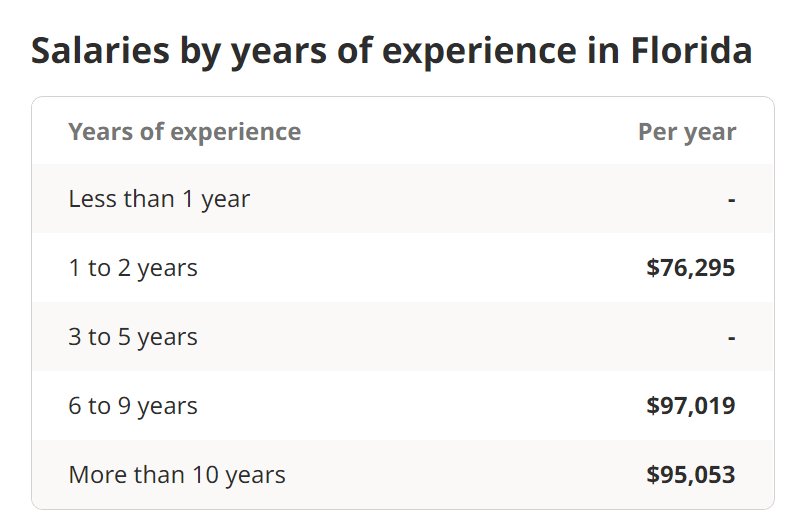
A realtor’s level of experience is a significant determinant of their earning capacity. Newer agents often struggle to build a client base and may earn less in their initial years. As they gain experience, develop a strong network, and refine their sales techniques, their ability to close deals and command higher commissions increases. Specializing in a particular niche can also be highly profitable. For example, agents who focus on luxury waterfront properties, commercial real estate, or investment properties in burgeoning areas like Fort Lauderdale can carve out a profitable market share. Specializations might include luxury condos in Sunny Isles Beach, vacation rentals near Key West, or industrial properties in the Tampa Bay area.
Marketing and Networking Skills
Success in real estate is not solely about knowledge of the market; it’s also about effective marketing and robust networking. Realtors who excel at personal branding, utilize digital marketing strategies, and actively cultivate relationships with past clients, potential buyers and sellers, and other industry professionals are more likely to secure listings and find buyers. Their ability to generate leads and convert them into sales directly impacts their income. This includes effective promotion of listings, whether they are beachfront villas in Sarasota or urban apartments in Downtown Miami.
The Lifestyle Factor: Work Ethic and Dedication
Real estate is not a 9-to-5 job. Successful realtors often work long hours, including evenings and weekends, to accommodate client schedules, attend open houses, and manage transactions. A strong work ethic, dedication, and a proactive approach are paramount. Those who treat their real estate career as a business, invest time in continuous learning, and are relentless in their pursuit of clients and deals are the ones who tend to achieve higher earnings. This dedication is particularly crucial in a competitive market like Florida, with its abundant tourism and lifestyle appeal driving constant property movement. The lifestyle of a realtor in Florida can be demanding but also incredibly rewarding for those who thrive in a dynamic and entrepreneurial environment.
Estimating Realtor Earnings in Florida
Quantifying the exact earnings of a Florida realtor is challenging due to the inherent variability. However, by considering the average sales price, commission rates, and typical transaction volumes, one can arrive at an estimated range.
Entry-Level vs. Experienced Realtor Earnings
For a new realtor in Florida, especially one starting at a brokerage with a 50% commission split, initial earnings might be modest. If they manage to close just a few sales a year, their take-home pay after splits could be in the range of $30,000 to $50,000 annually. This figure often includes the need for ongoing professional development, licensing fees, and marketing expenses.
Experienced realtors, particularly those with a strong reputation, a well-established network, and a higher commission split (e.g., 70-80%), can see significantly higher earnings. A successful realtor closing 10-15 transactions a year with an average sales price of $400,000, and retaining 70% of a 3% commission after all splits, could potentially earn well over $100,000, and in many cases, significantly more. Top-performing agents in high-value markets can easily surpass $200,000, $300,000, or even higher.
The Influence of Specialization and High-Value Markets
Realtors specializing in luxury markets, such as waterfront homes in Boca Raton or exclusive penthouses in Aventura, often earn substantially more due to the higher property values and the potential for larger commission checks per transaction. Similarly, agents involved in commercial real estate or large development projects can achieve astronomical earnings. The demand for vacation properties and investment opportunities in Florida, driven by its status as a premier tourist destination with world-class resorts and attractions like SeaWorld Orlando, contributes to a consistent flow of transactions, particularly in popular areas.

Factors to Consider for Aspiring Realtors
Aspiring realtors in Florida should be prepared for the entrepreneurial nature of the profession. Income is not guaranteed, and building a sustainable career requires significant effort, investment in marketing and education, and a deep understanding of the local real estate market. Networking opportunities are vast, from connecting with potential clients at local events in cities like St. Petersburg to collaborating with property managers for long-term stay accommodations. The lifestyle choices of Florida residents and visitors alike, from luxury travelers seeking exclusive resorts to families planning budget-friendly theme park vacations, all contribute to the diverse demands on the real estate market. Understanding these nuances is key to a realtor’s success and, consequently, their earning potential. For instance, a realtor focusing on short-term vacation rentals near attractions like Busch Gardens Tampa Bay will have a different client base and income stream than one specializing in primary residences in suburban neighborhoods.