
California, renowned for its vibrant culture, stunning natural beauty, and innovative spirit, is a dream destination for many. From the sun-kissed beaches of Southern California to the majestic redwoods of the north, and the bustling metropolises of Los Angeles and San Francisco, the Golden State offers an unparalleled lifestyle. Yet, beneath the glamour and appeal, lies a practical consideration for anyone contemplating a move or career in this dynamic state: the cost of living and, crucially, earning potential. For those driven by a desire to make a profound difference in people’s lives, social work presents a challenging yet rewarding career path. But how does a social worker’s salary in California measure up against the state’s famously high expenses, and what kind of lifestyle can one expect to build?
This exploration dives into the financial realities for social workers across California, examining salary ranges, influencing factors, and how these earnings translate into daily life, travel opportunities, and accommodation choices in one of the United States’ most desirable states. Understanding the economic landscape is paramount for any professional, especially those in service-oriented fields, to ensure a sustainable and fulfilling journey in California.
Understanding the Landscape of Social Work Salaries in California
The field of social work is incredibly diverse, encompassing various specializations from mental health and healthcare to child welfare and community organizing. Each area comes with its unique demands, required qualifications, and, consequently, different earning potentials. In a state as expansive and diverse as California, these differences are further amplified by geographical variations and local economic conditions.
Average Salaries Across the Golden State
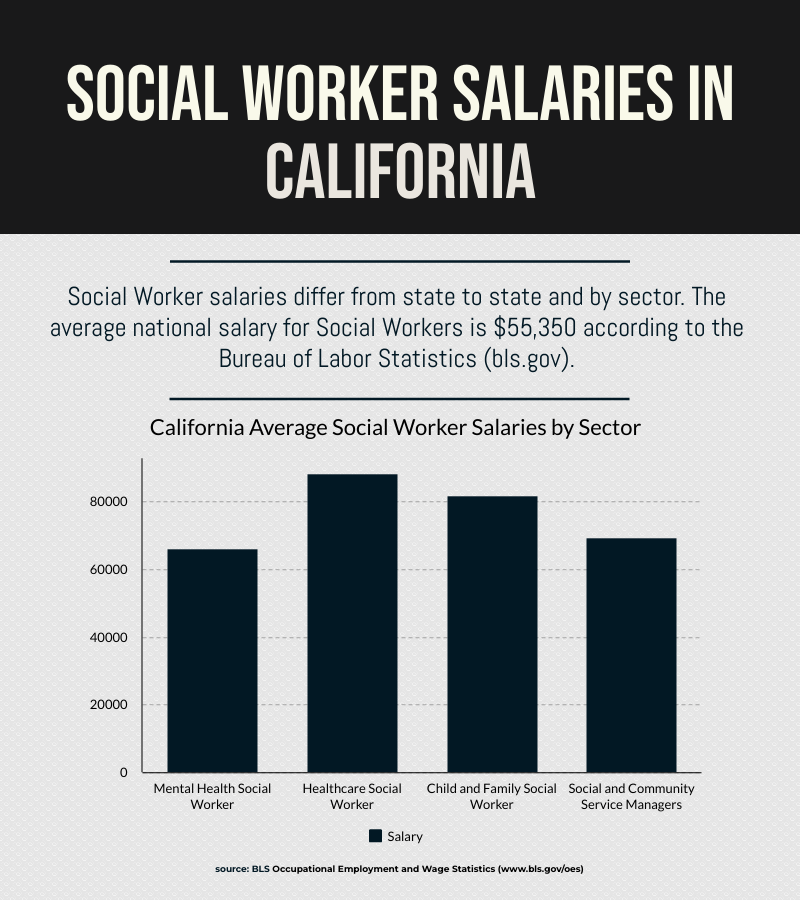
On average, social workers in California tend to earn more than their counterparts in many other states. This higher earning potential is often a necessary offset for the elevated cost of living that characterizes much of the state. While precise figures fluctuate annually, and depend heavily on the source of data, general trends provide a clear picture. For instance, an entry-level social worker might start in the lower to mid-$50,000s, while experienced professionals, especially those with advanced degrees and clinical licenses (such as Licensed Clinical Social Workers or LCSWs), can command salaries well into the $70,000 to $90,000 range, with some reaching six figures in specialized roles or high-demand areas.
The metropolitan hubs naturally offer higher salaries due to increased demand and competitive markets. Cities like San Francisco, Los Angeles, San Jose, and San Diego typically report the highest average wages for social workers. For example, a social worker in the Bay Area might earn significantly more than one in a less urbanized region like the Central Valley, even if they have similar experience. This geographical disparity is a critical factor for anyone considering where to practice social work in California, as it directly impacts their ability to afford accommodation, enjoy local tourism, and pursue various lifestyle aspirations.
Factors Influencing Earning Potential
Several key factors beyond geography significantly influence a social worker’s salary in California:
- Education and Licensure: A Master of Social Work (MSW) degree is often a prerequisite for many positions and significantly boosts earning potential. Furthermore, obtaining a Licensed Clinical Social Worker (LCSW) credential, which requires supervised clinical hours and passing an exam, opens doors to higher-paying clinical roles, private practice opportunities, and positions of greater responsibility. These advanced qualifications are often seen as an investment, leading to better long-term financial prospects and a more diverse range of career paths.
- Experience: As with most professions, experience plays a crucial role. Entry-level positions naturally command lower salaries, but with each year of dedicated service and professional development, a social worker’s value to an organization increases, leading to salary increments and opportunities for promotion into supervisory or administrative roles.
- Specialization: Different areas of social work demand different skill sets and offer varying compensation. For instance, social workers specializing in medical or psychiatric settings often earn more than those in generalist community roles. Child welfare and school social work, while vital, may have different pay scales compared to roles in highly specialized clinical environments.
- Employer Type: The type of organization employing a social worker also impacts their salary. Government agencies (state, county, or federal) often offer competitive salaries and comprehensive benefits packages. Non-profit organizations, while fulfilling, may have tighter budgets, potentially offering slightly lower salaries but sometimes compensating with a strong mission-driven culture and unique work environments. Private practices or healthcare systems might offer the highest earning potential, especially for licensed clinical social workers.
- Location within California: As touched upon earlier, a social worker’s postcode within California is a major determinant of their salary. San Francisco and the surrounding Bay Area, along with Los Angeles County and San Diego County, typically offer the highest wages to offset the exceedingly high cost of living. Conversely, areas like Bakersfield or Fresno in the Central Valley might offer lower salaries but also come with a more affordable cost of living, particularly regarding housing.
Navigating California’s Cost of Living: A Social Worker’s Perspective
The allure of California often comes with a significant caveat: its notorious cost of living. For social workers, whose salaries, while competitive nationally, might still feel stretched in a high-cost environment, understanding this balance is key to sustainable living and enjoying the state’s offerings. This segment delves into how a social worker’s income interacts with the daily financial realities of living in the Golden State, particularly concerning accommodation and lifestyle choices.
Accommodation: Where Does the Salary Go?
Housing is unequivocally the largest expenditure for most Californians, and social workers are no exception. Rent prices in major metropolitan areas are among the highest in the United States. In cities like San Francisco, even a modest one-bedroom apartment can easily exceed $2,500-$3,000 per month. Los Angeles and San Diego follow closely, with average rents for similar properties often ranging from $2,000-$2,800.
This means that a substantial portion of a social worker’s salary, especially for those newer to the field or in areas with lower pay scales, will be allocated to housing. Strategies for managing this include:

- Shared Accommodation: Many social workers opt for shared living arrangements, particularly in their early careers, to mitigate housing costs. This might involve renting a room in a larger apartment or house, which can significantly reduce individual expenses and make living in desirable areas more feasible.
- Commuting from More Affordable Areas: Living in a neighboring city or suburb with lower rent and commuting to work in a major hub is another common strategy. For example, a social worker working in San Francisco might live in Oakland or Berkeley, or someone working in Los Angeles might choose Long Beach or certain parts of the San Fernando Valley. However, this introduces commuting costs and time considerations.
- Long-Term Stays and Budget Accommodation: For those relocating or undertaking temporary assignments, exploring extended-stay hotels or furnished apartments tailored for long-term accommodation can be a viable short-term solution, offering more flexibility than traditional leases. These options, often found on booking platforms, sometimes provide amenities like kitchenettes that further help with budget management by reducing dining-out expenses.
- Property Ownership: While challenging, for experienced social workers with stable incomes, investing in property in more affordable regions of California or even considering condominium or townhome options in pricier areas can become a long-term financial goal. However, this often requires careful financial planning and a significant down payment.
The choice of accommodation profoundly shapes a social worker’s budget and lifestyle. It dictates how much discretionary income remains for other pursuits, including exploring California’s vast array of attractions.
Daily Life and Lifestyle Choices
Beyond housing, the general cost of living in California impacts everything from groceries and utilities to transportation and leisure activities. Utilities, particularly electricity and water, can be higher than the national average, especially during peak seasons. Gasoline prices are consistently among the highest in the United States, making car ownership and long commutes more expensive.
However, California also offers many ways to enjoy a rich lifestyle without breaking the bank. Access to stunning national parks like Yosemite and Joshua Tree, beautiful beaches along the Pacific Ocean, and countless hiking trails is often free or very low cost. Many cities boast free cultural events, farmer’s markets, and public art installations. Social workers, known for their resourcefulness, often find creative ways to enjoy California’s offerings within their budgets. This might mean embracing budget travel strategies, opting for picnics in scenic parks instead of expensive restaurant meals, or exploring local tourism gems that are off the main tourist radar.
Maintaining a healthy work-life balance is also crucial for social workers, given the emotionally demanding nature of their profession. California’s emphasis on outdoor activities and wellness provides ample opportunities for rejuvenation. Whether it’s a weekend trip to Lake Tahoe, a visit to a Napa Valley vineyard, or simply unwinding on a beach in Santa Monica, the state offers diverse options to de-stress and recharge.
Embracing California’s Lifestyle and Travel Opportunities
Living and working as a social worker in California is not just about managing expenses; it’s also about embracing the unique lifestyle and unparalleled travel opportunities the state affords. Despite the financial considerations, many social workers find immense satisfaction in being part of a vibrant community that values compassion and innovation, while also enjoying access to world-class attractions and diverse environments.
Exploring Local Culture and Attractions on a Social Worker’s Budget
California is a mosaic of cultures, histories, and natural wonders. For social workers looking to immerse themselves without overspending, there are countless avenues for exploration:
- Free and Low-Cost Landmarks: Iconic spots like the Golden Gate Bridge in San Francisco, the Hollywood Walk of Fame in Los Angeles, or the stunning coastal drives of Big Sur offer memorable experiences without an admission fee. Many state parks and beaches also provide affordable access to nature. Exploring historical missions, public gardens, and vibrant neighborhood markets are excellent ways to soak in local culture economically.
- Community Events and Festivals: Almost every city and town in California hosts an array of free or low-cost community events, from music festivals and art walks to food fairs and cultural celebrations. These events are fantastic for experiencing the local flavor and connecting with the community outside of work.
- Food Tourism on a Budget: While California boasts world-class fine dining, its street food scene, diverse ethnic eateries, and farmer’s markets offer incredibly delicious and authentic culinary experiences at a fraction of the cost. Exploring tacos in San Diego, dim sum in San Francisco’s Chinatown, or farm-to-table produce from a local market allows social workers to enjoy California’s renowned food culture within their means.
- Museum Free Days: Many of California’s prestigious museums, like the Getty Center in Los Angeles (which often offers free admission, just charging for parking), or others in San Francisco and Sacramento, have specific days or hours with free admission, making cultural enrichment accessible.
Leisure and Travel: Making the Most of Weekends and Vacations
Despite the demands of their profession, social workers in California can certainly plan rewarding leisure and travel experiences. The state itself is a prime travel destination, offering everything from mountain retreats to desert adventures.
- Weekend Getaways: Proximity to diverse ecosystems means short weekend trips are highly feasible. A social worker in Los Angeles could easily drive to Big Bear Lake for skiing in winter or hiking in summer, or head to the wine regions of Temecula Valley. Those in the Bay Area have easy access to Napa Valley, Sonoma, or the dramatic coastline of Muir Woods National Monument. Planning these trips often involves utilizing budget-friendly accommodation options, such as Airbnb rentals outside major tourist centers, camping in national parks, or staying in more affordable, independently run hotels rather than luxury resorts.
- Hotels and Accommodation Choices: For longer vacations, social workers often look for value. This could mean choosing mid-range hotels like a Holiday Inn Express or a Best Western for comfortable stays, or exploring boutique hotels in less-trafficked areas for unique experiences. Booking in advance, looking for deals, or traveling during off-peak seasons can significantly reduce costs. For those seeking a bit more luxury for special occasions, some resorts in areas like Palm Springs or near San Diego occasionally offer promotional packages that make them more accessible.
- Theme Park Adventures: For many, a trip to Disneyland Resort or Universal Studios Hollywood is a quintessential California experience. While tickets can be pricey, social workers often plan these trips carefully, taking advantage of multi-day passes, annual passes (if they visit frequently), or booking during less crowded times to enhance the experience and potentially find better deals on nearby hotels or package deals.
- Beyond California: With Los Angeles International Airport (LAX) and San Francisco International Airport (SFO) serving as major international hubs, social workers can also find competitive airfares for travel outside the state, allowing them to explore other parts of the United States or even international destinations during longer breaks. Budget airlines often connect California to numerous destinations, expanding travel horizons.
The Path Forward: Balancing Passion and Practicality
For social workers contemplating a career in California, the financial outlook is one of balance. While salaries are generally higher than the national average, the extremely high cost of living, particularly in major urban centers, demands careful financial planning and a strategic approach to accommodation and lifestyle choices.
Ultimately, a social work career in California offers immense professional satisfaction, the chance to serve diverse communities, and access to a lifestyle that is rich in cultural experiences, outdoor adventures, and travel opportunities. With prudent budgeting, smart choices regarding where to live, and an eagerness to explore the state’s many free and low-cost attractions, social workers can indeed carve out a comfortable and fulfilling life in the Golden State, making a difference while also enjoying all that California has to offer. It’s a testament to the resilience and resourcefulness of these dedicated professionals that they navigate these complexities to pursue their passion in one of the world’s most captivating locations.