
Colorado, a state synonymous with majestic mountains, vibrant cities, and an outdoor-centric lifestyle, often captures the imagination of those seeking a balanced and enriching life. From the bustling urban landscape of Denver to the serene, snow-capped peaks of the Rocky Mountains, the Centennial State offers an unparalleled quality of life that beckons many to its borders. For educators considering a move or already residing here, the question of “How much do teachers make in Colorado?” is not just about a paycheck; it’s about understanding how their earnings align with the state’s unique cost of living and, crucially, the opportunities for a fulfilling lifestyle, including travel and leisure within this stunning region of the USA.

Teaching is a noble profession, the bedrock of any thriving society, and the dedication of educators shapes future generations. In Colorado, where communities highly value education and outdoor adventure, understanding the financial landscape for teachers is essential. This comprehensive guide delves into the nuances of teacher salaries across the state, exploring the factors that influence pay, the cost of living implications, and how a teacher’s income can facilitate a rich and adventurous life amidst Colorado’s renowned landmarks and natural beauty.
The Financial Landscape for Educators in Colorado
The compensation for teachers in Colorado is a complex tapestry, woven from various threads including location, experience, educational attainment, and district-specific policies. While the state strives to attract and retain high-quality educators, the average salary can vary significantly, prompting a deeper dive into what aspiring and current teachers can expect.
Average Salaries Across the State
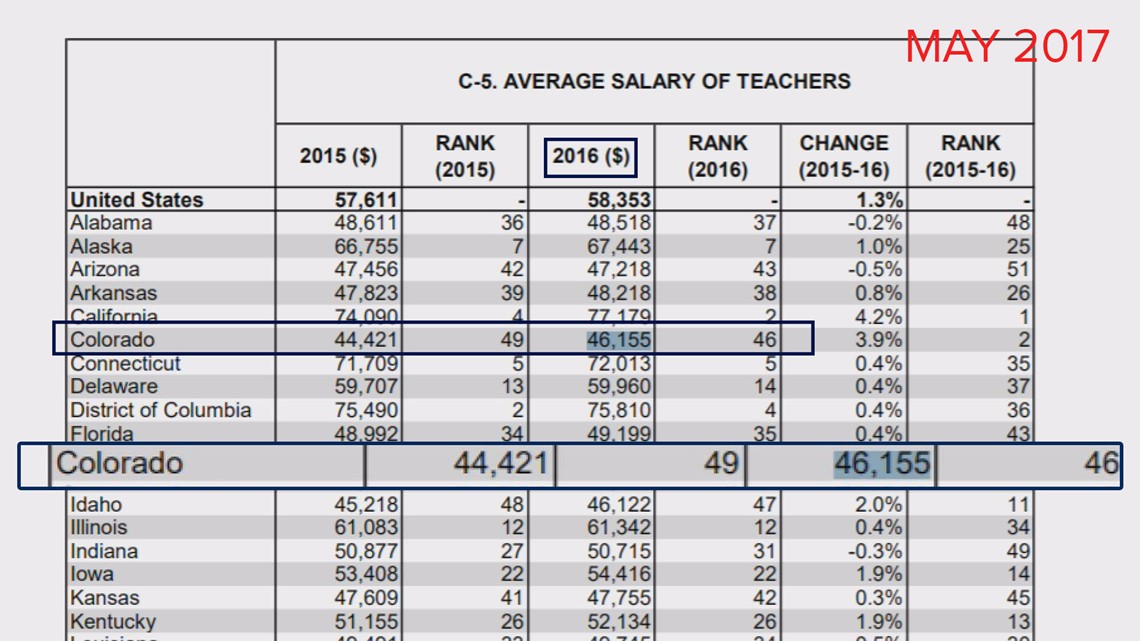
On average, teacher salaries in Colorado tend to be competitive within the USA, though they might sit slightly below the national average when considering the higher cost of living in certain areas. Entry-level teachers, typically holding a bachelor’s degree, might start in the range of $38,000 to $45,000 annually. However, this is a broad estimate, and the actual starting salary can fluctuate significantly.
For experienced teachers with several years under their belt, especially those with master’s degrees or specialized certifications, salaries can climb into the $60,000 to $80,000 range. Some highly experienced educators in well-funded districts, particularly in or around major metropolitan areas, might even surpass $90,000 or more, though these positions are often at the higher end of the pay scale. It’s crucial to understand that these figures represent a spectrum, not a fixed point, and the specific school district plays a pivotal role.
Districts in affluent areas like those around Boulder or parts of suburban Denver often offer higher salaries to attract top talent, reflecting the local economic conditions and property tax bases that fund schools. Conversely, more rural districts or those in regions with lower costs of living might offer more modest salaries, though these often come with the benefit of a reduced expenditure on housing and daily necessities.
Factors Influencing Teacher Pay
Several key factors directly impact how much a teacher earns in Colorado:
- Experience: This is perhaps the most straightforward factor. As teachers gain more years of service, their salaries typically increase through a structured step system. Each year of experience usually brings a bump in pay, rewarding loyalty and expertise.
- Education Level: Teachers with advanced degrees, such as a Master’s or Doctorate, almost always command higher salaries than those with only a Bachelor’s. This additional education is recognized for enhancing pedagogical skills and subject matter expertise, leading to better outcomes for students. Many districts offer specific pay lanes for different degree levels, incentivizing professional development.
- District and Location: As previously mentioned, the geographic location within Colorado is a major determinant. Districts in high-cost-of-living areas like Aspen, Vail, or the immediate Denver metropolitan area typically have higher pay scales. For example, a teacher in Cherry Creek could earn more than a teacher in a smaller district further east on the plains. This reflects the local economy and the need to offer competitive wages to offset higher living expenses.
- Subject Taught: In some instances, teachers in high-demand subjects, such as special education, STEM fields (Science, Technology, Engineering, Math), or bilingual education, may receive additional stipends or higher starting salaries due to a shortage of qualified educators in these areas.
- Additional Responsibilities: Taking on extra duties, such as coaching sports teams, leading clubs, or serving as department heads, often comes with supplemental pay, further boosting a teacher’s annual income.
Understanding these variables is crucial for anyone considering a teaching career in Colorado, as they directly influence one’s potential earnings and, consequently, one’s lifestyle.
Cost of Living and Lifestyle Implications in Colorado
While salary figures provide a baseline, the true measure of financial well-being lies in how those earnings stack up against the cost of living. Colorado’s allure comes with a price, and understanding this balance is key for teachers planning their lives and potential travel adventures.
Major Urban Centers vs. Rural Areas
The cost of living in Colorado varies dramatically depending on whether one resides in a bustling urban hub or a tranquil rural community.
- Urban Centers: Cities like Denver, Boulder, and popular mountain towns such as Aspen and Vail are among the most expensive places to live in the state, largely driven by high housing costs. While these areas often offer higher teacher salaries and a wealth of cultural attractions, dining experiences, and entertainment, the increased income is often offset by steep rental prices and property values.
- Mid-Sized Cities: Colorado Springs, Fort Collins, and Grand Junction offer a more balanced cost of living. Housing is generally more affordable than in Denver or Boulder, while still providing access to amenities, diverse local culture, and proximity to natural landmarks.
- Rural Areas: Smaller towns, particularly those on the Eastern Plains or in less touristy mountain valleys, typically boast the lowest cost of living. Housing can be significantly cheaper, and daily expenses are often lower. However, these areas might offer fewer amenities, less diverse cultural experiences, and potentially lower teacher salaries. For educators prioritizing tranquility and a tight-knit community, these areas present a viable and often charming alternative.
Navigating Housing and Accommodation Challenges
Housing is often the single largest expense for anyone living in Colorado, and teachers are no exception. The rapid growth of the state has led to competitive housing markets, especially for desirable accommodation near good schools or popular tourist destinations.
- Rentals: In Denver and Boulder, a one-bedroom apartment can easily range from $1,500 to $2,500 per month, sometimes more. Teachers often explore options further out from city centers or consider shared accommodation to make ends meet. Websites specializing in
accommodationandapartments(https://lifeoutofthebox.com/apartments) can be useful resources, but firsthand research is invaluable. - Homeownership: Purchasing a home in Colorado often requires careful financial planning. The median home price can be well over $500,000 statewide, significantly higher in metropolitan areas. This often means a teacher’s salary alone might not suffice for homeownership in prime locations, requiring dual-income households or a willingness to commute from more affordable suburbs.
- Teacher-Specific Programs: Some school districts and local governments are beginning to implement initiatives to help teachers with housing, such as affordable housing developments or down payment assistance programs, recognizing the critical need to retain educators within their communities. Exploring these options can be a game-changer.
Daily Expenses and Budgeting for Colorado Living

Beyond housing, teachers must factor in other daily expenses:
- Transportation: While public transport options exist in major cities, Colorado is largely a car-dependent state, especially for those wanting to explore its natural wonders. Fuel costs, insurance, and vehicle maintenance are significant considerations.
- Groceries and Utilities: These costs are generally comparable to national averages, though some areas may see slight variations. Budgeting for healthy meals and understanding average utility bills (which can fluctuate seasonally due to heating in winter and cooling in summer) is important.
- Healthcare: As employees of school districts, teachers typically receive health insurance benefits, but understanding deductibles, co-pays, and out-of-pocket maximums is crucial for financial planning.
- Leisure and Tourism: One of the main reasons people move to Colorado is for the lifestyle, which often involves outdoor activities, dining out, and exploring
tourist attractions(https://lifeoutofthebox.com/tourist-attractions). Budgeting for these experiences, from a weekend ski trip to visitinglandmarks(https://lifeoutofthebox.com/landmarks) like Garden of the Gods or a concert at Red Rocks Amphitheatre, is essential for enjoying the fullColoradoexperience.
Enhancing a Teacher’s Lifestyle: Travel and Leisure Opportunities in Colorado
Despite the financial considerations, a teacher’s salary in Colorado can still provide a comfortable life and ample opportunities for travel (https://lifeoutofthebox.com/travel) and leisure, especially when strategic planning is involved. The state itself is a vast playground, offering diverse destinations (https://lifeoutofthebox.com/destinations) and experiences (https://lifeoutofthebox.com/experiences).
Exploring Colorado’s Natural Wonders
Colorado is blessed with an abundance of breathtaking natural landmarks (https://lifeoutofthebox.com/landmarks) and national parks, offering endless opportunities for exploration. Teachers, with their generous holiday breaks, are perfectly positioned to take advantage of these.
- Mountain Escapes: The iconic Rocky Mountain National Park is a must-visit, offering hiking, wildlife viewing, and stunning scenic drives like Trail Ridge Road. In winter,
ski resorts(https://lifeoutofthebox.com/ski-resorts) like Breckenridge, Telluride, and Vail become world-class destinations. Teachers can often find discounted lift tickets or plan trips during off-peak seasons to manage costs. - Unique Geological Formations: Beyond the Rockies,
destinations(https://lifeoutofthebox.com/destinations) like Garden of the Gods near Colorado Springs offer spectacular red rock formations perfect for hiking and photography. Mesa Verde National Park in southwestern Colorado provides an incredible journey into ancient Pueblo cliff dwellings, blending nature with rich history. - Diverse Landscapes: The
Great Sand Dunes National Park and Preserve(https://lifeoutofthebox.com/great-sand-dunes-national-park-and-preserve) offers a surreal landscape of towering dunes, while theBlack Canyon of the Gunnison National Park(https://lifeoutofthebox.com/black-canyon-of-the-gunnison-national-park) boasts dramatic, steep cliffs carved by the Gunnison River. These diverse landscapes ensure that every season brings newexperiences(https://lifeoutofthebox.com/experiences).
Cultural and Urban Attractions
Colorado’s cities offer a vibrant contrast to its wilderness, providing a rich cultural scene.
- Denver’s Delights: The capital city of Denver is a hub of
local culture(https://lifeoutofthebox.com/local-culture), featuring world-class museums like the Denver Art Museum, a thrivingfood(https://lifeoutofthebox.com/food) scene, and historic neighborhoods likeLoDo(https://lifeoutofthebox.com/lodo). Attending a performance at Red Rocks Amphitheatre, an iconic outdoor venue, is an unforgettableexperience(https://lifeoutofthebox.com/experience). - Boulder’s Charm: Boulder offers a unique blend of outdoor access and intellectual vibrancy, with its pedestrian-friendly Pearl Street Mall, gourmet restaurants, and a backdrop of the Flatirons.
- Historic Towns: Exploring towns like Glenwood Springs (famous for its hot springs), Estes Park (gateway to Rocky Mountain National Park),
Durango(https://lifeoutofthebox.com/durango) with its historicGeorgetown Loop Railroad(https://lifeoutofthebox.com/georgetown-loop-railroad),Silverton(https://lifeoutofthebox.com/silverton), andOuray(https://lifeoutofthebox.com/ouray) in the San Juan Mountains, provides a glimpse into Colorado’s rich history and offers quaintaccommodation(https://lifeoutofthebox.com/accommodation) options like boutiquehotels(https://lifeoutofthebox.com/hotels) or cozyvillas(https://lifeoutofthebox.com/villas).
Budget-Friendly Travel for Educators
Teachers often have excellent opportunities for budget travel (https://lifeoutofthebox.com/budget-travel) due to their schedule and an appreciation for resourceful planning.
- Camping and State Parks: Colorado boasts numerous state parks and national forests offering affordable camping options. This is a fantastic way to immerse oneself in nature without breaking the bank.
- Off-Season Exploration: Visiting popular ski towns or
resorts(https://lifeoutofthebox.com/resorts) like Breckenridge or Aspen during the shoulder seasons (spring or fall) can result in significantly lower rates forhotels(https://lifeoutofthebox.com/hotels) and otheraccommodation(https://lifeoutofthebox.com/accommodation) types. These periods also offer beautiful scenery and fewer crowds. - Local Deals and Teacher Discounts: Many local businesses, museums, and attractions offer discounts for
Coloradoresidents or educators. Always inquire about these opportunities. Planning forfamily trips(https://lifeoutofthebox.com/family-trips) can also lead to savings on group rates. - Road Trips: With
Colorado‘s vast and scenic highways, road trips are an ideal way to explore multipledestinations(https://lifeoutofthebox.com/destinations) andlandmarks(https://lifeoutofthebox.com/landmarks) at one’s own pace, often with significant savings compared to flying. - Booking Accommodation Smartly: Utilizing
booking(https://lifeoutofthebox.com/booking) platforms, readingreviews(https://lifeoutofthebox.com/reviews), and employingcomparison(https://lifeoutofthebox.com/comparison) tools can help teachers find the best deals onhotels(https://lifeoutofthebox.com/hotels),suites(https://lifeoutofthebox.com/suites),apartments(https://lifeoutofthebox.com/apartments), orvillas(https://lifeoutofthebox.com/villas), perhaps even consideringlong-term stays(https://lifeoutofthebox.com/long-term-stays) for extended breaks.
Is Teaching in Colorado the Right Move for You?
Considering a teaching career in Colorado goes beyond just the salary. It’s about evaluating the holistic lifestyle, professional opportunities, and the unique environment the state offers.
Beyond the Salary: Quality of Life and Community
For many, the draw of Colorado extends far beyond financial compensation. The state consistently ranks high in terms of quality of life, thanks to its stunning natural beauty, abundance of outdoor activities, and a general emphasis on health and wellness. Teachers in Colorado often find themselves part of supportive communities that value education and provide a strong sense of belonging. The accessibility to hiking, skiing, biking, and a myriad of other adventures on weekends and during school breaks is a significant perk that enhances overall well-being. This lifestyle (https://lifeoutofthebox.com/lifestyle) appeal often outweighs marginal salary differences compared to other states.
Professional Growth and Support Systems
Colorado is home to a robust education system with many forward-thinking school districts. This often translates into excellent opportunities for professional development, mentorship programs, and a collaborative environment among educators. Teachers can find support through state organizations and local networks, fostering growth both inside and outside the classroom. The state’s commitment to innovation in education can be a significant draw for teachers looking to make a lasting impact.
Ultimately, while the financial aspect is undeniably important, teaching in Colorado offers a rich tapestry of experiences that combine professional fulfillment with an exceptional lifestyle (https://lifeoutofthebox.com/lifestyle). The ability to balance a demanding career with regular access to world-class outdoor recreation and vibrant cultural experiences (https://lifeoutofthebox.com/cultural-experiences) makes it an attractive destination for dedicated educators.
In conclusion, teacher salaries in Colorado are influenced by a multitude of factors, from years of experience and education level to the specific district and its cost of living. While housing and daily expenses can be significant, especially in urban and popular mountain areas, strategic budgeting and a proactive approach to finding accommodation (https://lifeoutofthebox.com/accommodation) can make a comfortable life achievable. More importantly, the unparalleled travel (https://lifeoutofthebox.com/travel) and leisure opportunities inherent in Colorado‘s lifestyle (https://lifeoutofthebox.com/lifestyle) provide a profound return on investment that extends far beyond monetary figures. For those passionate about education and eager to embrace a life filled with adventure and natural beauty, Colorado presents a compelling and rewarding choice.