
For many, the mention of Florida evokes images of sun-drenched beaches, world-famous theme parks, and a vibrant lifestyle. It’s a dream destination for tourists and a coveted home for those seeking warmth and endless recreation. However, beneath the sunny veneer lies the reality of daily living, especially for professionals like teachers who play a crucial role in the state’s future. Understanding how much educators earn in the Sunshine State is not just a matter of numbers; it’s a reflection of the challenges and opportunities they face in balancing their passion for teaching with the practicalities of making ends meet, enjoying the local attractions, and securing comfortable accommodation.
This article delves into the financial landscape for teachers in Florida, exploring salary ranges, influencing factors, and the broader implications for their quality of life, including their ability to explore the state’s rich tourism offerings and unique landmarks.
Unpacking Teacher Salaries in the Sunshine State
Teaching is often hailed as a calling, a noble profession dedicated to shaping young minds. Yet, the financial compensation associated with it frequently falls under scrutiny, particularly in states experiencing rapid growth and escalating costs of living, like Florida. Educators in the Sunshine State navigate a complex salary structure that can vary significantly based on a multitude of factors.
The Current Landscape of Educator Pay
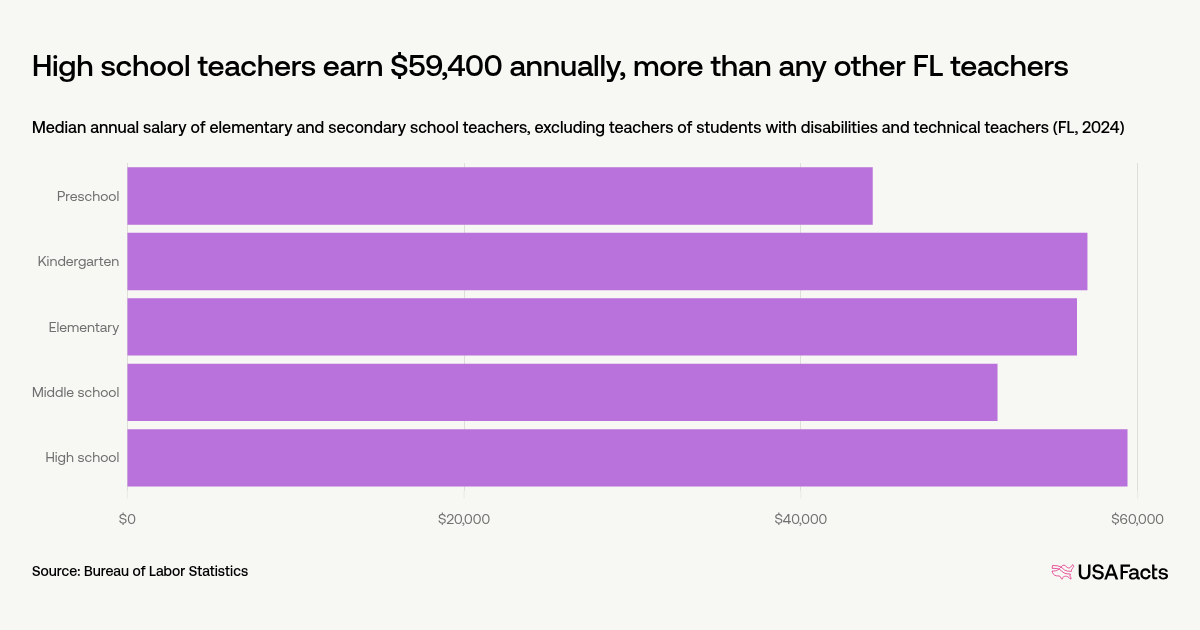
In recent years, Florida has made efforts to increase teacher salaries, acknowledging the critical role educators play. The state’s legislative initiatives have focused on raising the minimum starting salary for teachers and providing additional funds to school districts for salary enhancements. As of the most recent data, the average salary for a public school teacher in Florida hovers around the mid-$50,000s to low-$60,000s range. However, this is an average, and individual experiences can differ widely.
Starting salaries have seen a noticeable boost, often placing new teachers in the higher $40,000s or low $50,000s, depending on the district. This initiative aims to attract fresh talent to the profession and combat teacher shortages. While this is a step in the right direction, it’s crucial to consider this figure against the backdrop of Florida’s increasingly competitive housing market and overall cost of living. For a new teacher fresh out of college, navigating rent in cities like Miami, Orlando, or Tampa can still present a significant challenge, making prudent financial planning and perhaps a roommate a common reality.
Veteran teachers, with years of experience and advanced degrees, generally command higher salaries. However, the salary growth trajectory for experienced educators has historically been a point of contention, with many arguing that it does not adequately reflect their invaluable contributions and the rising cost of living over time. This can lead to veteran teachers exploring supplementary income opportunities or, in some cases, leaving the profession or the state for more lucrative opportunities in places like New York or California, where teacher salaries, though often accompanied by a higher cost of living, can be substantially greater.
Factors Influencing a Teacher’s Income
Several key factors play a pivotal role in determining a teacher’s income in Florida:
-
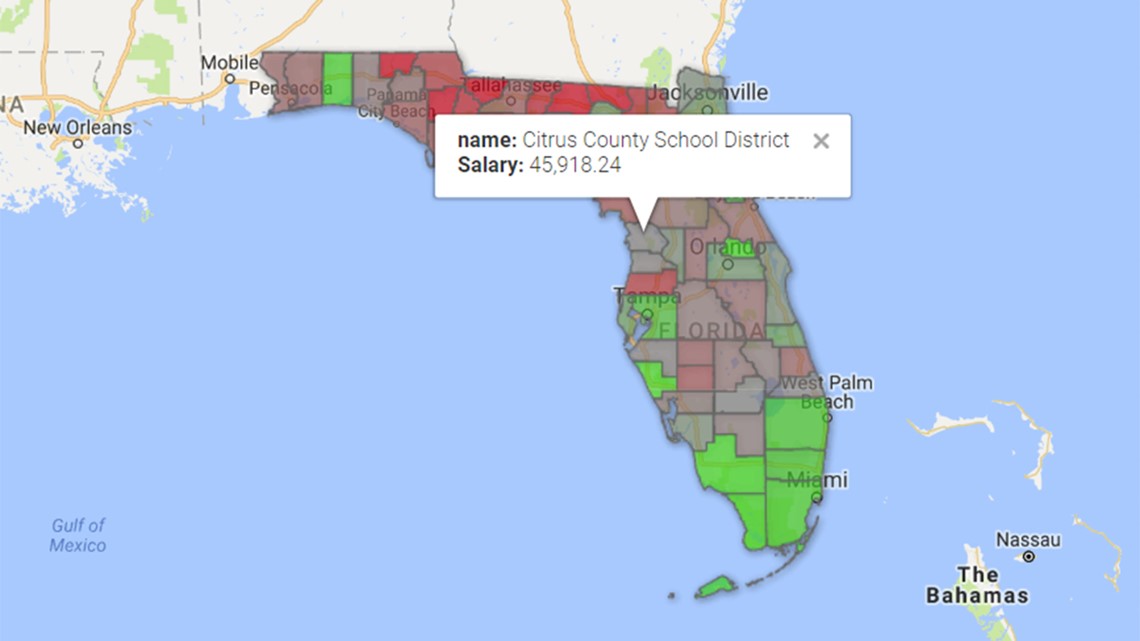
Geographic Location: This is perhaps one of the most significant differentiators. Teachers in metropolitan areas with higher costs of living, such as Miami-Dade County, Broward County, Palm Beach County, or Orange County (home to Orlando), generally earn more than their counterparts in more rural or less expensive parts of the state. However, the higher pay in these regions often barely keeps pace with the dramatically inflated housing costs and daily expenses. For example, while a teacher in Miami might earn a higher base salary, finding an affordable apartment could be far more challenging than in a city like Tallahassee or Pensacola.
-
Years of Experience: Like most professions, teaching salaries typically increase with experience. A teacher with 15-20 years of service will undoubtedly earn more than a first-year educator. However, the rate of this increase can vary by district and state funding priorities.
-
Education Level and Certifications: Teachers holding master’s degrees, doctorates, or specialized certifications (e.g., National Board Certification) are often eligible for salary supplements or higher pay scales. These additional qualifications are recognized for the enhanced expertise they bring to the classroom.
-
Subject Taught: Certain “critical need” subjects, such as science, mathematics, exceptional student education (ESE), or foreign languages, may sometimes come with signing bonuses or salary differentials to attract and retain qualified teachers in areas facing shortages.
-
District-Specific Pay Scales: While the state sets minimum salary guidelines, individual school districts have the autonomy to establish their own pay scales, which can lead to significant variations. Some districts may have greater local tax revenue or prioritize education spending more, allowing them to offer more competitive salaries and benefits packages.
-
Supplemental Income: Many teachers, facing the pinch of stagnant wages relative to living costs, seek supplemental income. This can include coaching sports, leading after-school clubs, summer school teaching, tutoring, or even non-education-related part-time jobs. These extra hours chip away at personal time but can be essential for maintaining a desired lifestyle or saving for future endeavors like travel.
The Cost of Living Versus Earning Potential
Understanding teacher salaries in Florida is incomplete without considering the state’s cost of living. Florida has become an increasingly popular place to live, driven by its warm climate, no state income tax, and abundant recreational opportunities. However, this popularity has also led to a significant increase in expenses, particularly in housing, which directly impacts a teacher’s ability to thrive.
Navigating Housing and Everyday Expenses
Housing is arguably the largest expense for most Floridians, and teachers are no exception. The median home price in Florida has risen steadily, often outpacing wage growth. Renting an apartment, even a modest one, can consume a substantial portion of a teacher’s monthly income, especially in desirable coastal areas or bustling cities.
For instance, finding an affordable two-bedroom apartment near a school in Miami, Fort Lauderdale, Boca Raton, or Sarasota can be a significant financial stretch. Teachers might find themselves commuting long distances from more affordable suburbs, adding to their transportation costs and daily stress. This challenge often dictates whether a teacher can truly immerse themselves in the local community or if they are constantly battling financial constraints.
Beyond housing, other everyday expenses also add up. Groceries, utilities, insurance (especially homeowner’s or renter’s insurance, which can be higher in coastal areas due to hurricane risks), and transportation costs (gas prices, car maintenance) all contribute to the overall burden. While Florida benefits from having no state income tax, property taxes, sales taxes, and other local fees can still be substantial. These factors combine to create a challenging financial environment where a teacher’s salary, while seemingly decent on paper, may feel stretched thin in practice.
Lifestyle Implications for Florida’s Educators
The financial realities directly impact a teacher’s lifestyle. While tourists flock to Florida to stay in luxurious hotels, resorts, and enjoy fine dining, local educators often operate on a tighter budget. This doesn’t mean they can’t enjoy the state’s offerings, but it often necessitates careful planning and prioritizing.
For many teachers, leisure and entertainment might involve exploring free or low-cost attractions: days at public beaches like Siesta Key Beach or Clearwater Beach, picnics in one of Florida’s many state parks, or visiting local farmers’ markets. High-cost entertainment like frequent trips to Walt Disney World Resort or Universal Studios Florida might be reserved for special occasions or require significant saving, even with resident discounts.
For those considering a career in education in Florida, it’s vital to research specific district salaries, regional cost of living indices, and potential opportunities for supplemental income. The dream of living in paradise is appealing, but the financial groundwork needs to be solid to truly enjoy the Sunshine State without constant financial strain.
Balancing Passion with Financial Reality: Travel and Leisure
Educators in Florida often find themselves in a unique position: living in a state that is a global tourism hotspot, surrounded by world-class destinations, yet having to budget carefully to enjoy them. The pursuit of travel and leisure, a cornerstone of many Floridians’ lifestyle, becomes an exercise in financial planning for teachers.
Exploring Florida on an Educator’s Budget
Despite the financial constraints, Florida offers an incredible array of experiences that educators can access, often with smart budgeting. Many teachers embrace the concept of “staycations” or plan road trips to explore different parts of the state during school breaks.
- Natural Wonders: Florida is abundant in natural beauty. Teachers can enjoy free or low-cost access to stunning beaches along the Gulf Coast and Atlantic Coast, explore the unique ecosystems of Everglades National Park, or discover hidden springs in central Florida. Kayaking, hiking, and birdwatching are affordable ways to connect with nature.
- Cultural Excursions: Cities like St. Augustine, Sarasota, and Gainesville offer rich historical sites, museums, and art galleries, many of which have free admission days or educator discounts. Walking tours of historic districts in Key West or Coral Gables can be incredibly enriching and budget-friendly.
- Local Events and Festivals: Almost every city and town in Florida hosts annual festivals, markets, and community events, often free to attend, offering a taste of local culture, food, and entertainment. From seafood festivals in Destin to art walks in Winter Park, there are always opportunities to experience Florida’s vibrant spirit.
- Theme Park Access: While full-price admission to mega-parks like Walt Disney World Resort can be steep, teachers, like other Florida residents, can often take advantage of special promotions, annual passes, or visits to free-entry areas like Disney Springs or Universal CityWalk for dining and entertainment. A day trip to the Kennedy Space Center Visitor Complex might be more manageable than a multi-day theme park extravaganza.
For longer trips or out-of-state travel, teachers typically need to save diligently, plan during off-peak seasons, and seek out budget-friendly accommodation options like vacation rentals or more economical hotels rather than luxury resorts. The no-state-income-tax policy in Florida does provide a marginal advantage, allowing more disposable income for savings compared to states like California or Texas with state income taxes, but this benefit is often offset by the higher cost of goods and services.
Future Outlook for Teacher Compensation and Retention
The discussion around teacher salaries in Florida is ongoing, with policymakers continually evaluating strategies to improve compensation and, by extension, attract and retain high-quality educators. The state faces the challenge of balancing budget constraints with the imperative to invest in its education system.
Future increases in teacher salaries will likely depend on continued legislative prioritization, economic growth within the state, and local school district funding capabilities. As Florida continues to grow, so too will the demand for skilled teachers. Addressing their financial well-being is crucial not only for the teachers themselves but also for the overall quality of education and the state’s long-term prosperity. A well-compensated teaching force is more likely to be stable, dedicated, and capable of providing the excellent education that future generations of Floridians deserve, enabling them to contribute positively to the state’s economy and its vibrant tourism and lifestyle offerings.
Ultimately, while the allure of Florida’s sunshine and leisure activities is strong, the financial realities for teachers require careful consideration. It’s a delicate balance of passion, profession, and prudent financial management that allows these essential workers to not only teach but also to live and occasionally indulge in the beauty and excitement of their home state, from the historic streets of St. Augustine to the vibrant shores of South Beach, and the serene natural beauty of the Florida Keys or Amelia Island.
LifeOutOfTheBox is a participant in the Amazon Services LLC Associates Program, an affiliate advertising program designed to provide a means for sites to earn advertising fees by advertising and linking to Amazon.com. Amazon, the Amazon logo, AmazonSupply, and the AmazonSupply logo are trademarks of Amazon.com, Inc. or its affiliates. As an Amazon Associate we earn affiliate commissions from qualifying purchases.