
For educators considering a move to one of the most dynamic and iconic cities in the world, understanding the financial landscape is paramount. New York City offers unparalleled cultural experiences, diverse communities, and a vibrant professional environment, but it’s also notorious for its high cost of living. This article delves into the salaries of teachers in NYC, exploring how their earnings impact their ability to navigate housing, enjoy the city’s myriad attractions, and plan for their future, all through the lens of travel, lifestyle, and accommodation themes.
Navigating the NYC Education Landscape: Teacher Salaries Explained
Becoming a teacher in New York City means joining one of the largest public school systems in the United States. The compensation structure is designed to attract and retain talented educators, but it requires a thorough understanding to appreciate the full scope of a teacher’s earning potential.

Starting Salaries and Progression
Entry-level teachers in New York City, typically those with a bachelor’s degree and no prior experience, can expect a competitive starting salary compared to many other parts of the country. As of recent agreements, this figure generally hovers around the mid-$60,000s. While this might seem substantial, it’s crucial to contextualize it within the city’s economic realities, which we’ll explore further.
The New York City Department of Education (NYCDOE) operates on a salary schedule that rewards longevity and further education. Teachers progress through salary steps based on their years of service. For instance, a teacher with a bachelor’s degree could see their salary climb steadily over a decade or more, potentially reaching into the high-$80,000s or even low-$90,000s with enough experience. This structured progression provides a clear path for financial growth, offering stability in a city known for its fluctuating costs. The increments, though gradual, are significant over a career, demonstrating the city’s commitment to experienced educators.
The Impact of Education and Specializations
Beyond years of service, higher education plays a pivotal role in boosting a teacher’s salary in New York City. Earning a master’s degree, which is often encouraged or even required for career advancement within the NYCDOE, can significantly increase earning potential. A teacher with a master’s degree and several years of experience could see their salary push well into the $90,000s or even surpass $100,000. Doctoral degrees or specialized certifications in high-need areas such as special education, STEM fields (Science, Technology, Engineering, Mathematics), or bilingual education can further enhance salaries, reflecting the increased demand and specialized skills these roles require. These additional qualifications are not just resume boosters; they are direct pathways to higher income brackets within the system. For an ambitious educator, investing in further education is a clear strategy to improve their lifestyle and financial standing in NYC.
Benefits Beyond the Base Salary
While the base salary is a major component, the comprehensive benefits package offered to NYC teachers significantly adds to their overall compensation. These benefits are often underestimated but provide immense value, especially in a high-cost environment. Health insurance, a critical concern for many professionals, is typically robust, covering medical, dental, and vision needs for teachers and their families. This can represent savings of thousands of dollars annually compared to private insurance plans.
Furthermore, New York City teachers are enrolled in a strong pension system, providing a secure retirement income after a certain number of years of service. This long-term financial security is a major draw for many, offering peace of mind that can be hard to find in other professions or locations. The United Federation of Teachers (UFT), the influential teachers’ union, plays a crucial role in negotiating these benefits and protecting teachers’ rights and working conditions, further enhancing job security and overall well-being. Other benefits can include opportunities for professional development, paid leave, and various deferred compensation plans, all contributing to a more comfortable and sustainable career in the city.
The New York City Cost of Living: A Teacher’s Reality
Understanding the actual spending power of an NYC teacher requires a candid look at the city’s notorious cost of living. This is where the dream of living in the Big Apple meets the practicalities of a budget.
Housing: The Elephant in the Room
Housing is, without a doubt, the single largest expense for anyone living in New York City, and teachers are no exception. Rent prices vary dramatically across the five boroughs, making location a critical decision for educators.
- Manhattan: While some teachers might dream of living in Manhattan, single-person studio apartments can easily exceed $2,500-$3,500 per month, making it largely unaffordable for most teachers without roommates or a second income.
- Brooklyn and Queens: These boroughs offer slightly more attainable, yet still expensive, options. Neighborhoods in Brooklyn like Bushwick or Flatbush, or in Queens like Astoria or Long Island City, might see studios or one-bedroom apartments ranging from $2,000 to $3,000. Sharing an apartment is a common strategy here.
- The Bronx and Staten Island: Generally, these boroughs offer the most affordable rental options. Teachers might find one-bedroom apartments in parts of The Bronx for $1,600-$2,200 or more spacious living on Staten Island for similar prices, though commuting times will vary.
Many teachers opt for shared accommodation to make ends meet, pooling resources to afford larger apartments in more desirable neighborhoods. This impacts their lifestyle significantly, as personal space often becomes a luxury.
Daily Expenses: Transportation, Food, and Utilities
Beyond rent, daily expenses in New York City quickly add up.
- Transportation: A monthly MetroCard, essential for navigating the subway and bus system, costs around $132. This is a non-negotiable expense for most.
- Food: While cooking at home is the most budget-friendly option, groceries can still be higher than in other cities. Dining out, even casually, can quickly deplete a budget. A modest meal at a casual restaurant might cost $20-$30 per person, making it a treat rather than a daily routine for many teachers.
- Utilities: Electricity, gas, and internet can range from $100 to $250 or more per month, depending on apartment size and usage.
- Miscellaneous: Laundry, personal care, and other incidentals also contribute to the monthly outflow.
The Balance: Salary vs. Spending Power
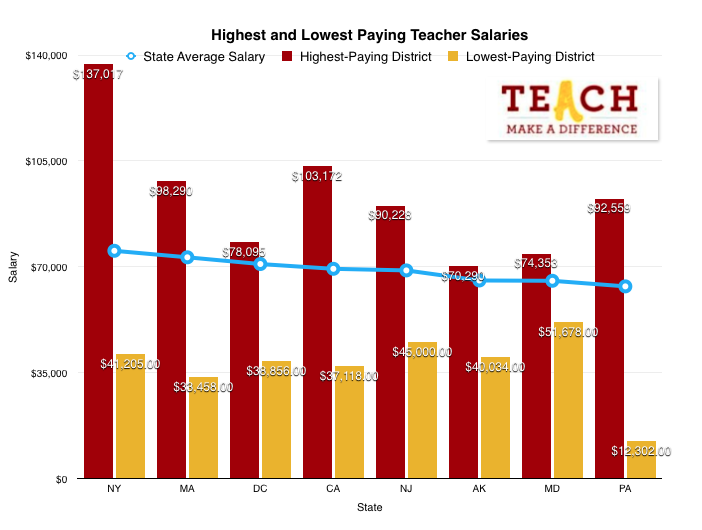
When weighing a teacher’s salary against New York City’s cost of living, it becomes clear that while salaries are competitive, careful budgeting and financial planning are essential. An early-career teacher living alone would find it challenging to comfortably afford a decent apartment in many parts of the city without significant financial discipline or a second income. However, with experience, advanced degrees, and smart financial choices (like sharing housing or choosing more affordable neighborhoods), a comfortable and rewarding lifestyle in NYC is absolutely achievable for educators. The key is to be realistic and strategic.
Lifestyle and Leisure: Experiencing NYC on a Teacher’s Budget
One of the greatest benefits of living in New York City is access to its unparalleled cultural richness and diverse leisure opportunities. For teachers, maximizing these experiences often means employing smart budgeting strategies.
Exploring New York City’s Landmarks and Attractions
New York City is a treasure trove of world-class landmarks and attractions, many of which can be enjoyed on a budget. Teachers, with their longer breaks, have ample opportunity to explore.
- Museums: Many of NYC’s renowned institutions, such as the Metropolitan Museum of Art and the American Museum of Natural History, offer “pay-what-you-wish” admission for New York State residents, making them incredibly accessible.
- Parks: Central Park offers endless free activities, from strolling its paths to attending free summer concerts and Shakespeare in the Park. Other green spaces like Prospect Park in Brooklyn or the High Line provide beautiful urban escapes.
- Iconic Sights: Simply walking across the Brooklyn Bridge, exploring Times Square, or taking the free Staten Island Ferry past the Statue of Liberty are unforgettable experiences that cost nothing.
- Neighborhoods: Discovering the unique charm and diverse cultures of neighborhoods like Greenwich Village, Harlem, or Williamsburg provides endless opportunities for exploration without significant expense.
Budget-Friendly Dining and Entertainment
New York City’s culinary scene is world-famous, and while luxury dining might be out of reach for a typical teacher’s budget, delicious and affordable options abound. Street food vendors, ethnic eateries in diverse neighborhoods, and happy hour specials can satisfy any craving. Similarly, the entertainment options are vast. Teachers can take advantage of lottery tickets for Broadway shows, free outdoor concerts in summer, or discounted tickets to off-Broadway productions. Many bars and venues offer live music without a cover charge, especially in areas like the East Village. Teachers can cultivate a rich social life by seeking out these value-oriented opportunities.
Weekend Escapes and Travel Opportunities
One of the perks of a teacher’s schedule is the longer breaks throughout the year – winter, spring, and especially summer. This allows for more extensive travel planning. While international travel might require significant saving, teachers can certainly enjoy domestic escapes. Upstate New York offers stunning natural beauty, from the Catskills to the Adirondacks. Long Island provides beautiful beaches and vineyards, while the Hudson Valley is dotted with charming towns and scenic drives.
For these short trips, teachers might opt for budget hotels, boutique hotels offering seasonal deals, or even hostels for a more adventurous experience. They can also leverage home-sharing platforms for apartments or vacation rentals, offering a more localized and often cheaper alternative to traditional hotels. These trips are vital for recharging and experiencing a different pace of life, proving that even on a teacher’s salary, meaningful travel is well within reach.
Making a Home in the Big Apple: Accommodation Strategies for NYC Teachers
Finding suitable and affordable accommodation is arguably the biggest hurdle for new teachers moving to New York City. Strategic planning and an open mind are essential.
The Quest for Affordable Housing
The core strategy for affordable housing in NYC for teachers often revolves around sharing living spaces. Roommates are a common solution, allowing individuals to split the cost of larger, more expensive apartments and reduce individual rent burdens. This can open up possibilities to live in more central or desirable neighborhoods that would otherwise be out of reach.
Another approach is to look slightly outside the core areas of Manhattan and increasingly popular parts of Brooklyn. Exploring neighborhoods in The Bronx, Queens, or even parts of Staten Island can yield more affordable rent. These areas often have vibrant communities, local amenities, and excellent public transportation links, making the commute manageable. Some fortunate individuals might find rent-stabilized apartments, which offer protection against significant rent increases, though these are increasingly rare and highly sought after.
Beyond Traditional Renting
While traditional renting is common, some teachers explore alternative accommodation options. Co-living spaces or purpose-built shared living environments are gaining popularity, offering furnished rooms, utilities included, and communal areas, often with a built-in community. These can be more expensive than finding your own roommates but offer convenience and a ready-made social network.
For those just starting their job search or needing temporary lodging, options like extended-stay hotels or hostels can provide a cost-effective short-term solution while they secure a permanent residence. This is particularly useful during the initial weeks or months when navigating the job market and apartment hunting. Some teachers might even consider living in more affordable commuter towns just outside the five boroughs, though this introduces a longer daily commute.
Balancing Commute and Cost
The decision of where to live often involves a delicate balance between the cost of rent and the length and ease of the daily commute. Living closer to work, especially if the school is in an expensive borough, might mean sacrificing space or living with more roommates. Conversely, opting for a more affordable neighborhood further out could mean a longer but potentially more peaceful commute. New York City’s extensive public transportation system means that even from areas like The Bronx or deeper into Brooklyn and Queens, access to Manhattan and other boroughs is efficient, making longer commutes a feasible trade-off for lower rent and a better quality of life at home. Teachers often prioritize access to a reliable subway line when choosing their residential location, impacting both their daily routine and their overall lifestyle in the city.
In conclusion, teaching in New York City offers a competitive salary and robust benefits, but these must be carefully considered against the city’s high cost of living, particularly for housing. With strategic financial planning, smart accommodation choices, and an eagerness to explore the city’s myriad budget-friendly attractions, educators can build a fulfilling career and enjoy a rich, vibrant lifestyle in the Big Apple, truly making it their home and experiencing all the tourism and travel opportunities it presents.
LifeOutOfTheBox is a participant in the Amazon Services LLC Associates Program, an affiliate advertising program designed to provide a means for sites to earn advertising fees by advertising and linking to Amazon.com. Amazon, the Amazon logo, AmazonSupply, and the AmazonSupply logo are trademarks of Amazon.com, Inc. or its affiliates. As an Amazon Associate we earn affiliate commissions from qualifying purchases.