
Embarking on a journey through the vast and varied landscapes of Texas is an adventure in itself. Whether you’re planning to explore the vibrant culture of Austin, soak in the history of San Antonio, or marvel at the natural beauty of the Big Bend National Park, having a reliable vehicle is often paramount. For Texas residents and visitors alike, understanding the cost and process of a car inspection is a crucial aspect of ensuring your road trip is not only enjoyable but also compliant with state regulations. This guide delves into the specifics of Texas car inspection costs, helping you budget effectively and navigate the system with ease.

The state of Texas mandates that all passenger vehicles, with some exceptions, undergo an annual safety inspection. This inspection is designed to ensure that vehicles on public roadways are safe for operation, thereby contributing to the overall safety of Texas drivers and communities. The inspection covers a range of critical components, including brakes, lights, tires, mirrors, windshield wipers, steering, suspension, and exhaust systems. For motorcycles, the inspection focuses on brakes, tires, lights, and steering.
The Standard Cost of a Texas Car Inspection
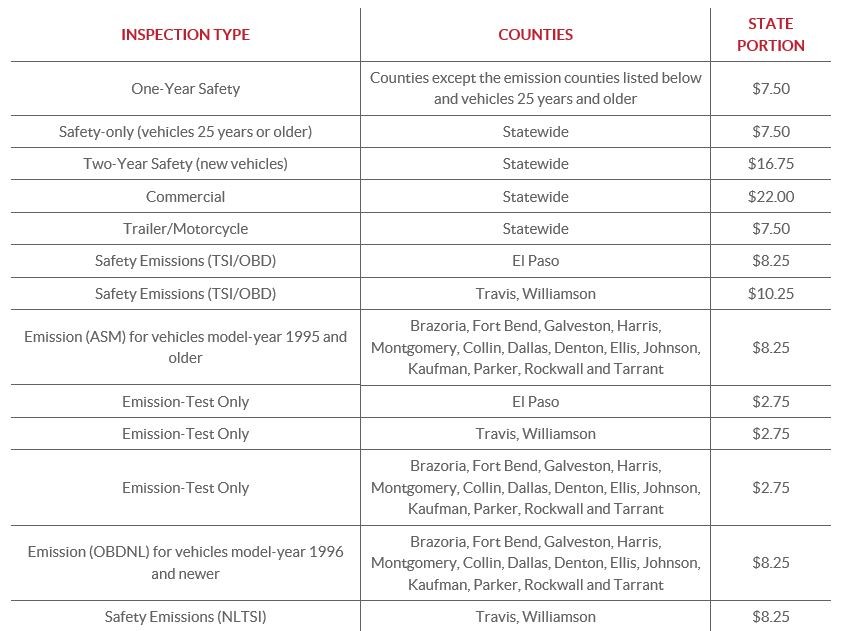
The official state-mandated price for a standard Texas vehicle safety inspection is capped at $35.50. This price is set by the Texas Department of Public Safety (DPS) and applies to most passenger cars and light trucks. It’s important to note that this is the maximum amount a station can charge. Some inspection stations may offer the service for a slightly lower price, but none can exceed this limit.
This fee covers the inspection itself. If your vehicle fails the inspection, you will likely not be charged the full inspection fee for the re-inspection after repairs are made, or the fee might be waived altogether by some stations, provided the re-inspection occurs within a reasonable timeframe. However, the initial inspection fee is paid upfront, regardless of the outcome.
What Does the Inspection Fee Cover?
The $35.50 fee is not just for a quick once-over; it’s for a thorough check of essential safety features. This includes:
- Braking System: Ensuring your brakes are functioning effectively and can bring your vehicle to a safe stop.
- Lights: Checking headlights, taillights, brake lights, turn signals, and hazard lights to ensure they are all operational and visible.
- Tires: Inspecting tire tread depth and looking for any signs of damage or excessive wear that could compromise safety.
- Steering and Suspension: Verifying that your steering is responsive and that your suspension components are intact and functioning correctly, contributing to stable handling.
- Windshield and Wipers: Checking the windshield for cracks or damage that could obstruct vision and ensuring windshield wipers are effective in clearing the view.
- Mirrors: Ensuring all mirrors are present, intact, and properly adjusted.
- Exhaust System: Detecting any leaks that could be harmful or excessively noisy.
- Horn: Confirming the horn works as intended.
For motorcycles, the inspection is more focused but equally important for rider safety. It includes checks on brakes, tires, lights, and steering mechanisms.
Factors Influencing the Final Cost
While the state sets a maximum price, a few factors can influence the actual amount you pay, and more significantly, the cost you incur if your vehicle doesn’t pass on the first attempt.
Inspection Station Pricing Strategies
As mentioned, not all inspection stations will charge the full $35.50. Some may offer competitive pricing to attract customers. These differences are usually minor, perhaps a dollar or two less. It’s always a good idea to call a few local inspection stations around Dallas or Houston to inquire about their current pricing. However, remember that the difference is unlikely to be substantial, and the primary goal is to find a reputable station that performs the inspection thoroughly.
Re-inspection Costs After Repairs
If your vehicle fails the inspection, you have a grace period of 60 days to make the necessary repairs and have the vehicle re-inspected. Many inspection stations do not charge for this re-inspection if it is performed within this 60-day window at the same station. However, this is not a universal rule. It’s crucial to clarify the re-inspection policy with the station before you leave, especially if your vehicle needs significant repairs.
Additional Costs for Repairs
The inspection fee itself is solely for the inspection process. If your car fails, the cost of any repairs needed to pass the inspection is entirely separate and borne by the vehicle owner. This can range from a few dollars for a burnt-out lightbulb to hundreds or even thousands of dollars for major brake system issues or significant tire wear.
For instance, replacing a single headlight bulb is a minor expense, often less than $20 for the part. However, if your tires are worn out, replacing all four can cost anywhere from $400 to over $1000, depending on the type and brand of tires. Similarly, brake pad replacement might cost $150 to $300 per axle, while more extensive brake repairs involving rotors or calipers could significantly increase that cost.
Vehicle Type and Exemptions
While the $35.50 is the standard for most passenger vehicles, there are some specific types of vehicles and circumstances that may have different requirements or costs, though these are less common. For example, older vehicles manufactured before a certain year might have different inspection requirements, though Texas has moved towards a unified inspection and registration program.
Certain vehicles are exempt from the annual safety inspection. These typically include:
- Motorcycles (which have a separate, often lower, inspection fee).
- Trailers.
- Vehicles that are less than two model years old, unless they are older than the current model year.
- Vehicles that are a model year older than the current model year and are not older than two model years.
- Vehicles with a Gross Vehicle Weight Rating (GVWR) of more than 26,000 pounds.
- Vehicles registered as antique vehicles.
For those vehicles that are exempt from the safety inspection, the primary regulatory requirement for them to be on Texas roads is proper registration and insurance.
Where to Get Your Car Inspected in Texas
Finding an authorized inspection station in Texas is straightforward. These stations are typically:
- New car dealerships.
- Independent auto repair shops.
- Some quick lube and tire service centers.
- Some service stations/gas stations.
All authorized inspection stations are required to display a sign indicating that they perform inspections. You can also often find lists of authorized stations through the Texas Department of Public Safety (DPS) website or by asking for recommendations from local residents or fellow travelers in Fort Worth or El Paso.
When choosing a station, especially if you’re on a road trip or new to an area, consider:
- Reputation: Look for businesses with good reviews or ask for local recommendations.
- Convenience: Is the station located conveniently along your travel route or near your accommodation, perhaps a hotel like the Drury Plaza Hotel or a resort you might be staying at?
- Clarity on Re-inspection Policy: As mentioned, confirm their policy on re-inspections after repairs.
The inspection process itself is generally quick, often taking anywhere from 20 to 45 minutes, depending on the station’s volume and the complexity of the inspection.
The Importance of the Texas Vehicle Inspection Program
The Texas Vehicle Inspection Program (VIP) plays a significant role in maintaining road safety across the state. By requiring annual inspections, Texas aims to reduce the number of accidents caused by vehicle malfunctions. This proactive approach benefits everyone, from long-haul truckers traversing the state to families on vacation visiting attractions like the Alamo or the Space Center Houston.
Beyond safety, passing the vehicle inspection is a prerequisite for renewing your vehicle’s registration. If your vehicle fails the inspection, you will not be able to complete your registration renewal until it passes. This linkage ensures that all registered vehicles on Texas roads meet the minimum safety standards.
Planning for Your Inspection
When planning a trip or routine maintenance in Texas, factor in the car inspection. If your inspection is due, it’s best to get it done as soon as possible, rather than waiting until the last minute, especially if your registration renewal is approaching. This allows ample time for any necessary repairs without causing delays in your travel plans or registration.
Consider the timing of your visit. If you are traveling to Texas and your vehicle is due for inspection, you can get it done upon arrival. Many tourists find that local mechanics are accustomed to assisting out-of-state visitors with their inspection needs.
Beyond the Cost: Peace of Mind
While the cost of a Texas car inspection is a practical consideration, the true value lies in the peace of mind it provides. Knowing that your vehicle has been checked for essential safety features can significantly enhance your confidence while driving, especially on longer journeys or in unfamiliar territories. Whether you’re headed to a music festival in Austin, exploring the arts scene in Dallas, or enjoying a family outing to the San Antonio River Walk, a properly inspected vehicle contributes to a safer and more enjoyable experience.
For those who appreciate the finer things in life, even when traveling for business or leisure, the luxury travel aspect of Texas is undeniable. From upscale accommodations in Dallas to exclusive resorts, ensuring your vehicle is roadworthy is just another step in a seamless travel experience. Similarly, for budget travelers, understanding these costs upfront helps in planning a more affordable trip, allowing more funds for experiences and attractions.
In conclusion, the standard cost for a car inspection in Texas is capped at $35.50. While the price is fixed, understanding potential re-inspection fees and the separate costs for repairs is essential for budgeting. By prioritizing these routine checks, Texas residents and visitors can ensure their journeys across the Lone Star State are as safe and smooth as possible, allowing them to fully immerse themselves in all that Texas has to offer.