
The Lone Star State, a vast expanse of diverse landscapes and thriving cities, beckons with opportunities across a multitude of sectors. From the bustling energy of Houston to the historic charm of San Antonio, Texas offers a unique blend of culture, innovation, and natural beauty. As we delve into the myriad of professions that contribute to this dynamic state, one vital role that often garnishes curiosity is that of an Emergency Medical Technician, or EMT. Understanding the earning potential for an EMT in Texas is crucial for aspiring professionals, career changers, and those simply interested in the economic landscape of this expansive region. While the allure of adventure and the satisfaction of helping others are primary drivers for many in this field, financial considerations are undeniably important. This exploration will unpack the factors influencing EMT salaries in Texas, offering insights into earning potential and career trajectories within this critical healthcare profession.

Understanding EMT Salary Factors in Texas
The salary of an Emergency Medical Technician in Texas is not a static figure; it’s a variable influenced by a confluence of factors. These elements range from the technician’s level of experience and education to the specific employer and geographical location within the state. To truly comprehend the earning potential, it’s essential to dissect each of these contributing components.
Experience and Certification Levels
The foundational level of an EMT is typically the EMT-Basic certification. As individuals gain more experience and pursue advanced training, their earning potential can significantly increase. The next step in the progression is often the Advanced EMT (AEMT), which allows for a broader scope of practice, including administering certain medications and performing more complex procedures. At the highest level of pre-hospital emergency care lies the paramedic. Paramedics undergo extensive training, comparable to an associate’s degree, and are qualified to perform a wide array of advanced life support interventions. Consequently, a paramedic’s salary in Texas will generally be higher than that of an EMT-Basic, reflecting their expanded skill set and responsibilities.
The number of years an EMT has been actively working in the field also plays a significant role. Entry-level EMTs will naturally earn less than those with a decade or more of experience. This accumulated experience not only hones clinical skills but also often leads to greater responsibilities, such as training new recruits or taking on leadership roles within an ambulance crew. Furthermore, specialized certifications beyond the basic requirements, such as those in tactical medicine or flight nursing (though flight nursing typically requires RN licensure, EMTs and paramedics can work alongside them), can also command higher salaries.
Employer Type and Service Area
The entity employing an EMT in Texas can have a substantial impact on their salary. There are several types of employers:
- Private Ambulance Services: These companies operate for profit and often contract with hospitals, fire departments, or municipalities to provide emergency medical transport. Salaries within private services can vary widely based on the company’s size, efficiency, and the contracts they hold. Some larger, well-established private services may offer more competitive compensation and benefits packages.
- Fire Departments and Municipal EMS Agencies: Many cities and counties in Texas operate their own municipal EMS departments, often integrated with fire services. These public sector positions may offer greater job stability, comprehensive benefits, and structured pay scales that increase with seniority. The salaries in these agencies can be competitive, especially in larger metropolitan areas like Dallas or Austin.
- Hospital-Based EMS: Some hospitals operate their own ambulance services to transport patients to and from their facilities. These positions often come with benefits similar to other hospital employees and may be influenced by the hospital’s overall compensation structure.
- Specialized Services: This can include air medical services (though as mentioned, often requiring higher levels of certification and licensure) or event-based medical services for large venues like sports arenas or concert halls.
The specific service area within Texas also matters. Generally, EMTs working in major metropolitan areas with a higher cost of living, such as Houston, Dallas, San Antonio, or Austin, tend to earn more than those in smaller rural towns. This is often due to increased demand for services, a higher volume of calls, and the general economic conditions of the region. For example, an EMT working for a busy service near the heart of Dallas might see a different pay scale compared to one serving a more spread-out rural county.
Cost of Living and Benefits
The cost of living in different parts of Texas plays a significant role in determining a competitive salary. While Texas as a whole is often perceived as having a lower cost of living compared to some coastal states, there are significant variations within the state. Major cities like Austin have seen a rapid increase in housing costs and general expenses, which can drive up wages for professions like EMTs.
Beyond the base salary, the benefits package offered by an employer is a critical component of overall compensation. These benefits can include:
- Health Insurance: Comprehensive health insurance is a vital benefit for any healthcare professional.
- Retirement Plans: Contributions to a 401(k) or pension plan can significantly add to long-term financial security.
- Paid Time Off (PTO): Vacation days, sick leave, and holiday pay contribute to work-life balance.
- Life Insurance and Disability Coverage: These provide financial protection for EMTs and their families.
- Continuing Education and Training: Employers who invest in their EMTs’ professional development can indirectly boost earning potential by preparing them for advanced roles.
When comparing job offers, it’s crucial to look beyond the hourly wage or annual salary and consider the total compensation package, including the value of these benefits. A slightly lower salary might be acceptable if it comes with a superior benefits package.
Average EMT Salaries and Earning Potential in Texas
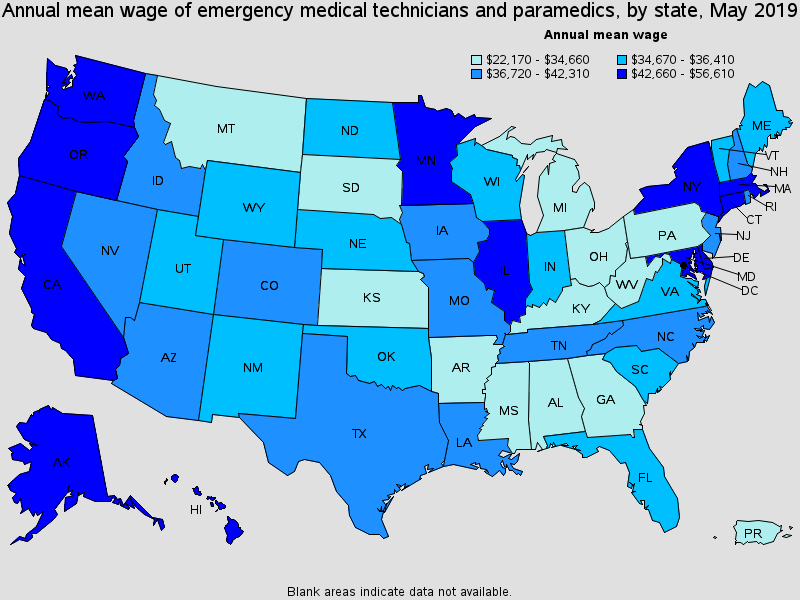
Pinpointing an exact average salary for an EMT in Texas can be challenging due to the aforementioned variables. However, by consulting various reputable sources and considering the factors discussed, we can provide a well-informed estimate of earning potential.
Salary Ranges by Experience and Certification

As a general guideline, entry-level EMT-Basics in Texas might expect to earn somewhere in the range of $30,000 to $40,000 per year. This figure can be lower in very rural areas or for smaller, less established services.
With a few years of experience and a solid reputation, an EMT’s salary can increase. An experienced EMT-Basic with 3-5 years of service could see their annual earnings rise to $40,000 to $50,000.
The real jump in earning potential typically occurs with the attainment of Advanced EMT (AEMT) or Paramedic certifications. An AEMT in Texas could potentially earn between $45,000 and $60,000 per year, depending on their employer and location.
Paramedics command the highest salaries among pre-hospital emergency medical providers. In Texas, a paramedic’s salary can range from $50,000 to $70,000 per year, with experienced paramedics in high-demand areas or specialized roles potentially exceeding the upper end of this range. Some highly experienced paramedics working in critical care transport or with advanced roles in large metropolitan EMS agencies might even approach or surpass $80,000 annually.
It’s important to note that these are annual salary estimates. Many EMTs and paramedics are paid hourly. For instance, an EMT earning $20 per hour would gross approximately $41,600 per year, assuming a standard 40-hour work week. Overtime pay is also a common occurrence in this profession, which can further boost annual earnings.
Geographic Variations in Texas
The significant geographical diversity of Texas directly impacts EMT salaries. Here’s a look at how some major cities and regions might compare:
- Major Metropolitan Areas: Cities like Houston, Dallas, Fort Worth, San Antonio, and Austin generally offer higher salaries due to a greater demand for EMS services, a higher cost of living, and a more competitive job market. EMTs and paramedics in these areas are likely to fall within the higher end of the salary ranges mentioned earlier. For example, job postings in Austin often reflect competitive wages due to its booming tech industry and growing population, which in turn increases demand for all services, including healthcare.
- Mid-Sized Cities and Suburbs: In cities like El Paso, Corpus Christi, or the surrounding suburbs of major metropolises, EMT salaries may be slightly lower than in the core urban centers but still competitive. These areas often provide a good balance between earning potential and a more manageable cost of living.
- Rural and Remote Areas: EMTs serving smaller towns and more remote regions of Texas, such as those in the Panhandle or West Texas, might find that salaries are on the lower end of the spectrum. However, in some cases, rural EMS agencies might offer incentives or housing assistance to attract qualified personnel, and the potential for overtime can still make these positions financially viable.
When considering employment, it’s advisable to research specific cities and regions that align with your career goals and financial expectations. Websites that track salary data often provide breakdowns by city, allowing for more targeted research.
Career Advancement and Earning Potential
The career path for an EMT in Texas is not limited to remaining at a single certification level. There are clear avenues for advancement, each leading to increased responsibilities, skill development, and, consequently, higher earning potential.
Moving Up the Ladder: From EMT to Paramedic and Beyond
The most common and significant career progression for an EMT is to become a paramedic. This transition involves rigorous education, typically an accredited paramedic program, which can take anywhere from 12 to 24 months to complete, depending on whether it’s a full-time or part-time program. Upon successful completion and passing the national registry exam, a paramedic is equipped with advanced clinical skills, including advanced airway management, cardiac monitoring, administering a wider range of medications, and interpreting ECGs. This expanded scope of practice directly translates into a higher salary, as discussed in the previous section.
Beyond the paramedic level, further career opportunities exist within emergency medical services and related healthcare fields:
- EMS Instructor/Educator: Experienced paramedics and EMTs can transition into teaching roles, training the next generation of EMS professionals. This often requires additional certifications in education and can lead to a stable salary, sometimes within an academic or institutional setting.
- Field Training Officer (FTO): Within larger EMS agencies, experienced personnel are often tasked with mentoring and evaluating new hires during their probationary periods. This role usually comes with a stipend or a slight pay increase.
- Supervisor/Managerial Roles: As EMS agencies grow, opportunities arise for supervisors, operations managers, and even directors. These leadership positions involve managing personnel, budgets, and operational logistics, and they command significantly higher salaries.
- Critical Care Transport (CCT) / Flight Medic: While many flight medic positions require RN licensure, some advanced EMT or paramedic roles exist in specialized critical care transport services, moving critically ill or injured patients between facilities. These roles often require advanced certifications and experience and are among the highest-paying pre-hospital positions.
- Specialty Roles: Some EMTs and paramedics may specialize in areas such as tactical EMS (working with law enforcement), hazardous materials response medical support, or community paramedicine (providing non-emergency healthcare services in the community). These specializations can open doors to unique job opportunities and potentially higher compensation.
Factors Influencing Long-Term Earning Potential
The long-term earning potential for an EMT in Texas is strongly tied to a commitment to continuous learning and professional development.
- Pursuing Higher Education: While not always mandatory, obtaining an associate’s or bachelor’s degree in emergency management, public health, or a related field can open up more advanced administrative or leadership roles within EMS or other healthcare organizations.
- Specialized Certifications: As mentioned, obtaining certifications in specific areas like ACLS (Advanced Cardiovascular Life Support), PALS (Pediatric Advanced Life Support), ATLS (Advanced Trauma Life Support), or specialized rescue techniques can enhance a professional’s resume and marketability.
- Gaining Diverse Experience: Working in different types of EMS environments—from busy urban centers to more rural settings, or even within different hospital systems—can provide a broad base of experience that makes a professional more adaptable and valuable.
- Networking and Professional Organizations: Engaging with professional organizations like the National Association of Emergency Medical Technicians (NAEMT) or state-level associations can provide valuable networking opportunities, access to continuing education, and insights into emerging trends and career paths.
By proactively seeking out educational opportunities, gaining diverse experience, and staying current with best practices in emergency medical care, EMTs in Texas can significantly enhance their career trajectory and maximize their earning potential over time. The journey from an EMT-Basic to a highly skilled paramedic or a leader in EMS is a testament to the dedication and continuous growth within this essential profession.