
The allure of the hospitality industry often conjures images of luxurious lobbies, impeccable service, and the seamless operation of world-class establishments. At the heart of this intricate ecosystem sits the hotel manager, a pivotal figure responsible for ensuring guest satisfaction, financial success, and the overall smooth running of the property. But beyond the prestige and responsibility, a common question lingers: how much does a hotel manager actually earn? The answer, as with many professions, is not a simple figure but a complex interplay of experience, location, property type, and individual performance.
The role of a hotel manager is multifaceted. They are strategic thinkers, financial custodians, human resources leaders, and customer service champions, all rolled into one. They oversee daily operations, manage staff, set budgets, implement marketing strategies, and ensure that every guest experiences the highest standards of comfort and service. Whether it’s a charming boutique hotel in Paris, a sprawling resort in the Maldives, or a bustling business hotel in New York City, the hotel manager’s influence is undeniable. Understanding their earning potential requires delving into the factors that shape their compensation.

The Determinants of a Hotel Manager’s Salary
Several key elements contribute to the salary of a hotel manager. These aren’t just abstract variables; they directly reflect the complexity and scope of the responsibilities undertaken.
Experience and Tenure
Like most professions, a hotel manager’s salary typically increases with experience. An entry-level assistant manager or a junior manager at a smaller establishment will naturally earn less than a seasoned general manager overseeing a large luxury hotel with a global reputation. Years spent honing skills in various departments, from front desk operations to food and beverage management, build a valuable expertise that commands higher compensation. A manager with a proven track record of increasing occupancy rates, improving guest reviews, and successfully navigating economic downturns will be a highly sought-after asset. This experience translates into a greater ability to handle complex challenges and drive profitability, justifying a higher salary.
Location, Location, Location
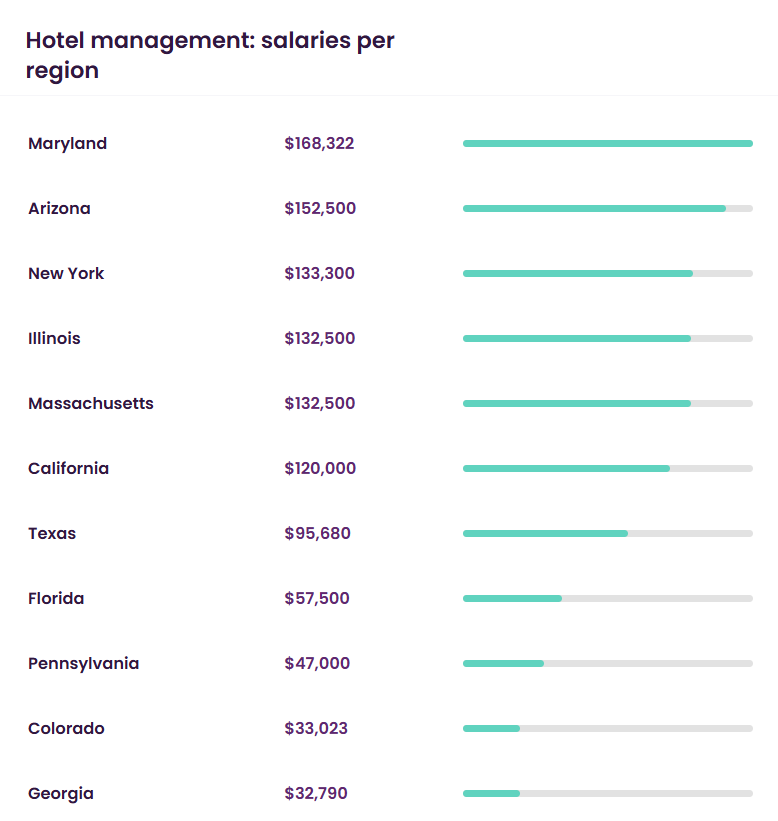
Geographical location plays a significant role in salary expectations. Major metropolitan areas and popular tourist destinations, where the cost of living is higher and competition for skilled professionals is fierce, tend to offer more competitive salaries. For instance, a hotel manager in London or Tokyo might command a higher salary than their counterpart in a smaller, less frequented city. The demand for hospitality services in these prime locations directly influences the potential revenue of the hotels, allowing them to offer more attractive compensation packages to attract top talent. Consider the difference in earning potential between managing a hotel near the Eiffel Tower and one in a more remote, albeit beautiful, region.
Hotel Type and Size
The type and size of the hotel are perhaps the most impactful factors. A manager overseeing a small, independent bed and breakfast will have a vastly different salary range compared to someone in charge of a sprawling, multi-faceted resort complex like Atlantis, The Palm in Dubai, or a prestigious urban hotel like the Ritz Paris. Luxury hotels, large resorts with numerous amenities, and internationally branded hotel chains generally offer higher salaries due to their higher revenue potential and the greater complexity of their operations. Managing a property with multiple restaurants, extensive event spaces, and a large staff requires a broader skill set and incurs greater responsibility, thus warranting a more substantial income. The scope of management for a suite-only hotel in a city might differ significantly from a beachfront resort in Cancun offering a wide array of activities and dining experiences.
Responsibilities and Scope of the Role
Within the broad title of “hotel manager,” there are often different levels of responsibility. A General Manager (GM) typically holds the ultimate responsibility for the entire operation and thus commands the highest salary. Assistant General Managers, Operations Managers, and Department Heads (e.g., Food and Beverage Manager, Rooms Division Manager) will have salaries that reflect their specific areas of oversight and their position within the management hierarchy. The more departments and staff a manager oversees, the greater the complexity and the higher the potential earnings. For example, a manager solely responsible for the food and beverage operations of a hotel will earn differently than the GM overseeing all aspects, including marketing, finance, and human resources, for a property like the Marina Bay Sands in Singapore.
Performance and Bonuses
Many hotel managers’ compensation packages include performance-based bonuses. These incentives are tied to achieving specific financial targets, guest satisfaction scores, occupancy rates, and other key performance indicators (KPIs). A manager who consistently exceeds expectations and drives profitability can significantly boost their overall earnings through these bonuses. This system incentivizes dedication and a results-oriented approach, aligning the manager’s financial success with that of the hotel.
Salary Benchmarks and Averages
While exact figures can fluctuate, it’s possible to provide a general overview of salary expectations for hotel managers. These figures are often presented as base salaries, with bonuses and other benefits potentially adding a significant percentage to the total compensation.
Entry-Level and Junior Management Roles
For individuals stepping into management roles, such as an assistant hotel manager or a department manager in a smaller establishment, salaries might range from $40,000 to $60,000 per year. These roles are crucial for gaining experience and understanding the operational intricacies of the hospitality industry. They might be found managing aspects of smaller hotels or specific departments within larger ones, perhaps in a charming inn in the English countryside or a city hotel in a less prominent locale.
Mid-Level Management Positions
As a hotel manager gains experience and takes on more responsibility, their earning potential increases. A hotel manager overseeing a moderately sized hotel or a significant department in a larger property can expect to earn between $60,000 and $90,000 annually. This could apply to managing a business hotel in Frankfurt or a boutique hotel in Kyoto.

Senior and General Management Roles
General Managers of larger hotels, luxury properties, or resorts, especially in prime international destinations, can command substantial salaries. Base salaries in these roles often start from $90,000 and can easily exceed $150,000 per year. In some cases, for highly prestigious properties or those with exceptional profitability, the total compensation, including significant bonuses, can reach several hundred thousand dollars. Think of managing a flagship property for brands like Four Seasons Hotels and Resorts or a historic hotel like the Waldorf Astoria New York.
Beyond Base Salary: Benefits and Perks
It’s important to remember that a hotel manager’s compensation package often extends beyond their base salary. Many positions come with attractive benefits such as health insurance, retirement plans, paid time off, and sometimes even housing allowances or complimentary stays at other properties within the hotel chain. For senior roles, perks might include company cars, executive dining privileges, and substantial relocation packages. These benefits contribute significantly to the overall value of the compensation.
Factors Influencing Earning Potential Within Specific Niches
The broad landscape of hotel management can be further segmented into various niches, each with its own earning potential influenced by unique market dynamics.
Luxury Hotels vs. Budget Accommodations
The earning potential for hotel managers differs significantly between the luxury and budget sectors. Managers in luxury hotels, such as the Plaza Hotel in New York, are responsible for maintaining exceptionally high standards of service, managing intricate guest requests, and overseeing sophisticated amenities. This level of responsibility, coupled with the higher revenue generated by luxury properties, translates into higher salaries. Conversely, managers in budget hotel chains, like Motel 6 or Ibis Budget, often manage higher volumes of guests and focus more on operational efficiency and cost control, which typically results in lower, though still respectable, compensation.
Resorts vs. City Hotels
Resort management often involves a broader scope of responsibilities, including overseeing recreational facilities, entertainment, and a diverse range of activities beyond just lodging. This complexity can lead to higher earning potential. A manager of a tropical resort in Hawaii or a ski resort in the Swiss Alps might earn more than a manager of a comparable-sized city hotel, especially if the resort offers extensive amenities and caters to a leisure-focused clientele. City hotels, on the other hand, often cater to business travelers and event attendees, requiring a different skill set focused on efficiency, connectivity, and business services.
Boutique Hotels and Independent Properties
Managing a boutique hotel or an independent property can be a rewarding experience, offering greater autonomy. However, earning potential in this sector can be more varied. Smaller independent hotels might offer lower base salaries compared to large chains, but a successful manager can often negotiate a higher percentage of profits or performance-based incentives. The success of these properties heavily relies on the manager’s ability to create a unique brand identity and cultivate a loyal customer base.
The Impact of Global Chains and Independent Management Companies
Working for a major global hotel chain, such as Marriott International or Hilton Worldwide, often provides a structured career path with defined salary bands and opportunities for advancement across various properties and countries. These chains typically offer competitive salaries and comprehensive benefits. Independent management companies, which operate hotels on behalf of owners, can also offer lucrative opportunities. Their compensation structures can be more flexible, and a manager’s earnings might be more directly tied to the performance of the specific property they manage.
Career Progression and Future Outlook
The career path for a hotel manager is one of continuous learning and advancement. Starting as a front desk agent or in a junior management role, individuals can progress through various levels of management, gaining diverse experience along the way. This upward mobility is fueled by a commitment to excellence, a strong understanding of the hospitality business, and the ability to adapt to evolving guest expectations and industry trends.
Pathways to General Management
The ultimate goal for many aspiring hospitality professionals is to reach the General Manager position. This trajectory typically involves accumulating experience in various departments, demonstrating leadership qualities, and proving an ability to manage budgets, staff, and guest relations effectively. Opportunities may arise in different types of properties, allowing managers to broaden their skill sets. For example, moving from a city hotel to a resort, or from a mid-range property to a luxury establishment, can significantly enhance career prospects and earning potential.
Specialization and Consulting
Beyond traditional management roles, experienced hotel managers can also explore specialization in areas like revenue management, asset management, or even move into hotel development. Some individuals leverage their extensive knowledge and experience to become hospitality consultants, advising various hotel owners and operators on improving their businesses. These roles can offer high earning potential, often on a project or retainer basis.
The Future of Hotel Management Salaries
The hospitality industry is dynamic, influenced by global economic trends, technological advancements, and changing traveler preferences. As the industry continues to grow, particularly in emerging markets and the luxury segment, the demand for skilled and experienced hotel managers is likely to remain strong. This sustained demand, coupled with the increasing complexity of managing modern hospitality operations, suggests that hotel manager salaries will continue to be competitive, with significant earning potential for those who excel in their roles. Whether managing a historic inn in Europe or a futuristic hotel in Asia, the role of the hotel manager remains critical, and their compensation reflects the value they bring to the guest experience and the bottom line.