
California, often lauded for its diverse landscapes, thriving economy, and iconic attractions, also presents a compelling picture when it comes to public service salaries. Among the most vital public servants are police officers, whose dedication to ensuring safety and security across the Golden State is paramount. Understanding their compensation is not just a matter of curiosity but also sheds light on the broader economic landscape and the value placed on law enforcement roles. This exploration delves into the salary structures, influencing factors, and potential earning trajectories for police officers in California, offering a comprehensive overview for those interested in this critical profession.
Understanding Police Officer Salaries in California: A Multifaceted View
The question of “How much does a police officer make in California?” doesn’t have a single, straightforward answer. Like many professions, compensation in law enforcement is a complex interplay of various elements. While a baseline salary exists, numerous factors can significantly influence an individual officer’s take-home pay and overall earnings. These range from the specific department and its budget to the officer’s experience, rank, and any specialized skills they possess.
Factors Influencing Police Officer Salaries
Several key determinants shape the salary of a police officer in the vast state of California. Understanding these components is crucial for anyone considering a career in law enforcement or seeking to grasp the economic realities of the profession.
Location, Location, Location: The Impact of Jurisdiction
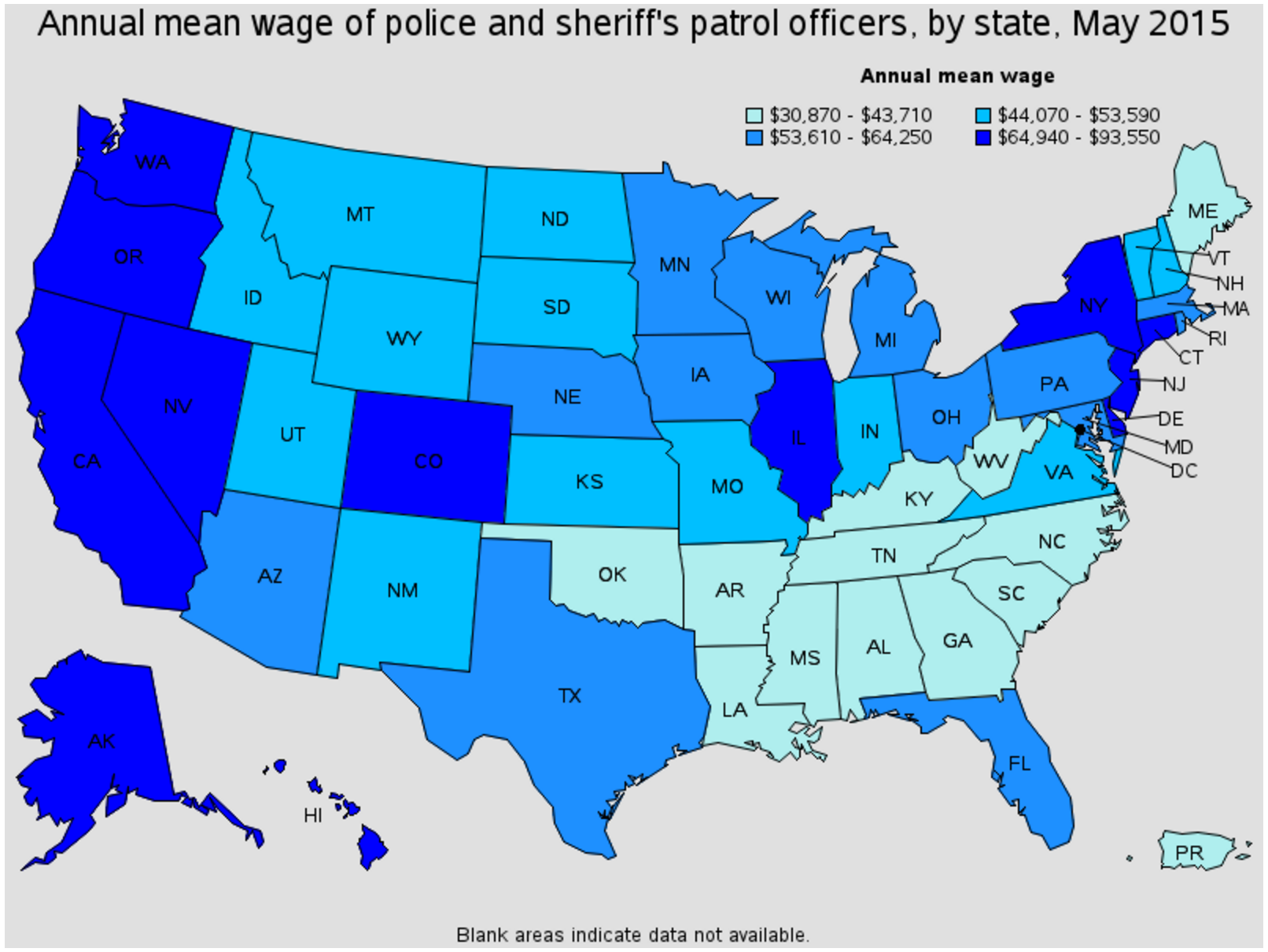
One of the most significant factors affecting a police officer’s salary is their geographical location within California. The cost of living varies dramatically across the state, and salary scales are often adjusted to reflect this. Officers working in high-cost-of-living areas, such as the greater Los Angeles metropolitan area or the San Francisco Bay Area, typically earn higher salaries than their counterparts in more rural or less expensive regions. This adjustment is intended to ensure that officers can maintain a reasonable standard of living in their respective communities.
For instance, a police officer in a small town in Northern California might earn a starting salary considerably lower than an officer beginning their career in San Francisco or San Diego. This disparity is not necessarily a reflection of differing duties or importance but rather an economic necessity driven by regional living expenses. When considering job prospects and salary expectations, researching the specific cities or counties where one intends to work is essential. The salary offered by the Los Angeles Police Department will likely differ from that of the Sacramento Police Department, which in turn will differ from a smaller municipal department in the Central Valley.
Experience and Rank: The Progression of a Career
As police officers gain experience and move up through the ranks, their earning potential increases substantially. Entry-level officers, typically referred to as Police Officers I, earn a starting salary. With continued service, dedication, and successful completion of training and performance evaluations, officers can be promoted to positions like Police Officer II, Detective, Sergeant, Lieutenant, Captain, and even Chief of Police. Each of these advancements comes with a corresponding increase in salary, reflecting greater responsibility, leadership, and specialized knowledge.
- Entry-Level Officers: These individuals are new to the force, undergoing initial training and gaining foundational experience. Their salaries are generally at the lower end of the pay scale.
- Experienced Officers: After several years of service, officers often see their salaries increase significantly. They may also have opportunities for specialized units, which can sometimes come with additional pay.
- Supervisory and Command Staff: Sergeants, Lieutenants, Captains, and Chiefs are responsible for managing teams, making critical decisions, and overseeing departmental operations. Their salaries reflect the substantial leadership and administrative duties they undertake.
The difference in pay between an entry-level officer and a seasoned Detective or a Captain can be quite substantial, sometimes doubling or even tripling the initial salary. This career progression is a key motivator for many in the field, offering a clear path to increased earnings and professional fulfillment.
Department Size and Budget: The Influence of the Employer
The size and financial resources of a police department play a crucial role in determining salary ranges. Larger departments, often serving major cities like San Jose, Oakland, or Long Beach, tend to have more extensive budgets and, consequently, can often offer more competitive salaries and benefits packages. These larger departments may also have a wider array of specialized units and roles, which can contribute to higher overall compensation for officers with specific skills or interests.
Conversely, smaller municipal police departments or sheriff’s offices in less affluent areas might have more constrained budgets. This can lead to lower salary offerings compared to their larger counterparts. However, these smaller departments might offer other advantages, such as a closer-knit community feel or a different pace of work, which can be appealing to some officers. The funding for law enforcement agencies is often tied to local tax revenues and state allocations, making the economic health of a particular jurisdiction a direct influencer of officer pay.
Overtime and Special Assignments: Boosting Earning Potential
Beyond base salary, police officers in California have significant opportunities to increase their earnings through overtime pay and special assignments. Law enforcement is a 24/7 operation, and demand for officers often exceeds standard working hours. Events, emergencies, and ongoing investigations frequently necessitate overtime work, which is typically compensated at an enhanced rate (e.g., time-and-a-half or double-time).
Furthermore, officers can volunteer for or be assigned to specialized units or tasks that may come with additional pay differentials. These can include roles in:
- Traffic Enforcement: Officers dedicated to managing traffic flow and enforcing traffic laws.
- K-9 Units: Officers working with specially trained dogs for tasks such as drug detection or suspect apprehension.
- SWAT (Special Weapons and Tactics): Elite units trained for high-risk situations.
- Detective Bureaus: Officers investigating complex crimes.
- Community Relations/School Resource Officers: Officers focused on engagement and prevention.
These assignments often require additional training and commitment but can lead to a substantial boost in an officer’s annual income, making their overall compensation package more attractive. The accumulation of overtime and specialized pay can often push an officer’s actual take-home earnings well beyond their base salary.
Education, Training, and Certifications: The Value of Specialization
While a high school diploma or GED is typically the minimum educational requirement for becoming a police officer, higher levels of education and specialized training can positively impact earning potential. Officers who possess associate’s or bachelor’s degrees may be eligible for higher starting salaries or faster promotion tracks in some departments.
Moreover, obtaining specialized certifications in areas like forensic investigation, crisis negotiation, or advanced driving techniques can make an officer more valuable to their department and may lead to higher pay rates or access to more lucrative assignments. Departments often encourage and support officers in pursuing advanced education and certifications, recognizing that a more skilled and knowledgeable workforce benefits the entire community. This commitment to continuous learning and professional development is a hallmark of a well-functioning law enforcement agency.
Average Salaries and Salary Ranges for Police Officers in California
While individual salaries vary, understanding the average figures provides a solid baseline for what police officers can expect to earn in California. These averages are often compiled from data across numerous departments and jurisdictions, offering a broad perspective.
Entry-Level to Mid-Career Earnings
The starting salary for a police officer in California can vary significantly, but a general range can be established. Entry-level positions typically start in the $50,000 to $70,000 annual range. This figure can be lower in smaller, less affluent areas and higher in major metropolitan centers. As officers gain experience, typically after 3-5 years, their salaries increase. Mid-career officers, those with 5-10 years of service, can expect to earn anywhere from $70,000 to $100,000 annually, not including overtime or special assignment pay.
As officers progress into more senior roles or specialized positions, their earning potential escalates further. For example, experienced detectives or officers in supervisory roles can command salaries that exceed $100,000, and this can climb even higher for those in command positions like Captain or Chief, especially in larger departments. The average salary for all police officers in California, considering all ranks and experience levels, often falls within the $75,000 to $95,000 range, but it’s crucial to remember this is a broad average.
Highest Paid Police Officer Positions in California
The highest earners in California law enforcement are typically found at the upper echelons of the command structure within large, well-funded police departments. Police Chiefs and Assistant Chiefs in major cities like Los Angeles, San Diego, or San Jose can earn salaries well into the $150,000 to $200,000+ range annually. These positions come with immense responsibility, overseeing hundreds or even thousands of officers, managing multi-million dollar budgets, and making policy decisions that affect entire communities.
Beyond the very top leadership, experienced Detectives, specialized unit commanders (like SWAT commanders or heads of homicide divisions), and officers in highly sought-after roles can also achieve significant compensation. Their salaries are boosted by base pay, longevity pay, hazardous duty pay (if applicable), and often substantial overtime earnings. The allure of these high-earning potential roles, combined with the intrinsic rewards of public service, draws many individuals to a career in law enforcement.
Beyond Salary: Benefits and Total Compensation
When discussing how much a police officer makes in California, it’s essential to consider the total compensation package, which extends far beyond the base salary. Law enforcement professionals typically receive a comprehensive array of benefits that add significant value to their overall earnings and provide crucial security.
Health Insurance and Retirement Plans
One of the most valuable components of a police officer’s compensation is employer-provided health insurance. This typically covers medical, dental, and vision care for the officer and often their dependents. These plans are usually comprehensive and can represent a substantial monthly savings for families.
Retirement plans are another cornerstone of police officer compensation. Most California law enforcement agencies offer robust pension plans, often through the California Public Employees’ Retirement System (CalPERS). These pensions provide a guaranteed income stream for officers upon retirement, based on their years of service and final salary. The security and long-term financial stability offered by these pension plans are a significant factor in attracting and retaining experienced officers. Some departments also offer supplemental retirement savings plans, such as 401(k) or 403(b) options, which allow officers to further invest for their future.

Paid Time Off and Other Perks
Police officers in California are generally entitled to generous paid time off, including vacation days, sick leave, and holidays. The amount of vacation time typically increases with years of service, rewarding loyalty and experience. Sick leave policies provide a safety net for officers needing time off due to illness or injury, and holiday pay ensures that officers working during major holidays are compensated accordingly.
Other perks can also contribute to the overall compensation. These might include:
- Uniform allowances: Funds to purchase and maintain their official uniforms.
- Education reimbursement: Financial assistance for officers pursuing further education.
- Life insurance: Employer-provided life insurance policies.
- Wellness programs: Access to fitness facilities or health and wellness initiatives.
These benefits, when factored in, can significantly increase the total financial value of a police officer’s role in California, making it a financially stable and rewarding career choice for many. The combination of competitive salaries, comprehensive health and retirement benefits, and ample time off creates a compelling package for those dedicated to serving and protecting communities across the Golden State.