
The Lone Star State, a land of sprawling ranches, bustling metropolises, and a vibrant economy, offers a compelling landscape for aspiring and established real estate professionals. Texas, with its diverse geography and dynamic population growth, presents unique opportunities and challenges for real estate brokers. From the energy-rich fields of West Texas to the coastal charm of Galveston and the cosmopolitan allure of cities like Dallas and Houston, the earning potential for a real estate broker in Texas is as varied as the state itself. This article delves into the factors that influence a real estate broker’s income in Texas, exploring salary ranges, commission structures, and the critical elements that contribute to a successful and lucrative career.
Understanding Real Estate Broker Compensation in Texas
The compensation structure for real estate brokers in Texas, like most places, is multifaceted. It’s not a simple fixed salary; rather, it’s a blend of base earnings, commissions, and potentially other incentives. The core of a broker’s income typically derives from commissions earned on transactions they facilitate, whether it’s the sale of a residential property in a suburban neighborhood near Austin or a commercial development in San Antonio. Understanding these components is crucial for anyone considering a career in this field.
The Commission-Based Landscape
At its heart, real estate brokerage is a commission-driven profession. When a broker successfully closes a deal—whether it’s helping a family find their dream home in Fort Worth or assisting an investor in acquiring a commercial property in El Paso—they earn a percentage of the sale price. This percentage, often referred to as the commission rate, is typically split between the buyer’s agent and the seller’s agent. The broker, in turn, takes a portion of the commission earned by the agents affiliated with their brokerage.
The commission rate itself can vary significantly. Factors such as the type of property (residential, commercial, land), the market conditions in a specific region of Texas, and the negotiation between the parties all play a role. Generally, residential properties might see commission rates ranging from 4% to 6% of the sale price, which is then split. For instance, if a house sells for $300,000 with a 5% commission, the total commission would be $15,000. This amount would then be divided between the buyer’s and seller’s agents’ respective brokerages. The individual agents would then split their share with their broker.
The Role of Experience and Expertise
A significant determinant of a real estate broker’s earning potential in Texas is their level of experience and specialized expertise. A newly licensed agent just starting out will likely have a lower earning capacity compared to a seasoned broker who has been navigating the Texas real estate market for a decade or more. Experienced brokers often have a well-established network of clients, a deep understanding of local market trends in areas like The Woodlands or Pearland, and a proven track record of successful transactions. This accumulated knowledge and reputation allow them to command higher commissions or attract more lucrative deals.
Furthermore, specialization can dramatically influence income. Brokers who focus on niche markets, such as luxury properties in Highland Park, commercial real estate in the energy sector, or investment properties in rapidly developing areas, can often achieve higher average transaction values. This specialized knowledge translates into a deeper understanding of specific buyer and seller needs, allowing them to provide more targeted and effective service, which in turn can lead to higher earnings.
Factors Influencing a Broker’s Income in Texas
Beyond the fundamental commission structure, a multitude of other factors contribute to the income of a real estate broker in Texas. These can range from the specific geographic location of their brokerage to their marketing strategies and the overall economic health of the state.
Geographic Location and Market Dynamics
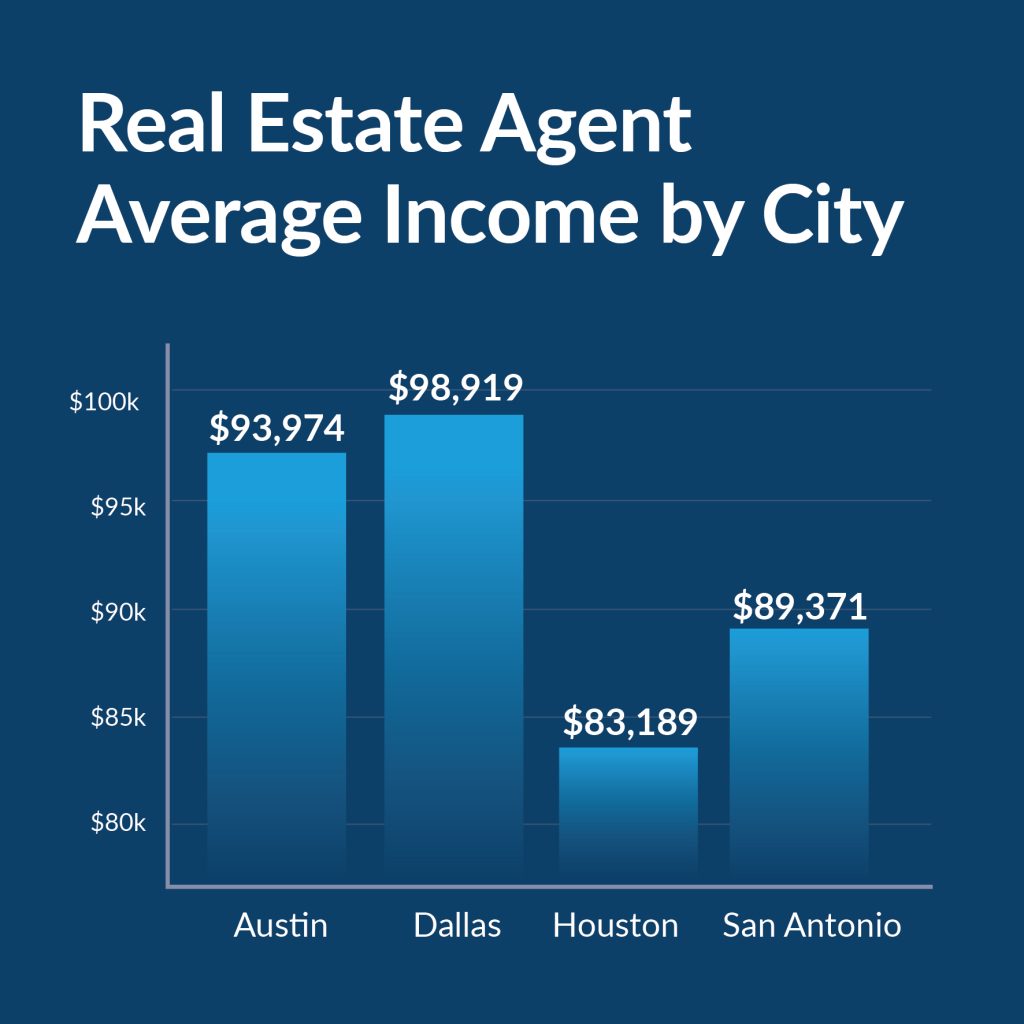
The economic powerhouse that is Texas is not monolithic. The real estate market can vary dramatically from one city or region to another. A broker operating in a high-cost-of-living, high-demand area like Dallas or Plano will likely see higher property values and, consequently, higher commission earnings on a per-transaction basis than a broker in a more rural or less populated part of the state.
Cities like Houston, with its massive population and diverse economy, offer a wide spectrum of real estate opportunities, from urban apartments to sprawling suburban homes and industrial properties. Similarly, the booming tech sector in Austin has driven up property values significantly, creating a lucrative market for residential and commercial brokers. In contrast, while still offering opportunities, areas with lower population density or less robust economic activity might present a smaller volume of transactions and lower average sale prices. Understanding these local market dynamics is paramount for a broker aiming to maximize their earnings in Texas. The types of properties available also play a role; a broker specializing in high-end vacation rentals near the Texas Hill Country or beachfront properties on Galveston Island will have a different income trajectory than one focused on agricultural land in the Panhandle.
Brokerage Size, Reputation, and Business Model
The brokerage firm a broker works for also plays a crucial role. Large, established brokerages often have strong brand recognition, extensive marketing resources, and a robust support system, which can help their agents close more deals. They may also have higher-commission splits for their agents, especially for top performers. Independent brokerages or smaller firms, while potentially offering more flexibility or a more niche market focus, might have fewer resources but could offer more attractive commission splits.
The reputation of the brokerage itself is also a significant factor. A well-respected firm with a history of ethical practices and successful transactions will attract both talented agents and discerning clients. This positive association can indirectly boost the income of individual brokers within the firm by lending credibility and trust to their services. Furthermore, some brokerages operate with different business models. Some might focus heavily on volume, encouraging agents to handle a large number of transactions at a lower commission rate, while others might focus on high-value, high-commission deals.
Marketing, Networking, and Client Acquisition Strategies
Ultimately, a real estate broker’s income is directly tied to their ability to generate business. Effective marketing and client acquisition strategies are not just beneficial; they are essential for success in the competitive Texas real estate market. This involves a multi-pronged approach, including:
- Digital Marketing: Maintaining a professional website, active social media presence (platforms like Instagram or Facebook), and utilizing online advertising to reach potential buyers and sellers. High-quality photography and compelling property descriptions are crucial.
- Networking: Building and nurturing relationships with past clients, other real estate professionals, lenders, appraisers, and community leaders. Attending industry events, local chamber of commerce meetings, and real estate seminars can open doors to new opportunities.
- Referral Systems: Encouraging past clients to refer friends, family, and colleagues. A strong referral base is often the most reliable source of consistent business.
- Content Creation: Sharing market insights, local neighborhood guides, or tips for buyers and sellers through blogs, videos, or newsletters can establish a broker as an authority in their field. For example, a broker specializing in the historic districts of San Antonio might create content detailing the unique architectural styles and local amenities.
The most successful brokers in Texas are proactive in their business development. They don’t just wait for clients to come to them; they actively seek them out through strategic outreach and by consistently demonstrating their value and expertise.
Estimating Real Estate Broker Earnings in Texas
While providing an exact figure for how much a real estate broker makes in Texas is challenging due to the wide array of variables, we can look at salary surveys and commission structures to establish realistic earning ranges. These figures should be viewed as averages, and individual outcomes can vary widely based on the factors previously discussed.
Salary Ranges and Commission Splits
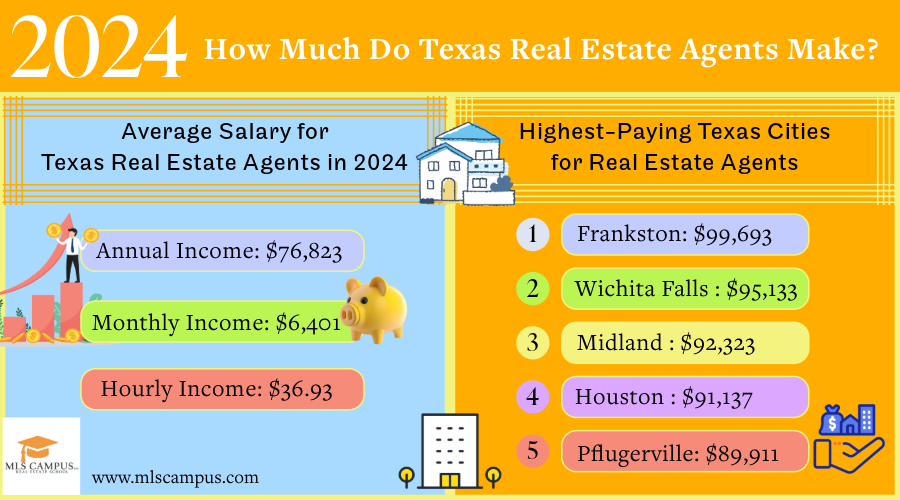
According to various industry surveys and job boards, the average annual income for a real estate agent in Texas can range from approximately $50,000 to $100,000. However, this is a broad average. For experienced brokers, especially those who have built a strong reputation and consistently close high-value deals, earnings can significantly exceed this range, potentially reaching several hundred thousand dollars per year.
The commission split between an agent and their broker is a critical component of this income. A common arrangement might see an agent receiving 50% to 70% of the commission earned on a sale, with the broker taking the remainder. As agents gain experience and bring more business to the brokerage, they may negotiate for higher splits. Top-performing agents in high-demand markets like Dallas or Austin can negotiate splits as high as 80% or even 90%.
The Impact of Transaction Volume and Property Value
The sheer number of transactions a broker handles and the average value of those transactions are the most direct drivers of income. A broker who closes 10 transactions per year on properties averaging $400,000 with a 5% commission rate (split 50/50 with the buyer’s agent’s broker) would generate approximately $100,000 in total commission revenue for their brokerage. If their split with the brokerage is 60%, their net earnings before expenses would be $60,000.
Conversely, a broker in a luxury market like Frisco who closes just 4 transactions per year on properties averaging $1,500,000 with the same commission structure and split would generate $300,000 in total commission revenue for their brokerage, leading to a net income of $180,000 for the agent. This highlights how focusing on higher-value properties or increasing transaction volume can dramatically impact earnings.
Income Variability and Future Outlook
It is crucial to acknowledge the inherent variability in real estate income. Some months or even quarters might be slower than others, and economic downturns can impact the market significantly. Therefore, financial planning and managing expenses prudently are essential for real estate brokers.
The future outlook for real estate brokers in Texas remains strong. The state continues to experience population growth, driven by a favorable business climate, job opportunities, and an attractive lifestyle. This sustained growth fuels demand for housing and commercial spaces, creating a consistent need for skilled real estate professionals. Whether it’s helping families find homes in new master-planned communities around San Antonio or facilitating the sale of office buildings in the energy corridor of Houston, the demand for brokers in Texas is expected to remain robust. Continued professional development, staying abreast of market trends, and adapting to evolving client needs will be key for brokers to thrive and achieve significant financial success in the Lone Star State.