
In an increasingly interconnected world, where seamless travel and identification are paramount, understanding the nuances of official documents is crucial for both residents and visitors. For those living in or planning extensive domestic travel from the Golden State, the question of “How much does a Real ID cost in California?” is more than just a matter of finances; it’s about unlocking convenience, ensuring compliance, and navigating the modern landscape of travel and security. This comprehensive guide delves into the expenses, processes, and broader implications of obtaining a California Real ID, connecting it to the broader themes of travel, tourism, and lifestyle that define our experiences.
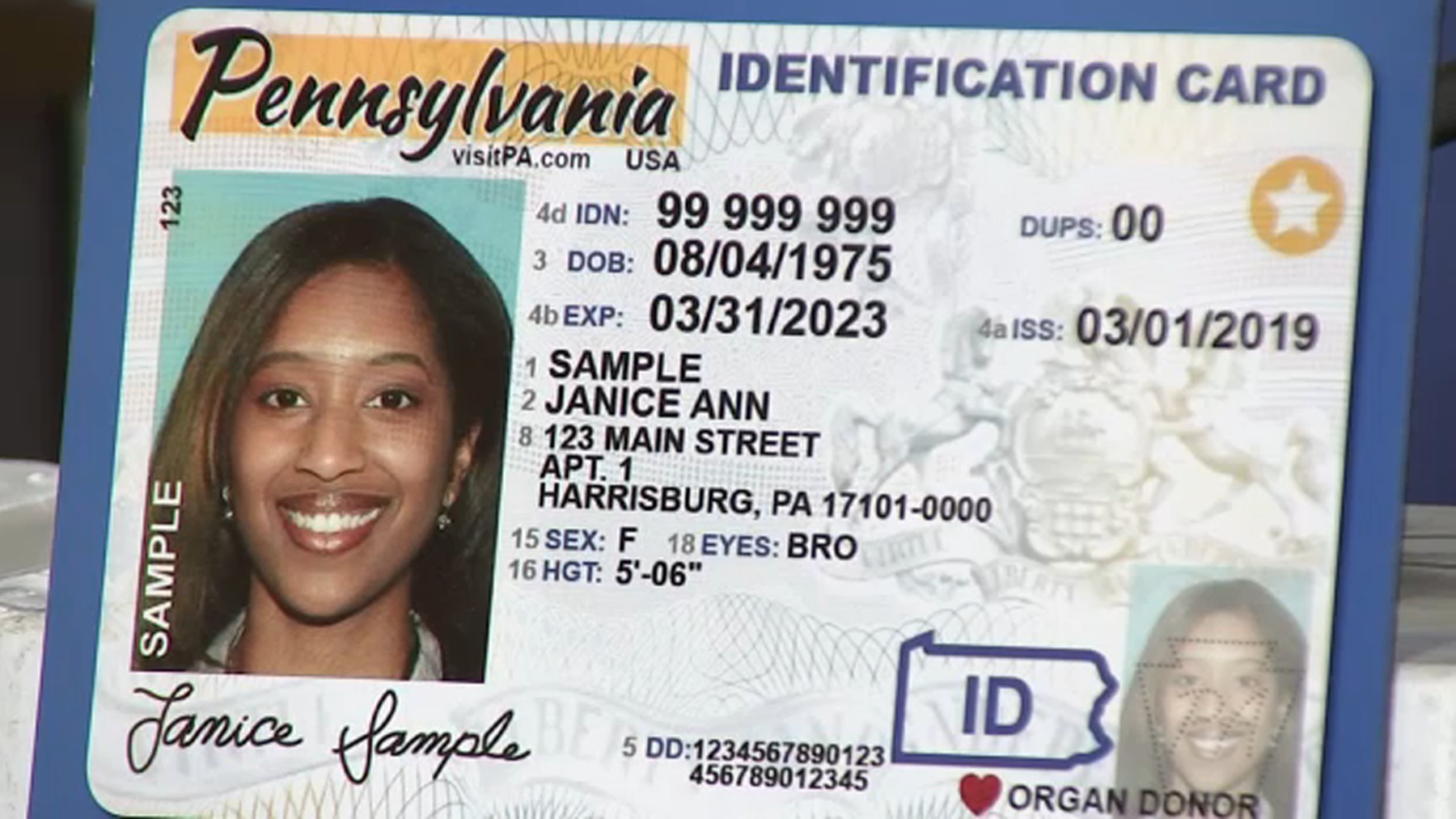
The Real ID Act, passed by Congress in 2005, was a response to the 9/11 Commission’s recommendation that the Federal Government “set standards for the issuance of sources of identification, such as driver’s licenses.” This act established minimum security standards for state-issued driver’s licenses and identification cards and prohibits federal agencies from accepting for certain purposes driver’s licenses and identification cards from states that do not meet these standards. For travelers, this primarily impacts domestic air travel. Without a Real ID compliant document, or an alternative like a U.S. Passport, you could face significant hurdles at airport security checkpoints.
California, renowned for its sprawling cities like Los Angeles, San Francisco, and San Diego, its iconic landmarks such as the Golden Gate Bridge and Disneyland Park, and its breathtaking natural wonders like Yosemite National Park, attracts millions of visitors annually and is home to nearly 40 million residents. Whether you’re a local planning a weekend getaway to Santa Monica or an international tourist exploring the vibrant culture of Hollywood and Beverly Hills, understanding identification requirements is critical. This guide will clarify the costs associated with a California Real ID, provide insights into the application process, and offer advice for navigating travel and identification needs, ensuring your journeys through the United States are as smooth as possible.
Navigating Travel in the Golden State: Why Real ID Matters
For anyone residing in California or frequently traversing its borders by air, the topic of Real ID is inescapable. It’s not merely a new type of driver’s license; it’s a critical document that aligns with federal security standards, particularly for domestic air travel and access to federal facilities. The convenience and peace of mind it offers to travelers make the initial investment worthwhile, fundamentally changing how residents interact with various aspects of their daily and travel-oriented lives.
The Federal Mandate and Its Impact on Air Travel
The primary driver behind the push for Real ID is the Real ID Act of 2005, which established new federal requirements for state-issued driver’s licenses and identification cards to be accepted for certain federal purposes. After several extensions, the full enforcement date for domestic air travel took effect on May 7, 2025. From this date forward, every traveler 18 years of age and older will need a Real ID compliant driver’s license or identification card, or another acceptable form of identification, such as a U.S. Passport, to fly within the United States.
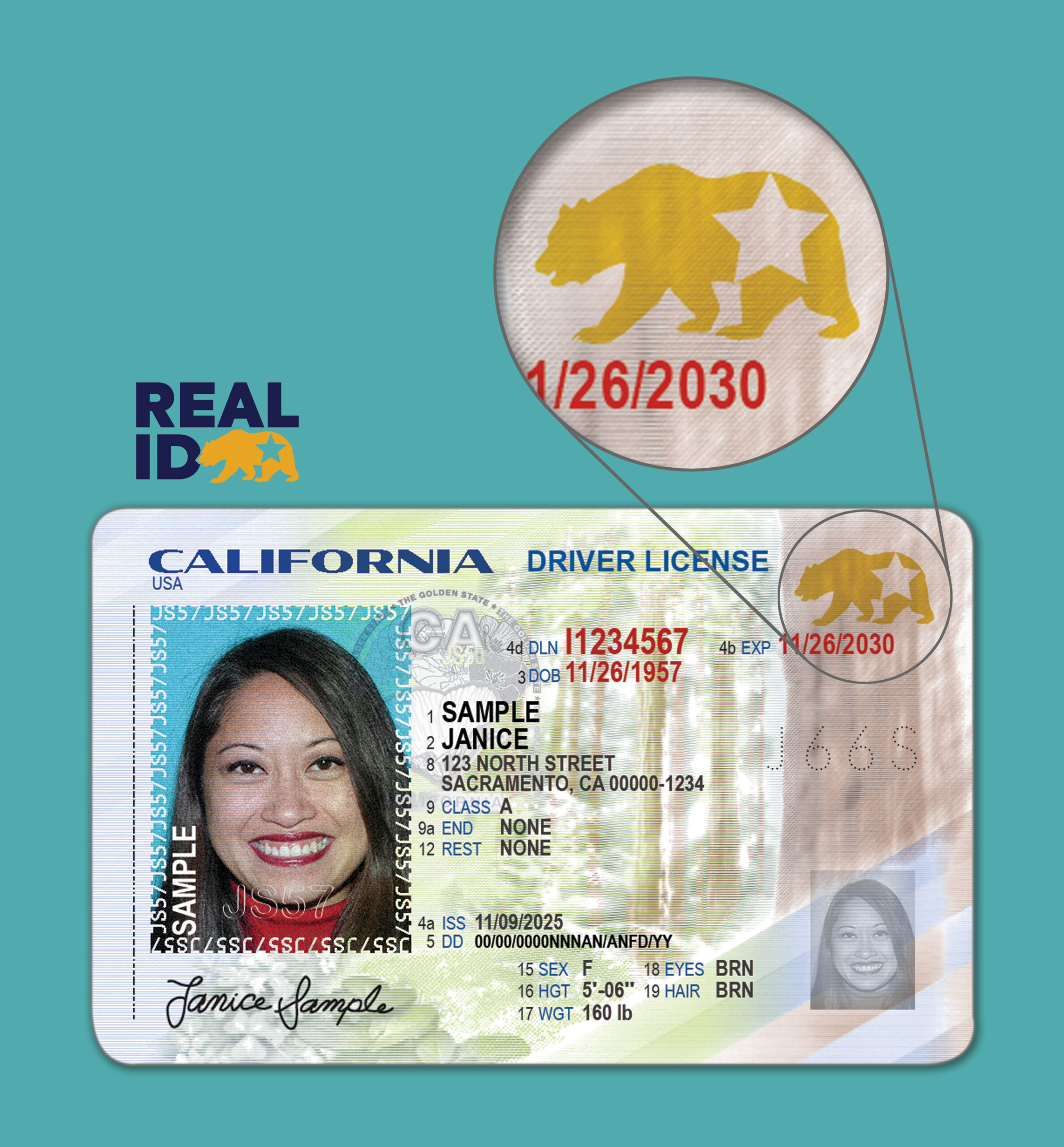
For California residents, this means that a standard California Driver’s License or Identification Card issued without the gold bear and star (the California Real ID indicator) will no longer be sufficient to pass through Transports Security Administration (TSA) checkpoints at airports like Los Angeles International Airport, San Francisco International Airport, or San Diego International Airport. The potential consequence of not having a Real ID or an alternative could be missing a flight, disrupting meticulously planned travel itineraries, and incurring additional costs from rebooking or alternative transport. Imagine booking a stay at a luxurious Four Seasons hotel in Napa Valley or a Hyatt Regency in Orange County, only to have your trip derailed at the airport due to an invalid ID. The Real ID mitigates this risk, ensuring your travel plans, from business trips to family vacations, proceed without a hitch.
Beyond the Airport: Everyday Benefits of a Real ID
While domestic air travel is the most frequently cited reason for obtaining a Real ID, its utility extends beyond airport security. A Real ID compliant document is also required for accessing certain federal facilities, military bases, and nuclear power plants. Although most everyday interactions, such as proving your age or identity for banking and retail transactions, do not require a Real ID, having one simplifies processes where federal verification might be involved.
For example, if you ever need to visit a federal building in Sacramento or a military installation for an event, your Real ID will serve as an accepted form of identification. This added layer of compliance enhances the overall convenience for California residents, integrating seamlessly into a lifestyle that may involve diverse interactions with both state and federal entities. It streamlines identity verification, reducing potential delays and complications, and ultimately making daily life and planned excursions smoother and more efficient.
Unpacking the Costs: Fees and Financial Considerations
Understanding the direct and indirect costs associated with obtaining a California Real ID is crucial for budgeting and planning. While the official fee from the Department of Motor Vehicles (DMV) is straightforward, a holistic view reveals other financial and time investments that potential applicants should consider.
The Official Price Tag: New, Renewal, and Duplicates
The direct cost for a California Real ID is identical to that of a standard California Driver’s License or Identification Card. As of the most recent updates, the fees are as follows:
- New Real ID Driver’s License: Approximately $39. This applies to individuals obtaining their first California driver’s license or those converting a non-California license to a California Real ID.
- Real ID Driver’s License Renewal: Approximately $39. When your existing Real ID driver’s license expires, the renewal fee remains the same.
- New Real ID Identification Card: Approximately $39. For those who do not drive but require a federally compliant ID.
- Real ID Identification Card Renewal: Approximately $39.
- Duplicate Real ID Driver’s License or ID Card: Approximately $35. If your Real ID is lost, stolen, or damaged, obtaining a replacement will incur this fee.
- Converting a Standard License/ID to Real ID: If you have an existing standard California Driver’s License or Identification Card and wish to upgrade to a Real ID before its renewal date, you will typically pay the duplicate fee of $35. However, it’s always advisable to check the official DMV website for the most current fee schedule, as these figures can be subject to change.
These fees are relatively modest when compared to the cost of a U.S. Passport (which can range from $130 to $160 for a first-time applicant’s book) but are essential for navigating domestic air travel. The cost covers the processing, printing, and distribution of the secure document, ensuring it meets federal standards.
Hidden Costs and Time Investments
Beyond the direct fees, there are several “hidden” costs and time investments associated with obtaining a Real ID that applicants should consider:
- Time Off Work/Personal Time: The process of gathering documents, filling out the online application, and visiting the DMV can consume several hours, if not a full day. For many, this translates to lost wages or the use of valuable personal time. Strategically booking an appointment can help minimize wait times, but the journey to and from the DMV and the time spent inside are inevitable.
- Transportation Costs: Depending on your location within California, traveling to your nearest DMV office might involve fuel costs, public transportation fares, or ride-sharing fees. For residents in more rural areas, the distance to a DMV office can be substantial.
- Document Retrieval Fees: While most required documents (birth certificate, social security card, utility bills) are readily available, some individuals might need to order certified copies of birth certificates or marriage licenses. These government agencies often charge a small fee for official copies, which can add up.
- Photography and Printing: While the DMV takes your photo, you might need to print out confirmation pages or other documents at home, incurring minor ink and paper costs.
- Preparation Time: The time spent researching requirements, organizing documents, and completing the online application is a non-monetary cost. Proper preparation can significantly reduce stress and streamline the in-person visit.
Considering these factors, the true “cost” of a Real ID extends beyond the $39 fee. However, for the peace of mind and travel flexibility it provides, many find it a worthwhile investment, especially when planning trips to popular destinations like Las Vegas from California, or flying domestically for business in New York or Washington D.C..
Your Roadmap to a California Real ID: The Application Process
Obtaining a California Real ID is a multi-step process designed to verify your identity, residency, and legal presence in the United States. While it requires careful attention to detail and a mandatory in-person visit, being well-prepared can significantly streamline your experience at the DMV.
Essential Documents: What You Need to Bring
The cornerstone of a successful Real ID application is presenting the correct documentation. The California DMV requires applicants to provide original documents (photocopies are generally not accepted) from specific categories:
- Proof of Identity (One document): This is the most critical document. Examples include:
- U.S. Birth Certificate (original or certified copy).
- Valid, unexpired U.S. Passport or Passport Card.
- Permanent Resident Card (Green Card).
- Foreign Passport with an approved I-94 form and valid Visa (for non-citizens with legal presence).
- Certificate of Naturalization.
- Proof of lawful presence from U.S. Citizenship and Immigration Services.
-
Proof of Social Security Number (One document):
- Social Security card (original).
- W-2 form.
- SSA-1099 form.
- Non-SSA-1099 form.
- Pay stub with your full name and Social Security Number.
-
Proof of California Residency (Two different documents): These must show your California street address (P.O. boxes are not accepted). Examples include:
- Utility bills (gas, electric, water, cable, cell phone).
- Rental or lease agreement.
- Mortgage statements.
- Bank statements.
- Insurance documents (vehicle, home, health).
- Medical documents.
- School documents.
-
Proof of Name Change (If applicable): If the name on your identity document differs from your current legal name, you must provide certified legal documents verifying the name change (e.g., marriage certificate, divorce decree, adoption papers).
It is highly recommended to start the Real ID application online at the California DMV website. This pre-fills much of the information and helps you identify precisely which documents you’ll need based on your specific situation. Uploading documents beforehand can also expedite the process at the DMV office.
Tips for a Smooth DMV Experience
Visiting the DMV can sometimes be perceived as a daunting task, but with proper planning, it can be a relatively smooth experience.
- Make an Appointment: This is perhaps the most crucial tip. Schedule your visit through the California DMV website. Appointments significantly reduce wait times, allowing you to be seen much faster than walk-in visitors.
- Complete the Online Application: Before your appointment, fill out the online Real ID application. This step saves considerable time during your in-person visit as your information will already be in the system. You will receive a confirmation code to bring with you.
- Double-Check Your Documents: Before heading to the DMV, ensure you have all original required documents. Make a checklist and verify each item. Missing even one document can result in being turned away and needing to reschedule.
- Arrive Early: Even with an appointment, arriving 10-15 minutes early gives you time to find parking and check in without feeling rushed.
- Be Patient and Polite: DMV staff are processing a high volume of requests. A courteous attitude can go a long way in ensuring a pleasant interaction.
- Know Your Requirements: Understand whether you need a Real ID Driver’s License (if you drive) or an Identification Card (if you don’t drive).
By following these steps, you can minimize the time and stress associated with obtaining your California Real ID, freeing you up to enjoy the countless attractions and experiences that California has to offer, from the pristine beaches of Malibu to the bustling streets of San Francisco.
Real ID vs. Passport: Choosing Your Travel Companion
While the Real ID addresses domestic air travel requirements, it’s essential to understand its limitations and how it compares to a U.S. Passport or Passport Card. The choice between these documents often depends on your travel habits and future plans, making it a key consideration for any modern traveler.
Domestic vs. International Travel Requirements
The fundamental distinction lies in their scope:
- Real ID: This document is primarily for domestic purposes within the United States. It allows you to board federally regulated commercial aircraft for domestic flights and enter secure federal facilities. It is not a document for international travel. It cannot be used to cross international borders by land, air, or sea, except for very limited circumstances if you are a citizen of a country that does not require a passport to enter the United States (which is generally not the case for US citizens entering other countries).
- U.S. Passport Book: This is the gold standard for international travel. A passport book is required for all international air travel and is universally accepted for entry into most foreign countries. It also serves as an acceptable form of identification for domestic air travel, fulfilling the same function as a Real ID at TSA checkpoints.
- U.S. Passport Card: The Passport Card is a less expensive and more portable alternative to the passport book. It is valid for entry into the United States from Canada, Mexico, the Caribbean, and Bermuda at land border crossings (e.g., San Ysidro or Otay Mesa for Tijuana visits) and seaports. Like the passport book, it is also an acceptable form of identification for domestic air travel within the United States, making it an excellent dual-purpose document for cross-border travelers in states like California.
For a California resident who never plans to leave the United States but frequently flies domestically, a Real ID is perfectly sufficient and often more convenient to carry than a passport book. However, if international travel is even a remote possibility, investing in a U.S. Passport (or a Passport Card for regional land/sea travel) offers greater flexibility.
Flexibility for the Modern Traveler
Many seasoned travelers opt to have both a Real ID and a U.S. Passport. This combination provides maximum flexibility:
- Domestic Trips: Use your Real ID for routine domestic flights or when you prefer not to carry your valuable passport book. This could be for a short business trip to Seattle or a leisure flight to Florida.
- International Adventures: Reserve your U.S. Passport for flights to Europe, Asia, or other continents, keeping it safe from everyday wear and tear.
- Backup Identification: Having multiple forms of federally compliant ID can be invaluable in case one is lost or stolen, offering a critical backup during travel.
The cost of a Real ID in California is substantially less than a passport. For many, the approximately $39 fee is a small price to pay for uninterrupted domestic travel. The U.S. Department of State handles passport applications, which typically require different documentation and processing times. Ultimately, the choice depends on your personal travel patterns and your comfort level with carrying different documents. For those who enjoy spontaneous weekend trips to destinations like Lake Tahoe or Palm Springs, having a Real ID makes the logistics of domestic air travel much simpler, ensuring that the only thing you need to worry about is packing your bags and enjoying your stay at a charming boutique hotel or an opulent Ritz-Carlton resort.
Real ID in the Context of California Living and Tourism
For a state as diverse and dynamic as California, the Real ID integrates into the fabric of daily life for its residents and influences the travel considerations for its visitors. Its importance is underscored by California’s role as a major travel hub, a global tourist destination, and a state with a highly mobile population.
For California Residents: Convenience and Compliance
For the millions of people who call California home, a Real ID offers a blend of convenience and compliance that simplifies various aspects of modern living. It removes the stress associated with domestic air travel, ensuring that last-minute flights for business in Silicon Valley or a quick family visit to relatives in Oregon or Nevada are never hampered by identification issues. Beyond the airport, having a Real ID provides a universally recognized and federally compliant form of identification, which can be useful in a range of scenarios where robust identity verification is required.
Consider a California resident planning a road trip along the iconic Pacific Coast Highway, staying in various hotels and resorts. While a Real ID isn’t required for driving or hotel check-ins, its federal compliance ensures that if any part of their journey involves flying, they’re fully prepared. It is an enhancement to the existing California Driver’s License or Identification Card that aligns residents with national security standards, fostering a sense of readiness for any travel opportunity that arises, be it a luxury escape or a budget-friendly adventure.

For Visitors to California: What You Need to Know
While the Real ID is crucial for California residents flying domestically, visitors to the state generally do not need a California Real ID. This is an important distinction to make for both domestic and international tourists exploring attractions like Universal Studios Hollywood or a scenic drive through Big Sur.
- Domestic Visitors: If you are visiting California from another U.S. state, you will need a Real ID-compliant driver’s license or ID card from your home state, or another acceptable form of federal identification (like a U.S. Passport) to board a domestic flight to California or from California. You do not need a California Real ID. Your valid Standard Driver’s License from your home state is sufficient for driving within California and for non-federal identification purposes (e.g., hotel check-ins at a Waldorf Astoria Beverly Hills or purchasing alcoholic beverages).
- International Visitors: For tourists traveling to California from abroad, a valid Passport from your home country, along with any necessary U.S. Visas, is the required form of identification for international entry into the United States and for any domestic air travel within the country. A California Real ID is not relevant for international visitors.
The bottom line for tourists is to ensure they possess the proper identification for their point of origin (their home state or country) that meets federal travel requirements. Once inside California, their existing valid ID will suffice for most tourism-related activities.
In conclusion, the cost of a Real ID in California is a straightforward approximately $39 for new or renewed licenses/IDs, or $35 for duplicates, making it an affordable necessity for domestic air travelers. However, the true investment includes time and careful preparation of documents. By understanding the requirements, streamlining the application process, and weighing its benefits against alternatives like a passport, individuals can ensure their journeys through and from the vibrant state of California are always efficient, secure, and stress-free. Whether for a quick flight to Phoenix, Arizona or an exploration of California’s local culture and food, the Real ID is an indispensable travel document for the modern age.
LifeOutOfTheBox is a participant in the Amazon Services LLC Associates Program, an affiliate advertising program designed to provide a means for sites to earn advertising fees by advertising and linking to Amazon.com. Amazon, the Amazon logo, AmazonSupply, and the AmazonSupply logo are trademarks of Amazon.com, Inc. or its affiliates. As an Amazon Associate we earn affiliate commissions from qualifying purchases.