
The vibrant and ever-expanding landscape of Texas offers a unique appeal for many, from its bustling metropolitan hubs to its serene countryside. This allure isn’t just for residents and visitors seeking incredible destinations and experiences; it also extends to professionals eyeing a lucrative career in real estate. As one of the fastest-growing states in the United States, Texas presents a dynamic market for realtors, but the question remains: “How much does a realtor truly make in Texas?”
For individuals considering a career in real estate or those simply curious about the earning potential within this pivotal sector, understanding the financial landscape is crucial. A realtor’s income in Texas isn’t a fixed salary; it’s a commission-based profession influenced by a myriad of factors, making it an entrepreneurial endeavor with significant highs and lows. The lifestyle associated with being a successful realtor often involves a blend of flexibility, consistent networking, and an intimate understanding of the market, impacting everything from personal travel plans to desired accommodation. This comprehensive guide aims to unpack the complexities of realtor earnings in the Lone Star State, considering everything from average incomes to the costs of doing business and the broader lifestyle implications.
Understanding the Income Landscape for Texas Realtors
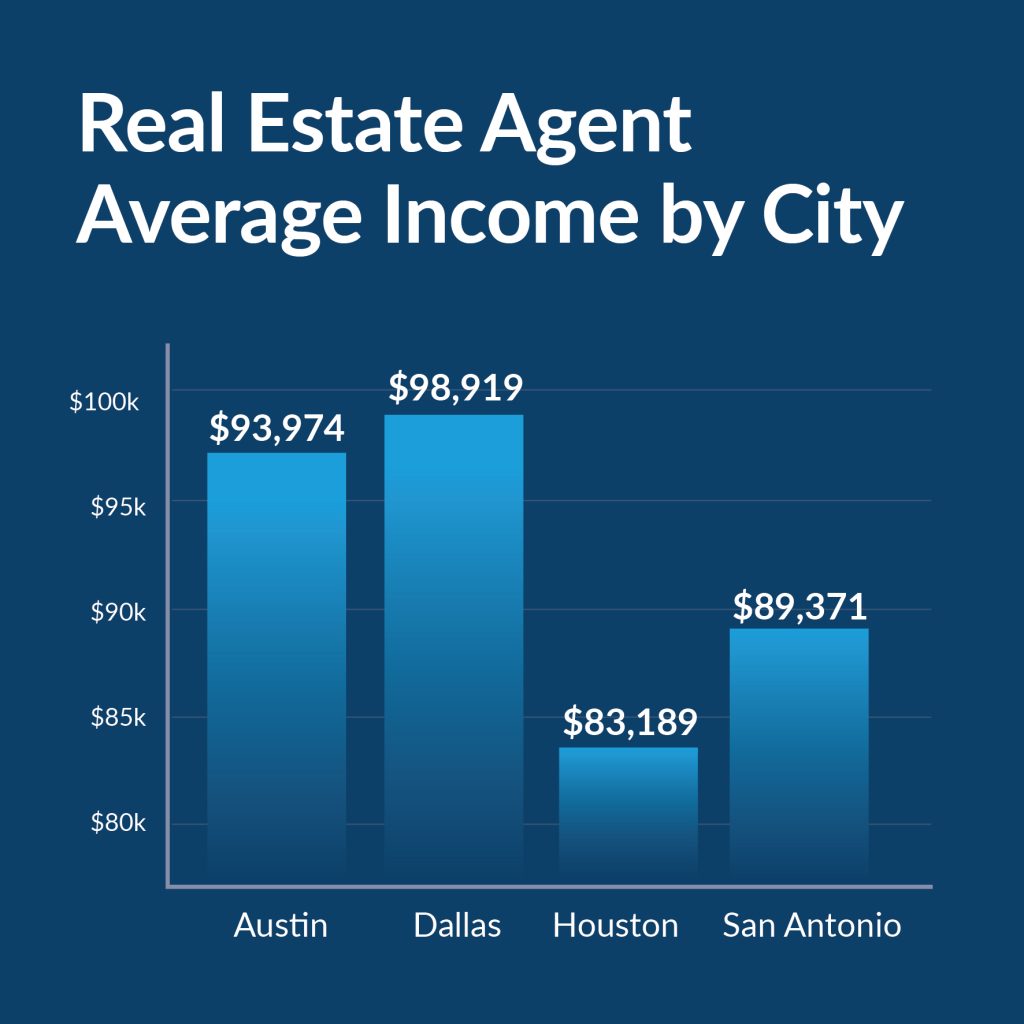
The income of a real estate agent in Texas can vary dramatically, much like the diverse geography of the state itself. From the high-rises of Dallas to the historic charm of San Antonio, and the tech boom in Austin to the energy sector’s influence in Houston, each market segment presents different opportunities and challenges. While some realtors enjoy six-figure incomes, others may struggle to make ends meet, especially in their early years.
Average Earnings: What the Numbers Say
When discussing average earnings for Texas realtors, it’s essential to distinguish between gross commission income (GCI) and net income. GCI represents the total commission earned from sales before any expenses or splits with the brokerage. Net income, on the other hand, is what a realtor truly takes home after all business expenses, taxes, and brokerage fees are deducted. This distinction is critical, as the gross figures can often paint a misleadingly rosy picture.
Industry data suggests that the median gross income for realtors in the United States hovers around $40,000 to $50,000 annually, according to reports from the National Association of Realtors (NAR). However, in a booming state like Texas, these figures can often be higher, particularly in major metropolitan areas with robust housing markets. For instance, an experienced realtor in a thriving market like Austin or Dallas might see average GCI figures well over $100,000, while a newer agent or one operating in a smaller, slower market might be closer to the national median or even below it.
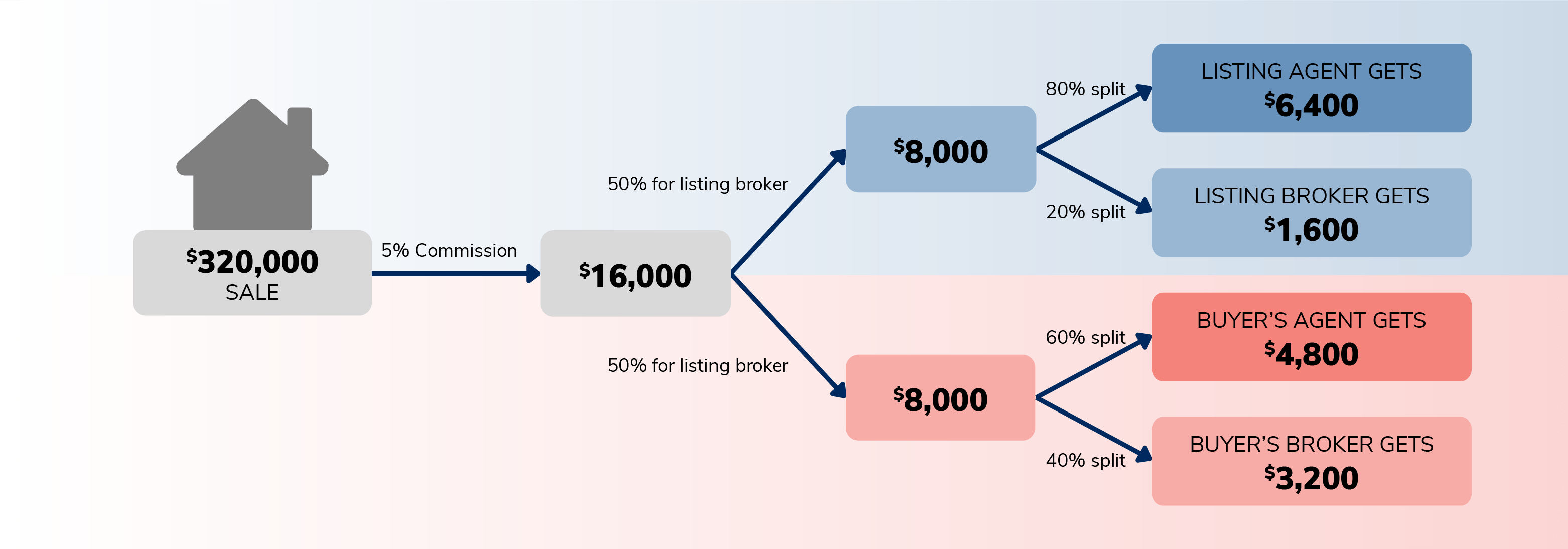
It’s also important to note that a significant portion of realtors work part-time or enter the profession as a second career, which naturally skews average income figures downwards. For full-time, dedicated professionals, especially those with a few years of experience, the potential for a substantial income in Texas is certainly achievable. The general commission rate in Texas typically ranges from 5% to 6% of the home’s sale price, which is then usually split between the buyer’s agent and the seller’s agent, and further split with their respective brokerages. A successful sale of a $400,000 home, for example, might yield a gross commission of $24,000 (at 6%), split to $12,000 per side, and then a further split with the brokerage (e.g., 70/30 or 80/20 in favor of the agent). This means a single transaction can contribute significantly to a realtor’s annual income.
Factors Influencing a Realtor’s Earning Potential
Several variables play a pivotal role in determining how much a Texas realtor earns. Understanding these factors is key to projecting potential income and strategizing for success in the competitive real estate landscape.
- Experience Level: This is arguably the most significant determinant. New agents typically earn less, as they are building their client base, reputation, and market knowledge. Many struggle to close even a few deals in their first year. Experienced realtors, with established networks, a track record of sales, and honed negotiation skills, consistently outperform their novice counterparts. Top producers often have decades of experience and specialized niches.
- Location within Texas: The real estate market varies significantly across the state. Agents in high-cost-of-living areas and rapidly growing cities like Austin, Dallas, and Houston often handle higher-priced properties, leading to larger commissions per sale. Conversely, agents in smaller towns or rural areas may have fewer transactions or lower average sale prices, resulting in lower overall earnings. The presence of landmarks or specific attractions can also drive demand in certain micro-markets, impacting property values and sales volume.
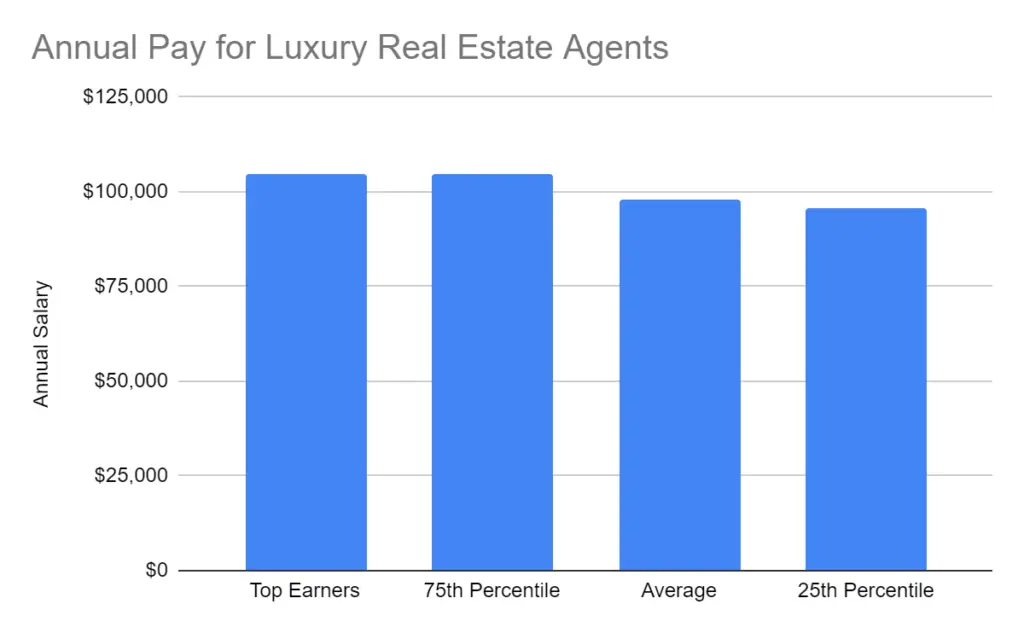
- Type of Real Estate: Specialization can dramatically impact income. Residential real estate is the most common, but agents specializing in commercial properties (offices, retail, industrial), luxury homes, land sales, or vacation rentals can command higher commissions due to the larger transaction values and specialized expertise required. For example, a realtor specializing in selling hotels or large resorts in Texas’ tourism hotspots would likely see substantial individual commissions.
- Market Conditions: A seller’s market, characterized by high demand and low inventory, often leads to quicker sales and higher prices, benefiting realtors. Conversely, a buyer’s market or an economic downturn can slow sales, reduce property values, and make earning a steady income more challenging. The overall economic health of Texas and the nation directly influences these cycles.
- Brokerage Split and Fee Structure: The agreement an agent has with their brokerage significantly impacts their net income. Splits can range from 50/50 for new agents to 90/10 or even 100% commission (with monthly fees) for top performers. Some brokerages also charge desk fees, transaction fees, or marketing fees that cut into an agent’s earnings.
- Hours Worked and Business Acumen: Real estate is not a 9-to-5 job. The most successful realtors are those who consistently put in long hours, actively market themselves, network diligently, and provide exceptional client service. Their ability to generate leads, convert them into clients, and skillfully negotiate deals directly correlates with their income.
The Costs of Doing Business: Beyond the Gross Commission
While the potential for high gross commissions is enticing, it’s crucial to remember that being a realtor is running your own business. This means substantial operating costs that must be factored in to determine actual net income. Many aspiring agents underestimate these expenses, leading to financial strain in their early career.
Essential Expenses for Texas Real Estate Professionals
The list of necessary expenditures for a Texas realtor is extensive and ongoing. These costs are essential for maintaining a license, staying competitive, and effectively serving clients.
- Licensing and Renewal Fees: To legally practice real estate in Texas, agents must be licensed by the Texas Real Estate Commission (TREC). This involves initial education, examination fees, and regular renewal fees. These are non-negotiable costs for entry and continued operation.
- Association Dues: Most successful realtors choose to become members of local, state, and national associations. This includes the National Association of Realtors (NAR) and the Texas Association of Realtors (TAR), along with local boards. Membership provides access to vital resources, ethical guidelines, and networking opportunities, but comes with annual dues that can easily run into hundreds or even over a thousand dollars.
- MLS Access: The Multiple Listing Service (MLS) is the lifeblood of real estate, providing comprehensive databases of properties for sale. Accessing the MLS is indispensable for listing properties, searching for client homes, and understanding market trends. MLS fees are typically paid monthly or annually through local associations.
- Marketing and Advertising: In a competitive market, self-promotion is paramount. This includes professional photography for listings, virtual tours, website development, social media advertising, print ads, open house expenses, “for sale” signs, and client appreciation gifts. Effective marketing is often a major differentiating factor for top earners.
- Continuing Education: TREC requires realtors to complete continuing education hours periodically to maintain their license. These courses ensure agents stay updated on legal changes, market trends, and best practices.
- Technology and Software: Modern real estate demands technological proficiency. Costs include customer relationship management (CRM) software, lead generation tools, e-signature platforms, professional website hosting, and potentially specialized apps for market analysis or property viewing.
- Insurance: Errors and Omissions (E&O) insurance is highly recommended or even required by some brokerages. It protects agents from claims of negligence or mistakes made during a transaction.
- Transportation: Realtors spend a significant amount of time traveling to show properties, meet clients, and attend showings. Fuel costs, vehicle maintenance, and potentially car payments are substantial operational expenses.
- Office Expenses: While many agents work remotely or from home, there are still costs associated with office supplies, internet, phone services, and potentially a dedicated office space within a brokerage.
When all these expenses are tallied, they can easily amount to several thousand dollars annually, even for a new agent. This is why having a financial cushion is essential when embarking on a real estate career in Texas.
Career Trajectories and Lifestyle Implications
The journey of a Texas realtor is often one of perseverance, continuous learning, and strategic adaptation. The career trajectory from a new licensee to a top producer involves more than just closing deals; it encompasses personal growth, market mastery, and an understanding of the broader economic and lifestyle contexts that influence real estate decisions.
From Novice to Top Producer: Growth and Specialization
The initial years in real estate are often the toughest. Many new agents exit the profession within the first two years due to insufficient income or the inability to build a sustainable business. Those who persist learn the ropes, build their referral networks, and gain invaluable experience.
- Building a Foundation: New agents focus on lead generation, understanding contracts, honing negotiation skills, and learning their local market. Mentorship from experienced brokers or agents is often crucial during this phase.
- Developing a Niche: As agents gain experience, many find success by specializing. This could mean focusing on a specific geographic area (e.g., Austin’s luxury travel market), a property type (e.g., commercial office spaces in Dallas), or a client demographic (e.g., first-time homebuyers, investors in tourism properties, or those seeking long-term stays). Specialization allows realtors to become experts, attracting clients who value their specific knowledge.
- Team Building and Expansion: Top producers often scale their business by forming teams. This allows them to handle a higher volume of transactions, delegate tasks, and maintain a high level of service. A team might include buyer’s agents, administrative assistants, and marketing specialists.
- Brokerage Ownership: For some, the ultimate career progression is to open their own real estate brokerage, managing other agents and taking a percentage of their commissions.
The entrepreneurial nature of the role means that a realtor’s income is directly tied to their effort, business acumen, and ability to adapt to changing market conditions. This self-driven path can be incredibly rewarding, offering a sense of autonomy rarely found in traditional employment.
Linking Realtor Income to Travel, Accommodation, and Lifestyle
The earnings of a Texas realtor have direct implications for their personal lifestyle, including choices related to travel and accommodation.
A successful realtor, with a stable and high income, gains the financial freedom to enjoy a desirable lifestyle. This could manifest in various ways:
- Enabling Luxury Travel or Frequent Getaways: High earners can afford to explore the world’s most captivating destinations, stay in exquisite hotels or resorts, and indulge in unique travel experiences. The flexibility of a realtor’s schedule (if managed effectively) can also allow for more frequent trips, whether they are family trips, solo adventures, or even extended business stays that combine work with exploration.
- Upgraded Personal Accommodation: A strong income allows realtors to invest in their own preferred living situations, whether it’s a spacious family home in a prime Texas neighborhood, a luxury apartment in the city, or even a second home as a vacation rental investment in a popular tourist area. They often become their own best clients, leveraging their market knowledge for personal gain.
- Investment in Tourism-Related Properties: Realtors are often at the forefront of identifying investment opportunities. Those with significant earnings might invest in properties suitable for short-term rentals or boutique hotels in burgeoning tourism hubs within Texas or beyond. Their expertise can guide them to profitable ventures that align with the themes of travel and accommodation.
- Contribution to Local Economy and Tourism: Realtors don’t just facilitate home sales; they play a critical role in the economic fabric of their communities. By helping businesses find commercial spaces, or by assisting employees relocating for new jobs in the hospitality or tourism sectors, realtors indirectly support the growth of local industries, including those focused on travel and leisure. When people move to a new city, they are often exploring local culture, food, and activities – all elements of tourism that realtors inadvertently introduce them to.
Ultimately, the earning potential of a Texas realtor is not just a numerical value; it’s a gateway to a particular lifestyle. It reflects the rewards of hard work, strategic decision-making, and an unwavering commitment to a demanding yet dynamic profession. The ability to manage one’s own career, forge meaningful connections, and directly influence their income level makes real estate an attractive path for those seeking both financial prosperity and personal flexibility.
In conclusion, becoming a realtor in Texas offers a career rich in potential, allowing individuals to shape their income through dedication and market savvy. While the path to significant earnings is paved with challenges and considerable expenses, the rewards—both financial and in terms of lifestyle—can be substantial, making it a truly entrepreneurial adventure in one of the nation’s most exciting real estate markets.