
Florida, often lauded as the Sunshine State for its pristine beaches, vibrant culture, and world-class attractions, faces a persistent challenge that casts a long shadow over its natural beauty and urban landscapes: the burgeoning population of invasive green iguanas. These reptilian interlopers, native to Central America, parts of South America, and the Caribbean, have found Florida’s subtropical climate an ideal haven for reproduction and expansion, leading to a complex and costly battle for both state authorities and private citizens. The question of “How much does Florida pay for iguanas?” is not simple; it encompasses direct government expenditures, significant private costs, and substantial indirect economic and environmental damages that ripple through the state’s tourism, accommodation, and lifestyle sectors.

The Uninvited Green Guests: Understanding Florida’s Iguana Invasion
The saga of the green iguana in Florida is a classic tale of an invasive species gone awry. Initially introduced through the pet trade in the 1960s, many iguanas either escaped or were deliberately released by owners who could no longer care for them. With no natural predators in Florida to keep their numbers in check, and a climate mirroring their native habitats, these reptiles rapidly established breeding populations, particularly across South Florida. Areas like Miami-Dade County, Broward County, and Palm Beach County have become epicenters of this reptilian explosion, though their presence extends well into Southwest Florida and beyond.
A Brief History of an Ecological Challenge
The initial presence of iguanas was largely unnoticed or considered a novelty. Tourists visiting destinations such as Miami or Fort Lauderdale might have spotted one sunning itself by a hotel pool, perhaps adding an exotic touch to their travel experience. However, as their numbers soared, the novelty quickly faded, replaced by growing concern. Green iguanas, capable of laying dozens of eggs annually and reaching lengths of five feet, adapted remarkably well to both urban and natural environments. They thrive in residential areas, feasting on garden plants, and congregating near canals and waterways, which serve as perfect breeding grounds and travel corridors.
The Multifaceted Damage: From Gardens to Infrastructure
The impact of iguanas is far-reaching and destructive. Ecologically, they pose a threat to native species by consuming native vegetation and outcompeting local wildlife for resources. They also have a penchant for eating the eggs of endangered birds and even sea turtles, disrupting fragile ecosystems. From a homeowner’s perspective, iguanas are a nuisance and an expensive problem. They decimate meticulously maintained landscaping, consume prized orchids and ornamental plants, and leave behind copious amounts of droppings that can transmit salmonella.
Perhaps most critically, iguanas cause significant infrastructural damage. They burrow extensively, creating tunnels that undermine seawalls, sidewalks, and foundations of homes and commercial buildings. These burrows can compromise the integrity of critical infrastructure, including utility lines, resulting in power outages and costly repairs. Water management systems are also at risk; burrowing near canals and levees can weaken their structures, potentially leading to breaches during heavy rainfall, a serious concern in a state perpetually vulnerable to tropical storms and hurricanes. The cumulative cost of repairing this damage falls on both public entities and private property owners, making the iguana problem a significant financial drain.
The Economic Burden: Unraveling the Costs of Control
The question of how much Florida “pays” for iguanas is complex because it’s not a single, centralized state bounty program in the traditional sense. Instead, it’s a multi-layered financial commitment involving various governmental bodies, private companies, homeowners, and businesses. The costs fall into two main categories: direct expenditures on control and removal, and indirect costs associated with damage repair and preventative measures.
Direct Expenditures: State Contracts and Private Services
While the state of Florida does not directly pay individual citizens for catching iguanas, the Florida Fish and Wildlife Conservation Commission (FWC) plays a crucial role in managing invasive species. The FWC encourages property owners to remove iguanas and provides guidance on humane removal methods. Crucially, the FWC has, at times, contracted with professional trappers and wildlife removal services for targeted eradication efforts in public lands, parks, and critical conservation areas where iguana populations pose severe ecological threats. These contracts represent a direct cost to the state budget, though the exact figures can fluctuate depending on the scope and urgency of the programs.
For the average homeowner or business, however, the direct payment for iguana removal often comes from their own pockets. The demand for professional iguana removal services has skyrocketed across South Florida. These specialized companies employ various techniques, including trapping, netting, and even specialized air rifles, to humanely dispatch iguanas. The cost for these services can vary widely based on the property size, the severity of the infestation, and the duration of the service contract. A single call-out might cost a few hundred dollars, while ongoing monthly maintenance contracts for larger properties, such as a sprawling luxury resort or a large residential community, can run into thousands of dollars annually. For instance, a homeowner in West Palm Beach dealing with a persistent iguana problem might spend anywhere from $150 to $500 for an initial removal, with subsequent visits or comprehensive plans adding up quickly. High-end residential properties and commercial establishments, particularly those with extensive landscaping and waterfront access, often face the highest bills for professional control.
Indirect Costs: Property Damage and Preventative Measures
Beyond direct removal fees, the indirect costs associated with iguana infestations are substantial and often underestimated. Property damage is a major component. When iguanas undermine seawalls or foundations, the repair costs can range from several thousand dollars to tens of thousands, depending on the extent of the damage. For municipalities, repairing public infrastructure like sidewalks, drainage pipes, and canal banks due to iguana burrows can incur significant expenses, funded by taxpayer dollars.
Furthermore, property owners, including hotels, resorts, and private residences, invest heavily in preventative measures. This includes installing physical barriers like fencing, screening, and protective coverings for plants. Some resort hotels in tourist hotspots like Key West or Orlando, aiming to maintain pristine grounds for their guests, might invest in iguana-resistant landscaping or design features. These preventative measures, while not directly “paying for iguanas,” represent a continuous financial outlay driven by the presence of these invasive reptiles. The cost of replacing damaged plants, repairing irrigation systems, and cleaning up droppings also adds to the cumulative financial burden.
State Efforts, Local Solutions, and the Role of Residents
Addressing the iguana problem requires a multi-pronged approach, integrating state-level guidance with local initiatives and active participation from residents and businesses.
The Florida Fish and Wildlife Conservation Commission’s Approach
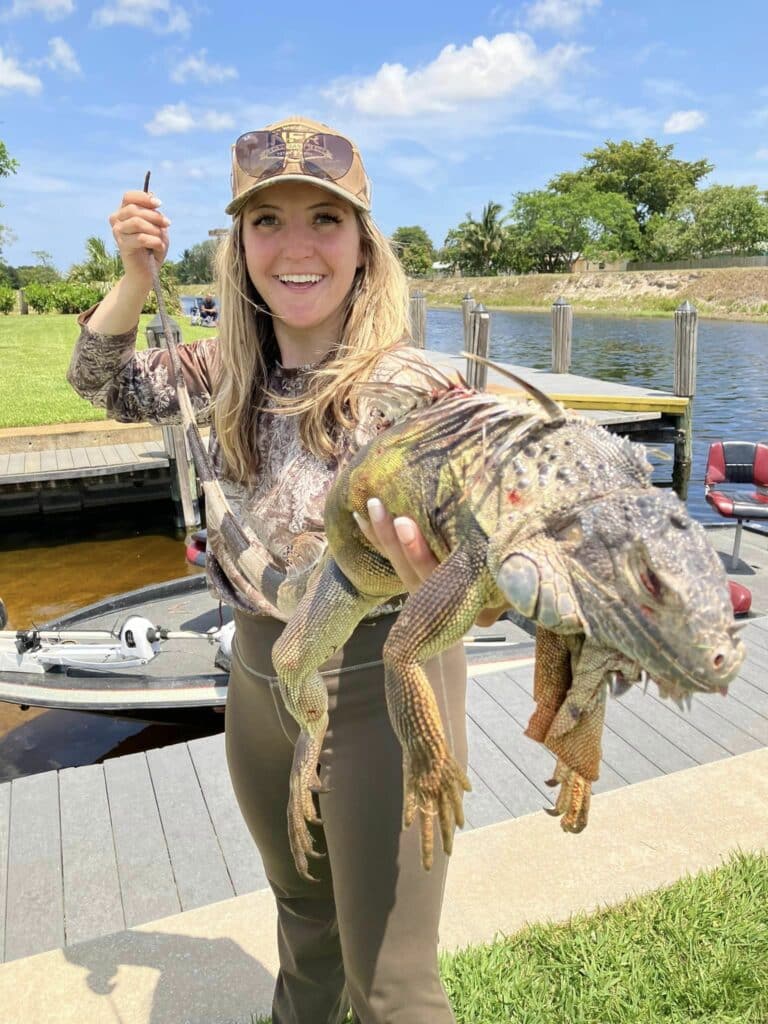
The Florida Fish and Wildlife Conservation Commission (FWC) has been at the forefront of educating the public about the dangers of invasive iguanas. Recognizing the impossibility of complete eradication, the FWC’s strategy focuses on population control and mitigation of damage. They actively encourage residents to remove iguanas from their property and do not require permits for their removal by landowners. This empowers individuals to take action. However, the FWC also emphasizes humane methods, prohibiting cruelty. They disseminate information on effective trapping techniques, best practices for euthanasia, and how to make properties less appealing to iguanas. For example, the University of Florida’s Institute of Food and Agricultural Sciences (UF/IFAS) conducts research and provides extension services, further assisting residents and industries with science-backed solutions. While the FWC’s budget allocations for invasive species management are significant, they often focus on research, public education campaigns, and supporting targeted removal programs in sensitive ecological zones like the Everglades National Park or Biscayne National Park. These efforts, while not directly paying individuals for iguanas, are a crucial part of the state’s investment in combating the issue.
Private Trappers and Community Initiatives
Given the scale of the problem, private enterprise has stepped in to fill the gap. Professional iguana removal companies are now a common sight in South Florida. These companies offer tailored solutions, from one-time removals to ongoing contracts for residential communities, golf courses, and commercial properties. For instance, a luxury hotel in Miami Beach might engage a private company to regularly sweep its grounds, ensuring iguanas don’t disturb guests by the pool or damage meticulously curated gardens. The fees for these services directly represent a significant part of the cost of living with iguanas in Florida.
Furthermore, community initiatives are emerging. Homeowner associations (HOAs) in many Florida neighborhoods budget for communal iguana control, hiring trappers to manage populations within their common areas. These collective efforts help to mitigate costs for individual residents and provide a more unified front against the invaders. Education plays a critical role here, as communities learn best practices for deterring iguanas, such as promptly cleaning up fallen fruit or securing pet food.
Iguanas and the Sunshine State Lifestyle: Impact on Tourism and Living
The persistent presence of iguanas in Florida is not just an ecological or economic issue; it directly impacts the state’s renowned lifestyle and its vital tourism industry, influencing travel decisions, hotel choices, and daily living for residents.
Protecting Florida’s Tourism Appeal
Florida’s tourism industry is a cornerstone of its economy, attracting millions of visitors annually to destinations like Walt Disney World Resort, Universal Orlando Resort, and the beautiful beaches of the Florida Keys. While a glimpse of a unique reptile might initially add to the exotic charm for some, an overabundance of iguanas can detract from the visitor experience. Guests don’t want to find iguana droppings around resort pools, on balconies, or in outdoor dining areas. Upscale resorts and boutique hotels, which pride themselves on immaculate grounds and seamless guest experiences, invest heavily in iguana control. This can include employing dedicated staff for daily patrols, installing discreet barriers, or regular services from professional trappers. For these establishments, the cost is an unavoidable operational expense to maintain their brand image and ensure positive guest reviews, directly influencing booking rates and repeat visits. The perception of cleanliness and safety is paramount in the hospitality sector.
Moreover, natural attractions, such as botanical gardens, nature preserves, and even golf courses, must actively manage iguana populations to protect their unique flora and fauna and maintain their aesthetic appeal for tourists and recreational enthusiasts. This requires ongoing investment in wildlife management, research, and mitigation strategies.
Adapting Residential and Commercial Spaces
For residents, especially in South Florida, living with iguanas has become a part of daily life, necessitating various adaptations. Homeowners, particularly those with waterfront properties or lush landscaping, often find themselves in an ongoing battle. The “lifestyle” impact extends to gardening (choosing iguana-resistant plants), outdoor dining (constant vigilance), and even property maintenance (checking for burrows). Luxury properties, in particular, often bear higher costs due to their extensive grounds and premium landscaping that attract iguanas. These properties are more likely to invest in expensive professional removal services and robust preventative measures.
Businesses, from restaurants with outdoor seating to retail centers with landscaped common areas, also face the challenge. Ensuring their premises are free from iguana nuisances is essential for customer comfort and hygiene. This leads to additional operational costs that are indirectly linked to the presence of these invasive animals. The “lifestyle” cost is not just monetary; it’s also the constant vigilance and effort required to protect one’s property and peace of mind.
The Future of Iguana Management in Florida
The battle against invasive iguanas in Florida is ongoing, and there’s no single, simple solution. The future will likely involve a combination of scientific innovation, sustained public effort, and adaptive management strategies to control populations and mitigate their impact.
Research, Innovation, and Public Awareness
Scientists at institutions like the University of Florida continue to research iguana behavior, reproduction, and population dynamics to develop more effective and humane control methods. Innovations could include more targeted trapping technologies, biological controls (though these come with their own risks), or even advances in reproductive control. However, these are complex and long-term endeavors requiring sustained funding and commitment.
Crucially, public awareness and education remain vital. The FWC continually updates its guidelines and campaigns to inform residents about why iguanas are a problem, how to safely and effectively remove them, and the importance of not releasing unwanted pets into the wild. Campaigns emphasizing “Don’t Let It Loose” are essential to prevent new invasive species from establishing themselves. Empowering the public with knowledge and practical tools is perhaps the most cost-effective strategy in the long run.
Long-Term Strategies for Coexistence or Control
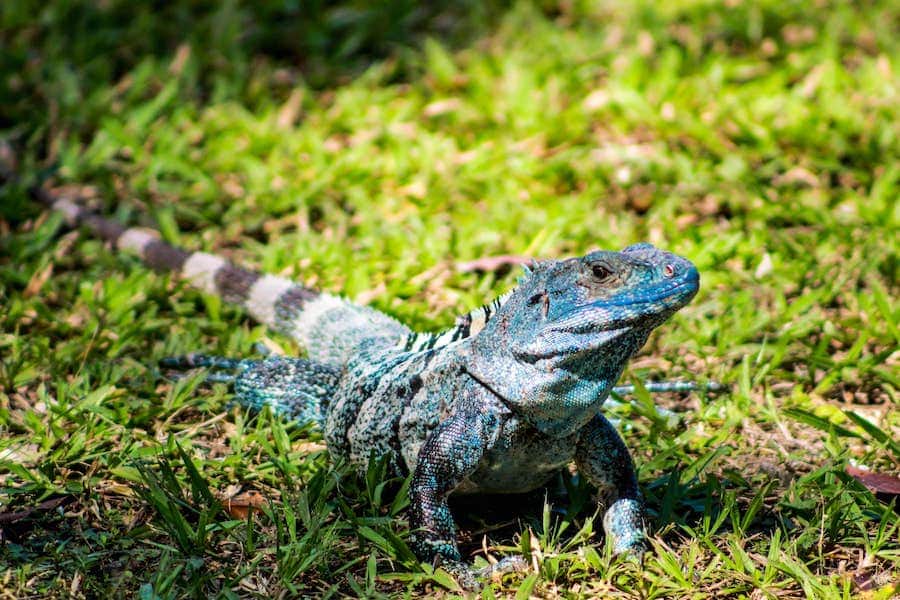
Given the sheer number of iguanas and their widespread distribution, complete eradication is considered highly improbable, if not impossible, in Florida. Therefore, the long-term strategy shifts towards sustained population control and damage mitigation. This means managing iguana numbers to acceptable levels where their ecological and economic impact is minimized. This involves continued state funding for targeted removal programs in critical habitats, ongoing support for private trappers and community initiatives, and the development of architectural and landscaping practices that deter iguanas.
In conclusion, “How much does Florida pay for iguanas?” is a question with a multifaceted answer. It encompasses state contracts for targeted removals, significant private expenditures by homeowners and businesses for professional services, and the substantial indirect costs of repairing infrastructure damage, replacing destroyed landscaping, and implementing preventative measures. These costs run into millions of dollars annually, affecting everything from tourism and accommodation sectors to the daily lifestyle of residents. As Florida continues to grapple with these resilient reptiles, the financial commitment to managing this invasive species remains a persistent and unavoidable line item in both public and private budgets, a testament to the enduring challenge of balancing natural beauty with ecological preservation in the Sunshine State.