
Building a hotel is a significant undertaking, a complex amalgamation of real estate development, hospitality management, and often, a dream project for aspiring entrepreneurs. The question of “How much does it cost to build a hotel?” is not only a natural starting point but also a crucial one for anyone considering such an endeavor. The reality is that there’s no single, simple answer. The cost can vary dramatically, influenced by a multitude of factors, from the ambition of the project and its location to the specific amenities and target market.

Understanding the financial landscape of hotel construction requires dissecting various cost components, from the initial land acquisition and architectural design to the final interior finishes and operational setup. This journey is paved with decisions that have direct financial implications, each contributing to the overall investment required. Whether one envisions a boutique hotel nestled in a historic district, a sprawling resort overlooking a picturesque coastline, or a modern business hotel in a bustling metropolis, the underlying financial blueprint is intricate and demands careful consideration.
The Foundational Costs: Land, Design, and Permitting
The very first bricks and mortar of any hotel project begin with securing a suitable plot of land. This is often the most variable and significant upfront cost, heavily dictated by geography. Prime locations in major cities like New York City or London will command astronomical prices per square foot compared to a plot in a less developed area or a rural setting. The size of the land is, of course, also a major determinant, as it dictates the potential scale of the hotel. Beyond just purchasing the land, there are also costs associated with site preparation, which can include demolition of existing structures, extensive grading, and ensuring adequate infrastructure access (water, sewage, electricity).
Once the land is secured, the vision for the hotel needs to be translated into tangible plans. This is where architectural and engineering fees come into play. Architects are responsible for the overall design, conceptualization, and aesthetic appeal of the hotel, while engineers focus on the structural integrity, mechanical, electrical, and plumbing (MEP) systems, and site infrastructure. The complexity of the design, the required engineering specializations, and the reputation of the chosen professionals all influence these costs. A cutting-edge, sustainable design with unique architectural features will naturally incur higher fees than a more standard, functional building.
Furthermore, before any construction can commence, a labyrinth of permits and approvals must be navigated. This involves local zoning laws, building codes, environmental impact assessments, and various other regulatory requirements. The cost of obtaining these permits can be substantial and often includes application fees, review charges, and potential costs for engaging consultants to ensure compliance. In some jurisdictions, the permitting process can be notoriously lengthy and complex, adding to the overall project timeline and associated costs.
Site Selection and Land Acquisition
The strategic choice of a hotel’s location is paramount to its success and a significant driver of initial costs. Consider the allure of a beachfront property in Maui, where land prices are exceptionally high due to desirable tourism. Conversely, developing a hotel in a secondary city or a developing region might offer more affordable land, but potentially lower occupancy rates and revenue potential. Factors influencing site selection include proximity to key attractions like theme parks such as Disneyland, convention centers, airports, and popular landmarks. The accessibility of the site, including road networks and public transportation, also plays a crucial role. The cost of land acquisition can range from a few hundred thousand dollars for a modest plot in a less sought-after area to tens or even hundreds of millions of dollars for prime real estate in global tourist hubs like Tokyo. This initial investment sets the stage for the entire project and cannot be underestimated.
Architectural and Engineering Design
The blueprints for a hotel are more than just drawings; they are the detailed specifications that guide every aspect of construction. Architectural fees typically range from 5% to 15% of the total construction cost, depending on the project’s complexity and the architect’s experience. This fee covers everything from initial concept development and schematic design to detailed construction documents and site supervision. Engineering services, including structural, mechanical, electrical, and civil engineering, are equally vital and their costs are often bundled with or separate from architectural fees. For a luxury resort with intricate water features and advanced climate control systems, these costs will be considerably higher than for a basic, no-frills motel. The design also needs to consider local building codes, seismic requirements, and sustainability standards, all of which can influence the engineering solutions and, consequently, the costs.
Permitting and Approvals
Navigating the regulatory landscape is a non-negotiable step in hotel construction. Local governments and authorities have strict building codes, zoning regulations, and environmental standards that must be met. Obtaining the necessary permits can involve numerous applications, inspections, and potentially public hearings. The fees associated with these permits vary widely by municipality, but they can easily amount to tens of thousands or even hundreds of thousands of dollars for a large-scale hotel project. In some instances, developers may need to contribute to public infrastructure improvements as a condition of approval, further increasing these upfront costs. Delays in the permitting process can also lead to increased carrying costs for the land and design work, impacting the overall budget.
Construction and Fit-Out Costs: Bringing the Vision to Life
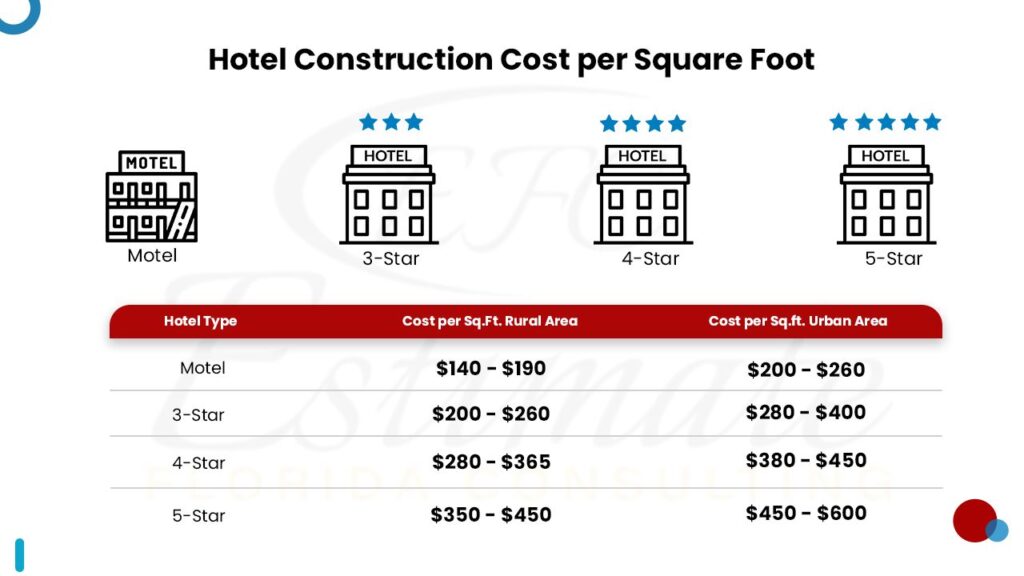
With designs approved and permits in hand, the physical construction of the hotel begins. This phase represents the largest chunk of the overall expenditure. It encompasses the structural work, including foundation, framing, roofing, and exterior walls, as well as the interior build-out, which involves partitioning rooms, installing plumbing and electrical systems, and creating common areas. The choice of construction materials significantly impacts costs; for instance, a steel-frame building will have different cost implications than one constructed with concrete or timber. Labor costs, heavily influenced by local wages and the availability of skilled tradespeople, also play a crucial role.
The interior of the hotel is where guest experience is crafted, and this involves substantial fit-out costs. This includes everything from flooring, wall finishes, and lighting to furniture, fixtures, and equipment (FF&E). The level of luxury and the specific amenities offered will directly correlate with these expenses. A budget hotel might opt for durable, cost-effective finishes, while a luxury resort like the Four Seasons Resort Palm Beach will invest in high-end materials, custom-designed furniture, and state-of-the-art technology. The FF&E budget can account for a significant portion of the total project cost, especially for hotels aiming to provide a distinctive and memorable guest experience.
Structural and Exterior Construction
The skeletal framework of the hotel is built during this phase. This includes pouring the foundation, erecting the structural elements (be it steel, concrete, or other materials), and constructing the exterior shell, including walls, windows, and the roof. The complexity of the building’s design, its height, and the chosen structural system all influence the costs. For example, a high-rise hotel in a dense urban environment like Singapore will face unique engineering challenges and require more robust structural components than a low-rise resort. The quality of the exterior finishes, such as cladding, brickwork, or stucco, will also contribute to the overall construction budget. Site accessibility for heavy machinery and the logistics of material delivery in challenging locations can further impact these costs.
Interior Finishes and FF&E
This is where the hotel’s character truly takes shape. Interior finishes encompass everything from paint colors and wallpaper to flooring materials (carpet, tile, hardwood) and bathroom fixtures. The selection of these elements is driven by the hotel’s brand identity, target demographic, and budget. High-end hotels will opt for premium materials and finishes that enhance the guest experience and durability, such as marble countertops in bathrooms or custom millwork throughout the property.
Furniture, Fixtures, and Equipment (FF&E) is another substantial cost category. This includes all the movable items within the hotel, from guest room beds, desks, and chairs to lobby furniture, restaurant seating, and barstools. It also extends to lighting fixtures, artwork, televisions, mini-refrigerators, and even the linens and towels. For hotels that pride themselves on unique experiences, like an eco-lodge in Costa Rica, the FF&E might include custom-made furnishings from local artisans. The average FF&E cost per room can range from $10,000 for a select-service hotel to $50,000 or more for a luxury property.
Technology and Systems Integration
In today’s digitally connected world, a hotel’s technological infrastructure is as crucial as its physical structure. This includes the installation of robust Wi-Fi networks, high-definition entertainment systems in guest rooms, keyless entry systems, and sophisticated Property Management Systems (PMS) that streamline operations. Integrating these systems seamlessly requires significant investment in hardware, software, and the expertise of IT professionals. For larger hotels or those aiming for a high-tech guest experience, the cost of these systems can be substantial. Moreover, ongoing maintenance and upgrades of these technologies represent an operational expense that should be factored into the initial planning.
Operational Readiness and Soft Costs: Beyond the Bricks
Beyond the tangible construction, there are numerous “soft costs” and operational readiness expenses that contribute to the total cost of building a hotel. These are often overlooked but are critical for a successful launch and ongoing operation. This category includes a wide range of expenditures, from pre-opening marketing and staff recruitment to legal fees and insurance.
Pre-opening expenses are designed to generate buzz and secure bookings before the doors even open. This can involve extensive marketing campaigns, public relations efforts, and the development of websites and booking platforms. The recruitment and training of staff are also significant undertakings. Hiring experienced general managers, skilled chefs, and well-trained front desk agents requires investment in recruitment agencies, background checks, and comprehensive training programs to ensure the hotel delivers the expected level of service from day one.
Legal and professional fees are also part of this package. This includes fees for lawyers who handle contracts, financing agreements, and regulatory compliance, as well as fees for financial advisors, accountants, and insurance brokers. Securing appropriate insurance coverage, from general liability to property insurance, is a non-negotiable cost. Finally, the cost of obtaining all necessary operating licenses and permits is crucial for legal operation.
Pre-Opening Expenses and Marketing
The period leading up to a hotel’s grand opening is a critical phase for generating awareness and securing initial bookings. Pre-opening expenses encompass a broad spectrum of activities. This can include developing a comprehensive marketing strategy, which might involve advertising in travel publications, online ad campaigns, and social media promotions. Public relations efforts are also vital, aiming to generate media coverage and positive buzz. Website development and optimization for online travel agencies (OTAs) are essential for visibility. The creation of compelling content, including professional photography and videography of the property, also contributes to these costs. For a new resort aiming to attract discerning travelers, like one in the Maldives, these pre-opening marketing efforts can be substantial to establish brand recognition in a competitive luxury market.
Staffing, Recruitment, and Training
The human element is at the heart of the hospitality industry. Building a competent and motivated team is essential for delivering exceptional guest experiences. The cost of staffing begins with the recruitment process, which can involve fees for recruitment agencies, advertising open positions, and conducting interviews. Once candidates are selected, comprehensive training programs are crucial. This includes onboarding, orientation, and specialized training for various roles, from front desk operations and housekeeping to culinary services and management. The wages and benefits offered to staff are also a significant operational cost that needs to be considered from the outset. A well-trained and engaged staff is a direct reflection of the hotel’s commitment to quality and service.
Legal, Financing, and Insurance Costs
Navigating the financial and legal complexities of hotel development requires professional expertise. Legal fees will be incurred for drafting contracts with architects, contractors, suppliers, and lenders. Securing financing for a hotel project often involves substantial legal work related to loan agreements, mortgages, and equity investments. Financial advisors and consultants will charge fees for their expertise in financial modeling, feasibility studies, and securing funding.
Insurance is another critical area of expenditure. Hotels require a wide array of insurance policies, including general liability insurance, property insurance to cover damage to the building and its contents, business interruption insurance, and workers’ compensation insurance for employees. The cost of these insurance policies is determined by factors such as the hotel’s location, size, amenities, and perceived risk. Obtaining all necessary operating licenses and permits, from liquor licenses to health and safety certifications, also incurs fees and can be a complex process.

Furniture, Fixtures, and Equipment (FF&E) in Context
Reiterating the importance of FF&E, it’s crucial to understand how it ties into the broader operational readiness. While the initial purchase of furniture, fixtures, and equipment is a significant capital expense often categorized under construction and fit-out, the ongoing maintenance, replacement, and upgrade of these items become an operational cost. For a hotel aiming for a consistent brand experience, like a Marriott property, ensuring that furniture remains in pristine condition and that technology is up-to-date is paramount. This requires a budget for repairs, reupholstery, and eventual replacement cycles. The wear and tear on high-traffic items like lobby seating or restaurant tables necessitates a proactive approach to maintenance. For properties in challenging environments, such as coastal resorts exposed to salt air, specialized maintenance for fixtures and furniture is required, adding to the operational cost. Ultimately, the initial FF&E investment needs to be balanced with a realistic understanding of its long-term upkeep.