
The allure of hotel living is undeniable. For many, it conjures images of impeccable service, luxurious amenities, and the freedom from everyday chores. But beyond the transient glamour of a weekend getaway, the idea of “living” in a hotel, whether for a few weeks or several months, raises a crucial question: How much does it really cost? This isn’t a simple query with a single answer; the price tag is a complex tapestry woven from numerous threads, each representing a different aspect of your chosen accommodation and lifestyle.
The concept of extended hotel stays, once primarily the domain of business travelers or those undergoing temporary relocation, has gained traction as a viable lifestyle choice. It offers a unique blend of convenience, flexibility, and access to services that traditional rentals often lack. However, the financial commitment can vary dramatically, from budget-friendly options that rival rent prices in some cities to opulent suites that represent a significant luxury expenditure. To truly understand the cost of living in a hotel, we must delve into the factors that influence pricing and explore the different tiers of accommodation available.
Understanding the Factors That Influence Hotel Living Costs
The price you’ll pay to inhabit a hotel room for an extended period is not static. It’s a dynamic figure influenced by a multitude of variables, much like the pricing of a hotel room for a single night, but amplified over a longer duration. These factors can be broadly categorized into location, hotel type and star rating, room size and amenities, and the duration of your stay.
Location, Location, Location
As with real estate, location is paramount in determining hotel prices. A hotel situated in the heart of a bustling metropolis like New York City or London will invariably command higher prices than one in a more remote or less sought-after area. Consider the demand for accommodation in the city; tourist hotspots, business districts, and areas with high cultural attractions will see elevated rates.
For example, a long-term stay at a hotel near Times Square will be significantly more expensive than at a comparable hotel in a suburban neighborhood. Similarly, hotels in popular tourist destinations like Paris or Tokyo during peak season will be priced at a premium. Conversely, venturing into less tourist-centric regions or smaller towns can offer substantial savings, provided the amenities and services meet your needs. The cost of living in a specific city also plays a direct role; a city with a high general cost of living will naturally translate to higher hotel rates.
Hotel Tier and Star Rating
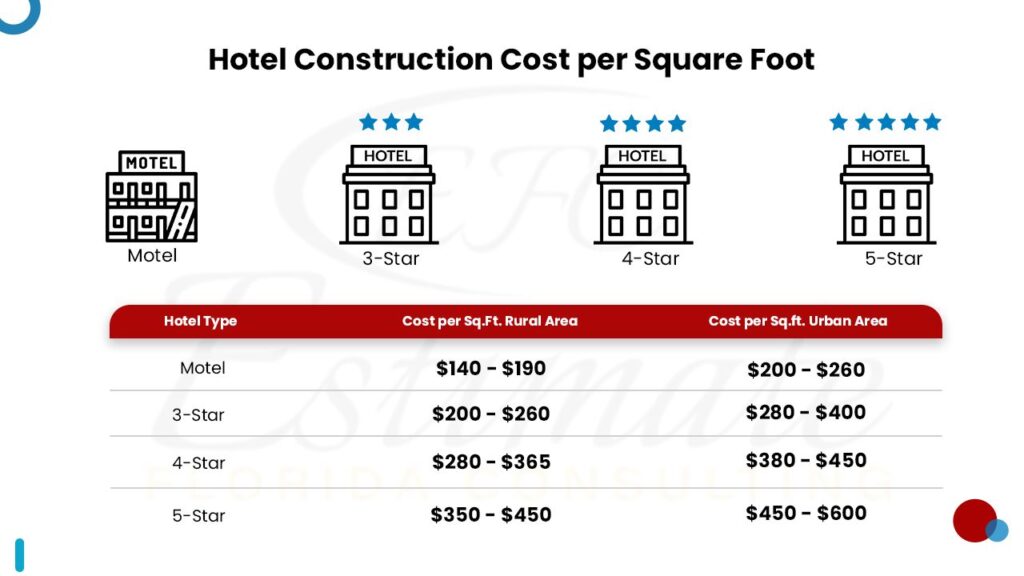
The categorization of hotels, typically denoted by star ratings, provides a clear indication of the level of luxury, service, and amenities offered. A 5-star establishment like the Ritz Carlton will have a much higher price point than a 3-star hotel.
- Budget Hotels (1-2 Stars): These offer basic accommodations, usually clean and functional, with minimal amenities. They are ideal for travelers prioritizing cost savings above all else. Extended stays might involve simple rooms with a bed, bathroom, and perhaps a small desk. Expect to pay less than market rent in many cities for these options.
- Mid-Range Hotels (3 Stars): These hotels strike a balance between affordability and comfort. They typically offer more amenities than budget hotels, such as on-site restaurants, fitness centers, and sometimes even small business facilities. Extended stay rates here will be noticeably higher than budget options but still offer good value.
- Upper Mid-Range/Boutique Hotels (4 Stars): This category often features stylish decor, enhanced services, and a wider range of amenities. Rooms are generally more spacious, and the overall experience is more comfortable and refined. Long-term rates will reflect this elevated standard.
- Luxury Hotels (5 Stars and above): These are the epitome of comfort and indulgence, offering exceptional service, gourmet dining, extensive leisure facilities, and lavishly appointed rooms or suites. Living in a luxury hotel long-term is a significant financial commitment, often comparable to or exceeding the cost of high-end real estate in desirable locations. The cost here is for an experience as much as it is for accommodation.
- Resorts and Villas: While often associated with leisure travel, many resorts and private villas offer extended stay packages. These can be particularly attractive for those seeking a more immersive experience, often including access to pristine beaches, golf courses, or unique natural landscapes. The cost will vary immensely based on the exclusivity and services provided.
Room Size and Amenities
The size of the room or suite you choose will directly impact the cost. A standard room will be the most economical option, while a junior suite, a one-bedroom suite, or a multi-bedroom villa will naturally incur higher charges.
Beyond basic living space, the amenities offered are a significant cost driver. Hotels that include:
- Full Kitchenettes or Kitchens: These can significantly reduce your food budget as you can prepare your own meals, making them an attractive option for long-term stays.
- On-site Restaurants and Bars: While convenient, dining out daily can quickly add up.
- Swimming Pools, Spas, and Fitness Centers: These add to the overall appeal and value but are factored into the pricing.
- Business Centers and Meeting Rooms: Essential for business travelers, these services also contribute to the cost.
- Concierge Services: The availability of personalized assistance for bookings, recommendations, and problem-solving enhances the living experience and is reflected in the price.
The presence of these features, especially for extended stays where they are utilized regularly, adds to the perceived value and justifies a higher price point.
Duration of Stay
One of the most significant factors influencing the cost of living in a hotel is the length of your stay. Hotels typically offer discounted rates for longer durations, moving away from daily rates and into weekly or monthly pricing structures.
- Short-term Extended Stays (1-4 weeks): You’ll likely see a reduction compared to standard nightly rates, but the discounts will be less substantial than for longer commitments.
- Medium-term Stays (1-3 months): Hotels are more willing to offer deeper discounts for guests committing to several months, as it provides them with a guaranteed occupancy. These rates can sometimes approach or even undercut the cost of short-term apartment rentals in certain markets.
- Long-term Stays (3+ months): For commitments of six months or more, you may be able to negotiate even more favorable rates, potentially approaching the cost of a traditional long-term lease, especially if you can secure a special extended-stay package.
It’s crucial to inquire specifically about their long-term or corporate rates, as these are often not advertised but can offer significant savings.

Exploring Accommodation Options for Extended Stays
Beyond traditional hotel rooms, the accommodation landscape for long-term stays has diversified, offering options that cater to different needs and budgets. These range from specialized extended-stay hotels to serviced apartments and even private villas that can be rented for months at a time.
Extended-Stay Hotels: The Hybrid Solution
Extended-stay hotels are specifically designed for guests needing accommodation for more than just a few nights. They often bridge the gap between traditional hotels and apartment living.
- Key Features: These establishments typically offer rooms with kitchenettes or full kitchens, separate living and sleeping areas, and amenities like on-site laundry facilities, complimentary breakfast, and often a small grocery service. Examples might include chains like Extended Stay America or Sonesta ES Suites.
- Cost-Effectiveness: By allowing guests to prepare their own meals and utilize on-site laundry, extended-stay hotels can offer significant cost savings compared to standard hotels. Their weekly and monthly rates are usually considerably lower than daily rates, making them a strong contender for budget-conscious long-term travelers. The cost can be competitive with, or even cheaper than, renting an unfurnished apartment in many cities, especially when you factor in the included utilities and housekeeping.
Serviced Apartments: Hotel Convenience with Apartment Living
Serviced apartments offer a more independent living experience while retaining the benefits of hotel services. These are typically self-contained apartments within a building that is managed by a hotel or a dedicated serviced apartment provider.
- Amenities and Services: You’ll find fully equipped kitchens, separate bedrooms and living areas, and often amenities like a gym, communal lounge, and sometimes even a restaurant. Housekeeping services are usually provided regularly, and you benefit from the security and support of a managed property.
- Pricing Structure: Serviced apartments are typically priced on a weekly or monthly basis. They can be an excellent option for families or those who require more space and the ability to cook elaborate meals. While often more expensive than a standard hotel room, they can be more cost-effective than booking multiple hotel rooms or a large suite, especially when considering the included services and the convenience of a full kitchen. Examples might include properties managed by companies like Marriott Executive Apartments or independent serviced apartment providers in major cities like Singapore.
Luxury Suites and Villas: The Premium Experience
For those seeking an unparalleled level of comfort and exclusivity, luxury suites within high-end hotels or private villas offer a premium long-term living experience.
- Unmatched Amenities: These accommodations boast spacious living areas, multiple bedrooms, fully equipped gourmet kitchens, private balconies or terraces, and access to exclusive hotel facilities such as private pools, spas, and fine dining restaurants. Many luxury hotels, like the Four Seasons or Mandarin Oriental, offer residences or specialty suites designed for longer stays.
- The Cost: Living in such accommodations is a significant investment. The cost can be astronomical, often reaching tens of thousands of dollars per month, depending on the location, size, and the level of service provided. This option is for individuals or families prioritizing privacy, exceptional service, and a lavish lifestyle. Renting a private villa in a prime location like the French Riviera or a penthouse suite in a major global city will place you in a category of expenditure comparable to owning a luxury property.
Budgeting for Your Hotel Stay: Hidden Costs and Savings Strategies
When estimating the cost of living in a hotel, it’s essential to look beyond the nightly or weekly rate. Several additional expenses can impact your overall budget, but with careful planning, you can also uncover ways to save money.
Potential Hidden Costs
While the core accommodation cost is the most apparent, several other expenses can accumulate during an extended hotel stay:
- Food and Dining: Unless you have a full kitchen and are committed to cooking every meal, the cost of dining out at hotel restaurants or local eateries can quickly become a significant expenditure. Room service, while convenient, is often the most expensive dining option.
- Laundry Services: While some extended-stay hotels offer self-service laundry facilities, many standard hotels charge premium rates for laundry and dry cleaning. For extended stays, this can add up considerably.
- Entertainment and Activities: Your budget should also account for the cost of exploring the local attractions, whether it’s visiting museums, theme parks like Disneyland, attending shows, or engaging in other leisure activities.
- Transportation: Depending on your location and the proximity of essential services and attractions, you may need to budget for local transportation, such as taxis, ride-sharing services, or public transport passes.
- Minibar and Incidentals: The temptation of the minibar can be costly, and other incidental charges, such as Wi-Fi fees (if not included), parking, or room service gratuities, can add to your bill.
- Taxes and Fees: Always factor in local taxes, service charges, and any resort fees that hotels may add to the final bill. These can significantly increase the overall cost.

Strategies for Saving Money
Fortunately, there are numerous ways to mitigate these costs and make hotel living more budget-friendly:
- Negotiate Long-Term Rates: As mentioned earlier, always inquire about special weekly, monthly, or corporate rates. Hotels are often willing to negotiate, especially during off-peak seasons or for longer commitments.
- Choose Hotels with Kitchenettes or Full Kitchens: This is arguably the most effective way to save money. Being able to prepare your own breakfast, pack lunches, and cook dinner several times a week will drastically reduce your food expenses.
- Utilize Free Amenities: Take advantage of complimentary breakfast buffets, free Wi-Fi, and on-site fitness centers. If the hotel offers free local shuttle services, use them to explore the immediate vicinity.
- Pack Smart for Laundry: Bring a small amount of detergent and hand wash items if possible, or seek out self-service laundry facilities. Many extended-stay hotels provide this.
- Cook Some Meals and Eat Out Selectively: Aim for a balance. Prepare some meals in your room and reserve dining out for special occasions or to experience local cuisine. Explore local grocery stores and markets for more affordable food options.
- Look for Deals and Packages: Keep an eye out for special promotions, package deals, or loyalty program benefits. Many hotel chains offer discounts for members.
- Consider Locations Slightly Outside the City Center: Hotels in areas with slightly less demand can offer significantly lower rates while still being accessible to the city’s attractions via public transport.
- Travel During the Off-Season: If your schedule allows, traveling during the shoulder or off-peak seasons can lead to substantial savings on accommodation and often on flights and activities as well.
Ultimately, the cost of living in a hotel is a flexible equation. By understanding the influencing factors, exploring the diverse range of accommodation options, and employing smart budgeting and saving strategies, you can make this unique lifestyle choice a reality, whether you’re seeking a temporary home base for business, leisure, or simply a change of scenery.