
The journey to parenthood can be one of life’s most profound experiences, filled with hope, anticipation, and sometimes, unexpected challenges. For many, In Vitro Fertilization (IVF) offers a beacon of possibility, yet the path often brings with it significant financial considerations. Texas, a state renowned for its sprawling landscapes, vibrant cities, and cutting-edge medical facilities, has become a prominent destination for individuals and couples seeking fertility treatments. Understanding “How Much Does IVF Cost In Texas?” is not merely a question of numbers; it’s an exploration into a comprehensive landscape that intertwines medical expenses with travel logistics, accommodation planning, and lifestyle adjustments.
The decision to pursue IVF frequently involves more than just selecting a clinic. It often necessitates careful planning around travel, extended stays in unfamiliar cities, and ensuring a supportive environment for what can be an emotionally and physically demanding process. For those traveling from within Texas or across state lines, the overall cost expands beyond medical bills to include everything from flights and hotel bookings to daily living expenses and opportunities for relaxation amidst treatment. This article aims to demystify the financial aspects of IVF in the Lone Star State, while also providing insights into how to seamlessly integrate your treatment journey with practical travel and accommodation strategies, enhancing your overall well-being during this pivotal time.
Decoding the Financial Landscape of IVF in Texas
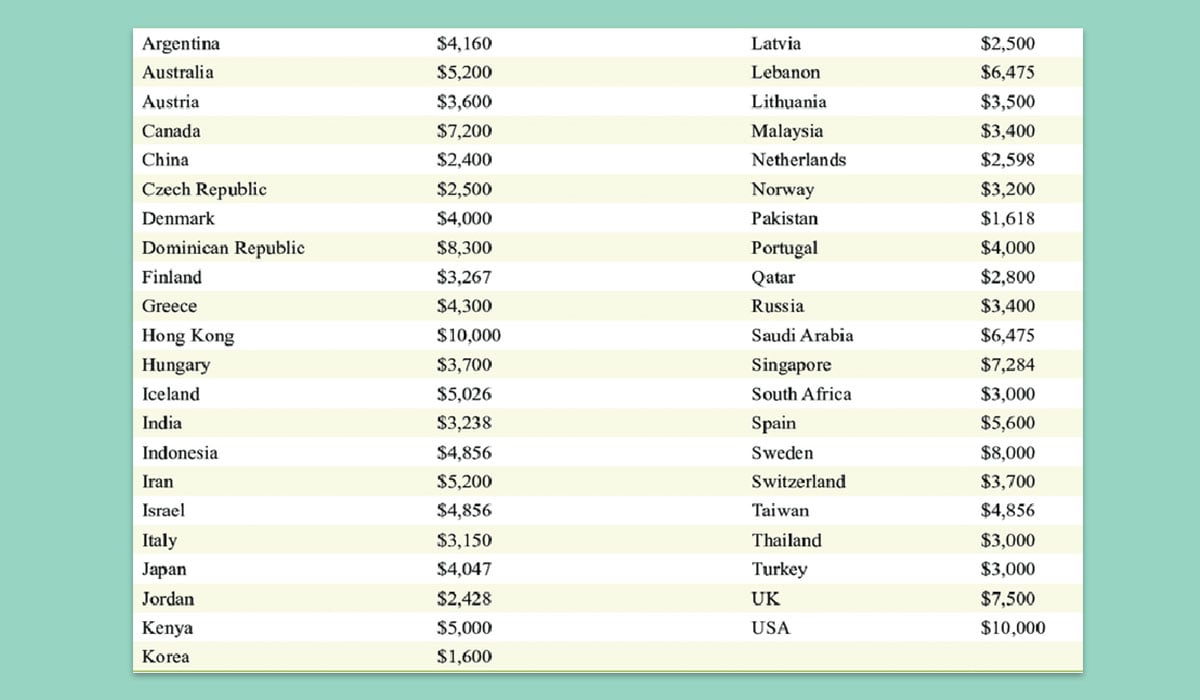
Embarking on an IVF cycle is a significant investment, both emotionally and financially. In Texas, the cost can vary widely, reflecting the diversity of clinics, the complexity of individual cases, and the specific treatments required. Generally, a single cycle of IVF in Texas can range from $15,000 to $25,000 or even higher, before considering ancillary expenses. This figure typically encompasses a core set of services, but a deeper dive reveals a mosaic of costs that prospective parents must anticipate.
Core IVF Treatment Costs: What to Expect
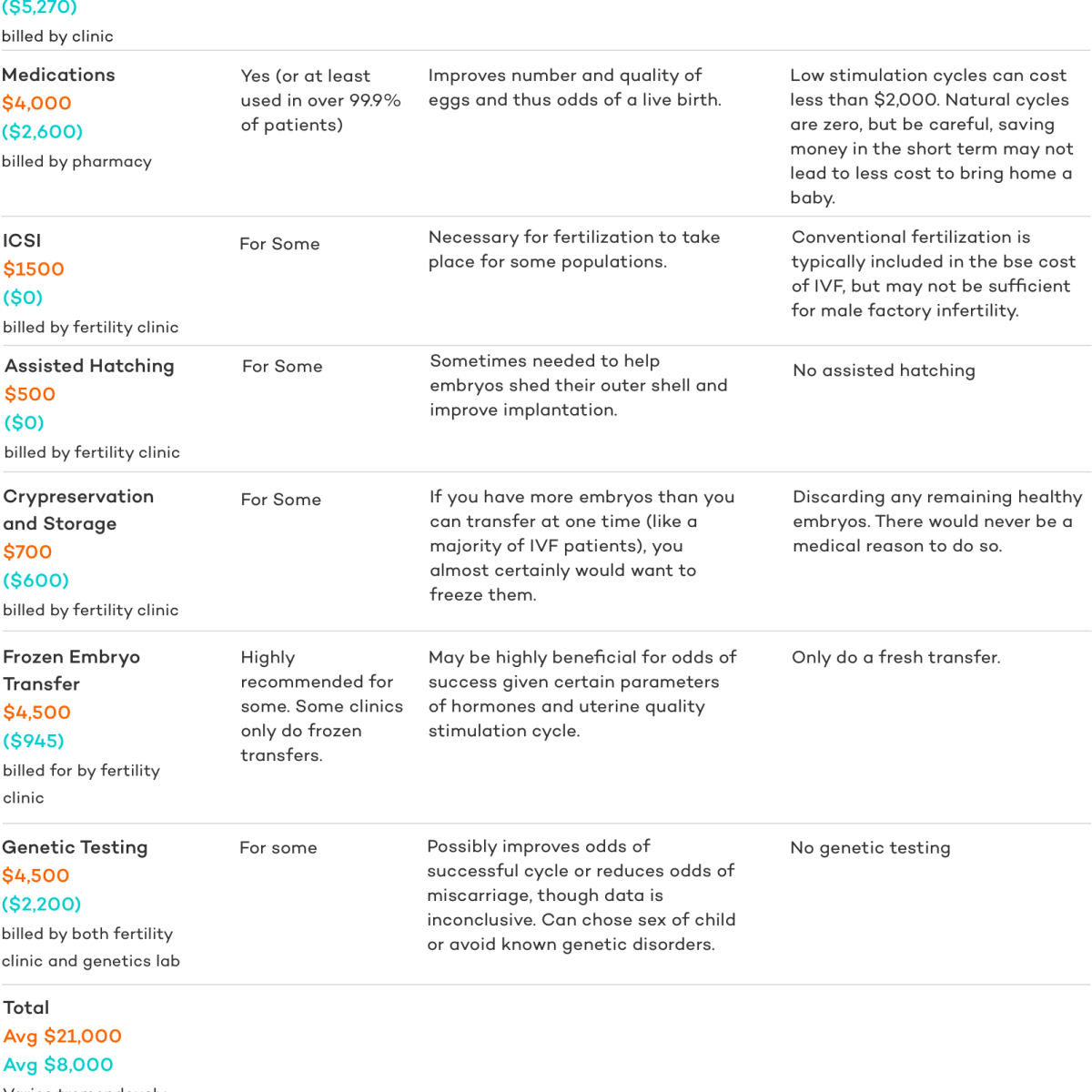
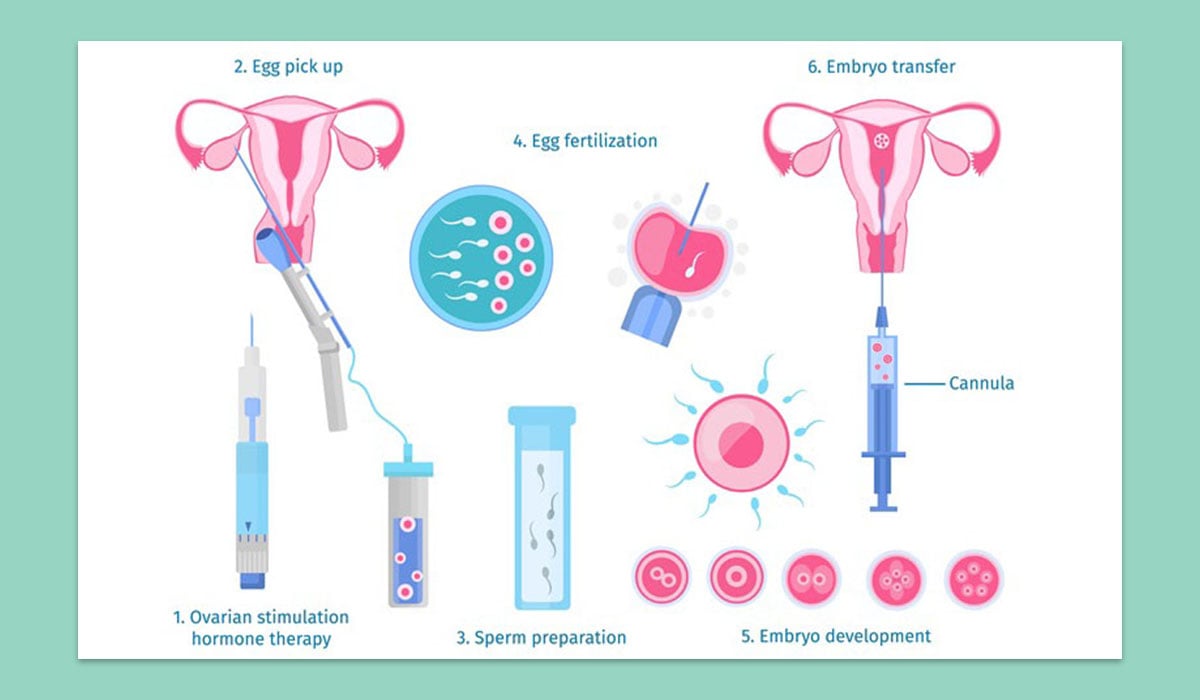
The base cost of an IVF cycle usually includes several critical components: the initial consultation, ovarian stimulation medications, egg retrieval procedures, laboratory services for fertilization, and embryo transfer. Each of these stages carries its own associated fees, which are often bundled by fertility clinics. For instance, the cost of medications alone can be substantial, ranging from $3,000 to $7,000 per cycle, depending on the dosage and type of drugs prescribed to stimulate egg production. These medications are vital for preparing the body for treatment and can fluctuate based on a patient’s individual response and needs.
The egg retrieval procedure is a minor surgical intervention performed under anesthesia, and its cost factors in the anesthesiologist’s fees, the use of the operating facility, and the fertility specialist’s professional fees. Following retrieval, the embryology laboratory services come into play, covering the critical steps of fertilization, embryo culture, and monitoring. Finally, the embryo transfer, where one or more embryos are placed into the uterus, completes the core cycle. It’s important to clarify with your chosen clinic exactly what is included in their quoted “cycle cost,” as definitions can vary. For example, some clinics might include a certain number of ultrasounds and blood tests, while others may bill for these monitoring appointments separately. Cities like Houston, Dallas, Austin, and San Antonio host numerous reputable fertility centers, each with their own pricing structures and packages, making it crucial to compare offerings.
Hidden Fees and Additional Expenses
Beyond the core IVF cycle, several supplementary procedures and services are frequently recommended or required, significantly impacting the overall cost. These “hidden” or additional fees can quickly add up and must be factored into your budget from the outset.
- Intracytoplasmic Sperm Injection (ICSI): Often used in cases of male factor infertility, ICSI involves injecting a single sperm directly into an egg. This specialized procedure can add $1,000 to $2,500 to the total cost.
- Preimplantation Genetic Testing (PGT): For couples concerned about genetic abnormalities or seeking to improve implantation rates, PGT (including PGT-A for aneuploidy screening or PGT-M for monogenic diseases) can be invaluable. However, it’s an expensive addition, potentially costing $2,000 to $7,000 for the genetic testing itself, plus biopsy fees.
- Embryo Freezing and Storage: If multiple viable embryos are produced, freezing and storing them for future cycles is a common practice. This typically incurs an initial freezing fee of $500 to $1,500, followed by annual storage fees of $500 to $1,000.
- Assisted Hatching: A technique to help the embryo implant, which can add a few hundred dollars.
- Donor Services: For those using donor eggs or sperm, the costs will significantly increase, potentially by tens of thousands of dollars, depending on the donor agency and associated legal fees.
- Consultation and Diagnostic Tests: Before even beginning an IVF cycle, initial consultations, comprehensive diagnostic tests, and semen analyses are necessary, all of which incur separate fees.
Understanding these potential add-ons and discussing them thoroughly with your clinic in cities like Dallas or Houston is vital for comprehensive financial planning.
Navigating Accommodation and Travel for Your IVF Cycle
For many undergoing IVF in Texas, particularly those traveling from other parts of the state or beyond, the logistical challenges of travel and accommodation are almost as significant as the medical ones. An IVF cycle typically requires multiple clinic visits over a period of several weeks, making temporary relocation a practical necessity. This aspect directly connects to the core offerings of lifeoutofthebox.com, helping you find comfort and convenience amidst your medical journey.
Choosing the Right Stay: Hotels, Suites, and Long-Term Options
Selecting the right accommodation is paramount for ensuring comfort, minimizing stress, and adhering to your treatment schedule. The type of stay will largely depend on the duration of your required presence in the treatment city, your budget, and personal preferences.
For shorter stays or initial consultations, a well-located hotel near your fertility clinic in Austin or San Antonio might suffice. Look for hotels that offer amenities such as complimentary breakfast, free Wi-Fi, and perhaps a small refrigerator in the room for medication storage. Many national chains like Marriott, Hilton, or Hyatt have properties across major Texas cities, often providing loyalty program benefits or special rates for extended stays.
For longer periods, particularly during the active stimulation and monitoring phases, extended-stay hotels or apartment-style suites offer more practical solutions. Brands like Residence Inn by Marriott, Homewood Suites by Hilton, or Embassy Suites provide kitchenettes or full kitchens, separate living areas, and sometimes even laundry facilities, allowing for a more home-like environment. Having access to a kitchen can be incredibly beneficial for maintaining a healthy diet and controlling food expenses during a stressful time.
Alternatively, platforms like Airbnb or VRBO can provide access to vacation rentals or furnished apartments. This option can be particularly appealing for those seeking more privacy, space, or specific amenities like a private garden or dedicated workspace. When choosing a rental, always prioritize proximity to your clinic, safety of the neighborhood, and positive reviews regarding cleanliness and host responsiveness. Some couples may even consider a luxury apartment or boutique hotel for a more indulgent and stress-reducing experience, which aligns with a “luxury travel” lifestyle, balancing the medical necessity with opportunities for pampered comfort. Given the demanding nature of IVF, investing in a comfortable and supportive accommodation environment can be seen as an investment in your well-being.
Travel Logistics: Planning Your Journey to a Texas Clinic
The logistical aspects of traveling for IVF should not be underestimated. Whether you’re flying into a major hub like Dallas/Fort Worth International Airport (DFW) or George Bush Intercontinental Airport (IAH), or driving from within the state, careful planning is essential.
Consider the timing of your travel in relation to your cycle schedule. Flights need to be booked with flexibility in mind, as IVF treatment dates can sometimes shift unexpectedly. If flying, research airline policies regarding carrying medications, especially injectables that require refrigeration. Many airlines allow small coolers for medical supplies, but it’s always best to check in advance. Additionally, for those traveling a significant distance, factoring in potential jet lag or driving fatigue is crucial for ensuring you arrive at your clinic appointments well-rested and on time.
For local transportation within Texas cities, evaluate options like ride-sharing services (Uber, Lyft), public transit, or renting a car. Having your own vehicle can offer greater flexibility and privacy, especially for frequent trips to the clinic or for exploring the local area during downtime. Cities like Houston and Dallas are extensive, and having reliable transportation is vital. Map out routes between your accommodation, clinic, and any pharmacies you might need to visit. This meticulous planning around travel not only saves time and reduces stress but also allows you to focus more fully on the treatment itself, embodying the thoughtful approach to travel that lifeoutofthebox.com advocates.
Enhancing Your Experience: Lifestyle and Well-being During Treatment
Undergoing IVF is an intensive process, and while the medical aspects are primary, maintaining emotional and physical well-being is equally critical. Integrating elements of lifestyle and tourism can transform the experience from a purely clinical one into a more holistic journey, allowing for moments of respite and joy amidst the appointments and procedures.
Balancing Budget and Comfort: Luxury vs. Practical Stays
The “lifestyle” aspect of your IVF journey in Texas doesn’t just pertain to high-end choices; it’s about making choices that best support your mental and physical state within your financial means. For some, a luxury travel approach might involve staying at a top-tier resort or a boutique hotel with spa services, gourmet dining, and serene pools. Imagine a stay at The Post Oak Hotel at Uptown Houston or Hotel Emma in San Antonio, where every detail is designed for comfort and relaxation, offering a luxurious sanctuary during treatment. This can provide a much-needed escape from the clinical environment, promoting relaxation and reducing stress, which can be beneficial during IVF.
Conversely, a budget travel approach might focus on value-for-money extended-stay options or well-vetted Airbnb rentals that offer essential comforts without the premium price tag. The goal remains the same: creating a comfortable, supportive, and stress-reducing environment. This might involve preparing meals in your kitchenette, finding local parks for walks, or utilizing hotel gyms for light exercise. Whether you opt for luxury or budget-conscious choices, the key is to prioritize a space that feels safe, clean, and conducive to rest and recovery, acknowledging that this is a “family trip” in its earliest, most hopeful stages.
Exploring Texas: Combining Treatment with Relaxation
While the primary purpose of your trip is IVF, Texas offers a wealth of attractions that can provide welcome distractions and opportunities for relaxation. Integrating some tourism into your schedule, especially during periods of less intense clinic visits, can significantly boost morale and create positive memories.
In Houston, you could visit the Houston Museum District, home to the Museum of Fine Arts, Houston and the Houston Museum of Natural Science. The Space Center Houston offers an awe-inspiring look into space exploration. For a tranquil escape, the Hermann Park or the Houston Botanic Garden provide serene green spaces.
If your treatment takes you to Dallas, consider exploring the historic Dallas Arts District, visiting the Dallas World Aquarium, or strolling through Klyde Warren Park. The Sixth Floor Museum at Dealey Plaza offers a poignant historical experience.
In Austin, the live music capital, you might enjoy a stroll along Lady Bird Lake or a visit to the Texas State Capitol. For nature lovers, the Zilker Botanical Garden provides a peaceful retreat.
San Antonio boasts the iconic Alamo and the picturesque River Walk, offering vibrant cultural experiences. A boat tour along the river or a visit to the San Antonio Botanical Garden can provide a much-needed mental break.
Even simple pleasures, such as discovering local eateries or browsing unique shops, can contribute positively to your well-being. These small excursions, carefully planned around your medical schedule, can transform a potentially sterile medical trip into a more memorable and emotionally fulfilling journey, reinforcing the holistic approach that lifeoutofthebox.com encourages for all travel and life experiences.
Financial Support and Future Planning
The significant costs associated with IVF can be daunting, but various avenues for financial assistance and careful planning can help make the journey more manageable. Understanding these options is a critical part of the overall IVF cost assessment.
Insurance, Grants, and Payment Plans
Navigating insurance coverage for IVF in Texas can be complex. While some employer-sponsored plans or state mandates may offer partial or full coverage, many individuals find that fertility treatments are not fully covered, leading to substantial out-of-pocket expenses. It is imperative to contact your insurance provider directly to understand your specific benefits, including deductibles, co-pays, and any lifetime maximums for fertility treatments. Some clinics also have financial counselors who can help you verify your benefits.
Beyond insurance, several grants and scholarships are available from non-profit organizations dedicated to assisting individuals and couples with fertility treatment costs. Organizations like RESOLVE: The National Infertility Association or specific regional foundations often provide resources and links to such programs. Eligibility criteria vary, so thorough research is key.
Many fertility clinics in Texas also offer payment plans, multi-cycle packages, or financing options to help spread the cost. Multi-cycle packages, for example, may offer a discounted rate for committing to multiple IVF cycles upfront, providing some cost certainty for those who anticipate needing more than one attempt. Discuss these options openly with your clinic’s financial department in cities like Houston or Dallas to find a solution that fits your budget. Some may also suggest medical loans from specialized lenders.
Post-Treatment Considerations and Family Planning
The financial implications of IVF don’t necessarily end with a successful cycle. If embryos were frozen, ongoing storage fees will need to be factored into your long-term financial planning. Furthermore, if the IVF journey is successful, new parents will naturally face the joyous, yet financially demanding, costs of raising a child. This long-term financial foresight, akin to planning for any significant family trip or lifestyle change, is an important part of the entire process.
For those whose IVF journey involves travel and temporary relocation, considering the overall lifestyle implications post-treatment is also important. Will you remain in Texas or return home? How will this impact your work, housing, and social networks? The entire IVF process, from initial costs to eventual family expansion, is a comprehensive life event that requires thoughtful preparation and a robust support system, aligning perfectly with the holistic approach to lifestyle and accommodation considerations championed by lifeoutofthebox.com.
Conclusion
The question “How Much Does IVF Cost In Texas?” opens up a multifaceted discussion that extends far beyond the price tag of medical procedures. While a single IVF cycle in Texas typically ranges from $15,000 to $25,000, understanding the additional fees for specialized procedures, medications, and long-term storage is essential for accurate financial planning. Equally important, however, are the associated costs and considerations related to travel, accommodation, and maintaining well-being throughout this demanding journey.
Whether you choose a luxury retreat or a budget-friendly extended stay, prioritizing comfort and convenience near reputable clinics in cities like Houston, Dallas, Austin, or San Antonio is key. Integrating moments of local exploration and relaxation can significantly enhance your experience, turning a medical necessity into a more manageable and even memorable period of your life. By meticulously planning for both the medical and lifestyle aspects, exploring financial aid options, and leveraging resources for comfortable accommodation, individuals and couples can navigate the complex path of IVF in Texas with greater confidence and peace of mind. The journey to building a family is profound, and with careful preparation, it can be a path well-traveled.