
New York City, a global epicenter of culture, finance, and innovation, captivates millions with its iconic skyline, diverse neighborhoods, and endless possibilities. From the dazzling lights of Times Square to the serene paths of Central Park, the Big Apple offers an unparalleled experience for travelers and residents alike. But behind the grandeur and the bustling streets, there’s a complex administrative machinery, steered by a singular figure: the Mayor of New York. This individual is not just a public servant but the chief executive of a metropolis often considered a world unto itself, responsible for a budget larger than many countries and the daily lives of over 8 million people.
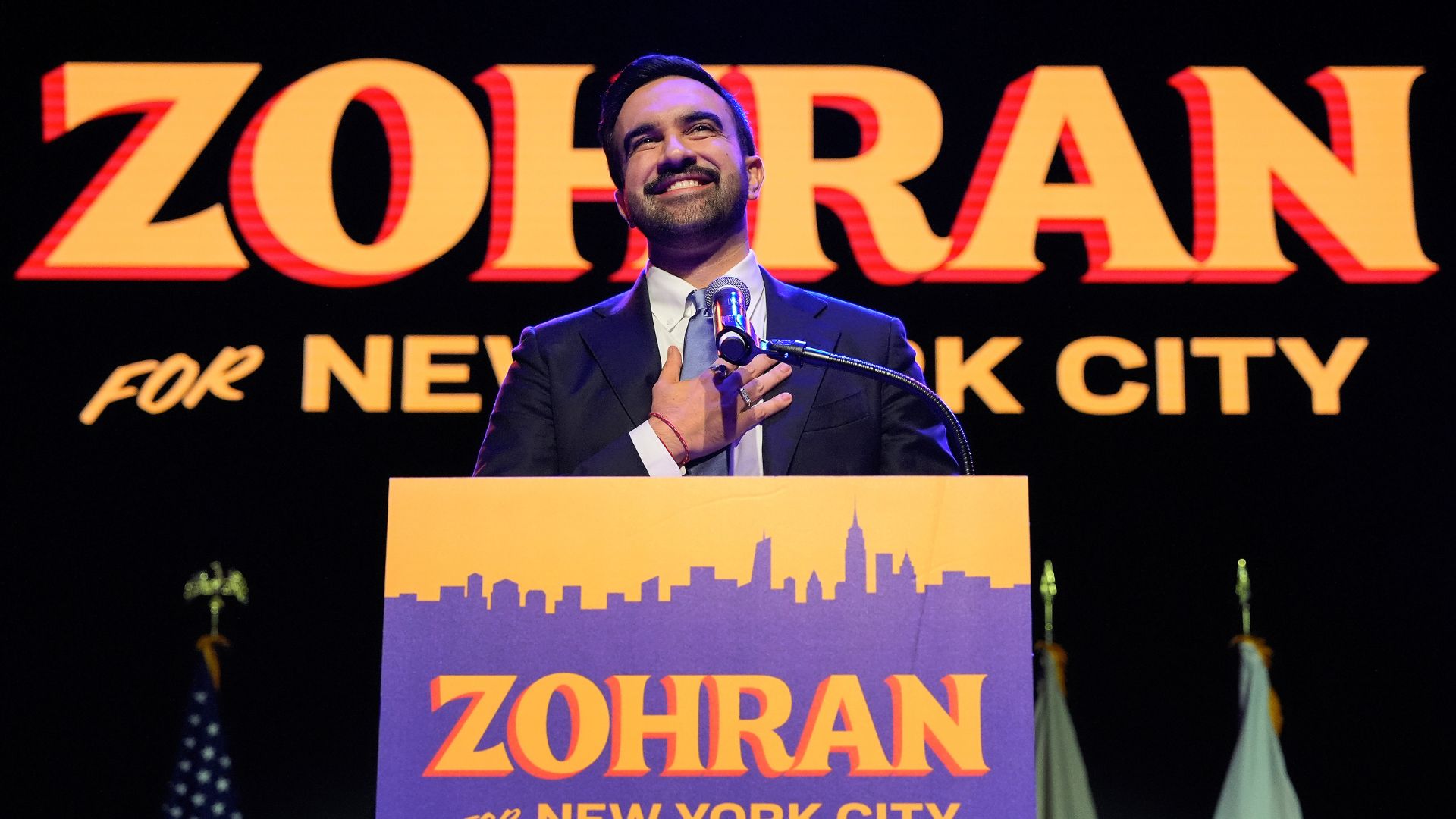
Given the immense scope and visibility of this role, a natural question arises, particularly for those interested in the economics of major cities and the lifestyle afforded by high-profile public service: How much does the Mayor of New York actually make? The salary of such a prominent official isn’t merely a number; it reflects the perceived value of governing one of the most dynamic and challenging urban environments on the planet. For residents, it’s about accountability and fair compensation; for visitors and those intrigued by the city’s unique fabric, it offers a glimpse into the financial realities and expectations placed upon its leader. Understanding the mayor’s compensation involves looking beyond the base salary to the full spectrum of responsibilities, the city’s high cost of living, and the extensive perks that come with one of the most demanding jobs in the United States. This exploration offers not just a financial breakdown but also insights into the intricate relationship between public service, urban management, and the global appeal of New York as a premier destination for travel, lifestyle, and business.
The Mayor’s Compensation: A Snapshot of Public Service at the Helm of a Global Metropolis
The position of Mayor of New York City is undoubtedly one of the most prestigious and challenging municipal roles globally. It demands exceptional leadership, resilience, and an unwavering commitment to public service. With such profound responsibilities comes a compensation package designed to attract and retain highly qualified individuals capable of managing a city of this scale and complexity.
Unpacking the Current Mayoral Salary
As of recent reports, the current Mayor of New York City, Mayor Eric Adams, earns an annual salary of $258,750. This figure represents the base pay for the chief executive officer of the municipal government. While this sum might seem substantial to many, it’s crucial to contextualize it within the economic realities of New York City and compare it to similar positions, both in public and private sectors.
The salary is set by the Quadrennial Commission on Compensation, an independent body that reviews and recommends adjustments to the salaries of elected officials every four years. This process aims to ensure that compensation remains competitive and reflects the evolving demands of public office. The salary is a public record, underscoring the transparency inherent in public sector roles. For a city that welcomes millions of tourists each year, where luxury hotels offer suites costing thousands per night and a vibrant culinary scene ranges from Michelin-starred restaurants to iconic street food, the mayor’s salary supports a certain standard of living, albeit one under constant public scrutiny.
Historical Context and Comparisons
To fully appreciate the current mayoral salary, a look at its historical trajectory and comparisons with other major cities is insightful. The compensation for the Mayor of New York City has seen gradual increases over the decades, reflecting inflation, increased responsibilities, and the growing complexity of urban governance. For instance, former Mayor Bill de Blasio also earned $258,750, a figure that was last adjusted in 2014. Before that, Mayor Michael Bloomberg, a billionaire businessman, famously took an annual salary of only $1, symbolizing his personal wealth and dedication to public service.
Comparing this figure to other large cities across the United States and the world provides further context:
- The Mayor of Los Angeles typically earns around $230,000 to $248,000 annually.
- The Mayor of Chicago’s salary is often in the range of $216,000.
- The Mayor of San Francisco earns roughly $351,000, one of the highest in the nation, reflecting its own high cost of living.
- Internationally, the Mayor of London earns approximately £152,000 (around $190,000 USD), while the Governor of Tokyo might earn over $250,000 USD.
These comparisons show that New York City’s mayoral salary is competitive, though not always the highest, especially when considering the sheer scale of the city’s economy and population. It positions the Mayor of New York as a highly compensated public official, reflecting the significant demands and expectations of the role. For a travel and lifestyle publication, understanding these figures helps illuminate the economic ecosystem of such a powerhouse city, influencing everything from local tourism budgets to the perception of New York as a global hub.
Beyond the Paycheck: The Extensive Responsibilities and Perks of Office
While the annual salary is a key component of the Mayor of New York’s compensation, it tells only part of the story. The true value and complexity of the role are revealed through the immense responsibilities shouldered and the distinct perks that come with governing arguably the world’s most influential city. These elements contribute significantly to the overall compensation package, both tangible and intangible.
Guiding a City of Millions: The Weight of Decision-Making
The Mayor of New York City serves as the chief executive of an administration that manages an annual budget often exceeding $100 billion. This budget funds an extensive array of city services, including the largest municipal police force in the United States, the New York Police Department (NYPD); the nation’s largest public school system, the New York City Department of Education; and a vast public transportation network overseen by the MTA and the Port Authority of New York and New Jersey.
The mayor’s portfolio includes:
- Economic Development: Fostering growth, attracting businesses to Wall Street and beyond, and ensuring the city remains a global financial and innovation hub. This directly impacts the tourism sector, influencing the development of new attractions, hotels, and vibrant local economies.
- Public Safety: Overseeing law enforcement, emergency services, and crisis management, crucial for maintaining the city’s reputation as a safe destination for millions of annual visitors.
- Infrastructure and Urban Planning: Directing projects that maintain and enhance the city’s bridges, tunnels, roads, parks, and public spaces, from the revitalized waterfronts to the iconic Brooklyn Bridge and Central Park.
- Social Services: Addressing critical issues such as housing, healthcare, homelessness, and education for a diverse population.
- Global Ambassador: Representing New York City on the national and international stage, interacting with dignitaries, advocating for the city at the United Nations headquarters, and promoting its cultural and economic prowess to the world.
The daily demands are relentless, involving long hours, constant public scrutiny, and the need to make high-stakes decisions that affect millions of lives. From responding to natural disasters to navigating complex political landscapes, the mayor’s job is a 24/7 commitment, requiring an individual of extraordinary stamina and leadership qualities.
Official Benefits and the Iconic Gracie Mansion

Beyond the financial compensation, the Mayor of New York receives several significant benefits that enhance the overall value of the position and facilitate the efficient execution of their duties.
- Official Residence: Perhaps the most iconic perk is the use of Gracie Mansion, a historic federal-style country house located in Carl Schurz Park in Manhattan. This beautiful mansion serves as the official residence of the mayor and their family, as well as a venue for official functions, meetings, and receptions with national and international guests. The value of living rent-free in a historic, prime Manhattan property cannot be overstated, especially in a city known for its exorbitant housing costs. It provides a luxurious backdrop for official duties and a comfortable, secure home for the mayoral family.
- Security Detail: Given the high-profile nature of the position and the constant threats faced by public figures, the mayor is provided with a dedicated 24/7 security detail from the NYPD. This ensures the safety of the mayor and their family, at all times, whether at Gracie Mansion, during public appearances, or while traveling within the city.
- Official Transportation: The mayor is furnished with official vehicles and drivers, ensuring efficient and secure transit across the five boroughs (Manhattan, Brooklyn, Queens, The Bronx, and Staten Island) for official engagements. This eliminates personal transportation costs and provides the necessary logistical support for a demanding schedule.
- Staff and Resources: The mayor commands a large staff of advisors, administrators, and support personnel, alongside access to extensive city resources and infrastructure, enabling them to govern effectively.
- Pension and Healthcare: Like most public employees, the mayor is entitled to comprehensive health insurance and a pension plan, providing long-term financial security.
These benefits, combined with the salary, paint a comprehensive picture of the compensation for the Mayor of New York. They acknowledge the round-the-clock commitment required and facilitate the mayor’s ability to focus on the monumental task of leading a global city, ensuring its continued prominence as a destination for tourism, culture, and business.
Navigating New York’s High Cost of Living: What Does a Mayoral Salary Afford?
New York City is renowned for many things, but perhaps none as universally acknowledged as its extraordinary cost of living. For both residents and visitors, the city’s vibrant energy comes with a premium. Understanding the Mayor of New York’s salary in this context provides a crucial perspective on how far public service compensation goes in one of the world’s most expensive urban landscapes.
Housing, Lifestyle, and Daily Expenses in the Big Apple
Even with a salary of $258,750, living a high-end lifestyle in New York City requires careful financial management. The average rent for an apartment in Manhattan can easily range from $4,000 to $6,000 or more per month for a modest dwelling, with luxury apartments and penthouses commanding tens of thousands. While the mayor benefits from the official residence at Gracie Mansion, offsetting the most significant housing expense, other costs associated with a high-profile public life can add up.
Consider daily expenses:
- Dining: New York offers an unparalleled culinary scene. A fine dining experience can easily cost hundreds of dollars, while even casual meals can be pricey compared to other cities.
- Entertainment: Attending Broadway shows, sporting events, concerts, or visiting world-class institutions like the Metropolitan Museum of Art or the Museum of Modern Art adds significant expenses, even with potential official discounts or complimentary access for public figures.
- Personal Services: For a public figure, costs related to professional attire, personal care, and other lifestyle amenities necessary for maintaining a public image can be substantial.
- Taxes: New York City has high local and state taxes, which significantly reduce the net take-home pay from the gross salary.
A mayoral salary, while substantial in absolute terms, is not a “get rich” scheme in the context of NYC. It’s designed to provide a comfortable, upper-middle-class to affluent lifestyle, enabling the mayor to focus on their duties without financial distraction, but it doesn’t necessarily grant access to the ultra-luxury stratum that characterizes a segment of New York’s elite.
The Economic Landscape of NYC: A Tourist’s Perspective
The same economic forces that influence the mayor’s cost of living also shape the experience of millions of tourists who visit New York City each year.
- Accommodation: Hotels in NYC are among the most expensive globally. From budget-friendly options to luxurious suites at properties like The Plaza Hotel or the St. Regis, accommodation can be the largest component of a travel budget. The mayor’s influence on city planning and tourism policy can indirectly affect hotel development and pricing.
- Attractions and Experiences: While many of New York’s iconic sights like the Statue of Liberty or walking across the Brooklyn Bridge are free or low-cost, others like ascending the Empire State Building, visiting top museums, or seeing a Broadway show involve significant costs.
- Transportation: While the MTA subway and bus system offers an economical way to get around, taxis and ride-shares can quickly add up.
- Food: Visitors, like residents, face high food costs, whether dining out or grocery shopping.
The mayor’s role in maintaining a robust and attractive urban environment directly correlates with the city’s ability to draw tourists and sustain its tourism economy. Their decisions on infrastructure, public safety, and cultural funding contribute to the overall value proposition of visiting New York, influencing whether a trip is seen as a worthwhile luxury or an attainable budget adventure.
The Mayor’s Impact on New York’s Tourism and Global Lifestyle Appeal
The Mayor of New York is more than just an administrator; they are the city’s chief marketer, advocate, and guardian. Their actions and policies have a profound and direct impact on New York City’s standing as a premier global destination for travel, leisure, business, and an enviable lifestyle.
Shaping the City’s Image and Visitor Experience
A mayor’s vision for New York City directly translates into the experience visitors have and the image the city projects globally.
- Safety and Cleanliness: A mayor’s commitment to public safety (through funding the NYPD and community initiatives) and urban cleanliness directly affects tourists’ perception of the city. A safe and well-maintained environment encourages more visits and positive word-of-mouth, which is invaluable for the tourism industry.
- Cultural Funding and Events: Mayoral administrations often play a crucial role in supporting New York’s unparalleled cultural institutions, from museums and theaters to public art installations and festivals. These events and attractions, like the Macy’s Thanksgiving Day Parade or the New Year’s Eve ball drop in Times Square, are major draws for tourists and essential components of the city’s vibrant lifestyle.
- Branding and Promotion: The mayor frequently acts as a global ambassador for New York City, participating in international events, attracting foreign investment, and promoting the city as a must-visit destination. Their public appearances and statements contribute significantly to the city’s brand image worldwide.
- Infrastructure for Tourism: Decisions on airport improvements (like those at JFK or LaGuardia), subway expansions, or pedestrian-friendly zones like those in Times Square directly enhance the visitor experience, making travel and exploration within the city easier and more enjoyable.

Public Policies, Infrastructure, and the Visitor Economy
The policies enacted by the mayor and their administration have tangible effects on the visitor economy, influencing everything from hotel development to local business success.
- Zoning and Development: Mayoral decisions on zoning and urban development can lead to the creation of new hotels, entertainment venues, and commercial districts, expanding the city’s capacity for tourism and business travel. For example, revitalized waterfront areas or new cultural centers owe much to municipal planning and approvals.
- Transportation Networks: An efficient and accessible public transit system (MTA) is vital for tourists navigating the city. The mayor’s support for maintaining and improving these networks ensures that visitors can easily access attractions across all five boroughs.
- Support for Small Businesses: Local shops, restaurants, and unique neighborhood experiences are often what make New York City truly special for tourists. Mayoral policies that support small businesses and promote vibrant local economies indirectly enrich the tourism landscape, offering more authentic and diverse experiences beyond mainstream attractions.
- Response to Crises: The mayor’s leadership during crises, whether public health emergencies or natural disasters, is critical in reassuring both residents and potential visitors of the city’s resilience and capacity to recover. A strong, decisive response protects the city’s reputation and ensures its quick return as a welcoming destination.
In essence, the compensation for the Mayor of New York is a reflection not just of governing a city, but of leading a global brand that consistently attracts millions. The mayor’s ability to foster a vibrant, safe, and accessible city directly underpins its success as a travel destination and its status as a paragon of urban lifestyle. The salary, therefore, is an investment in the leadership that stewards this incredible urban marvel, ensuring its continued allure for residents and visitors from every corner of the globe.
In conclusion, the Mayor of New York’s salary of $258,750 is a significant figure, yet it must be understood within the context of the unparalleled responsibilities of governing one of the world’s most complex and influential cities. Beyond the monetary compensation, the extensive perks like the official residence at Gracie Mansion and dedicated security underscore the demanding nature of the role. While the salary affords a comfortable lifestyle, it is deeply intertwined with the high cost of living in New York City, a reality faced by residents and tourists alike. Ultimately, the mayor’s leadership has a direct and profound impact on the city’s economic health, its appeal as a global travel destination, and the overall quality of life and luxury experiences available within its dynamic boroughs. The compensation package reflects the gravity of this office and the expectation that its occupant will continue to elevate New York City as a beacon of culture, commerce, and captivating urban exploration.
LifeOutOfTheBox is a participant in the Amazon Services LLC Associates Program, an affiliate advertising program designed to provide a means for sites to earn advertising fees by advertising and linking to Amazon.com. Amazon, the Amazon logo, AmazonSupply, and the AmazonSupply logo are trademarks of Amazon.com, Inc. or its affiliates. As an Amazon Associate we earn affiliate commissions from qualifying purchases.