
Navigating the financial landscape of unemployment in California can be a daunting prospect, especially for those accustomed to the stability of a regular paycheck. The Golden State, known for its vibrant economy and diverse opportunities, also offers a robust, albeit temporary, safety net for its residents facing job loss. Understanding the intricacies of unemployment benefits in California is crucial for anyone in this situation, providing clarity on potential income during a period of transition. This guide aims to demystify the payments associated with unemployment in California, exploring the factors that influence benefit amounts, the duration of these payments, and the broader implications for individuals and their immediate lifestyle.
Understanding California Unemployment Insurance (UI) Benefits
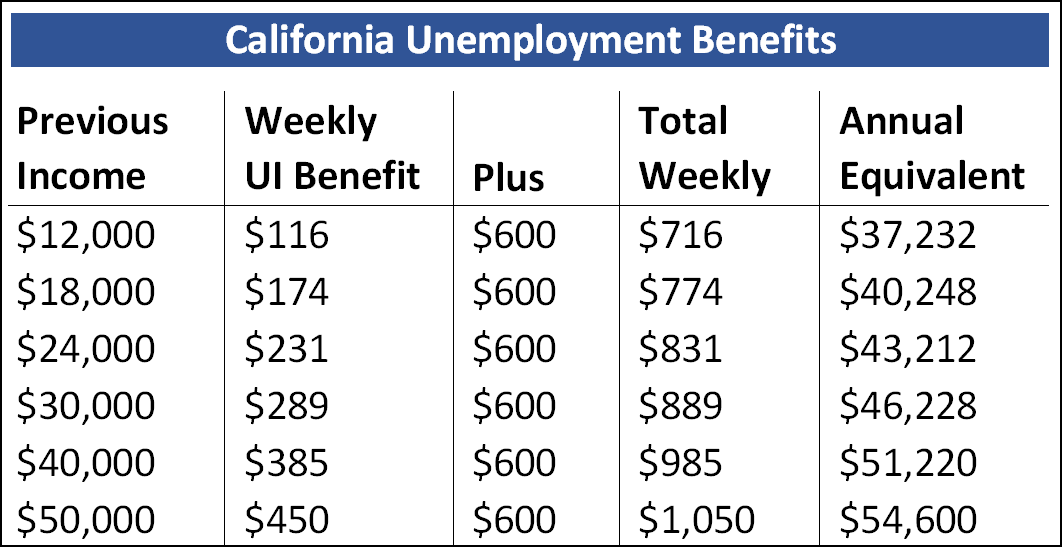
California’s Unemployment Insurance (UI) program, administered by the Employment Development Department (EDD), is designed to provide temporary financial assistance to eligible workers who have lost their jobs through no fault of their own. The core of this support comes in the form of weekly benefit payments, calculated based on an individual’s past earnings. This system ensures that the support received is somewhat proportional to the income one was earning prior to becoming unemployed, offering a degree of financial continuity.
Calculating Your Weekly Benefit Amount (WBA)
The Weekly Benefit Amount (WBA) is the cornerstone of unemployment benefits in California. This figure is not a flat rate but is meticulously calculated by the EDD based on your highest-earning quarter during your “base period.” The base period typically consists of the first four of the last five completed calendar quarters before you file your claim. The EDD reviews your reported wages during this period to determine your average weekly earnings.
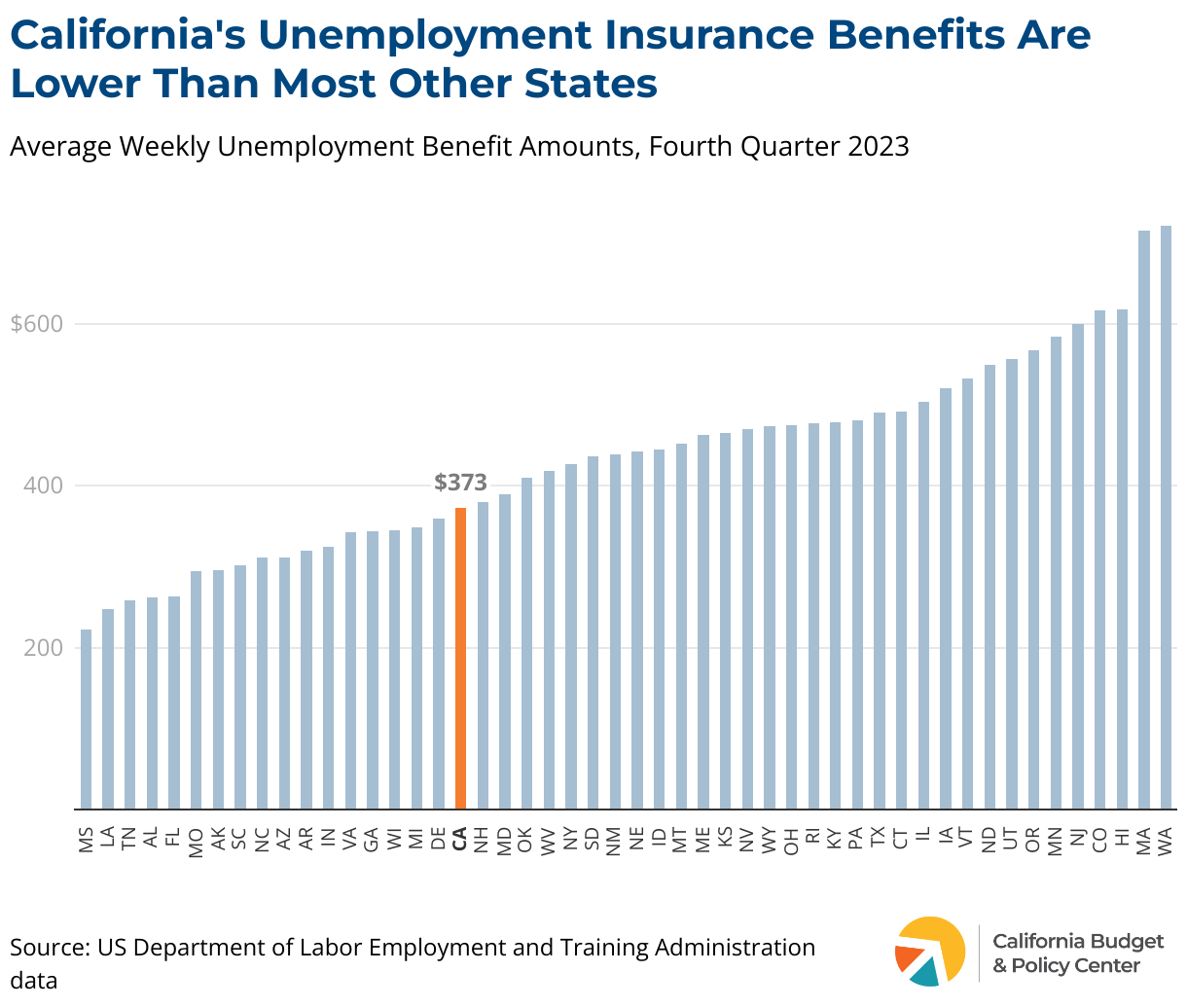
Your WBA is calculated as 1/26th of your highest-earning quarter’s wages, up to a maximum weekly amount. For instance, if your highest earning quarter yielded $13,000 in wages, your WBA would be $500 ($13,000 / 26). It’s important to note that California has statutory maximums for the WBA. As of recent updates, this maximum benefit amount has been adjusted, but historically it has hovered around several hundred dollars per week. The exact maximum is subject to legislative changes, so it’s always best to consult the official EDD website for the most current figures. Factors such as the total wages earned in your highest quarter and the overall wage base limit set by the state play a significant role in determining this amount. The system is designed to provide a substantial portion of your previous income, though it rarely replaces it entirely.
Maximum and Minimum Benefit Payments
While the calculation method is standardized, there are both maximum and minimum benefit payment thresholds. The maximum WBA is capped to prevent excessive payouts, ensuring the sustainability of the UI fund. Conversely, there’s also a minimum WBA. To be eligible for any benefits, you must have earned a minimum amount of wages during your base period. If your earnings are too low, even if you meet other eligibility criteria, you may not qualify for benefits or may receive a very minimal weekly payment. This minimum threshold ensures that the program primarily supports individuals who have a demonstrable attachment to the workforce.
Duration of Unemployment Benefits in California
Beyond the weekly amount, the duration for which you can receive unemployment benefits is another critical aspect. Understanding these time limits is essential for financial planning during a period of joblessness.
Standard Benefit Duration
Typically, unemployment benefits in California can be received for a maximum of 26 weeks. This 26-week period is designed to provide a substantial safety net, offering individuals a significant window to find new employment. However, this duration is contingent upon your continued eligibility. You must actively search for work, be available for work, and report your earnings and any job offers received to the EDD. Failure to meet these requirements can lead to the suspension or termination of your benefits. The EDD mandates weekly or bi-weekly certifications where you attest to your job search activities and availability.
Extensions and Special Programs
In times of economic downturn or significant unemployment, the federal and state governments may enact extensions to the standard benefit duration. These extensions, often referred to as Extended Benefits (EB) or Pandemic Unemployment Assistance (PUA) in specific contexts like the recent pandemic, can provide additional weeks of support beyond the initial 26. The availability and duration of these extensions are dependent on economic conditions and legislative action. For example, during severe recessions, the federal government might allow for extended benefit periods to be triggered, providing relief for longer durations. It’s vital to stay informed about potential extensions through official EDD communications and reputable news sources, as these programs can significantly alter the financial outlook for unemployed individuals. These special programs are usually tied to specific economic indicators and are not always available.
Factors Affecting Eligibility and Benefit Payouts
While the calculation of your WBA and the duration of benefits are primary concerns, several other factors can influence your eligibility and the actual amount you receive. These nuances are important to understand to avoid any unexpected issues with your claim.
Qualifying Reasons for Separation
The reason for your job separation is paramount to your eligibility. To qualify for unemployment benefits, you must have lost your job through no fault of your own. This generally includes layoffs due to company downsizing, business closures, or lack of work. If you quit your job, you typically won’t be eligible unless you had “good cause” to leave, such as unsafe working conditions or significant changes to your employment terms. Similarly, if you were fired for misconduct, such as repeated tardiness or violation of company policy, your claim will likely be denied. The EDD will investigate the circumstances of your separation, often requesting information from both the claimant and the former employer.
Earnings and Reporting Requirements
Accurate reporting of any earnings obtained during your period of unemployment is mandatory. Even if you are working part-time or on a freelance basis, these earnings must be reported to the EDD for the weeks in which they were earned. Failing to report earnings can result in penalties, including repayment of benefits and potential disqualification from future benefits. The EDD uses these reported earnings to adjust your weekly benefit payment. If you earn income above a certain threshold, your benefits for that week may be reduced or eliminated. For instance, if you earn more than 30% of your WBA in a given week, your payment for that week will be reduced by the amount you earned over that threshold. This system encourages individuals to take on part-time work while actively seeking full-time employment.
Appeals Process for Denied Claims
If your initial claim for unemployment benefits is denied, you have the right to appeal the decision. The appeals process allows you to present your case and provide further documentation or evidence that supports your eligibility. The EDD has a formal appeals process, and understanding the steps involved is crucial. This typically begins with filing an appeal within a specified timeframe after receiving the denial notice. A hearing may be scheduled where you can present your argument, and a decision will be made by an administrative law judge. Navigating this process can be complex, and gathering all relevant documentation and understanding the EDD’s regulations are key to a successful appeal. The outcome of an appeal can directly determine whether you receive unemployment benefits and for how long.
In conclusion, understanding the mechanics of unemployment payments in California is a vital step for anyone facing job loss. The Weekly Benefit Amount, determined by past earnings, offers a crucial financial bridge, while the duration of these benefits, typically 26 weeks, provides a window for recovery. Awareness of eligibility criteria, the importance of accurate reporting, and the possibility of benefit extensions are essential for maximizing support during this challenging period. The Employment Development Department serves as the primary resource for navigating these complexities, offering guidance and information to help Californians through their unemployment journey.