
Texas, a state renowned for its vast landscapes, rich history, and vibrant culture, also boasts an angler’s paradise. From the shimmering waters of the Gulf Coast to the serene lakes nestled in the Piney Woods, the Lone Star State offers diverse fishing opportunities. However, before you cast your line, understanding the requirements for a fishing license is paramount. This guide will navigate you through the cost, types, and essential information surrounding fishing licenses in Texas, ensuring your angling adventures are both enjoyable and legal.
The Texas Parks and Wildlife Department (TPWD) oversees all fishing regulations in the state, ensuring the sustainability of its aquatic resources for generations to come. Obtaining a fishing license is a straightforward process, and the fees vary depending on residency, duration of the license, and the specific type of fishing you intend to do. Whether you’re a seasoned angler planning a week-long trip to Lake Fork or a casual visitor hoping to catch a few redfish on the Galveston Island coast, there’s a license option to suit your needs.
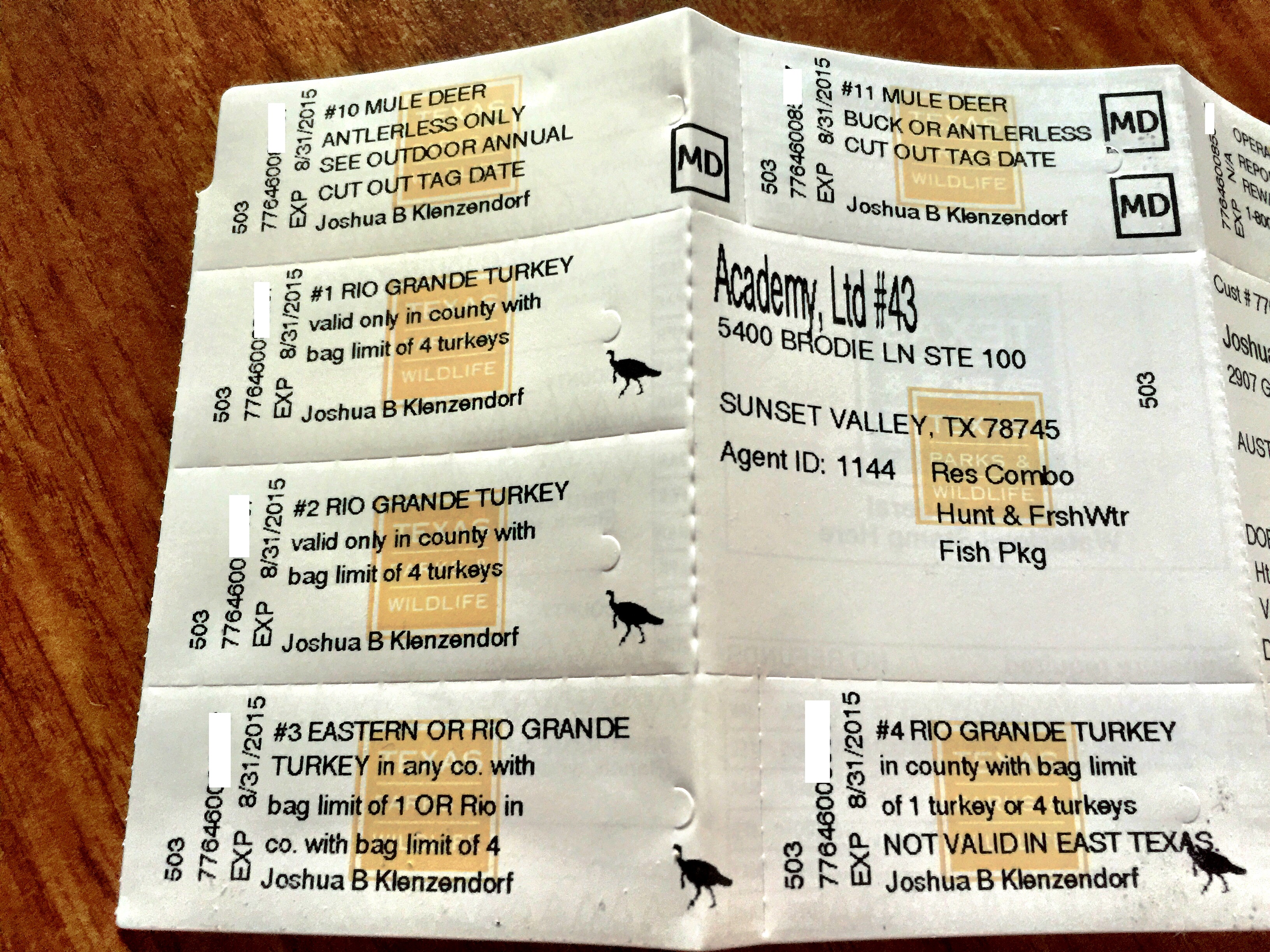
Understanding Texas Fishing License Options and Costs
Navigating the various Texas fishing license options can seem daunting at first, but it’s designed to cater to a wide spectrum of anglers. The TPWD offers a comprehensive range of licenses, from short-term permits for tourists to annual endorsements for dedicated residents. The cost of these licenses is a crucial factor for any angler budgeting their trip. It’s important to note that all funds generated from license sales are reinvested back into conservation efforts, habitat restoration, and wildlife management programs across Texas.
Resident Licenses: For the Texas Angler
For Texas residents, there are several annual license options that offer the best value for frequent fishing. The most common is the Texas Annual Resident Fishing License, which typically costs around $30. This license is valid for one year from the date of purchase and allows you to fish in all public waters in Texas, with certain exceptions and endorsements.
Beyond the general annual license, residents can opt for specialized endorsements that might be necessary depending on the type of fish they’re targeting or the location they’re fishing. For instance, if you plan to fish in saltwater, you’ll need a Saltwater Angler’s Endorsement. The cost for this endorsement is usually around $10. This endorsement, when combined with a resident fishing license, permits you to fish in the salt waters of Texas.
For those interested in the thrill of catching migratory game fish like striped bass, largemouth bass, and catfish, a Freshwater Fishing Stamp might be required. This stamp typically costs around $5 and is added to your resident fishing license. It’s a small price to pay for access to some of the state’s most sought-after freshwater species.
A comprehensive option for Texas residents is the Texas Annual Resident Fishing Package, often priced around $60. This package typically includes the basic resident fishing license, the saltwater endorsement, and the freshwater fishing stamp, providing the broadest coverage for a year of fishing across the state. This is an excellent value for anglers who enjoy both freshwater and saltwater environments.
There are also specialized licenses for seniors and disabled veterans, offering discounted rates. For example, a Senior Fishing License for residents 65 years or older is usually around $15, offering significant savings. Similarly, disabled veterans may qualify for reduced-price licenses. These programs reflect Texas’s commitment to ensuring everyone can enjoy the outdoors.
Non-Resident Licenses: For Visitors to Texas
Visitors to Texas will find a variety of license options designed for shorter stays. These licenses are generally more expensive than resident licenses, reflecting the state’s priority in serving its own citizens.
For a brief fishing excursion, a 1-Day Non-Resident Fishing License is available and typically costs around $15. This is a good option for tourists who might spend a day or two fishing at a popular spot like [Lake Buchanan](https://lifeoutofthebox.com/lake- આ Buchanan) or trying their luck in the Corpus Christi bay.
If your trip is longer, a 3-Day Non-Resident Fishing License offers better value and is usually priced around $30. This allows for a more extended period of fishing without the need to purchase multiple daily licenses.
For visitors planning a week-long fishing vacation, a 30-Day Non-Resident Fishing License is a practical choice, costing approximately $60. This license provides comprehensive coverage for an extended stay, making it ideal for those planning a deep dive into Texas’s angling opportunities.
Finally, there’s the Annual Non-Resident Fishing License, which costs around $110. This is the most expensive option but offers the greatest flexibility for non-residents who plan to visit Texas multiple times throughout the year for fishing or who intend to spend a significant amount of time engaged in the sport.
Special Licenses and Endorsements
Beyond the standard resident and non-resident licenses, Texas offers several special licenses and endorsements that cater to specific fishing needs.
The All-Water Combination License (both resident and non-resident versions available) includes resident hunting and fishing privileges, making it a cost-effective option for those who enjoy both pursuits. The price varies for residents and non-residents.
For those targeting specific game fish, certain endorsements are mandatory. For example, the Trout Stamp, costing around $10, is required when fishing for rainbow trout in certain waters where trout stocking programs are in place, such as parts of the Texas Hill Country.
Anglers looking to fish in specific areas like the Guadalupe River for rainbow trout will need to ensure they have the correct endorsements. It’s always advisable to check the TPWD regulations for the specific body of water you plan to fish in.
A unique offering is the Rio Grande Wild Turkey Stamp, which is a hunting stamp, but it’s worth mentioning as part of the broader licensing structure. It’s important to differentiate between hunting and fishing licenses.
For those planning to fish from a boat, some regulations might apply, but generally, a valid fishing license for the individual is sufficient. However, understanding the regulations for specific types of fishing, like trotlining or using nets, is crucial and can often be found detailed on the TPWD website.
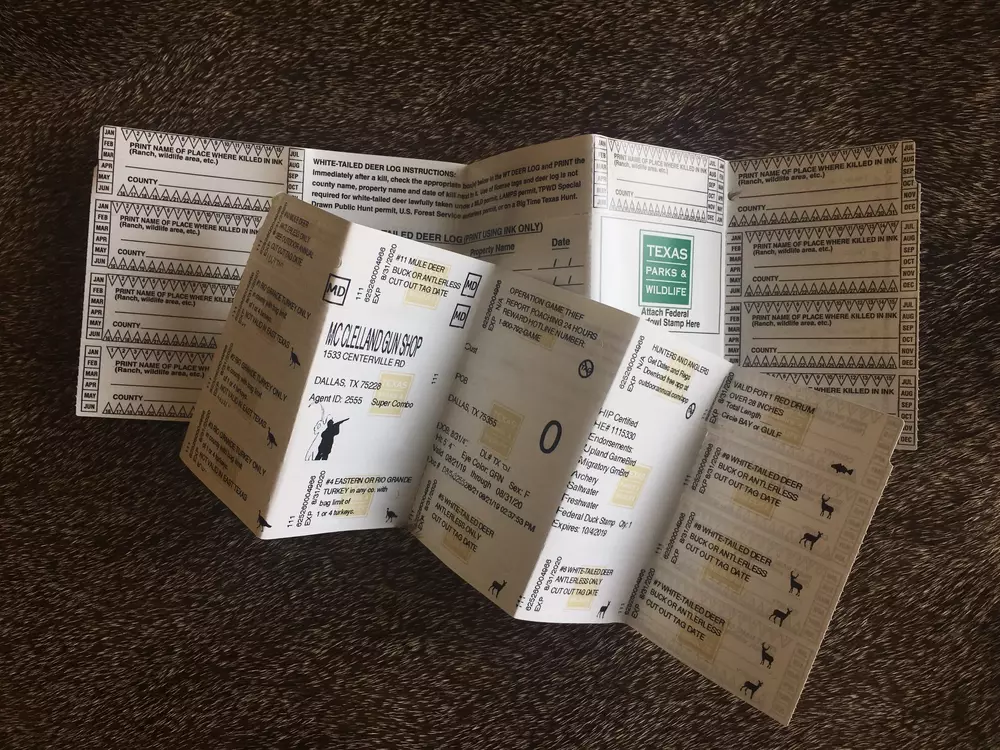
Where to Purchase Your Texas Fishing License
Acquiring a Texas fishing license is a straightforward process, with multiple convenient options available to anglers. The Texas Parks and Wildlife Department (TPWD) has ensured that obtaining the necessary permits is as hassle-free as possible, allowing you to spend more time on the water and less time on paperwork.
Online Purchase: The Quickest Route
The most convenient and often the quickest way to buy a Texas fishing license is through the official TPWD website. The website is user-friendly, allowing you to browse through the different license types, select the one that best suits your needs, and complete the purchase securely online. You can print your license immediately or save it digitally to your smartphone. This method is ideal for last-minute purchases or for those who prefer the ease of online transactions.
In-Person Purchase: Local Access Points
For those who prefer to purchase their license in person, or who may not have access to a printer or a smartphone, Texas offers a vast network of authorized license vendors. These include:
- Sporting Goods Stores: Major retailers like Academy Sports + Outdoors and smaller local tackle shops are common places to buy fishing licenses.
- Walmart Stores: Many Walmart locations across Texas are authorized to sell TPWD fishing licenses.
- County and City Offices: Some county tax assessor-collector offices and city halls also serve as license vendors.
- TPWD Law Enforcement Offices: In some instances, TPWD regional offices may also sell licenses.
When purchasing in person, it’s advisable to have a form of identification ready. The vendor will guide you through the process and provide you with your physical license. This method allows for immediate access to your license and the opportunity to ask any last-minute questions about regulations.
Mail-In or Phone Orders: Less Common Options
While less common and generally slower, it might be possible to order licenses via mail or phone through specific TPWD channels, especially for special circumstances or bulk purchases. However, for individual anglers, the online or in-person options are significantly more efficient and recommended.
Essential Information for Texas Anglers
Beyond the cost and purchase of your fishing license, there are several other vital pieces of information every angler in Texas should be aware of to ensure a responsible and enjoyable fishing experience. Understanding bag limits, size restrictions, and fishing regulations is as crucial as having the proper license.
Bag Limits and Size Restrictions
The TPWD sets specific bag limits and size restrictions for various fish species to manage populations and ensure the long-term health of aquatic ecosystems. These regulations vary by species and sometimes even by body of water. For example, the limit for largemouth bass in Lake Fork might differ from the limits in other lakes.
- Bag Limit: This refers to the maximum number of a particular species you can legally keep in a single day.
- Size Restriction: This dictates the minimum length a fish must be to be kept. Fish caught that are smaller than the legal size must be released back into the water immediately.
It is imperative to familiarize yourself with the current regulations for the species you intend to fish for. This information is readily available on the TPWD website, in their annual Outdoor Annual publication, and often posted at public access points for fishing. Ignorance of these rules is not an excuse, and violations can result in fines.
Special Regulations and Areas
Certain bodies of water or specific fishing methods may have special regulations that supersede general rules. For instance, some lakes might have catch-and-release only policies for certain species or at certain times of the year. Areas near dams, spillways, or wildlife refuges might also have restricted fishing access or specific rules.
The Texas Saltwater Regulations are particularly detailed, given the diverse marine life in the Gulf of Mexico and its associated bays and estuaries. Specific rules apply to species like red drum, speckled trout, and flounder, with variations between the upper, middle, and lower coast.
If you plan to fish in or near areas like Padre Island National Seashore, it’s essential to check for any specific park regulations that might be in addition to state rules.
Youth Fishing Opportunities
Texas is committed to encouraging youth participation in fishing. Many license exemptions and special programs exist for young anglers. Generally, individuals under the age of 17 do not need a fishing license to fish in Texas public waters. This is a fantastic way to introduce children to the joys of fishing without the added cost. However, they are still subject to all bag limits and size restrictions. The TPWD also promotes various youth fishing events and clinics across the state, often held at popular fishing destinations like San Angelo State Park.

Understanding When You Need a License
A fishing license is generally required for anyone 17 years of age or older to fish in public waters in Texas. This includes fishing from piers, jetties, and shorelines. If you are fishing on private property with the landowner’s permission, a license is usually not required, unless the property is designated as a public fishing area. It is always best to err on the side of caution and purchase a license if you are in doubt. The license must be carried on your person while fishing and must be presented to a law enforcement officer upon request.
In conclusion, while the question “How Much Fishing License In Texas?” is a practical one, the answer involves understanding the various options available. From the cost-effective annual resident licenses to short-term permits for visitors, and the crucial need to adhere to regulations like bag limits and size restrictions, being prepared is key to a fulfilling fishing trip. Texas offers an abundance of opportunities for anglers of all levels, and with the right license and knowledge, you can experience the best of what its waters have to offer. Remember, your license purchase directly contributes to the conservation of these precious natural resources, ensuring that Texas remains a premier destination for anglers for years to come.