
Texas, a state renowned for its vast landscapes, rich history, and vibrant culture, also boasts some of the finest freshwater and saltwater fishing opportunities in the country. Whether you’re casting a line in the sprawling Gulf of Mexico for redfish and speckled trout, or seeking largemouth bass in the tranquil lakes dotted across the Hill Country, a valid fishing license is your essential ticket to enjoying these aquatic adventures. Understanding the costs and types of licenses available is crucial for any angler planning a trip to the Lone Star State. This comprehensive guide will delve into the details, ensuring you’re fully prepared for your Texas fishing expedition, whether it’s a casual day trip or an extended exploration of its diverse fishing grounds.
Understanding Texas Fishing License Requirements
The Texas Parks and Wildlife Department (TPWD) is the governing body responsible for issuing fishing licenses and managing the state’s natural resources. Their primary goal is to ensure the sustainability of fish populations for future generations while providing regulations that promote fair and enjoyable fishing for everyone. For most individuals aged 17 and older, a fishing license is mandatory to legally fish in public waters. However, there are specific circumstances and exemptions that are important to be aware of.
Who Needs a Texas Fishing License?
Generally, any resident or non-resident aged 17 or older must possess a valid Texas fishing license to fish in public waters. This includes fishing from a pier, bank, or boat. Certain exemptions exist, such as:
- Youth Under 17: Individuals under the age of 17 are not required to have a fishing license. This allows younger anglers to experience the joy of fishing without the immediate cost.
- Active Duty Military: Active duty members of the U.S. armed forces who are Texas residents stationed elsewhere can obtain a resident hunting and fishing license at a reduced fee. Similarly, residents on active duty who are home on leave for 30 days or less are exempt from needing a license.
- Residents With Disabilities: Certain residents with disabilities may be eligible for discounted licenses.
- Annual Free Fishing Day: Texas typically designates one Saturday in June as an annual free fishing day. On this specific day, no fishing license is required for anyone, resident or non-resident, to fish in public waters. This is an excellent opportunity for beginners to try fishing or for experienced anglers to introduce friends and family to the sport.
It is crucial to remember that while a license may exempt you from certain requirements, bag limits, size restrictions, and closed seasons still apply to all anglers, regardless of license status. Always consult the latest TPWD regulations for the most up-to-date information.
Different Types of Texas Fishing Licenses
Texas offers a diverse range of fishing licenses to cater to the varying needs of anglers. The choice of license often depends on your residency status, the duration of your stay, and the types of water you plan to fish.
Resident Licenses
For Texas residents, several options are available, offering flexibility and cost-effectiveness for regular anglers.
- Annual Resident Fishing License: This is the most common license for Texas residents who plan to fish throughout the year. It covers fishing in all public waters, both freshwater and saltwater. The cost is generally affordable, making it a practical choice for most local anglers.
- Resident Freshwater Fishing Stamp: While the annual resident fishing license covers both, some anglers might opt for a freshwater-only license if they exclusively fish inland. However, the general annual license is usually the most comprehensive and cost-effective.
- Resident Saltwater Fishing Stamp: Similarly, if an angler primarily fishes in the coastal waters of the Gulf of Mexico, a saltwater stamp might be considered. Again, the annual license typically includes this.
- Pearl Hand 3-Year Resident Fishing License: For the dedicated angler, a three-year license offers convenience and can provide a slight cost saving over purchasing three individual annual licenses.
- Senior Citizen All-Water Fishing License: Texas residents aged 65 or older can purchase a special resident lifetime fishing license at a significantly reduced price. This is a fantastic benefit for seniors who wish to continue enjoying their passion for fishing throughout their retirement years.
- Youth All-Water Fishing License: While children under 17 don’t need a license, a youth license is available for those aged 17-19, offering a discounted rate for younger adults.
Non-Resident Licenses
For visitors and anglers from out of state, Texas provides several options to enjoy its fishing waters. These licenses are generally more expensive than resident licenses.
- Annual Non-Resident Fishing License: This license allows non-residents to fish in all public waters in Texas for one year. It’s a good option for those who plan multiple fishing trips to the state within a 12-month period.
- 1-Day Non-Resident Fishing License: For short trips or occasional visits, a one-day license is a cost-effective solution. This is perfect for tourists who want to spend a single day fishing at a popular spot like Lake Fork or along the coast.
- 5-Day Non-Resident Fishing License: This option offers a bit more flexibility than the one-day license, allowing for several days of fishing without the commitment of an annual license. It’s ideal for vacationers spending a long weekend or a short week fishing in Texas.
- Non-Resident Freshwater Fishing Stamp: Similar to resident licenses, specific stamps might be available, but the general non-resident license usually covers all waters.
- Non-Resident Saltwater Fishing Stamp: For coastal fishing enthusiasts, a saltwater stamp is part of the comprehensive license.
Special Licenses and Endorsements
Beyond the general fishing licenses, Texas offers specialized licenses and endorsements for specific types of fishing or for certain species.
- Saltwater Endorsement: If you purchase a freshwater-only fishing license, you will need to acquire a saltwater endorsement to fish in the Gulf of Mexico and bay systems. The annual resident saltwater endorsement is a separate, lower-cost purchase compared to a full all-water license.
- All-Water Fishing License: This type of license, available for both residents and non-residents, permits fishing in both freshwater and saltwater environments without the need for separate endorsements. It’s the most comprehensive option.
- Special Licenses for Specific Activities: For instance, some specialized permits might be required for certain types of fishing gear or for fishing in specific wildlife management areas. It’s always advisable to check the TPWD website for any additional requirements related to your intended fishing activity.
Determining the Cost of Your Texas Fishing License
The exact cost of a Texas fishing license can fluctuate slightly year to year due to legislative changes or adjusted fees. However, the general price ranges provide a clear indication of the investment required for your angling adventures. It’s always best to check the official Texas Parks and Wildlife Department website for the most current pricing before making your purchase.
Resident License Fees (Approximate)
- Annual Resident Fishing License: Typically falls in the range of $25 to $30.
- Pearl Hand 3-Year Resident Fishing License: Offers a bundled discount, making it more economical for long-term use.
- Senior Citizen All-Water Fishing License: A lifetime license for residents 65 and older, often priced at a nominal fee, perhaps around $5 to $10, reflecting a significant discount.
- Resident Saltwater Endorsement: If purchasing a freshwater-only license, this endorsement is an additional cost, usually around $10 to $15.
Non-Resident License Fees (Approximate)
- Annual Non-Resident Fishing License: Can range from $50 to $65.
- 1-Day Non-Resident Fishing License: Typically costs between $12 and $17.
- 5-Day Non-Resident Fishing License: Usually priced around $30 to $40.
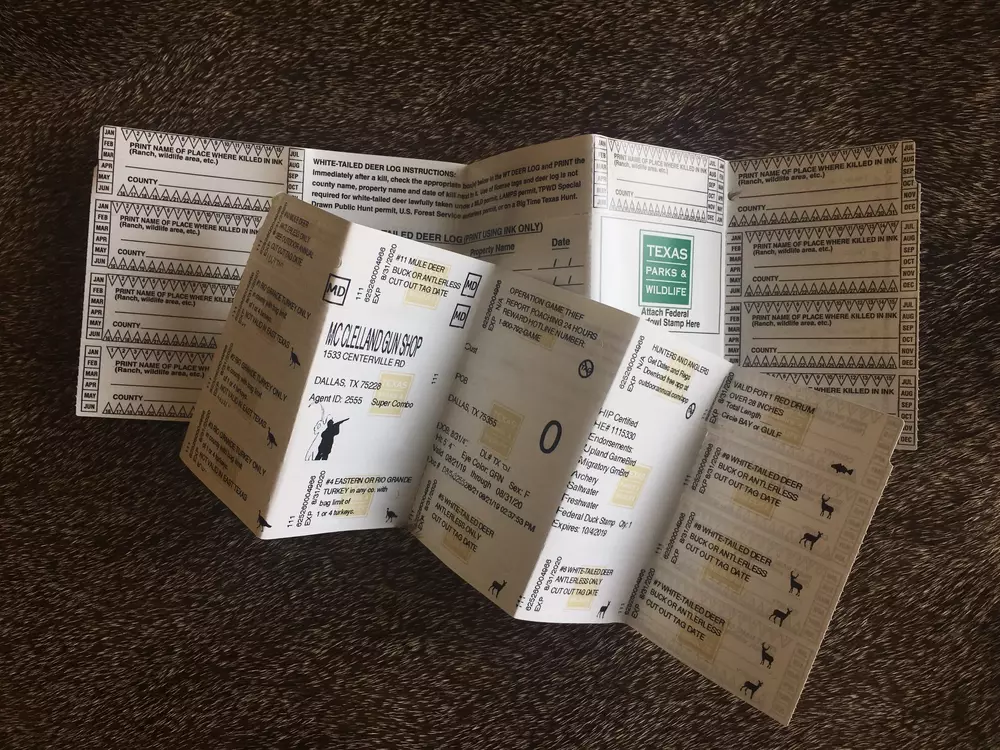
Please note: These are approximate figures. For the most accurate and up-to-date pricing, always refer to the official TPWD website.
Where to Purchase Your Texas Fishing License
Acquiring a Texas fishing license is a straightforward process with several convenient options available. The Texas Parks and Wildlife Department has made it easy for both residents and visitors to obtain their licenses quickly and efficiently.
Online Purchase
The most convenient method is to purchase your license online through the official TPWD website. This allows you to browse different license options, select the one that best suits your needs, and complete the transaction from the comfort of your home or accommodation, whether you’re staying at a luxurious JW Marriott San Antonio Hill Country Resort & Spa or a cozy cabin near Lake Buchanan. You can print your license immediately or have it available digitally on your smartphone.
In-Person Purchases
If you prefer to buy your license in person, you can visit various authorized retailers across the state. These include:
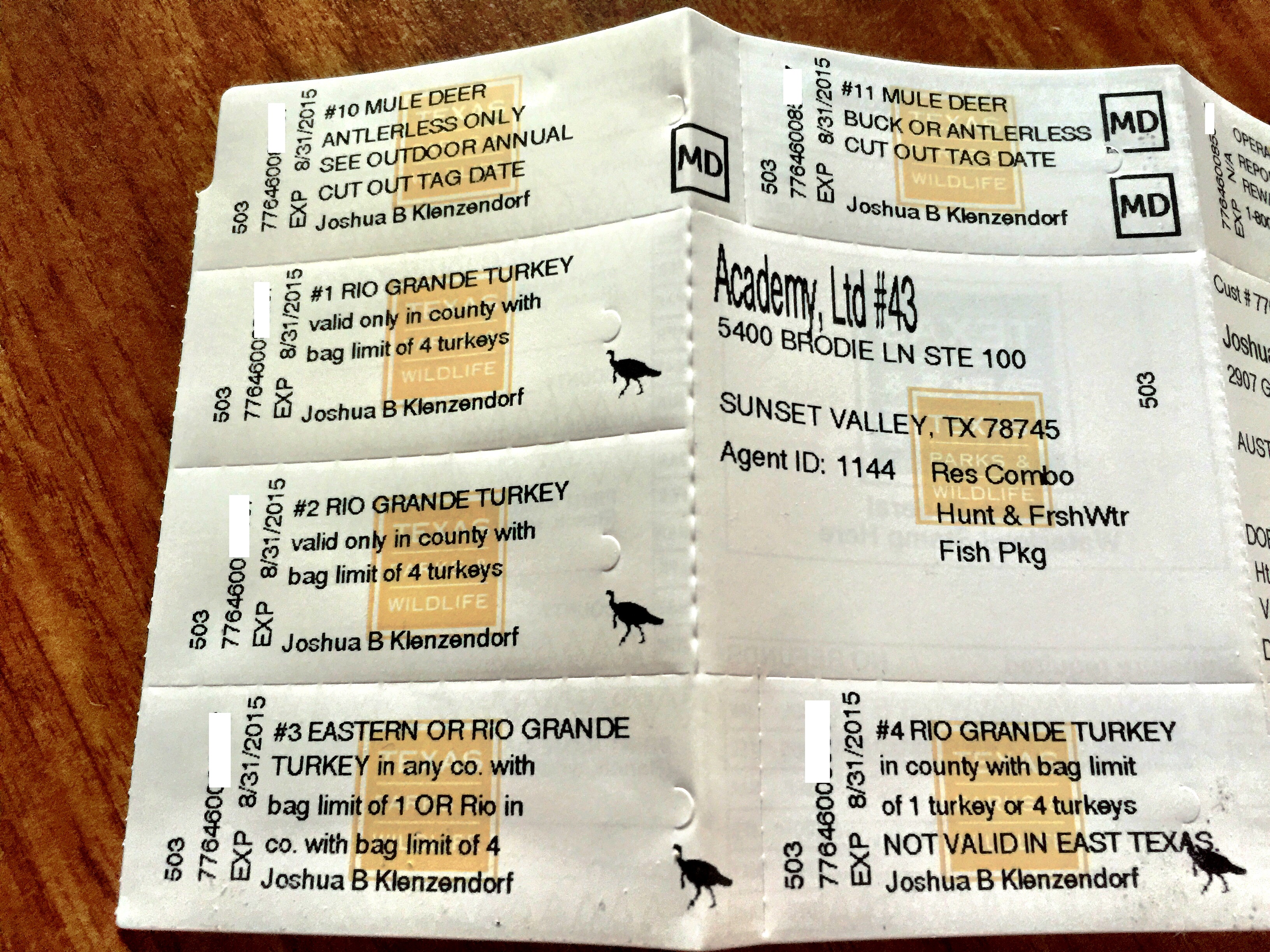
- Sporting Goods Stores: Major retailers like Academy Sports + Outdoors and other local tackle shops are common points of sale.
- Bait and Tackle Shops: Many smaller, independent bait and tackle shops, often located near popular fishing destinations, also sell licenses.
- Walmart Stores: Many Walmart locations throughout Texas are authorized to sell fishing licenses.
- County and City Tax Assessor Offices: Some local government offices also offer fishing licenses.
When purchasing in person, be sure to bring a valid form of identification, especially if you are purchasing a resident license.
TPWD Law Enforcement Offices
You can also purchase fishing licenses directly from some Texas Parks and Wildlife Department (TPWD) law enforcement offices. This can be a good option if you are near a park headquarters or a regional office.
Important Considerations:
- Proof of Residency: To qualify for resident license prices, you will need to provide proof of residency, such as a Texas driver’s license or ID card.
- Age Verification: For senior licenses or youth licenses, proof of age may be required.
- License Validity: Ensure you understand the expiration date of your license. Annual licenses are valid for one year from the date of purchase.
By understanding the requirements, available license types, associated costs, and purchase locations, you can ensure a smooth and legal fishing experience in the diverse waters of Texas, from the piney woods of East Texas to the vast plains of West Texas.
Maximizing Your Texas Fishing Experience
Beyond the essential fishing license, a truly memorable Texas fishing trip involves understanding the local environment, respecting regulations, and embracing the opportunities for exploration. Texas offers an incredible diversity of fishing experiences, catering to every type of angler.
Freshwater Fishing Hotspots
Texas is blessed with numerous lakes and rivers that teem with a variety of freshwater species.
- Largemouth Bass: Renowned for its challenging fight, the largemouth bass is a prized catch in many Texas lakes. Destinations like Lake Fork, Lake Sam Rayburn, and Choke Canyon Reservoir are legendary for their bass fishing. The Texas Freshwater Fisheries Center in Athens provides valuable insights into managing and understanding these populations.
- Catfish: Channel catfish, blue catfish, and flathead catfish can be found in abundance in many Texas rivers and reservoirs, offering great opportunities for anglers of all skill levels. Lake Tawakoni is particularly famous for its catfish.
- Crappie and Sunfish: These smaller but equally enjoyable game fish are plentiful in many Texas waters and are perfect for family outings.
Saltwater Fishing Adventures
The extensive coastline of Texas along the Gulf of Mexico offers world-class saltwater fishing.
- Redfish and Speckled Trout: These popular inshore species are abundant in the bays and estuaries along the Texas coast. Areas around Galveston, Corpus Christi, and Port Aransas are prime locations for anglers targeting these game fish.
- Flounder: During the fall, flounder migrations offer excellent fishing opportunities along the coast.
- Offshore Fishing: For those seeking bigger challenges, charter boats can take you into the deeper waters of the Gulf for species like snapper, king mackerel, and various tuna.

Planning Your Fishing Trip
When planning your Texas fishing adventure, consider the following:
- Best Times to Fish: Understanding seasonal patterns for different species can greatly enhance your success. For example, spring and fall are often prime times for bass and inshore saltwater fishing.
- Local Knowledge: Engaging with local bait shops or fishing guides can provide invaluable tips on current conditions, productive spots, and effective techniques. Many resorts and hotels, such as the Nueces Bay Recreation Area, also offer local insights.
- Regulations: Always familiarize yourself with current bag limits, size restrictions, and any special regulations for the area you plan to fish. These are in place to protect fish populations. The TPWD website is the definitive source for this information.
- Accommodations: Texas offers a wide range of lodging options to suit every angler’s needs, from rustic campgrounds and cabins to luxurious resorts and hotels. Consider staying near your chosen fishing destination for convenience.
By obtaining the correct fishing license and planning thoughtfully, your Texas fishing expedition is sure to be a rewarding and unforgettable experience. The Lone Star State’s abundant waters and diverse aquatic life provide endless possibilities for anglers of all levels.
LifeOutOfTheBox is a participant in the Amazon Services LLC Associates Program, an affiliate advertising program designed to provide a means for sites to earn advertising fees by advertising and linking to Amazon.com. Amazon, the Amazon logo, AmazonSupply, and the AmazonSupply logo are trademarks of Amazon.com, Inc. or its affiliates. As an Amazon Associate we earn affiliate commissions from qualifying purchases.