
Planning a trip to the Sunshine State? Beyond booking your flight to Florida and securing that perfect hotel in Miami or a charming villa in the Florida Keys, understanding the financial nitty-gritty is crucial. One of the most common questions travelers have is about Florida sales tax. This isn’t just a small detail; it can significantly impact your overall travel budget, especially for extended stays or larger purchases. This comprehensive guide will break down Florida sales tax, explaining what it is, how it’s calculated, and what you can expect to pay across this vibrant state.
Understanding Florida Sales Tax: The Basics
Florida imposes a state sales tax on most tangible personal property and a variety of services. The primary goal of this tax is to fund state and local government services, contributing to everything from infrastructure and education to public safety and parks. For tourists, this means that almost every purchase, from souvenirs at Disney Springs to a delicious seafood dinner in Key West, will likely have a sales tax added at the point of sale.
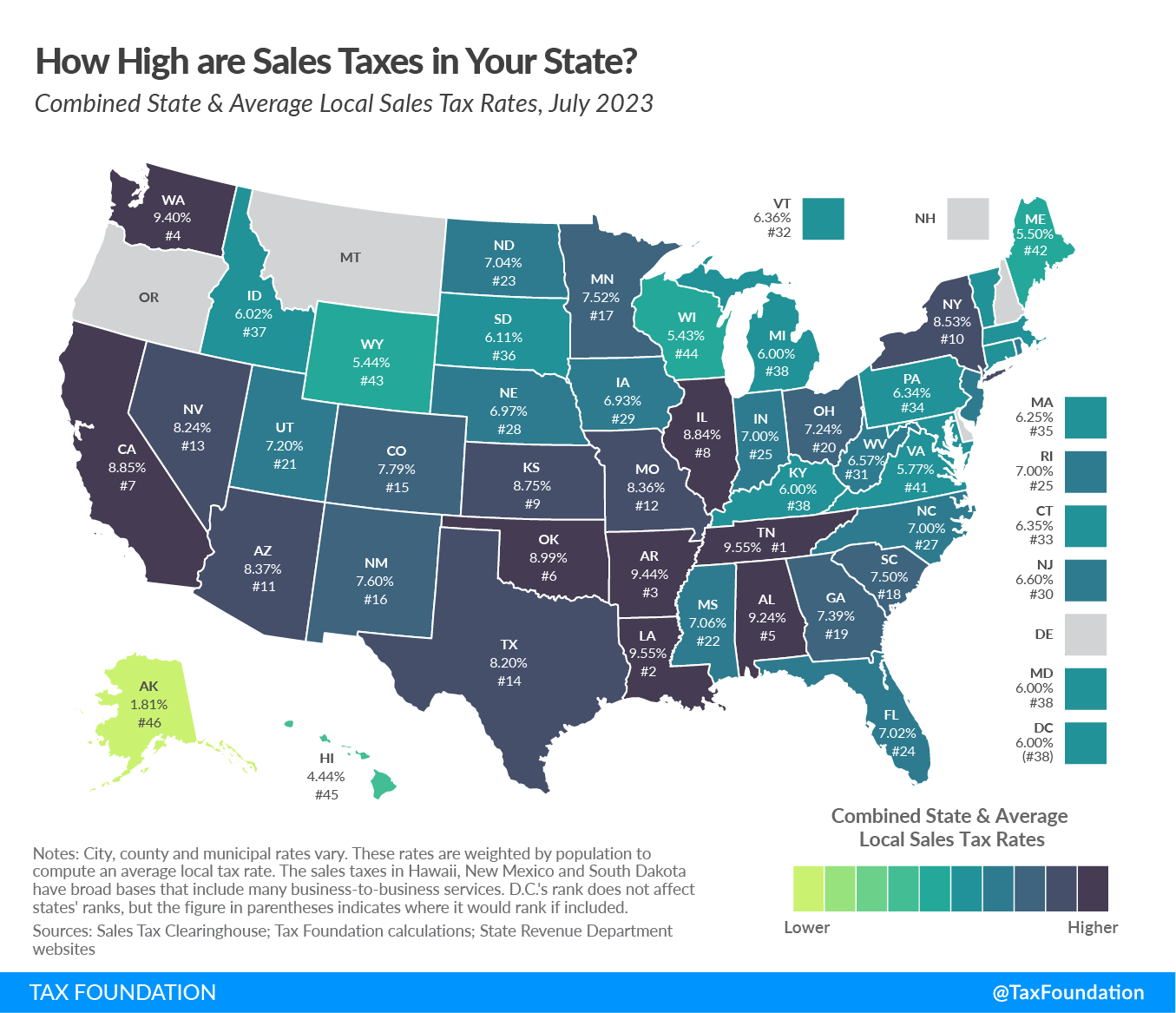
The base state sales tax rate in Florida is currently 6%. However, this is not the final rate you’ll encounter. Local counties and municipalities have the authority to levy additional discretionary sales surtaxes, often referred to as “local option taxes.” These surtaxes vary significantly from county to county, leading to a wide range of total sales tax rates across the state.
State Sales Tax Rate
The state sales tax rate is a foundational 6% applied to taxable goods and services statewide. This rate is fixed by the Florida Legislature and applies uniformly to every transaction across Florida. Understanding this base rate is the first step in calculating your total tax burden.
Local Option Taxes: The Variable Factor
This is where the real complexity of Florida sales tax comes into play. Each of Florida‘s 67 counties can impose its own local option sales taxes. These surtaxes are designed to provide local governments with a flexible revenue stream to fund specific projects or general services. The rates for these local option taxes can range from 0.5% to 2.5%, depending on the county and sometimes even the specific municipality within that county.
For example, a tourist purchasing a new surfboard in Jacksonville might pay a different total sales tax rate than someone buying the same surfboard in Tampa. This variation is critical for travelers planning a multi-city itinerary or making significant purchases.
Florida law allows counties to levy up to 1% for transportation projects, up to 1% for criminal justice and public safety initiatives, and up to 0.5% for school capital outlay projects. Some counties have authorized additional discretionary sales surtaxes. The combination of these can lead to a total sales tax rate that is considerably higher than the base 6%.
It is important to note that certain exemptions and specific tax rates apply to different categories of goods and services. For instance, while most services are taxable, there are exceptions. Similarly, certain essential goods may be exempt or taxed at a lower rate. Always check the current Florida Department of Revenue guidelines for the most up-to-date information.
Navigating Sales Tax on Accommodation and Travel Expenses
When you’re planning your stay, whether it’s a luxurious suite at the Fontainebleau Miami Beach or a cozy apartment rental through platforms like Airbnb, understanding how sales tax applies to accommodation is essential. This also extends to other travel-related expenses that contribute to your overall vacation cost.
Taxes on Hotels and Short-Term Rentals
Hotels, motels, resorts, and other forms of short-term lodging in Florida are subject to both state sales tax and local option taxes. In addition to sales tax, these establishments also typically charge a “resort tax” or “tourist development tax” which is levied by the county or municipality to fund local tourism initiatives and infrastructure.
The sales tax rate on lodging is calculated based on the total price of the room or rental. This means that for a five-night stay at a Disney Resort hotel, the sales tax will be applied to the cumulative cost of those nights. The total tax rate for lodging can therefore be a combination of the state sales tax, local option sales tax, and the tourist development tax. These combined rates can often reach as high as 12% or more in popular tourist destinations.
For example, if you book a room at the Grand Hyatt Hotel in Orlando, you will pay the state sales tax, a local option tax specific to Orange County, and potentially a tourist development tax, depending on the county’s ordinances.
When booking through platforms like Booking.com or directly with hotels, the quoted price will usually not include these taxes. It’s always advisable to look for a detailed breakdown of charges before confirming your reservation. For long-term stays, different rules might apply, and it’s worth investigating specific tax regulations for rentals exceeding a certain duration, often 30 days, which may be subject to different tax structures.
Sales Tax on Attractions and Experiences
Florida is renowned for its world-class attractions, from the thrilling roller coasters at Universal Orlando Resort to the serene beauty of Everglades National Park. When purchasing tickets for theme parks, museums, tours, or other entertainment experiences, you will generally pay the applicable state and local sales taxes.
The sales tax on admission tickets to attractions is levied on the ticket price itself. So, if you’re buying tickets to SeaWorld Orlando or a guided tour of St. Augustine, the advertised price will likely have sales tax added at checkout. These taxes help fund the infrastructure and services that support these popular tourist destinations.
Similarly, guided tours, boat trips in the Florida Keys, and adventure activities will also be subject to sales tax. When you’re exploring the vibrant street art in Wynwood or taking a dolphin-watching tour off the coast of Sarasota, expect to see sales tax applied to the cost of these experiences.
Food and Dining
Dining out is a significant part of the Florida travel experience, from casual beachfront cafes in Clearwater to upscale restaurants in Palm Beach. The sales tax on food and beverages in Florida can be a bit nuanced.
Prepared food and beverages sold by restaurants, caterers, and food service establishments are generally subject to sales tax. This includes meals, snacks, sodas, and alcoholic beverages. The tax is calculated on the total bill, including any service charges that are considered part of the price of the food or drink.
However, most grocery store items intended for consumption at home are exempt from sales tax. This distinction is important for budget travelers who might opt for self-catering options. When you’re grabbing a quick bite at a fast-food restaurant or enjoying a leisurely dinner overlooking the ocean in Fort Lauderdale, the sales tax will be added to your bill.
Common Sales Tax Exemptions and Special Rates in Florida
While Florida sales tax applies to a broad range of goods and services, there are specific exemptions and special tax rates that can affect your spending. Understanding these can help you make informed purchasing decisions and potentially save money during your visit.
Exempt Goods and Services
Several categories of goods and services are exempt from Florida sales tax. These are often implemented to ease the burden on consumers for essential items or to promote certain industries.
- Groceries: As mentioned earlier, most food items purchased from grocery stores for consumption at home are exempt from sales tax. This does not include prepared foods, hot foods, or food and beverages sold in restaurants.
- Prescription Medications: Medicines sold by prescription are generally exempt from sales tax.
- Most Services: While some services are taxable (like repair services, cleaning services, and certain professional services), many personal services like domestic labor, legal services, and educational services are exempt.
- Certain Manufacturing and Agricultural Equipment: To encourage economic development, specialized equipment used in manufacturing and agriculture may be exempt.
- Newspapers and Magazines: Generally, subscriptions to newspapers and magazines are exempt.
Special Tax Rates
Beyond the standard sales tax, Florida also has special tax rates for certain items, most notably gasoline.
- Gasoline: Florida levies a state excise tax on gasoline, which is separate from the state sales tax. However, sales tax is not charged on the state excise tax portion of the gasoline price. The combined rate effectively means you pay sales tax on the base price of gasoline. Given that Florida is a popular road trip destination, understanding the cost of fuel is crucial for budgeting.
Tax on Used Cars and Tangible Personal Property
When purchasing tangible personal property, including vehicles, the sales tax applies. For used cars purchased from a dealer, sales tax is calculated on the purchase price. If you buy a used car privately, you’ll pay the sales tax when you register the vehicle with the Florida Department of Highway Safety and Motor Vehicles. The rate applied will be the state sales tax plus any applicable local option taxes for the county where you register the vehicle.
Calculating Your Florida Sales Tax Burden
Knowing the different rates and exemptions is one thing; applying them to your specific purchases is another. Here’s a simplified approach to estimating your Florida sales tax:
- Identify the Location: Determine the county and city where your purchase or service will occur. This is crucial for identifying the correct local option tax rate.
- Determine the Base Rate: Start with the Florida state sales tax of 6%.
- Add Local Option Taxes: Consult Florida Department of Revenue resources or local government websites to find the specific local option sales tax rate for that county and municipality. This could add anywhere from 0.5% to 2.5% or more.
- Include Tourist Development Taxes (for Lodging): If you are booking accommodation, research the tourist development tax rate for the specific county. This is often an additional percentage added to lodging costs.
- Check for Exemptions: Verify if your purchase or service falls under any of the sales tax exemptions.
Example Calculation:
Let’s say you are purchasing a souvenir worth $100 in Orlando, Orange County, Florida.
- State Sales Tax: 6% of $100 = $6.00
- Orange County Local Option Tax: Typically 1% for transportation and 1% for general infrastructure. Let’s assume a total local option tax of 1.5% for simplicity (rates can vary within counties for different purposes). 1.5% of $100 = $1.50
- Total Sales Tax: $6.00 + $1.50 = $7.50
- Total Cost: $100 (item price) + $7.50 (sales tax) = $107.50
If you were staying in a hotel in Orlando, you would also add the applicable tourist development tax to your lodging bill, further increasing the total cost.
It’s always wise to budget a little extra for sales tax on most transactions. Online retailers and point-of-sale systems will automatically calculate these taxes for you, but having a general understanding will help you better manage your travel finances throughout your Florida adventure. From the theme parks of Orlando to the beaches of South Beach, knowing how much sales tax to expect will enhance your travel planning and overall experience in the magnificent Sunshine State.