
Navigating the landscape of financial assistance can be a crucial aspect of planning a long-term stay, managing a budget-conscious lifestyle, or even considering a relocation within the United States. For those exploring the vast and diverse state of Texas, understanding the available support systems, such as the Supplemental Nutrition Assistance Program (SNAP), commonly known as food stamps, can be invaluable. Whether you’re a long-time resident, contemplating an extended visit, or making Texas your new home, knowing how these programs work can significantly impact your financial stability and overall quality of life. This guide delves into the specifics of Texas food stamp benefits, offering insights into eligibility, application, and how these provisions can support a fulfilling lifestyle amidst the Lone Star State’s unique charm and opportunities.
Understanding the Texas SNAP Program: Your Guide to Food Assistance
The SNAP program in Texas is a federally funded, state-administered initiative designed to help low-income individuals and families purchase nutritious food. It’s a cornerstone of food security, providing a safety net that allows people to meet their basic dietary needs, freeing up other financial resources for housing, transportation, and other essential lifestyle expenditures. For anyone considering the cost of living in various Texas cities, from the bustling metropolis of Houston to the cultural hub of San Antonio, understanding this program is key to budgeting and maintaining a stable lifestyle.
What is SNAP and How Does it Work in Texas?
SNAP, often referred to as food stamps, is a vital program managed by the Texas Health and Human Services Commission (HHSC). Its primary goal is to supplement the food budget of eligible low-income households, allowing them to buy healthy foods. Instead of physical stamps, recipients receive benefits on an Electronic Benefit Transfer (EBT) card, which functions much like a debit card. This card can be used at most grocery stores and farmers’ markets that accept SNAP payments, offering a discreet and efficient way to purchase food items. The program plays a critical role in the broader lifestyle landscape of Texas, ensuring that individuals and families can maintain nutritional standards, which is fundamental to overall well-being and the ability to engage with community life, educational pursuits, or employment opportunities. By addressing a basic need, SNAP helps residents achieve greater financial flexibility, which can indirectly support other aspects of their lives, from planning local excursions to enhancing their living arrangements.
Key Eligibility Requirements for Texans
Eligibility for SNAP in Texas is determined by several factors, predominantly household income and resources. Understanding these criteria is essential for anyone planning a long-term stay or considering Texas as a place to settle. The requirements are generally consistent with federal guidelines but may have specific state-level nuances:
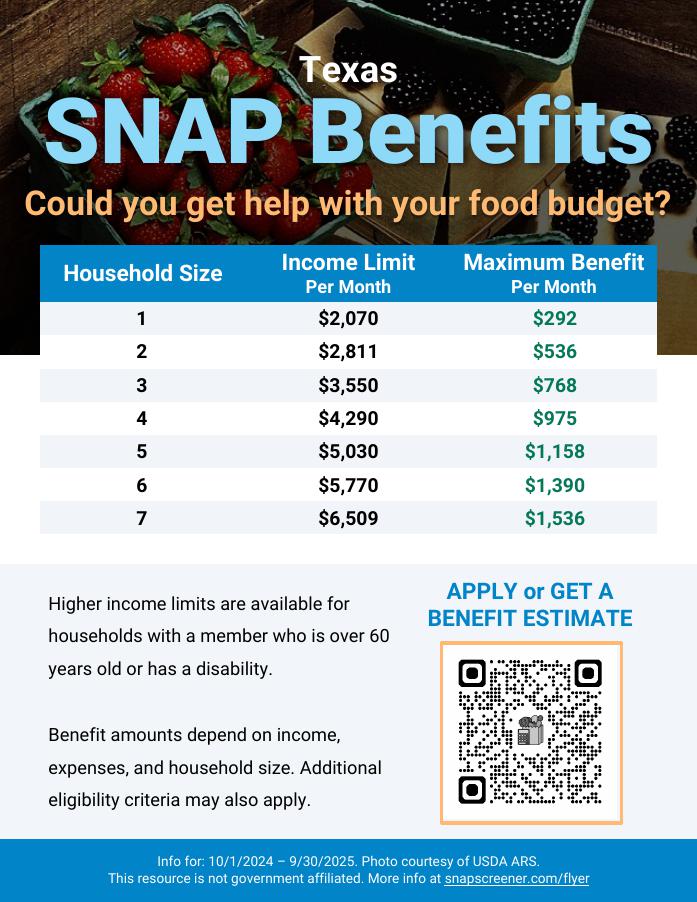
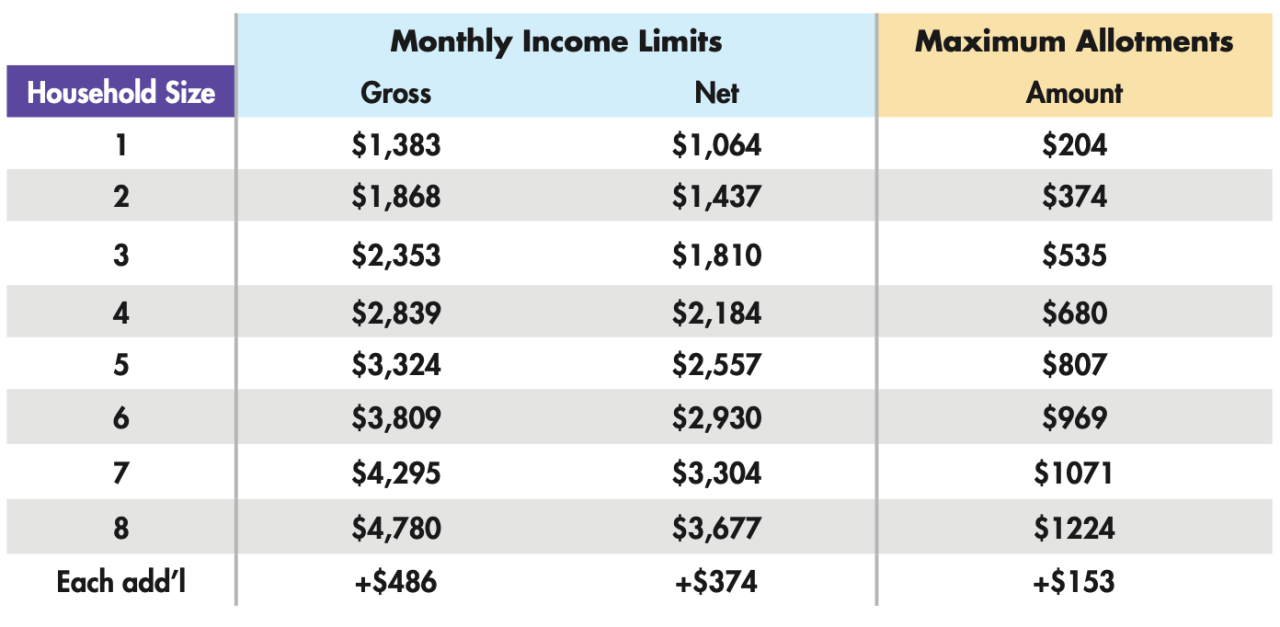
- Income Limits: A household’s gross monthly income (before deductions) must generally be at or below 130% of the federal poverty level. Net income (after certain deductions) must be at or below 100% of the federal poverty level. These figures are subject to change annually and vary based on household size. For instance, a single person will have a different income threshold than a family of four.
- Residency: Applicants must be residents of Texas. This is a straightforward requirement, meaning you must live in the state.
- Citizenship/Immigration Status: Most eligible individuals must be U.S. citizens or legal permanent residents. There are specific rules for non-citizens, and some immigrants may be eligible depending on their status and how long they have lived in the United States.
- Work Requirements: Able-bodied adults without dependents (ABAWDs) may have work requirements, typically needing to work or participate in a work program for at least 20 hours a week to receive benefits for more than three months in a 36-month period. Certain exemptions apply, such as for individuals with disabilities or those caring for a child.
- Resources: While some states have eliminated asset limits, Texas does have a resource limit. Typically, households cannot have more than $5,000 in countable resources, though this limit is higher for households with an elderly or disabled member. Excluded resources often include a home, certain retirement accounts, and a vehicle.
These criteria underscore the program’s focus on assisting those with genuine financial need. For individuals or families evaluating the cost of living and budgeting for accommodations in a major Texas city like Dallas or Austin, meeting these eligibility standards can be a crucial part of ensuring financial viability.
Navigating the Application Process for Texas Food Stamps
The application process for SNAP in Texas is designed to be accessible, reflecting the state’s commitment to supporting its residents. Understanding the steps involved can streamline your experience and help you plan your finances effectively, whether you’re managing a budget for a temporary stay or establishing a new life in the state. The HHSC strives to make the process as straightforward as possible, recognizing the importance of timely assistance.
Step-by-Step: How to Apply for Benefits
Applying for SNAP benefits in Texas can be done through several convenient methods, offering flexibility for applicants:
- Online Application: The most common and often quickest way to apply is through YourTexasBenefits.com. This online portal allows you to submit your application electronically from anywhere with internet access. It’s a comprehensive platform where you can also manage your existing benefits, upload documents, and check your case status. This digital convenience aligns with modern lifestyle needs, particularly for those who may be new to the state and still getting settled in their accommodations.
- Phone Application: You can call 2-1-1 and select option 2 to apply over the phone. A trained specialist will guide you through the application questions, allowing you to complete the initial steps without needing internet access or physical forms.
- In-Person Application: If you prefer face-to-face interaction or need assistance with the application form, you can visit a local HHSC office. Staff members are available to provide support and answer questions. You can find the nearest office location on the YourTexasBenefits.com website.
- Mail or Fax: You can print an application form from YourTexasBenefits.com, fill it out, and mail or fax it to HHSC. This method offers an alternative for those who may not have immediate access to online services or prefer traditional paperwork.

Regardless of the method chosen, you will need to provide detailed information about your household, income, resources, and expenses. Be prepared to furnish documents such as identification, proof of residency, income verification (pay stubs, tax returns), and expense statements (rent, utilities, childcare). Having these documents ready can significantly speed up the processing of your application.
What to Expect After You Apply
Once your application is submitted, the process moves into a review phase, which typically involves a few key steps:
- The Interview: Most applicants will be required to participate in an interview, which can be conducted in person or over the phone. This interview is an opportunity for HHSC staff to clarify information on your application, ask additional questions, and verify your eligibility. It’s important to be truthful and provide all requested details.
- Verification: HHSC will verify the information you’ve provided. This may involve contacting employers, landlords, or other sources to confirm your income, residency, and household composition. You might be asked to submit additional documentation if anything is unclear or requires further proof.
- Decision and Notification: After the interview and verification process are complete, HHSC will make a decision on your eligibility. You will receive a written notice informing you whether your application has been approved or denied. If approved, the notice will detail your monthly benefit amount and when to expect your EBT card. If denied, the notice will explain the reason for the denial and your rights to appeal the decision.
- Timelines: Texas aims to process SNAP applications within 30 days. For households with very low income and few resources (often referred to as “expedited service”), benefits may be provided within seven days. These timelines are crucial for individuals and families in immediate need, emphasizing the program’s role as a rapid response mechanism for food insecurity.
Understanding this process helps manage expectations and ensures you can proactively follow up on your application. For those considering a temporary stay or evaluating long-term living in Texas, familiarity with such administrative processes is an important part of comprehensive planning for a stable and secure lifestyle.
Determining Your Food Stamp Benefit Amount in Texas
The question “How much food stamps will Texas give you?” is central to understanding the SNAP program’s impact on your budget and lifestyle. The actual amount varies significantly from household to household, as it is precisely calculated based on a range of individual circumstances. This personalized approach ensures that the aid is tailored to meet the specific needs of different families and individuals across the state, from the vibrant communities of Austin to the expansive plains of West Texas.
Factors Influencing Your Monthly Allotment
Several key factors determine the exact amount of SNAP benefits a household in Texas will receive each month:
- Household Size: This is arguably the most significant factor. Larger households generally qualify for higher maximum benefit amounts because they have more mouths to feed. The federal government sets maximum allotments based on household size, which are then adjusted for income.
- Net Income: After allowable deductions (such as a standard deduction, earned income deduction, dependent care deduction, medical expenses for elderly/disabled members, and excess shelter costs), your household’s net income is calculated. The lower your net income, the higher your potential benefit amount. The formula essentially aims to bring a household’s income up to a certain percentage of the poverty line after factoring in basic expenses.
- Deductions: Texas allows for several deductions that can reduce your countable income, thereby potentially increasing your benefit amount. These commonly include:
- Standard Deduction: A fixed amount based on household size.
- Earned Income Deduction: A percentage of earned income is disregarded to encourage work.
- Dependent Care Deduction: Costs associated with childcare or care for incapacitated adults needed for work or training.
- Medical Expense Deduction: For elderly (60+) or disabled household members with out-of-pocket medical costs exceeding a certain amount.
- Excess Shelter Deduction: If your household’s shelter costs (rent/mortgage, utilities) exceed 50% of your income after other deductions, a portion of these costs can be deducted, up to a maximum amount (or without a maximum if an elderly or disabled member is present). This deduction is particularly relevant in areas with high housing costs, offering some relief for residents in popular tourist destinations or bustling urban centers.
- Utility Costs: Standard utility allowances (SUAs) are often used in calculating the excess shelter deduction. These standardized amounts simplify the process and ensure that households facing high energy bills, common in both the hot summers and occasional cold winters of Texas, receive appropriate consideration.
To illustrate, consider a family of three with a low net income. Their benefit amount would start from the maximum allotment for a three-person household and then be reduced based on their net income. A general rule of thumb is that for every additional dollar of net income, SNAP benefits decrease by about 30 cents. This ensures that the program truly supplements income rather than replacing it entirely, promoting self-sufficiency while providing essential food security.
Maximizing Your Benefits and Understanding Usage
Once approved, recipients receive their monthly benefits on an EBT card. Understanding how to best use these benefits is crucial for effective budget management, which is a key component of any sustainable lifestyle, whether in Texas or elsewhere.
- What You Can Buy: SNAP benefits can be used to buy most food items for the household, including fruits, vegetables, meat, poultry, fish, dairy products, breads, cereals, and snack foods. Seeds and plants that produce food for the household can also be purchased. This wide range of allowable items promotes healthy eating habits and supports families in preparing nutritious meals at home, which can be a cost-effective alternative to dining out, particularly important for budget travelers or those on a fixed income exploring the diverse culinary landscape of Texas.
- What You Cannot Buy: Benefits cannot be used for non-food items like alcohol, tobacco, vitamins, medicines, pet food, cleaning supplies, paper products, or cosmetics. Prepared hot foods from grocery stores or restaurants are also generally excluded, though some states have a Restaurant Meals Program for eligible homeless, elderly, or disabled individuals; Texas does not currently participate in this program statewide.
- Financial Planning and Budgeting: For households relying on SNAP, integrating these benefits into a broader financial plan is vital. By covering food expenses, SNAP allows families to allocate other income towards housing, utilities, transportation, and even modest leisure activities that contribute to a rich and balanced lifestyle. This could mean saving for a weekend trip to South Padre Island, exploring the natural beauty of Big Bend National Park, or visiting the museums in Houston or Dallas.
Beyond SNAP: Additional Resources for Texans
While SNAP is a foundational program for food assistance, Texas offers a suite of complementary resources designed to support the well-being of its residents. These programs further bolster the state’s commitment to ensuring a stable and healthy lifestyle for all, which is particularly relevant for those planning extended stays or contemplating a move to the vibrant communities across Texas. Understanding these additional avenues of support is crucial for comprehensive financial and lifestyle planning.
- WIC (Special Supplemental Nutrition Program for Women, Infants, and Children): The WIC program provides nutritious foods, nutrition education, and healthcare referrals to pregnant women, new mothers, infants, and young children. It addresses critical nutritional needs during crucial developmental stages, complementing SNAP by focusing on a specific vulnerable population. This program is instrumental in ensuring that even the youngest residents of Texas get a healthy start in life, a key component of family-friendly lifestyle planning.
- Medicaid and CHIP: Texas Medicaid provides health coverage to low-income Texans, including children, pregnant women, and people with disabilities. The Children’s Health Insurance Program (CHIP) offers low-cost health coverage for children in families who earn too much to qualify for Medicaid but cannot afford private insurance. Access to healthcare is a fundamental aspect of a secure lifestyle, allowing individuals to maintain health and pursue opportunities without the overwhelming burden of medical costs.
- Food Banks and Charitable Organizations: Across Texas, numerous local food banks and charitable organizations work tirelessly to combat hunger. Organizations like the Central Texas Food Bank in Austin or the Houston Food Bank provide emergency food assistance, often operating pantries where individuals can receive groceries. These non-profits often fill gaps that government programs might not cover and are vital community resources for anyone experiencing temporary hardship or needing supplemental support.
- TANF (Temporary Assistance for Needy Families): While distinct from SNAP, TANF provides cash assistance and support services to very low-income families with children, helping them achieve self-sufficiency. This can include job training and education, contributing to a broader strategy for improving economic stability and overall lifestyle.
By leveraging these additional resources, Texans can build a more robust support system, ensuring that not only their food needs but also their healthcare, childcare, and overall economic stability are addressed. This holistic approach is key to achieving a sustainable and enjoyable lifestyle, whether you’re living in a bustling urban hub or a tranquil rural community.
Living Affordably in Texas: A Broader Perspective
Texas offers a diverse range of experiences, from its vibrant cities to its stunning natural landmarks. For many, the appeal of Texas lies in its unique blend of culture, history, and opportunity. However, maintaining a comfortable lifestyle, especially for budget-conscious individuals, requires careful financial planning. Understanding programs like SNAP and other forms of assistance isn’t just about survival; it’s about optimizing your resources to fully engage with and enjoy all that Texas has to offer. This perspective is particularly pertinent for those exploring long-term accommodation options, considering relocation, or even planning an extended “budget travel” experience within the state.
Balancing Essentials with Experiencing Texas Culture
A stable financial foundation, buttressed by programs like SNAP, allows residents to allocate more of their discretionary income towards cultural enrichment and leisure activities. In Texas, this could mean:
- Exploring Urban Centers: With food expenses managed, one might have the flexibility to visit the historic Alamo and stroll along the San Antonio Riverwalk, explore the world-class museums in Houston’s Museum District, or experience the live music scene in Austin. These cultural landmarks and activities are often accessible with modest budgets, especially when primary needs are covered.
- Natural Wonders and Outdoor Adventures: Texas boasts incredible natural beauty, from the desert landscapes of Big Bend National Park and Guadalupe Mountains National Park to the coastal charm of Galveston and South Padre Island. While travel to these destinations incurs costs, having food expenses covered frees up funds for camping fees, gasoline, or modest accommodation, making these experiences more attainable for budget-conscious families or individuals.
- Local Festivals and Cuisine: Texas is famous for its diverse culinary scene and vibrant community festivals. From authentic Tex-Mex in the Rio Grande Valley to BBQ joints across the state, exploring local food (within SNAP guidelines where applicable for groceries) and participating in free or low-cost community events becomes a more viable option.
By ensuring basic needs are met, SNAP implicitly supports a broader lifestyle, one where individuals can participate more fully in their communities and enjoy the unique attractions that make Texas such a compelling place to live or visit. This is especially true for those who choose longer stays, seeking a deeper immersion into local culture and experiences that go beyond typical tourism.
Long-Term Stay and Relocation Considerations
For those considering a long-term stay, whether it’s for work, study, or simply to experience Texas life for an extended period, understanding the local support systems is crucial. The cost of living varies significantly across Texas, with cities like Austin and Dallas having higher housing costs than smaller towns. Factoring in potential food assistance can profoundly impact a household’s budget, making certain accommodations or locations more feasible.
Relocating to a new state involves numerous financial adjustments, from securing housing to understanding tax structures and, critically, managing daily expenses. Knowing that programs like SNAP are available provides a layer of security, particularly during transitional periods. It offers peace of mind, allowing individuals and families to focus on integrating into their new communities, finding employment, or pursuing educational opportunities without the immediate and overwhelming stress of food insecurity. This financial safety net can be the difference between merely existing and truly thriving in a new environment, enabling residents to build a stable foundation for their Texas lifestyle.
In conclusion, while the question “How much food stamps will Texas give you?” directly addresses a financial inquiry, its implications extend far beyond a mere dollar amount. For residents and those considering a future in Texas, the SNAP program is a vital tool for ensuring food security, which in turn underpins a more stable, enriched, and engaged lifestyle. By understanding and utilizing these resources, individuals and families can navigate the economic landscape of Texas more effectively, freeing them to experience the state’s vibrant culture, breathtaking landmarks, and diverse opportunities to the fullest.