
Navigating a new city, whether as a visitor, a long-term guest, or a new resident, comes with a unique set of administrative challenges. Among these, for anyone considering driving their own vehicle in the Windy City, the Chicago City Sticker is a crucial requirement. While not as glamorous as exploring Millennium Park or dining in River North, understanding the city sticker’s cost, purpose, and application process is essential for a smooth and penalty-free experience in Chicago. This guide delves into everything you need to know about this mandatory vehicle decal, ensuring your journey, whether for travel, work, or lifestyle, is compliant and enjoyable.
Understanding the Chicago City Sticker Requirement
The Chicago City Sticker isn’t just a decorative item for your windshield; it’s a mandatory vehicle tax for residents of the city. Ignoring this requirement can lead to significant fines, turning an otherwise pleasant trip or relocation into a costly ordeal. For anyone planning an extended stay or considering making Chicago their new home, grasping the nuances of this regulation is paramount.
What is a Chicago City Sticker and Who Needs One?
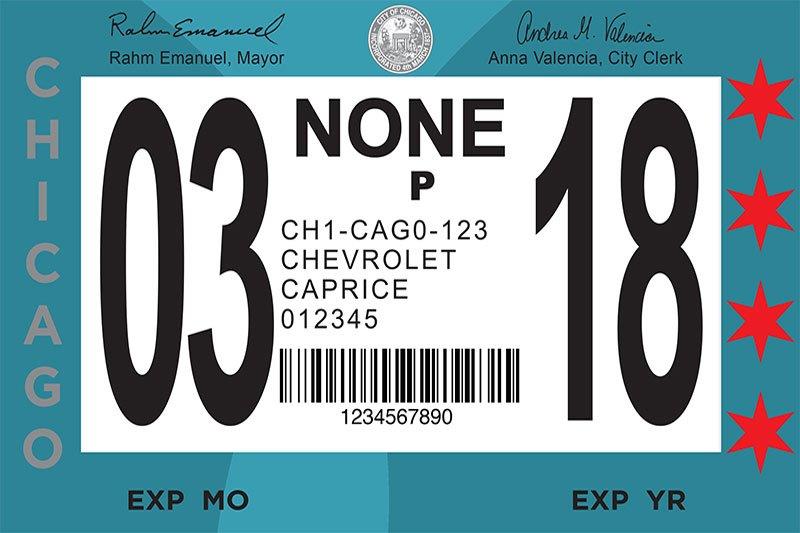
At its core, a Chicago City Sticker is a decal that must be displayed on the front windshield of any vehicle primarily garaged in Chicago. It serves as proof that the vehicle’s owner has paid the necessary wheel tax to the City of Chicago. This isn’t just for cars; trucks, motorcycles, and even certain types of trailers may require one.
Who needs it? If your vehicle is registered to a Chicago address, or if it is primarily garaged or kept within city limits for a period exceeding 30 days, you are generally required to purchase and display a city sticker. This applies whether you own the vehicle outright, lease it, or are a long-term renter bringing your car into the city. Tourists driving rental cars for short visits typically do not need to worry about this, as rental agencies handle such compliance. However, individuals on extended business trips staying at establishments like the Grand Hyatt Chicago for several months, or families enjoying a long-term vacation rental near Navy Pier with their own car, must pay close attention. It’s a key part of the local lifestyle for those integrating into Chicago’s rhythm.
Why Does Chicago Have a City Sticker?
The Chicago City Sticker is a revenue-generating tool for the municipality, with the funds collected supporting various essential city services. Think of it as your contribution to maintaining the city’s infrastructure, public safety, and other amenities that make Chicago a vibrant place to live and visit. These funds contribute to road maintenance, snow removal, public works projects, and even some aspects of public safety that benefit everyone, from the daily commuter to the tourist visiting the Art Institute of Chicago.
This system is not unique to Chicago; many cities across the United States implement similar local vehicle taxes or registration fees. It’s part of the broader financial framework that allows large urban centers to operate effectively. For travelers considering settling down or experiencing a longer stay in Chicago, understanding these local ordinances is crucial for managing finances and ensuring a smooth transition into the city’s unique lifestyle. It’s a small, recurring expense that plays a significant role in the city’s overall operational budget.
Breaking Down the Costs: Sticker Prices and Potential Fines
The question “How much for Chicago City Sticker?” is central to many considering driving in the city. The cost isn’t fixed; it varies based on several factors, primarily the type and weight of your vehicle. More importantly, the cost of not having a sticker far outweighs the purchase price.
Standard Sticker Fees by Vehicle Type
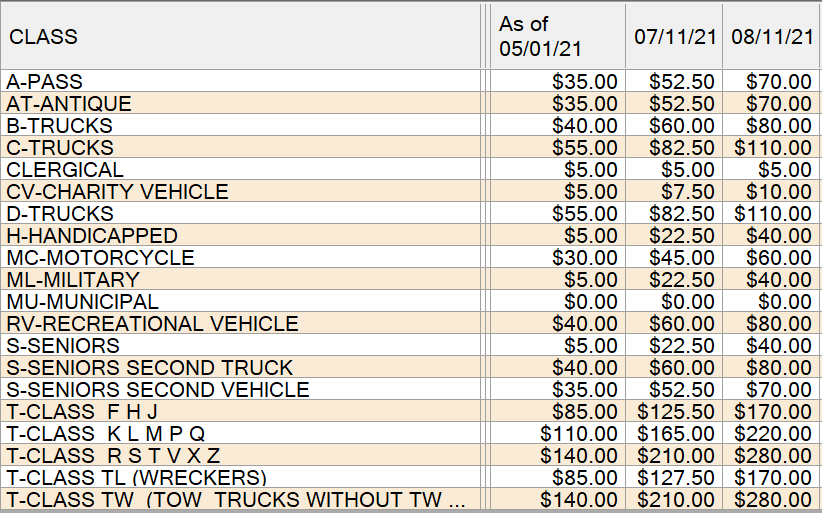
The price of a Chicago City Sticker depends primarily on your vehicle’s classification. Generally, passenger cars are categorized by weight, with heavier vehicles incurring higher fees. As of recent updates, here’s a general breakdown, though it’s always best to check the official City of Chicago website for the most current pricing:
- Passenger Vehicles (up to 4,500 lbs): This category typically covers most standard sedans and smaller SUVs. The annual fee is usually the lowest for this group.
- Passenger Vehicles (4,501 to 8,000 lbs): Larger SUVs, minivans, and some light trucks fall into this bracket, commanding a higher annual fee.
- Large Passenger Vehicles (over 8,000 lbs): This includes heavy-duty SUVs and larger trucks, with the highest fees for passenger vehicles.
- Motorcycles: There’s a specific, generally lower, fee for motorcycles.
- Trucks/Commercial Vehicles: Fees for commercial vehicles are significantly higher and are based on gross vehicle weight.
- Senior Citizens: Chicago offers a discounted rate for senior citizens (usually 65 years or older) who meet specific eligibility criteria, often limited to one vehicle per household.
- Prorated Fees: If you purchase a sticker mid-year, the fee might be prorated depending on how many months remain until the next renewal cycle. This is particularly relevant for new residents or those moving their vehicle to Chicago partway through the year.
For a standard passenger car, you can expect an annual fee typically ranging from $80 to over $130, depending on weight. Remember, these fees are subject to change, so always verify the current rates on the official Chicago Department of Finance website.
Where Do Your Sticker Fees Go?
The revenue generated from Chicago City Sticker sales is channeled directly back into maintaining and improving the city’s infrastructure and services. For tourists marveling at the architecture along the Magnificent Mile or residents enjoying a picnic in Lincoln Park Zoo, these funds contribute to the roads you drive on, the streetlights that illuminate your path, and the sanitation services that keep the city clean.
Specifically, these funds contribute to:
- Road and Bridge Maintenance: Ensuring smooth and safe travel for both residents and visitors exploring landmarks like the Willis Tower.
- Snow Removal: A critical service during the harsh Chicago winters, keeping streets passable.
- Traffic Management: Supporting systems that help alleviate congestion and improve urban mobility.
- Public Safety Initiatives: Indirectly contributing to overall city services that enhance the quality of life and safety for everyone.
Understanding where these funds go helps contextualize the requirement, illustrating it not just as a tax, but as a contribution to the vibrant and functional ecosystem of one of the world’s great cities. This aligns with the broader theme of sustainable tourism and responsible living, where visitors and residents alike contribute to the preservation and enhancement of urban spaces.
The Cost of Non-Compliance: Fines and Penalties
This is where the true “cost” of the Chicago City Sticker can escalate dramatically. Failing to purchase and properly display a valid sticker by your vehicle’s deadline can result in hefty fines. Chicago is known for its diligent parking enforcement, and city sticker violations are taken seriously.
Typical penalties include:
- Initial Fine: A substantial fine, often around $60, is issued for not displaying a current city sticker.
- Late Fee/Additional Penalties: If the fine is not paid promptly, it can double or accrue additional late fees, pushing the total much higher.
- Booting and Towing: In severe or repeated cases, your vehicle could be booted or even towed, incurring hundreds of dollars in release fees, towing charges, and daily storage fees at impound lots like those operated by Chicago’s Department of Streets and Sanitation. This can quickly turn a relatively minor oversight into a major financial headache, especially for individuals on a budget travel plan or families trying to manage vacation expenses.
The economic impact of these fines far outweighs the initial sticker cost. For example, a $100 sticker could prevent hundreds, or even thousands, of dollars in fines, towing, and storage fees. This makes proactive compliance not just a legal obligation, but a smart financial decision for anyone operating a vehicle in Chicago for more than a fleeting visit.
The Application Process: How to Get Your Sticker
Acquiring a Chicago City Sticker is a relatively straightforward process, designed to be accessible to residents. Whether you’re a new transplant or a long-time Chicagoan, knowing the various methods and required documents will streamline your experience.
Online, In-Person, and Mail Options

The City of Chicago provides several convenient ways to purchase or renew your city sticker:
- Online: This is often the quickest and easiest method. Through the official City of Chicago website (typically the Chicago City Clerk’s portal), you can apply or renew by entering your vehicle and personal information. The sticker is then mailed to your registered address. This option is ideal for those managing their lifestyle online and looking for efficiency.
- In-Person: If you prefer face-to-face interaction or need a sticker immediately, you can visit one of the various locations throughout the city. These include:
- City Clerk’s Office Locations: Main offices, such as the one at City Hall.
- Aldermanic Offices: Many ward offices across Chicago provide city sticker services.
- Currency Exchanges: Many licensed currency exchanges also process city sticker applications for a small service fee. This provides widespread access, even in residential neighborhoods far from major landmarks.
- Mail: You can also apply or renew by mail. This involves filling out an application form, enclosing a check or money order for the correct amount, and mailing it to the City Clerk’s Office. While a viable option, it’s the slowest and typically not recommended if your deadline is approaching.
Each option caters to different preferences and urgency levels. For new residents, visiting an office in person might be beneficial to ask questions and ensure all documents are in order.
Required Documentation
Regardless of the method you choose, you’ll need specific documentation to purchase your Chicago City Sticker. Having these ready will prevent delays:
- Vehicle Registration: Your current Illinois vehicle registration (or out-of-state registration if you’re a new resident with a temporary permit). This proves ownership and provides essential vehicle details.
- Proof of Chicago Residency: A valid Illinois driver’s license or state ID with a Chicago address. Utility bills, lease agreements, or other official documents showing your current Chicago address may also be accepted, especially for new residents.
- Proof of Purchase (for new vehicle/new resident): If you recently purchased a vehicle or moved to Chicago, you might need the bill of sale or other documentation establishing ownership and the date the vehicle became subject to the Chicago wheel tax.
- Payment: Credit card, debit card, check, or money order, depending on the application method. Cash is typically accepted for in-person transactions.
It’s always a good idea to confirm the exact requirements on the official City Clerk’s website, as they can occasionally change.
Renewal Process and Deadlines
Chicago City Stickers are issued for a one-year period and must be renewed annually. The expiration date usually aligns with the expiration of your Illinois vehicle registration.
- Renewal Notifications: The City of Chicago typically sends out renewal notices via mail or email a few weeks before your sticker’s expiration date. These notices serve as a helpful reminder, a common administrative practice to assist residents in managing their vehicle compliance.
- Grace Period: There’s usually a brief grace period after the expiration date (often 30 days) during which you can still purchase a new sticker without incurring a fine. However, it is never advisable to rely on this grace period, as enforcement can begin immediately after the stated expiration.
- Proactive Renewal: The best approach is to renew your sticker as soon as you receive your notification or at least a few weeks before its expiration. This ensures you avoid any lapse in coverage and the potential for fines. For those on extended travel or business stays, setting a reminder is crucial to maintain compliance.
Understanding and adhering to these deadlines is a simple yet effective way to avoid unnecessary expenses and contribute to a stress-free experience of life in Chicago.
Navigating Chicago with a Vehicle: Beyond the Sticker
While securing your Chicago City Sticker is a fundamental step, driving in Chicago involves much more than just vehicle compliance. For both tourists exploring attractions and residents commuting daily, understanding the city’s unique driving landscape is crucial for a smooth journey. This extends into aspects of travel planning, accommodation choices, and overall lifestyle.
Parking in Chicago: Tips for Visitors and Residents
Parking in a dense urban environment like Chicago can be challenging and expensive. It’s a significant consideration for anyone bringing a vehicle, impacting both budget travel plans and the daily grind of residents.
- Street Parking: Residential areas often have permit parking zones, indicated by signs, which restrict non-permit holders during certain hours. Violating these can lead to tickets. Metered street parking is available in commercial areas but can be costly and hard to find, especially in popular tourist areas near the Chicago Cultural Center or Grant Park. Always read signs carefully!
- Parking Garages: Numerous parking garages are available throughout the city, particularly near hotels like the Palmer House Hilton or major business districts. While convenient, daily rates can be steep. Look for online booking platforms (e.g., SpotHero, ParkWhiz) which often offer discounted rates if booked in advance. This can be a major cost-saving tip for travelers.
- Hotel Parking: Many hotels, from luxury stays like The Langham Chicago to more budget-friendly options, offer valet or self-parking. Be prepared for high daily rates, often $50-$80 or more, which can significantly add to your accommodation expenses. Always inquire about parking fees when booking.
- Public Transportation and Ride-Shares: For many, the best “parking strategy” is to minimize driving. Utilize the comprehensive CTA (Chicago Transit Authority) system (L trains and buses) or ride-sharing services like Uber and Lyft to navigate the city, especially when visiting downtown landmarks.
Public Transportation vs. Driving for Chicago’s Attractions
When planning your itinerary, whether for a quick tourism blitz or a leisurely exploration, the choice between driving and using public transport in Chicago is critical.
- Advantages of Public Transportation:
- Cost-Effective: A multi-day CTA pass is far cheaper than daily parking fees and gas.
- Convenience: The L train system is efficient, reaching most major attractions like Soldier Field or the Museum Campus quickly, avoiding traffic congestion.
- Eco-Friendly: A greener option for lifestyle-conscious travelers.
- Stress-Free: No need to worry about navigation, parking, or the aforementioned city sticker enforcement.
- Advantages of Driving:
- Flexibility: Ideal for trips outside the immediate downtown area, perhaps to Illinois Beach State Park or exploring far-flung neighborhoods that the L doesn’t directly serve.
- Cargo: Useful if you have a lot of luggage, equipment, or are traveling with young children who require car seats.
- Remote Accommodation: If your accommodation is in a less-connected suburb, driving might be essential.
For many tourists, embracing Chicago’s robust public transport system offers a more authentic and less stressful experience, allowing them to focus on the landmarks and local culture rather than traffic and parking woes. Even for residents, the CTA is often the preferred choice for commuting to work or evening entertainment.
Short-Term Visitors and Rental Cars: Do You Need a Sticker?
This is a common question that often causes confusion. Generally, short-term visitors to Chicago driving rental cars are NOT required to purchase a city sticker.
- Rental Cars: Car rental agencies (e.g., Hertz, Enterprise, Avis) operating in Chicago are responsible for ensuring their fleet complies with all city regulations, including the city sticker. The cost of this compliance is usually built into your rental fee, meaning you don’t need to worry about purchasing or displaying one yourself. This is a significant relief for travelers focused purely on tourism and short stays.
- Out-of-State Vehicles (Short Visits): If you’re driving your personal vehicle into Chicago from another state for a typical tourist visit (e.g., a long weekend, a week-long vacation), you are also generally exempt from the city sticker requirement. The rule applies to vehicles primarily garaged or kept within city limits for more than 30 days. So, if your stay at The Peninsula Chicago is just for five nights, you’re fine.
- Extended Stays: The 30-day threshold is critical. If you plan an extended visit (e.g., a month-long sabbatical, a temporary work assignment, or a long-term stay in an apartment rental), and your personal vehicle will be kept in Chicago for longer than this period, you would then fall under the city sticker requirement. This applies to digital nomads, business travelers, or anyone enjoying a long-form travel experience that blurs the lines between visitor and temporary resident.
Always err on the side of caution. If you anticipate your vehicle being in Chicago for an extended period, it’s prudent to contact the City Clerk’s Office or review their official guidelines to confirm your obligations.
Final Thoughts: Making Your Chicago Experience Smooth
The Chicago City Sticker might seem like a minor administrative detail, but it’s a foundational element of vehicle compliance for anyone choosing to drive and reside in Chicago for an extended period. Understanding its costs, application process, and the severe penalties for non-compliance can save you significant time, money, and stress.
For new residents or those planning a long-term stay, integrating this requirement into your relocation checklist is as important as finding the perfect apartment or mapping out your commute. For travelers, especially those venturing beyond the typical short-term visit, clarity on the 30-day rule can prevent unexpected fines that could derail your budget travel plans.
Ultimately, whether you’re drawn to Chicago’s iconic landmarks, its vibrant cultural scene, or its bustling business opportunities, a well-informed approach to local regulations like the city sticker is key to a seamless and enjoyable experience. By proactively addressing this requirement, you ensure that your focus remains on exploring the best of what Chicago has to offer, without the unwelcome distraction of administrative headaches or unforeseen expenses. Happy travels, and drive safely in the amazing City of Chicago!
LifeOutOfTheBox is a participant in the Amazon Services LLC Associates Program, an affiliate advertising program designed to provide a means for sites to earn advertising fees by advertising and linking to Amazon.com. Amazon, the Amazon logo, AmazonSupply, and the AmazonSupply logo are trademarks of Amazon.com, Inc. or its affiliates. As an Amazon Associate we earn affiliate commissions from qualifying purchases.