
Embarking on a journey through the Golden State of California offers an endless tapestry of experiences, from the sun-drenched beaches of Southern California to the majestic redwoods of the North. While the iconic sights and diverse landscapes often dominate travel discussions, a fundamental aspect of any trip, especially one focused on immersing oneself in local culture and experiencing genuine tourism, is the cost of everyday essentials. Among these, a globally recognized fast-food staple often serves as an informal benchmark for local pricing: the McDonald’s Big Mac. This article delves into the cost of a Big Mac in California, exploring the factors that influence its price and what this seemingly simple purchase can reveal about your overall travel budget.
Understanding the price of a Big Mac in California isn’t just about satisfying a craving; it’s a window into the local economy, the cost of living in different regions, and the general affordability of dining out. California, being a vast and economically diverse state, presents a complex picture. Prices can fluctuate significantly not only between different cities but even within neighborhoods of the same city. Whether you’re planning a luxurious stay at the Beverly Wilshire, A Four Seasons Hotel in Los Angeles, a budget-friendly family trip to Disneyland, or an adventurous exploration of Yosemite National Park, knowing these local price indicators can help you better budget your lifestyle expenses.
The Factors Influencing Big Mac Prices Across California
The cost of a Big Mac in California, like any other product, is subject to a confluence of economic and geographic factors. While the core ingredients remain the same, the final price you pay at the counter is a result of intricate supply and demand dynamics, operational costs, and regional economic conditions. For travelers, grasping these nuances can offer valuable insights into managing their travel expenses and making informed decisions about where to allocate their budget.
Regional Economic Disparities
California is renowned for its stark economic contrasts. From the high-stakes tech hubs of Silicon Valley to the more agricultural regions of the Central Valley, the cost of doing business varies dramatically. This is directly reflected in the price of goods and services, including fast food.
- High Cost of Living Areas: In major metropolitan areas like San Francisco, Los Angeles, and San Diego, where the cost of real estate, labor, and utilities is significantly higher, you can expect to pay a premium for your Big Mac. For instance, a Big Mac in a busy San Francisco location might be considerably more expensive than one in a smaller town in Northern California. This is largely due to the increased overhead for the franchise owner. The minimum wage in California is also higher than in many other states, contributing to labor costs that are passed on to the consumer.
- Suburban and Rural Areas: Conversely, in more suburban or rural parts of California, where the cost of living is generally lower, you might find Big Macs priced more affordably. While the difference might not be astronomical, it can add up over the course of a trip. A road trip through the less populated areas of the Central Coast or the Eastern Sierra could yield slightly lower prices compared to dining in the heart of Hollywood.
Operational Costs for Franchisees
Beyond broad economic trends, specific operational costs directly impact the price of a Big Mac. These include:
- Rent and Real Estate: Prime locations, especially those with high foot traffic or in popular tourist districts, command higher rental prices. A McDonald’s situated near iconic landmarks like the Golden Gate Bridge or within a bustling shopping district in Pasadena will likely have higher rent than one in a less sought-after area. This cost is a significant factor in pricing.
- Labor Costs: As mentioned, California has a relatively high minimum wage. Franchise owners must pay their staff a competitive wage, and this expense is factored into the menu prices. The higher the local minimum wage, the more likely it is that prices will be higher.
- Supply Chain and Transportation: The cost of transporting ingredients to individual McDonald’s locations also plays a role. For restaurants located in more remote areas, or those that rely on complex supply chains, transportation costs can add to the overall expense.
- Taxes and Regulations: California has various state and local taxes, which can also influence the final price of goods. Franchisees must navigate these regulatory requirements, and their associated costs are often reflected in menu pricing.
The “Tourist Premium” Factor
In popular tourist destinations, there’s often a subtle “tourist premium” that can be applied to prices, even for seemingly standardized items. While McDonald’s aims for consistency, locations in or very near major attractions might see slightly higher prices due to the assumption that tourists are less price-sensitive or have a higher disposable income for their travels. For example, a Big Mac purchased just a few blocks from Santa Monica Pier might be priced differently than one a few miles inland. This isn’t a formal policy but rather an observation of how prices in high-demand areas tend to adjust.
Estimating the Cost of a Big Mac in California
While pinpointing an exact, state-wide average price for a Big Mac in California is challenging due to the aforementioned variables, we can provide an estimated range and discuss how this price point relates to other aspects of your travel experience. For the most accurate, up-to-the-minute pricing, visiting a specific McDonald’s location or checking their app is always recommended.
The Expected Price Range
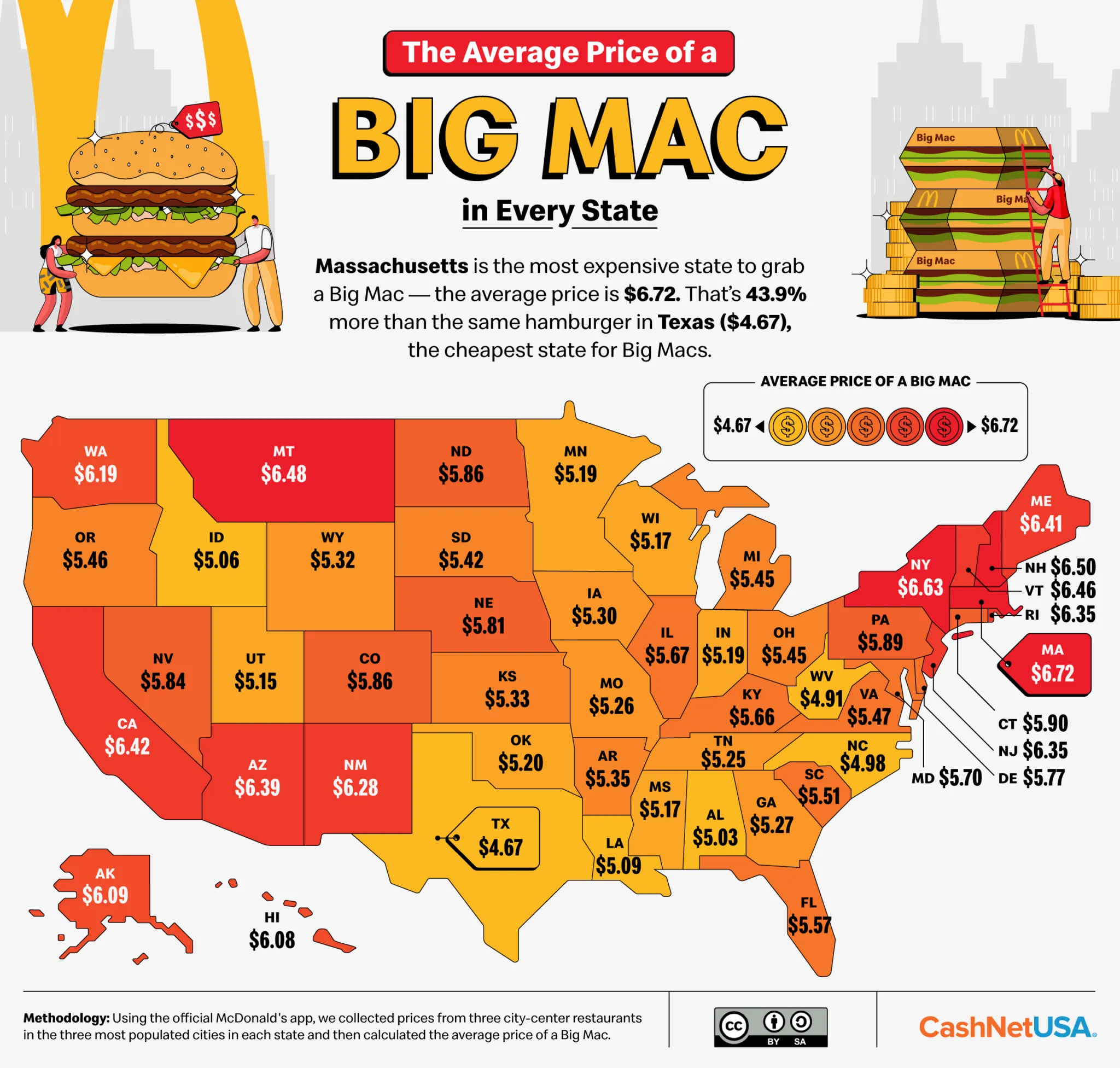
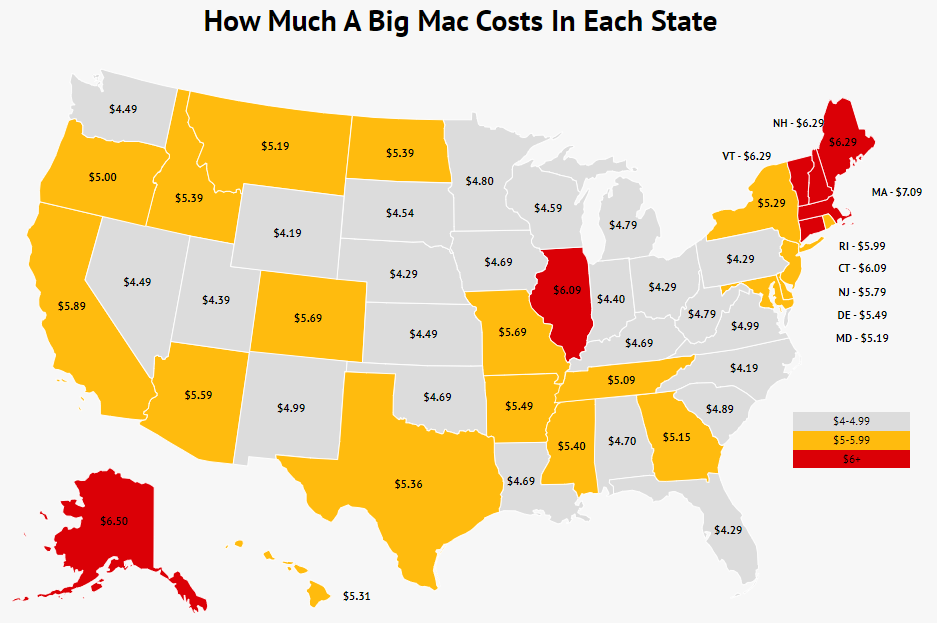
Based on recent data and general observations, the price of a Big Mac combo (including fries and a drink) in California typically falls within the range of $8 to $12 USD. A standalone Big Mac sandwich might range from $5 to $7 USD.
- Lower End ($5-$7 for sandwich, $8-$9 for combo): You are most likely to find these prices in smaller towns, less densely populated areas, or McDonald’s locations further away from major urban centers and prime tourist spots. For example, a Big Mac in a Central Valley town like Bakersfield might be closer to this range than in Beverly Hills.
- Mid-Range ($6-$7 for sandwich, $9-$11 for combo): This is the most common price bracket you’ll encounter across many suburban areas and moderately populated cities. This price point often reflects a balance between operational costs and a competitive market.
- Higher End ($7+ for sandwich, $11-$12+ for combo): Expect to pay more for your Big Mac in the heart of major cities like San Francisco or Los Angeles, especially in areas with high foot traffic, near popular attractions like Universal Studios Hollywood, or in affluent neighborhoods. The proximity to luxury resorts and high-end hotels can also sometimes correlate with slightly higher fast-food prices.
It’s important to remember that these are estimates for a standard Big Mac meal. Prices for additional items, specialty burgers, or meal upgrades will, of course, be higher.
Big Mac as a Budget Indicator
For travelers mindful of their budget, the price of a Big Mac can serve as a useful, albeit informal, indicator of general food costs in a particular area. If a Big Mac combo costs $11 in San Francisco, it suggests that other dining options in San Francisco, from casual cafes to more upscale restaurants, will also carry a comparable premium.
- Budget Travel Insights: If your budget travel strategy involves frequenting fast-food chains, understanding this baseline can help you estimate daily food expenses. A family of four on a budget travel itinerary through California could be spending anywhere from $30 to $50 per day on fast-food meals alone, depending on their choices and locations.
- Comparing Destinations: By noting the price of a Big Mac in different cities or regions within California, you can get a rough sense of which areas are more affordable for dining. A trip focusing on smaller towns in Northern California might offer more cost-effective food options compared to a trip solely focused on Los Angeles or San Diego.
- Beyond Fast Food: While the Big Mac is a fast-food item, its price can be a stepping stone to understanding the cost of tourism in California. If a Big Mac is on the higher end, it’s a good signal to research the costs of other activities, accommodations, and attractions in that same area. For example, if you’re looking at long-term stays in a pricier city, you might need to adjust your expectations for grocery costs and restaurant dining as well.
Tips for Managing Food Costs While Traveling in California
While the price of a Big Mac is a specific data point, the principles of managing food costs apply broadly to your travel experience in California.
- Embrace Local Eateries: While fast food offers convenience, exploring local diners, ethnic restaurants, and food trucks can often provide delicious and more affordable meals. These offer a genuine taste of local culture and can be significantly cheaper than sit-down restaurants in prime tourist areas.
- Utilize Grocery Stores: For family trips or longer stays, visiting local supermarkets can be a significant money-saver. Stocking up on snacks, breakfast items, and even picnic supplies for lunches can drastically reduce your daily food expenditure. Many hotels offer mini-fridges, and even basic apartments will have kitchen facilities for simple meal preparation.
- Look for Deals and Happy Hours: Many restaurants offer lunch specials, early bird dinners, or happy hour deals on drinks and appetizers that can function as a meal. This is a great way to experience a restaurant at a lower price point.
- Stay Hydrated with Tap Water: While California is known for its pristine natural beauty, including places like Lake Tahoe, purchasing bottled water can add up. Most tourist areas and hotels have safe tap water, so carrying a reusable water bottle is both economical and environmentally friendly.
- Consider Accommodation with Kitchen Facilities: When booking your accommodation, especially for longer stays or family vacations, consider hotels or apartments that offer kitchenettes or full kitchens. This allows you to prepare some of your own meals, significantly cutting down on dining expenses. Options range from villas in Palm Springs to suites in San Francisco.
In conclusion, the question of “How Much Is A Big Mac In California?” is more than just a culinary query. It’s a point of reference that can help travelers navigate the diverse economic landscape of this vibrant state, make informed decisions about their budget, and ultimately enhance their travel experience by being more aware of the local cost of living. From the bustling streets of Los Angeles to the serene beauty of Big Sur, understanding these subtle price indicators can contribute to a more enjoyable and financially sound adventure.