
The allure of the open water, the thrill of a tug on the line, and the promise of a delicious catch – these are just a few of the reasons why fishing is such a beloved pastime in Alabama. Known for its diverse aquatic ecosystems, from the sparkling waters of the Gulf Coast to the serene rivers and lakes inland, the Heart of Dixie offers a fishing experience for every angler. Whether you’re a seasoned professional or a curious beginner, understanding the requirements for a fishing license is your first step towards a rewarding adventure. This guide delves into the specifics of Alabama fishing licenses, ensuring you’re fully equipped to cast your line legally and enjoy your time on the water to the fullest.
Understanding Alabama Fishing Licenses: The Basics
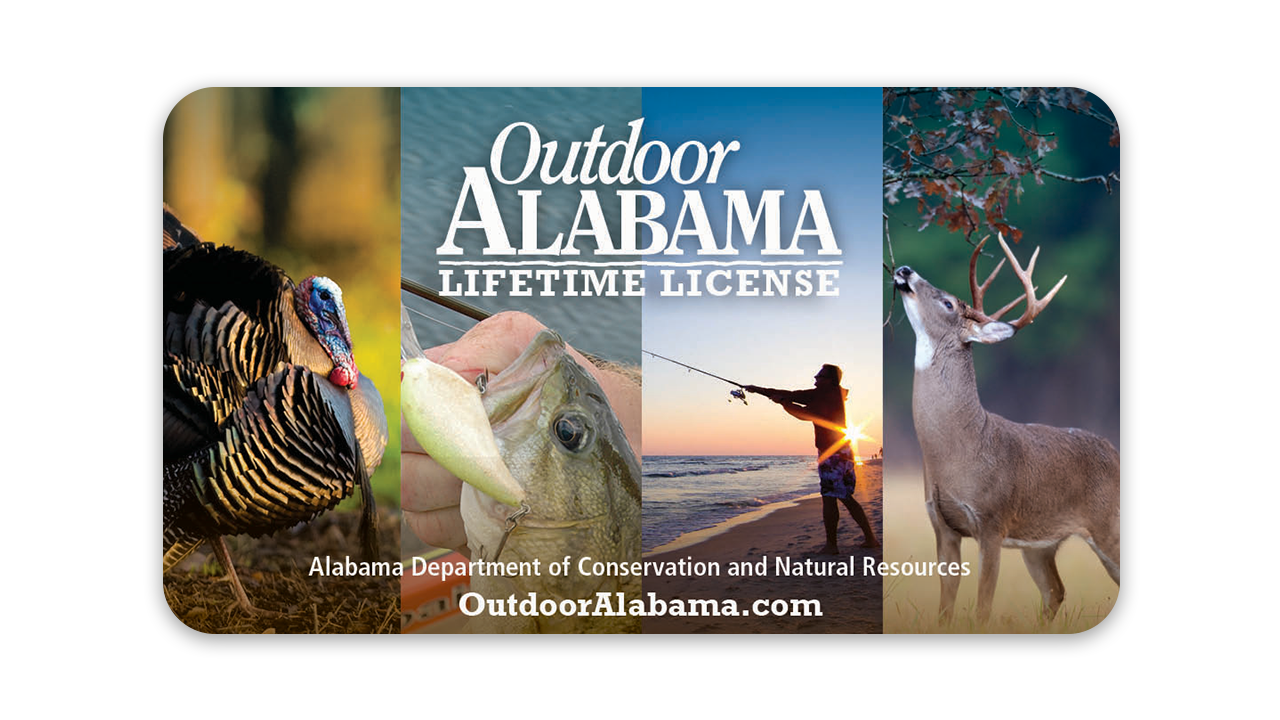
Before you can embark on your fishing expedition in Alabama, it’s essential to obtain the correct fishing license. These licenses are managed by the Alabama Department of Conservation and Natural Resources (ADCNR), and they play a crucial role in wildlife conservation and fisheries management. The revenue generated from license sales helps fund vital conservation efforts, research, and habitat restoration, ensuring that Alabama’s abundant natural resources can be enjoyed by generations to come.
The cost of a fishing license in Alabama varies depending on several factors, primarily your residency status and the type of fishing you intend to do. Alabama offers a tiered system to accommodate residents and non-residents, as well as those who fish in freshwater versus saltwater environments.
Resident vs. Non-Resident Licenses
One of the most significant factors influencing license cost is whether you are a resident of Alabama. To qualify as a resident, you must have physically resided in Alabama for at least six consecutive months immediately preceding your application for a license. Proof of residency, such as a valid Alabama driver’s license or voter registration, is typically required.
For residents:
- Annual Freshwater Fishing License: This is a common choice for those who primarily fish in Alabama’s many lakes, rivers, and streams. It generally offers the most cost-effective option for regular anglers.
- Annual Saltwater Fishing License: If your fishing pursuits are focused on the brackish waters of the bay or the open waters of the Gulf Coast, a saltwater license is necessary.
- All-Water Fishing License: For anglers who enjoy both freshwater and saltwater fishing, an all-water license provides comprehensive coverage across the state. This can be a convenient and economical choice if your fishing activities are varied.
For non-residents:
- Non-resident licenses are typically more expensive than their resident counterparts, reflecting the economic contributions Alabama residents make through taxes.
- Similar to resident licenses, non-residents can purchase freshwater, saltwater, or all-water licenses.
- Short-term non-resident licenses are also available, offering flexibility for visitors who plan to fish for a limited period. These can include 1-day, 3-day, 7-day, or 10-day licenses, which can be significantly cheaper than purchasing an annual license for a short trip.
Types of Fishing Licenses
Beyond residency, the type of fishing you plan to engage in will also dictate the specific license you need.
- Freshwater Fishing License: This license is required for fishing in Alabama’s inland waters, including lakes, rivers, streams, and ponds. This covers popular freshwater fishing destinations like Lake Guntersville, Pickwick Lake, and the Alabama River.
- Saltwater Fishing License: For those looking to fish in the tidal waters of Mobile Bay, the Gulf of Mexico, or associated bays and estuaries, a saltwater license is mandatory. This allows you to target species like redfish, speckled trout, and flounder.
- Recreational Saltwater Surface Fishing License: This is a specific license for individuals who intend to fish from a boat using surface gear in saltwater.
- Freshwater/Saltwater Combination License: As mentioned, this covers both types of fishing and is ideal for those who don’t want to limit their angling adventures to a single environment.
Additional Endorsements and Permits:
In addition to the base fishing license, certain fishing activities or species may require additional endorsements or permits. These can include:
- Trout Stamp: If you plan to fish for trout in designated trout waters, a trout stamp is often required in addition to your regular fishing license.
- Gigging License: For those interested in gigging for certain species, particularly flounder and frogs, a specific gigging license is necessary.
- Commercial Licenses: It’s important to note that this guide focuses on recreational fishing. Individuals engaging in commercial fishing activities, such as selling their catch, will need to obtain different, more comprehensive commercial fishing licenses.
Costs of Fishing Licenses in Alabama
The exact cost of fishing licenses in Alabama can fluctuate slightly year to year due to legislative changes or adjustments made by the ADCNR. However, we can provide a general overview of the price ranges based on typical fees. It is always advisable to check the official ADCNR website or contact their office for the most current pricing information.
Resident Fishing License Costs
- Annual Freshwater Fishing License (Resident): Typically ranges from $15 to $25.
- Annual Saltwater Fishing License (Resident): Often priced similarly to the freshwater license, perhaps slightly higher, around $17 to $27.
- Annual All-Water Fishing License (Resident): This comprehensive license is usually priced in the range of $30 to $40.
- Short-Term Resident Licenses: While less common than for non-residents, some short-term options might be available, but generally, annual licenses are the most economical for residents who fish regularly.
Non-Resident Fishing License Costs
-
Annual Freshwater Fishing License (Non-Resident): Can range from $40 to $60.
-
Annual Saltwater Fishing License (Non-Resident): Often priced around $50 to $70.
-
Annual All-Water Fishing License (Non-Resident): This would be the most expensive annual option, potentially costing $60 to $80 or more.
-
Short-Term Non-Resident Licenses: These are where non-residents can find significant savings for short trips:
- 1-Day Non-Resident Fishing License: Typically $10 to $15.
- 3-Day Non-Resident Fishing License: May range from $20 to $30.
- 7-Day Non-Resident Fishing License: Could be in the $30 to $45 range.
- 10-Day Non-Resident Fishing License: Often priced similarly to the 7-day license or slightly more, around $35 to $50.
Special Licenses and Permits
- Trout Stamp (Resident & Non-Resident): An additional cost of around $5 to $10 per year.
- Gigging License (Resident & Non-Resident): May range from $10 to $20.
Note: These prices are approximate and serve as a general guideline. Always verify the current fees on the official ADCNR website before making a purchase.
Where to Purchase Your Alabama Fishing License
Purchasing your Alabama fishing license is a straightforward process. The Alabama Department of Conservation and Natural Resources (ADCNR) offers several convenient methods for anglers to obtain their licenses:
Online Purchase
The most convenient and fastest way to buy your fishing license is through the official ADCNR website. The online portal allows you to browse license options, select the appropriate type based on your residency and fishing plans, and complete the purchase securely with a credit or debit card. Once purchased, you can usually print a temporary license immediately or have it emailed to you, which you can carry while fishing.
In-Person Purchase
For those who prefer a more traditional approach or need assistance, licenses can be purchased in person at various authorized vendor locations across the state. These include:
- County Courthouses: Many county courthouses have agents who are authorized to sell fishing licenses.
- Bait and Tackle Shops: Numerous outdoor retailers and bait and tackle shops are authorized vendors. These are excellent places to visit as you can also stock up on fishing gear and get local fishing tips.
- Sporting Goods Stores: Larger sporting goods chains often have licenses available at their customer service desks.
- DMV Offices: In some instances, Alabama Department of Motor Vehicle (DMV) offices may also offer fishing licenses.
When purchasing in person, be sure to have your identification (for residency verification) and payment ready.
By Mail or Phone
While less common now with the advent of online sales, the ADCNR may still offer options for purchasing licenses by mail or phone. These methods might be slower, but they can be useful for individuals who do not have easy access to the internet or prefer to speak directly with a representative. Contact the ADCNR directly for the most up-to-date information on these purchasing methods.
Important Considerations for Anglers
Obtaining the correct fishing license is paramount, but there are several other important considerations for anyone planning to fish in Alabama. Familiarizing yourself with these rules and regulations will ensure a smooth and enjoyable fishing experience while helping to protect Alabama’s valuable natural resources.
Fishing Regulations and Seasons
Alabama has specific regulations for different fish species, including size limits, creel limits (the number of fish you can keep), and closed seasons for certain species or in specific areas. These regulations are designed to prevent overfishing and allow fish populations to reproduce and thrive. Always check the current fishing regulations handbook published by the ADCNR before you go fishing. This handbook is usually available on the ADCNR website and at license vendor locations. Key areas to be aware of include:
- Trout Regulations: Alabama has designated trout waters, particularly in the northeastern part of the state, where specific rules apply to protect these species.
- Bass Regulations: Various bass species have different size and creel limits depending on the lake or river.
- Saltwater Regulations: Regulations for saltwater species can be complex, often differing between federal and state waters and varying by species.
Catch and Release vs. Keeping Your Catch
Many anglers practice catch and release, especially for certain species or when fishing in areas with strict regulations. This practice is vital for sustainable fishing. If you do choose to keep your catch, ensure you are adhering to all size and creel limits. It’s also important to handle fish properly if you intend to release them, minimizing stress and maximizing their chances of survival.
Licenses for Minors and Seniors
Alabama has specific provisions for licenses for minors and seniors. Typically, residents under a certain age (e.g., 16) may not need a fishing license. Similarly, resident seniors (e.g., 65 and older) may qualify for discounted or free licenses. It’s essential to check the ADCNR regulations for the exact age requirements and eligibility criteria for these discounted or waived licenses.
Boating Safety and Other Requirements
If you plan to fish from a boat, remember that Alabama also has boating safety regulations. This may include requirements for life jackets, navigation lights, and other safety equipment. While not directly related to a fishing license, understanding and adhering to boating laws is crucial for safety on the water, whether you are exploring the calm waters of Lake Martin or navigating the coastal areas near Gulf Shores.
By understanding the costs, types, and purchasing methods for Alabama fishing licenses, and by familiarizing yourself with the state’s fishing regulations, you can ensure your fishing adventures are both legal and enjoyable. Alabama’s rich fishing heritage awaits, and a little preparation goes a long way in making your angling dreams a reality.