
Texas, a vast and diverse state, offers an unparalleled experience for hunting enthusiasts. From the rugged beauty of the Trans-Pecos to the dense forests of the Piney Woods and the sprawling South Texas Plains, the Lone Star State is a premier destination for pursuing game ranging from white-tailed deer and feral hogs to various migratory birds. Planning a hunting trip to Texas is not just about tracking game; it’s about immersing oneself in the state’s unique outdoor lifestyle, experiencing its rich natural landscapes, and often combining the adventure with broader travel and tourism opportunities. Before you can embark on such an expedition, however, understanding the nuances of obtaining a hunting license is paramount. This guide delves into the costs, types, and requirements for hunting licenses in Texas, while also integrating practical travel tips to enhance your overall visit.
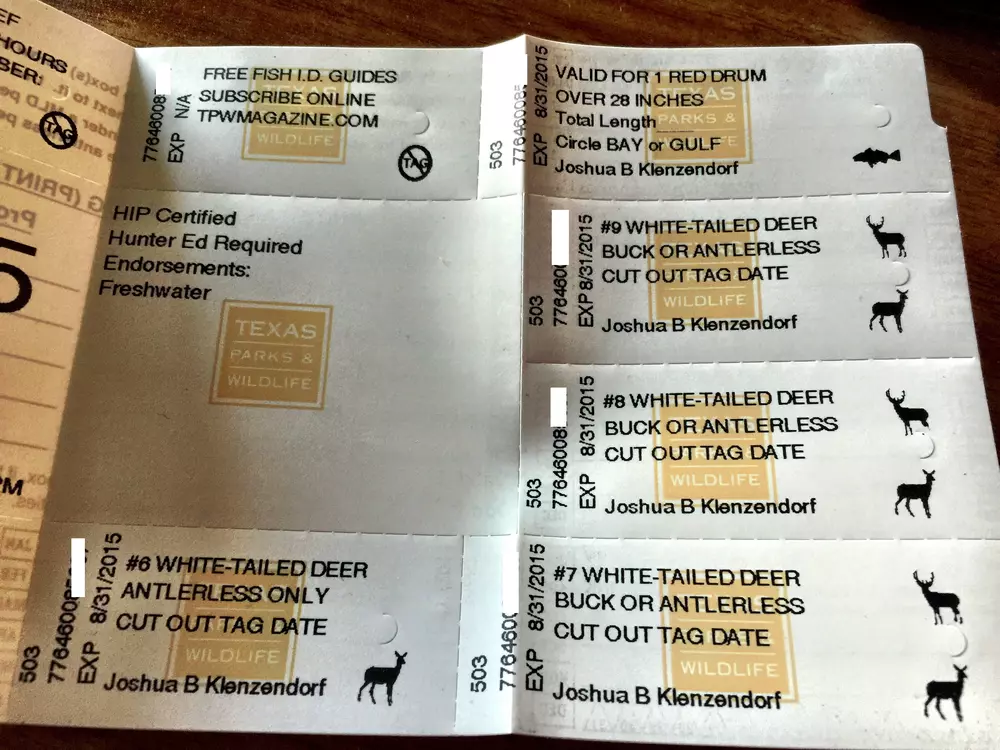
Understanding Texas Hunting Licenses: A Gateway to Adventure
Hunting in Texas is more than just a pastime; it’s a cherished tradition and a significant part of the state’s cultural fabric. The sheer variety of game animals and the diverse ecosystems make it a magnet for hunters from all walks of life. Whether you’re a seasoned hunter looking for a challenging big game pursuit or a newcomer eager to experience the thrill of the chase, the Texas Parks and Wildlife Department (TPWD) ensures that hunting is conducted responsibly and sustainably. This is where the hunting license comes into play, serving not only as your legal permission to hunt but also as a crucial contribution to wildlife conservation efforts across the state.
The revenue generated from license sales directly funds habitat preservation, wildlife research, and enforcement programs that maintain healthy game populations and ensure future generations can also enjoy Texas’s natural bounty. Therefore, understanding the different license types and their associated costs is the first, most critical step in planning your hunting adventure. Licenses vary significantly based on residency status, age, and the type of game you intend to pursue, making it essential to identify the specific permit that aligns with your hunting objectives.
Navigating License Types and Costs for Residents
For residents of Texas, the array of hunting license options is designed to cater to various preferences and budgets. It’s important to note that all prices mentioned are approximate and subject to change by the TPWD.
- Resident Hunting License: This is the most common license for residents, generally required for anyone aged 17 and older. It typically costs around $25. This basic license covers most game animals, but specific species or hunting methods may require additional endorsements.
- Combo Licenses (Hunting & Fishing): For those who enjoy both disciplines, combo licenses offer convenience and often a slight cost saving.
- Super Combo (Type 100): This comprehensive license includes all resident hunting and fishing packages, along with various endorsements (e.g., archery, migratory game bird). It’s an excellent value for avid outdoors enthusiasts, usually priced around $68.
- Sportsman’s Combo (Type 101): A slightly less inclusive combo, often omitting some specialty endorsements. Expect to pay around $50.
- Youth Hunting License (Type 169): Hunters under the age of 17 (who are Texas residents) can obtain a youth license for a significantly reduced fee, typically around $7. This encourages young people to get involved in hunting and outdoor recreation, fostering a new generation of conservationists.
- Senior Resident Hunting License (Type 105): For Texas residents aged 65 and over, a discounted annual license is available, usually costing around $7.
- Disabled Veteran Super Combo (Type 111): Eligible disabled veterans who are Texas residents can obtain this license free of charge, a gesture of gratitude for their service.
- Lifetime Licenses: Texas offers various lifetime hunting and fishing licenses, which, while a significant upfront investment, provide lifelong privileges and can be cost-effective in the long run. These can range from $1,000 to $1,800 depending on the package.
- Endorsements: Beyond the basic hunting license, specific activities require endorsements:
- Migratory Game Bird Endorsement (HIP Certification): Required for hunting doves, ducks, geese, and other migratory birds. This is usually free but mandatory to obtain.
- Archery Stamp: Needed if you plan to hunt deer or turkey with a bow and arrow, typically costing around $7.
- Upland Game Bird Endorsement: For species like quail and pheasant, usually around $7.
- Federal Duck Stamp: An additional requirement for hunting waterfowl, typically costing around $25 and purchased separately.
Non-Resident Hunter Options and Fees
For those traveling to Texas from other states or countries, the non-resident hunting license fees are generally higher but still represent a worthwhile investment for the unique hunting opportunities available. This is where your travel plans intersect directly with your hunting aspirations, as securing the correct non-resident license is non-negotiable for an out-of-state visitor.
- Non-Resident General Hunting License (Type 105): This is the primary license for non-residents wanting to hunt most game animals in Texas, excluding migratory game birds and some exotic species that might require additional permits. This license typically costs around $315.
- Non-Resident Special Hunting License (Type 107): A more limited option, often specifically for hunting only specific game animals like white-tailed deer (without an antlerless permit) or certain exotic species. This license is usually around $130.
- Non-Resident Spring Turkey Hunting License (Type 109): Specifically designed for non-residents targeting wild turkey during the spring season, often priced around $126.
- Non-Resident 5-Day Special Hunting License (Type 157): A more flexible option for short trips, this license allows hunting exotic animals, all legal game birds (except turkeys), all nongame animals, and feral hogs for five consecutive days. It costs approximately $48. This is a popular choice for visitors primarily interested in guided hog hunts or exotics.
- Non-Resident Small Game Hunting License (Type 108): For those focusing on smaller game such as rabbits, squirrels, and furbearers. This license typically costs around $120.
- Non-Resident Migratory Game Bird Hunting License (Type 106): Necessary for non-residents pursuing migratory game birds like doves and ducks. This license is usually around $50, in addition to the required Federal Duck Stamp and HIP certification.
It’s crucial for non-residents to carefully review the species covered by each license type and factor in additional endorsements needed for their specific hunting plans. These licenses are your passport to exploring the vast hunting grounds of Texas and contributing to its conservation legacy.
Beyond the License: Essential Information for Your Texas Hunting Trip
Securing your hunting license is just the initial step in planning an unforgettable Texas adventure. A successful trip requires meticulous preparation, from knowing where to purchase your permits to understanding the best destinations and arranging suitable accommodations. Integrating these logistical details into your travel itinerary will ensure a smooth and enjoyable experience, allowing you to focus on the thrill of the hunt and the beauty of the Texas landscape.
Where to Purchase Your License and What You Need
The process of purchasing a Texas hunting license is straightforward, offering several convenient options for both residents and non-residents.
- Online: The easiest and most recommended method is to purchase your license directly through the TPWD website. This allows you to apply for and print your license from the comfort of your home, ensuring you have it before you even arrive in Texas. Be sure to allow enough time for any potential processing or mailing, though digital licenses are often available instantly.
- Retailers: Hunting licenses are also available at thousands of licensed retailers across Texas. Popular stores like Academy Sports + Outdoors, Walmart, sporting goods stores, and many county clerk offices sell licenses. This option is convenient if you prefer an in-person transaction or need to purchase an endorsement on the fly.
- Phone: You can also purchase licenses by phone through the TPWD customer service center.
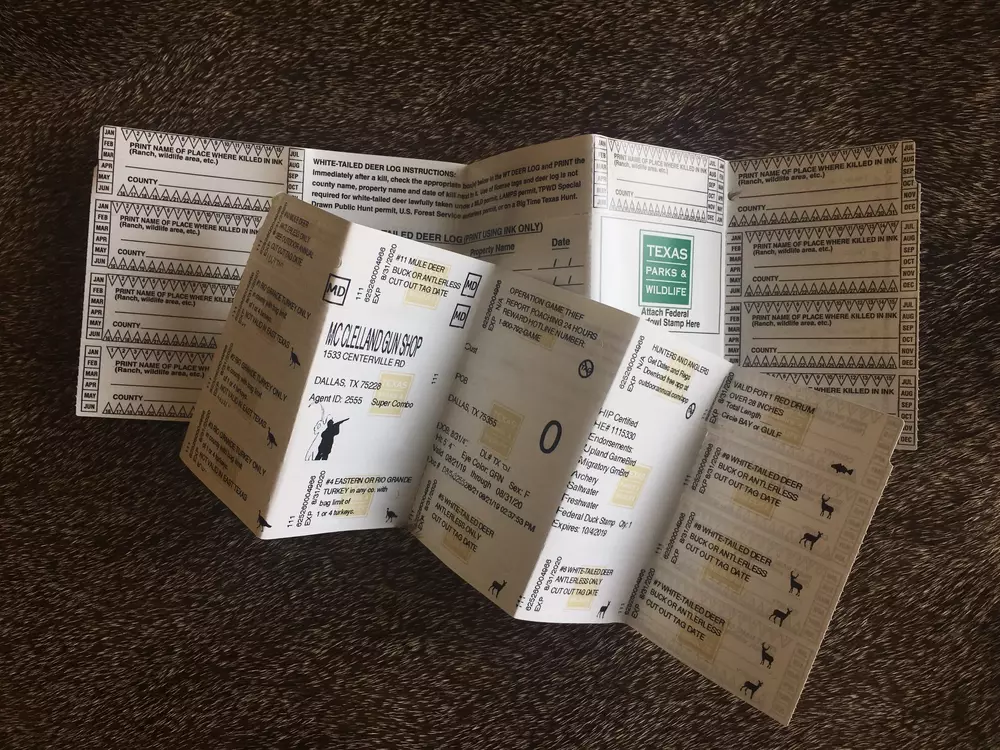
Required Documentation: When purchasing a license, you’ll generally need:
- A valid photo identification (e.g., driver’s license, state ID, passport).
- Proof of residency if applying for a resident license.
- Hunter Education Certification: Anyone born on or after September 2, 1971, must complete a hunter education course. Proof of certification is required to purchase a license. Non-residents may use a valid hunter education certification from their home state. There are exemptions for youth hunters accompanied by a licensed adult and for those purchasing a “deferral” while completing a course.
Validity Period: Most annual hunting licenses are valid from September 1st to August 31st of the following year, aligning with the state’s hunting seasons. Always check the specific validity dates for your purchased license type.
Planning Your Texas Hunting Experience: Destinations and Accommodations
Texas’s immense size means there are diverse hunting grounds, each offering a unique experience. Your choice of destination will heavily influence the type of game you pursue and the accommodation options available.
- South Texas Plains: Famous worldwide for its trophy white-tailed deer, the South Texas Plains region, encompassing cities like Laredo and San Angelo, is a hunter’s paradise. This area also boasts abundant nilgai, feral hogs, and various bird species.
- Texas Hill Country: The picturesque Texas Hill Country, surrounding cities like Fredericksburg and Kerrville, is well-known for deer, turkey, and exotic species on many private ranches. It’s a beautiful region to visit, even beyond hunting season.
- Piney Woods: In East Texas, the Piney Woods offer dense forests ideal for white-tailed deer, feral hogs, and waterfowl. This region is particularly popular for bowhunting.
- Panhandle and North Texas: For migratory birds like pheasant and quail, the agricultural lands of the Texas Panhandle and North Texas provide excellent opportunities. Cities like Amarillo serve as hubs for bird hunters.
- Trans-Pecos: The rugged mountains and desert landscapes of the Trans-Pecos region offer challenging hunts for desert bighorn sheep, mule deer, and javelina. This remote area, near Big Bend National Park, provides a truly wild and unforgettable experience.
Accommodation Options: Your choice of lodging will depend on your budget, group size, and desired experience.
- Hunting Lodges and Ranches: For a fully immersive experience, many private ranches and dedicated hunting lodges, such as the fictional Lazy K Ranch Lodge or the Rio Grande Hunting Resort, offer all-inclusive packages. These often include guides, meals, field dressing, and comfortable accommodations, ranging from rustic cabins to luxurious suites. This is a popular option for those seeking a hassle-free, premium hunting trip.
- Hotels and Motels: If you’re hunting on public lands or smaller private leases, staying in nearby towns provides flexibility. Cities like Uvalde, Ozona, or Jacksboro offer a range of hotels, from budget-friendly chains to independent boutique hotels. This allows you to explore local culture and dining after your hunt.
- Vacation Rentals (Airbnb/VRBO): For groups or families, renting a cabin, house, or apartment in a rural area or small town near your hunting spot can provide more space, privacy, and amenities like full kitchens, which are ideal for longer stays.
- Camping: For the most adventurous and budget-conscious hunters, camping on public hunting lands (where allowed) or in state parks offers a direct connection to nature. Always check regulations regarding camping in specific areas.
Many outfitters offer “Texas hunting packages” that bundle licenses, lodging, guides, and meals, streamlining your planning process and ensuring a cohesive experience. Researching these options based on your target game and preferred region is highly recommended.
The Broader Appeal: Texas Hunting as a Lifestyle and Tourism Experience
Hunting in Texas extends far beyond the act of harvesting game; it embodies a rich lifestyle deeply intertwined with nature, conservation, and community. For many, a hunting trip to Texas is an annual pilgrimage, an opportunity to disconnect from urban life and reconnect with the wild. It’s an experience that offers not just the thrill of the pursuit but also a chance to appreciate the state’s vast natural beauty, learn about its ecosystems, and create lasting memories with friends or family.
From the crisp mornings in a deer blind to the camaraderie around a campfire at a hunting lodge, the Texas hunting lifestyle emphasizes patience, respect for wildlife, and the unique challenges and rewards of the outdoors. It also contributes significantly to local economies, supporting rural communities through tourism, accommodation bookings, and purchases at local businesses.
Maximizing Your Texas Visit: Combining Hunting with Other Attractions
To truly embrace the Texas experience, consider combining your hunting adventure with some of the state’s renowned tourist attractions. This is especially appealing if you’re traveling with family or non-hunting companions, allowing everyone to find something enjoyable.
- City Escapes: After a rugged week in the field, unwind in one of Texas’s vibrant cities.
- San Antonio: Explore the historic Alamo, stroll along the picturesque Riverwalk, and savor authentic Tex-Mex cuisine.
- Austin: Immerse yourself in the “Live Music Capital of the World,” enjoy its eclectic food scene, and visit the Texas State Capitol.
- Houston: Discover world-class museums in the Museum District, explore the Space Center Houston, and enjoy diverse culinary offerings.
- Dallas and Fort Worth: Experience the modern sophistication of Dallas with its arts and shopping, then step back into the Old West in Fort Worth Stockyards.
- Natural Wonders:
- Big Bend National Park: If hunting in the Trans-Pecos region, extend your trip to explore this majestic national park, known for its dramatic mountain ranges, desert landscapes, and the winding Rio Grande.
- Guadalupe Mountains National Park: Home to the state’s highest peak, Guadalupe Peak, offering stunning hiking and incredible vistas.
- State Parks: Texas boasts numerous state parks, many of which are adjacent to prime hunting areas or offer their own unique natural attractions, from lakes for fishing to trails for hiking.
- Cultural Experiences: Visit small towns in the Texas Hill Country for wineries, artisan shops, and German heritage. Along the Gulf Coast near Corpus Christi, you can enjoy fishing, bird watching, and beach relaxation.
Integrating these tourist attractions into your hunting itinerary can transform a dedicated hunting trip into a comprehensive Texas vacation, providing a richer experience for everyone involved.
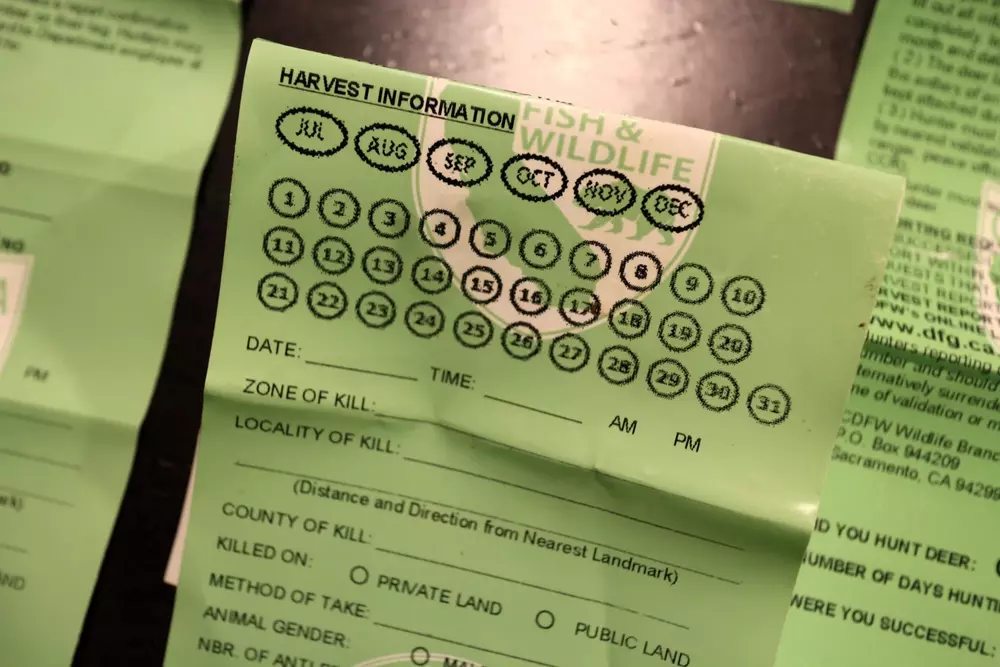
Responsible Hunting and Conservation in Texas
The financial contribution from hunting licenses is pivotal for the TPWD’s conservation efforts. Each license purchase directly supports initiatives that protect and enhance wildlife habitats, conduct crucial research on game populations, and manage state lands for public access and ecological balance. Hunters, by their very participation, become active stewards of Texas’s natural resources.
Responsible hunting practices are not just about legality; they are about ethics and sustainability. The TPWD enforces strict regulations regarding bag limits, shooting hours, legal means and methods, and reporting requirements. Adhering to these rules ensures that game populations remain healthy and that hunting can continue to be a sustainable activity for generations to come. Hunter education courses emphasize these ethical principles, teaching participants about fair chase, wildlife identification, and safe firearm handling. By obtaining the correct license and following all regulations, you are not just hunting; you are actively participating in the long-term conservation of Texas’s invaluable wildlife heritage.
In conclusion, understanding “How Much Is A Hunting License In Texas?” is the essential first step for any prospective hunter. While the costs vary based on residency and specific game, these fees are a vital investment in preserving the diverse ecosystems and rich hunting traditions that make Texas a truly unique destination. By planning ahead, securing the appropriate licenses, and perhaps even integrating your hunting trip with the broader travel and cultural experiences the state offers, you are set to embark on an unforgettable Texas adventure.
LifeOutOfTheBox is a participant in the Amazon Services LLC Associates Program, an affiliate advertising program designed to provide a means for sites to earn advertising fees by advertising and linking to Amazon.com. Amazon, the Amazon logo, AmazonSupply, and the AmazonSupply logo are trademarks of Amazon.com, Inc. or its affiliates. As an Amazon Associate we earn affiliate commissions from qualifying purchases.