
Florida, often affectionately known as the Sunshine State, beckons with its pristine beaches, vibrant cities, and endless opportunities for adventure. From the magical theme parks of Orlando to the art deco splendor of Miami, and the tranquil beauty of the Florida Keys, it’s a premier destination for travelers and a dream home for many. Whether you’re planning an extended stay, considering a permanent move, or simply curious about the nuances of driving in this captivating state, understanding the cost and process of obtaining a license plate is a fundamental piece of the puzzle. It’s not just about a legal requirement; it’s about budgeting for your lifestyle, whether that involves navigating the urban sprawl, embarking on a coastal road trip, or settling into your new Florida haven.
For residents, new and old, and even long-term visitors, the question “How much is a license plate in Florida?” is more complex than a single dollar figure. It encompasses a range of fees, taxes, and considerations that can vary based on your vehicle, your residency status, and even your personal preferences for plate design. This comprehensive guide will demystify the process, break down the costs, and provide invaluable insights to ensure your journey in the Sunshine State is as smooth and worry-free as a drive along Scenic Highway 30A. We’ll weave in how these practicalities intersect with the joys of travel, tourism, and the unique Florida lifestyle, helping you plan your adventures and accommodation with clarity.

Unpacking the Costs: What Goes Into Your Florida License Plate Fee?
At its core, the cost of a Florida license plate is a combination of several factors, including initial registration fees, annual renewal charges, and potential additional costs for specialty plates or specific vehicle types. Understanding each component is key to accurately budgeting for your vehicle in the Sunshine State. The fees contribute to maintaining the state’s infrastructure, supporting various public services, and even funding specific causes, all of which indirectly enhance the travel and living experience in Florida.
Standard Registration Fees and Initial Issuance
When you first register a vehicle in Florida, particularly if you’re a new resident bringing an out-of-state car, you’ll encounter an “Initial Registration Fee.” This is a one-time charge of $225 for private passenger vehicles, in addition to the standard registration fees. This fee helps offset the costs associated with integrating new vehicles into the state’s system. While it might seem like a hefty upfront cost, consider it an investment in accessing all the wonders Florida has to offer, from exploring Everglades National Park to driving down to Key West.
Beyond this initial fee, the standard registration costs are primarily determined by the weight of your vehicle. For a typical passenger car (non-commercial), the annual registration fees generally fall into these ranges:
- Lightweight vehicles (under 2,500 lbs): Approximately $27.60
- Mediumweight vehicles (2,500 lbs to 3,499 lbs): Approximately $35.60
- Heavyweight vehicles (3,500 lbs or more): Approximately $45.60
These figures represent the base plate fee. It’s important to remember that these are just starting points, and various factors can add to the total. For new registrations, you’ll also typically pay a metal plate fee of around $28 if you’re getting a new physical plate. This covers the manufacturing and issuance of the actual license plate. For those considering a permanent move, these initial costs are vital to factor into your relocation budget, alongside housing, utilities, and other lifestyle expenses. The ease of getting around with your own vehicle enhances your ability to explore local culture, find the best attractions, and truly settle into the Florida way of life.
Demystifying Annual Renewal Costs
After the initial registration, you’ll be responsible for annual renewals. The good news is that the $225 initial registration fee is a one-time charge for new residents. Your annual renewal costs will primarily consist of the weight-based registration fee mentioned above, plus any additional fees for specialty plates (which we’ll discuss next).
The renewal process in Florida is designed for convenience, reflecting the state’s embrace of a hassle-free lifestyle. You can typically renew your registration online through the Florida Highway Safety and Motor Vehicles (FLHSMV) website, by mail, or in person at your local Tax Collector’s Office. Many offices also offer express services or drop-off options, minimizing the time spent on administrative tasks and maximizing your time enjoying Florida’s myriad activities. This convenience is a significant benefit for both busy residents and those who appreciate seamless travel planning, allowing more time for exploring St. Augustine’s historic streets or relaxing on the white sands of Clearwater Beach.
It’s crucial to renew your registration before the expiration date to avoid late fees and potential penalties. The expiration date is usually marked on your registration sticker and corresponds to your birthday (for individuals). For vehicles owned by businesses, the expiration date is set to a specific month. Always ensure your insurance is current, as proof of valid Florida insurance is required for both initial registration and renewal.
Beyond the Basics: Exploring Specialty Plates and Their Premiums
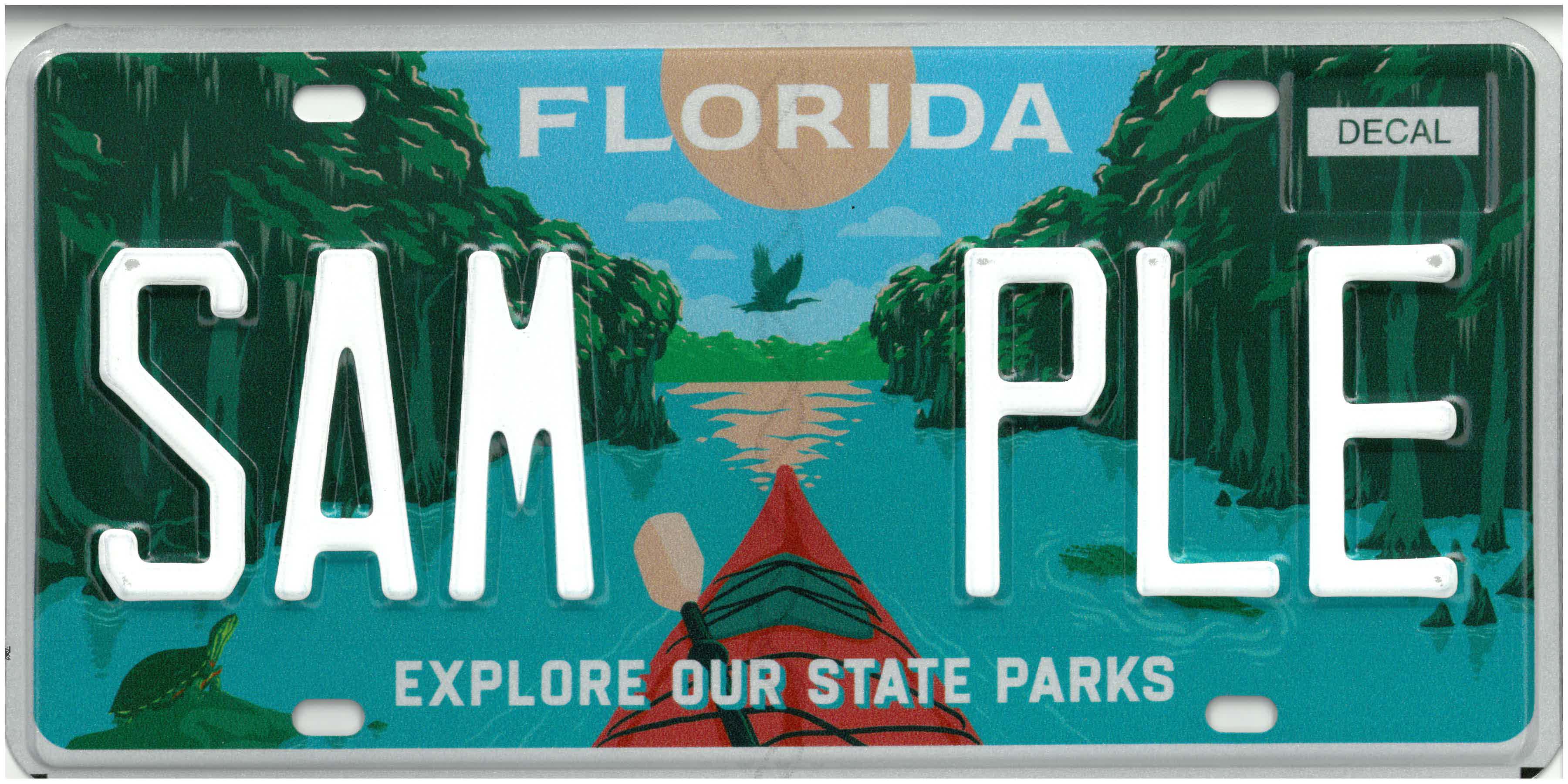
Florida offers an incredible array of specialty license plates, allowing drivers to express their personality, support a cause, or showcase their affiliations. This vibrant selection is a testament to the state’s diverse culture and community engagement, transforming a mundane requirement into a statement of identity. From supporting environmental initiatives crucial for Florida’s tourism to showcasing pride in a local university, these plates come with additional annual fees that contribute directly to their respective causes.
Showcasing Your Passion: Collegiate, Professional, and Cause-Related Plates
The variety of specialty plates is truly impressive. You can find plates dedicated to:
- Collegiate Support: Show your pride for institutions like the University of Florida (Gators!), Florida State University (Seminoles!), the University of Miami (Hurricanes!), and many others. These plates typically have an annual specialty plate fee of $25, which goes directly to support academic and athletic programs at the respective universities. For families planning university visits, or alumni settling in Florida, these plates are a popular choice.
- Environmental Protection: Florida’s natural beauty is a huge draw for tourists, and many specialty plates help protect it. Plates like “Save the Manatee,” “Protect Our Reefs,” or “Conserve Florida Wetlands” are popular choices. The fees, usually $20-$25 annually, directly fund conservation efforts, wildlife rehabilitation, and environmental education. This directly ties into Florida’s tourism appeal, ensuring the landscapes that draw millions of visitors remain pristine for generations.
- Sports Teams: Support your favorite professional Florida sports teams, such as the Miami Dolphins, Tampa Bay Buccaneers, Orlando Magic, or Florida Panthers. These also carry an annual surcharge of around $25.
- Various Causes: There are plates for a multitude of other causes, including arts and culture, children’s services, health awareness, and even specific professions. Each typically carries an additional annual fee ranging from $15 to $25.
These specialty plates allow you to make a personal statement while contributing to causes you care about, enriching the civic and cultural fabric of the Sunshine State. When calculating your total license plate cost, remember to factor in this additional annual fee if you choose to personalize your vehicle with one of these unique designs. It’s a small price to pay for showing pride in your community or passion, and for many, it’s an essential part of their Florida lifestyle.
Military and Personalized Plates: A Touch of Individuality
Florida also honors its military personnel and veterans with a range of specialized license plates. These include plates for specific branches of the armed forces (Army, Navy, Air Force, Marines, Coast Guard), as well as plates for veterans of particular conflicts, Purple Heart recipients, and those who served in specific roles. While some military plates might have a small annual fee, others, particularly those recognizing distinguished service, may be issued at no additional cost beyond the standard registration fee. These plates are a profound way for service members and their families to display their dedication and sacrifice, and for the state to acknowledge their contributions.
For those who want a truly unique identifier, Florida offers personalized (vanity) license plates. You can choose a custom combination of letters and numbers, subject to availability and state guidelines (nothing offensive or misleading). This option comes with an annual fee of $15 in addition to the standard registration fees and any specialty plate fees if you choose to personalize a specialty plate design. This level of customization allows individuals to truly make their vehicle their own, reflecting their unique lifestyle and adding a personal touch to their Florida experience, whether they are traveling to a resort in Naples or commuting in Jacksonville. The ability to personalize aspects of daily life, including vehicle registration, enhances the overall appeal of living in the Sunshine State.
Practical Considerations for Visitors and New Residents
Navigating vehicle registration in a new state can be daunting, but Florida has streamlined processes to make it as straightforward as possible. For both new residents eager to embrace the Florida lifestyle and visitors planning extended stays, understanding the specific requirements is crucial. This ensures compliance and avoids any unnecessary stress, leaving more time for enjoying the state’s world-class attractions and accommodations.
Navigating Vehicle Registration as a New Florida Resident
If you’re moving to Florida permanently, you are generally required to register your vehicle and obtain a Florida license plate within 10 days of establishing residency. Establishing residency can be defined by various actions, such as gaining employment, enrolling children in public school, or filing for a homestead exemption.
Here’s a simplified step-by-step guide for new residents:
- Obtain Florida Car Insurance: This is a non-negotiable first step. You must have valid Florida No-Fault (PIP) and Property Damage Liability (PDL) insurance from a company licensed to do business in the state.
- Verify Vehicle Identification Number (VIN) and Odometer Reading: If your vehicle title is from out-of-state, a VIN verification is required. This can often be done by a Florida Notary Public, a DMV or Tax Collector’s Office employee, or law enforcement officers.
- Gather Required Documents:
- Proof of identity (e.g., Florida driver’s license or ID card, or an out-of-state license if you’re applying for a Florida license simultaneously).
- Proof of ownership (your original out-of-state title).
- Proof of Florida insurance.
- Odometer disclosure statement (if applicable).
- Application for Certificate of Title With/Without Registration (Form HSMV 82040).
- Visit Your Local Tax Collector’s Office: In Florida, vehicle registration and title services are handled by the county Tax Collector’s Office, not a traditional DMV. You’ll pay all applicable fees here, including the $225 initial registration fee, standard registration fees, title transfer fees (approximately $75.25 for out-of-state), and any sales tax due on the vehicle (if you haven’t already paid at least 6% sales tax in another state, you’ll pay the difference up to Florida’s 6% or 7% in some counties).
- Receive Your Plate and Registration: You’ll typically receive your new Florida license plate and registration sticker on the same day.
The process is designed to integrate new residents smoothly into the Sunshine State community, enabling them to enjoy the myriad attractions from Busch Gardens Tampa Bay to the historic districts of Pensacola without delay. This attention to detail reflects Florida’s commitment to welcoming new residents, whether they’re retirees seeking warm weather or professionals drawn by the state’s burgeoning industries.

Short-Term Stays and Rental Cars: What You Need to Know
For the vast majority of tourists visiting Florida, the question of license plates is largely irrelevant. If you’re renting a car for your vacation, the rental company will handle all vehicle registration and insurance requirements. Your rental car will already have a valid Florida license plate, and you simply drive and enjoy your trip, perhaps visiting Walt Disney World Resort or cruising along South Beach. This simplifies travel logistics, allowing visitors to focus on their itineraries, hotel bookings, and experiences rather than administrative tasks.
If you are visiting Florida in your own vehicle with out-of-state plates, you are generally permitted to drive with your current registration and driver’s license for a certain period. However, if your stay extends beyond a typical vacation and you begin to establish residency (as defined by Florida law), you will then be required to switch to Florida plates within the 10-day timeframe mentioned earlier. This applies to snowbirds who spend significant portions of the year in Florida, or individuals on long-term assignments. It’s always best to consult the FLHSMV website or a local Tax Collector’s Office if you are unsure about your residency status to avoid any legal issues. This ensures that even long-term visitors can enjoy the attractions and lifestyle, from the Kennedy Space Center Visitor Complex to the quiet beaches of the Gulf Coast, without any administrative headaches.
Budgeting for Your Sunshine State Vehicle
Beyond the initial “How much is a license plate in Florida?” question, a holistic view of vehicle ownership costs is essential for anyone budgeting for life or an extended stay in the Sunshine State. From the initial purchase to ongoing maintenance, smart financial planning ensures a smooth and enjoyable Florida lifestyle. This includes factoring in more than just the plate itself, but also related taxes and fees that contribute to the total cost of getting your car legally on the road.
The Full Picture: Beyond the Plate Fee
When budgeting for your vehicle in Florida, consider these additional costs that can significantly impact your total outlay:
- Sales Tax: If you purchase a vehicle in Florida, you’ll pay 6% state sales tax on the purchase price. Some counties may have an additional discretionary sales surtax, bringing the total up to 7% in some areas. If you bring a vehicle from out-of-state, you’ll pay the difference in sales tax if you paid less than Florida’s rate in your previous state. For example, if you paid 4% sales tax in another state, you’d owe an additional 2% (or 3% depending on county) to Florida upon registration. This is a substantial one-time cost that new residents often overlook.
- Title Transfer Fees: When you acquire a new vehicle or transfer an out-of-state title, there are fees associated with processing the title. For an electronic title, the fee is typically around $75.25 for an out-of-state transfer. For a paper title, it can be slightly higher.
- Registration by Mail Fees: If you choose to renew your registration by mail, there might be a small processing fee in addition to the standard costs.
- Property Tax on Vehicles: Unlike some other states, Florida does not levy an annual personal property tax on vehicles. This is a significant saving for vehicle owners and contributes to the overall affordability of living in the state compared to many others. This absence of annual vehicle property tax makes budgeting for long-term stays or permanent residency in places like Fort Lauderdale or Sarasota much more predictable.
- Dealer Fees: If you purchase a vehicle from a dealership, be aware of various dealer fees (e.g., documentation fees, tag and title fees) that can add hundreds or even thousands to the final price. Always review the buyer’s order carefully.
Understanding these additional costs is crucial for a realistic budget, whether you’re planning a luxury travel experience or a budget-friendly family trip. It impacts the total cost of your transportation and therefore your overall lifestyle in Florida.
Tips for a Smooth Registration Process
To ensure your vehicle registration process in Florida is as efficient as possible, keep these tips in mind:
- Check Official Sources: Always refer to the official Florida Highway Safety and Motor Vehicles (FLHSMV) website or your local county Tax Collector’s Office website for the most current fee schedules and required documentation. Fees can change, and specific county requirements might vary slightly.
- Prepare All Documents in Advance: Having all necessary paperwork (title, proof of insurance, ID, VIN verification, etc.) organized before your visit will save you significant time and potential multiple trips.
- Consider Appointments: Some Tax Collector’s Office locations allow you to schedule appointments online, which can drastically reduce wait times, especially in popular tourist and retirement areas like Tampa or Fort Myers.
- Understand Deadlines: Be aware of the 10-day deadline for new residents to register their vehicles to avoid penalties. For renewals, note the expiration date on your sticker to prevent late fees.
- Online Renewals are Your Friend: For annual renewals, utilizing the online system is often the quickest and most convenient option, reflecting the modern, efficient lifestyle Florida strives to offer its residents.
By being well-informed and prepared, you can navigate the complexities of vehicle registration in Florida with ease. This allows you to quickly get to the heart of what makes the Sunshine State so appealing – its vibrant culture, endless attractions, and the freedom to explore everything it has to offer. Whether you’re staying in a cozy vacation rental or a luxurious Grand Hyatt Hotel for a business trip in Tallahassee, having your vehicle matters.
In conclusion, while the initial question “How much is a license plate in Florida?” seems simple, the answer is layered with various fees, options, and considerations. For a standard passenger vehicle, expect an initial outlay of several hundred dollars for new residents (including the $225 initial fee, title fees, and sales tax if applicable) and around $30-$50 annually for renewals, plus any specialty plate premiums. By understanding these costs and the straightforward registration process, you can ensure your vehicle is road-ready, allowing you to fully immerse yourself in the unparalleled travel, tourism, and lifestyle experiences that only the Sunshine State can provide. Drive safely and enjoy every mile of your Florida adventure!
LifeOutOfTheBox is a participant in the Amazon Services LLC Associates Program, an affiliate advertising program designed to provide a means for sites to earn advertising fees by advertising and linking to Amazon.com. Amazon, the Amazon logo, AmazonSupply, and the AmazonSupply logo are trademarks of Amazon.com, Inc. or its affiliates. As an Amazon Associate we earn affiliate commissions from qualifying purchases.