
For anyone dreaming of opening a vibrant restaurant, a chic hotel, an upscale resort, or a bustling entertainment venue in the Sunshine State, understanding the intricacies and costs associated with acquiring a liquor license in Florida is paramount. Florida, renowned globally for its stunning destinations, world-class attractions, and diverse lifestyle offerings, thrives on a robust tourism and hospitality industry. From the sun-kissed beaches of Miami to the theme park magic of Orlando and the historic charm of St. Augustine, alcoholic beverages play a crucial role in enhancing guest experiences and driving revenue for countless businesses. However, the path to serving alcohol is paved with regulations, fees, and a significant investment that can vary wildly depending on the type of license, location, and market demand. This guide delves deep into what aspiring business owners and investors need to know about the cost and process of securing a liquor license in Florida.

Understanding the Landscape of Florida’s Liquor Licenses
The world of liquor licenses in Florida is more complex than it might appear at first glance. It’s governed by the Florida Division of Alcoholic Beverages and Tobacco (ABT), which oversees the issuance and regulation of these permits. The ABT distinguishes between several license types, but two main categories stand out for most hospitality businesses: Quota Licenses and Special Food Service (SFS) Licenses. The choice between these, and their availability, significantly impacts the overall cost and complexity of the acquisition process.
Types of Licenses: Quota vs. Special Food Service (SFS)
Quota Licenses are the most coveted and often the most expensive type of liquor license in Florida. Their defining characteristic is their scarcity. State law dictates that only a limited number of these licenses can be issued, based on the population of each county. Generally, one quota license is available for every 7,500 residents. This cap creates a highly competitive market where licenses are typically bought and sold between private parties, often through brokers or in auctions. These licenses permit the sale of beer, wine, and spirits for on-premise consumption (bars, nightclubs, full-service restaurants without a specific food sales requirement) and, in some cases, for off-premise package sales. Because they are transferable assets, their value fluctuates considerably, driven by supply and demand in specific geographic areas like Miami-Dade County, Broward County, or Orange County. For investors eyeing a long-term asset in a thriving tourist destination, a quota license can represent a substantial, appreciating investment.
In contrast, Special Food Service (SFS) Licenses, also known as “4COP SFS” licenses, are designed to support the restaurant industry. These licenses allow establishments that meet specific criteria related to food sales and seating capacity to serve beer, wine, and spirits. The primary requirement is that the business must generate at least 51% of its gross revenue from the sale of food and non-alcoholic beverages, and typically must have a minimum seating capacity (often around 150 seats, though this can vary by municipality and specific license class). Unlike quota licenses, SFS licenses are not capped by population and are generally easier and less expensive to obtain directly from the ABT, provided the business meets all the operational requirements. They are specifically tied to the qualifying food establishment and are generally not transferable as standalone assets in the way quota licenses are. These licenses are a lifeline for the countless restaurants across Florida that cater to both locals and tourists, offering diverse culinary experiences from Key West’s seafood shacks to Tampa’s vibrant dining scene.
Beyond these two major types, there are also specific licenses for hotels, motels, resorts (often requiring a certain number of guest rooms), package stores, clubs, and temporary permits for special events. Each comes with its own set of rules, eligibility criteria, and fee structure, further diversifying the licensing landscape in this dynamic state.
The Role of the Florida Division of Alcoholic Beverages and Tobacco (ABT)
The Florida Division of Alcoholic Beverages and Tobacco (ABT) is the central authority governing all aspects of alcohol sales and distribution in the state. From processing applications and conducting background checks to enforcing regulations and collecting taxes, the ABT plays a pivotal role. Their oversight ensures public safety, fair trade practices, and the integrity of the alcoholic beverage industry. Any business looking to obtain a liquor license must navigate the ABT’s rigorous application process, which includes extensive documentation, financial disclosures, and often multiple inspections. Understanding the ABT’s guidelines and requirements is the first critical step for any aspiring licensee.
The Cost Breakdown: What to Expect
When asking “How much is a liquor license in Florida?”, the answer is rarely simple. It involves a combination of state fees, market-driven prices for quota licenses, and a host of other associated expenses. The total investment can range from a few thousand dollars for certain limited licenses to well over a million for a prime quota license in a high-demand area.
State Fees and Application Costs
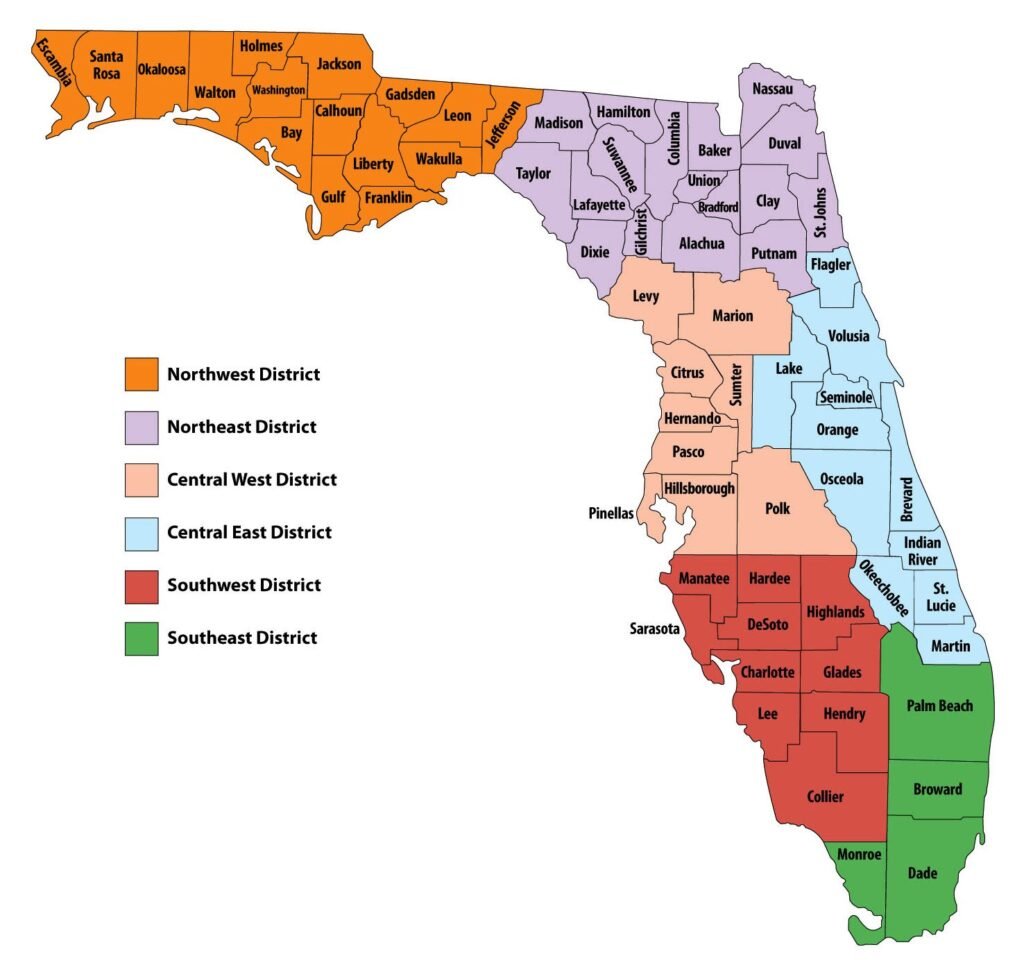
Regardless of the license type, every applicant must pay annual state fees directly to the ABT. These fees vary based on the type of license (e.g., beer and wine only, full liquor) and the population of the county where the business is located. Generally, counties with larger populations (like Miami-Dade, Broward, Palm Beach, and Orange) have higher annual fees. For instance, an annual full liquor license fee in a large county might be in the range of $1,820, while in a smaller county it could be around $1,300. These fees are recurring and must be paid annually to keep the license active.
Beyond the annual fees, there are initial application processing fees, which are typically non-refundable and relatively modest (often a few hundred dollars). There are also costs associated with background checks for all individuals listed on the application, which is a standard procedure for ensuring compliance and eligibility. While these state fees are predictable and transparent, they represent only a fraction of the total cost, especially for those seeking a quota license.
The Dynamics of Quota License Pricing
This is where the costs can skyrocket. Because quota licenses are finite and trade on an open market, their price is dictated purely by supply and demand. In highly desirable tourist destinations or rapidly developing areas, the demand for quota licenses far outstrips supply, driving prices into the hundreds of thousands of dollars, and sometimes even seven figures.
- Hot Markets: In areas like South Florida (encompassing Miami, Fort Lauderdale, West Palm Beach) or the Orlando metropolitan area, where tourism, luxury hotels, and vibrant nightlife are central to the economy, a quota license can easily command prices ranging from $300,000 to over $1,000,000. These are the epicenters of Florida’s travel and lifestyle scene, making liquor licenses critical assets for high-end resorts, entertainment complexes, and exclusive dining establishments.
- Growing Markets: In burgeoning cities like Tampa, Jacksonville, or Naples, where economic development and population growth are strong, quota license prices can range from $100,000 to $500,000, reflecting robust business opportunities and increasing demand.
- Smaller Counties: In more rural or less densely populated counties, the prices for quota licenses can be significantly lower, sometimes ranging from $20,000 to $100,000. While still a substantial investment, these areas offer different business landscapes and tourist profiles.
It’s important to remember that these are market prices paid to a current license holder, not to the state. The purchase of a quota license often involves a complex transaction, similar to buying real estate, with legal contracts, escrow accounts, and due diligence. Many aspiring business owners work with specialized liquor license brokers who facilitate these transactions and can provide up-to-date market valuations for specific counties.
Other Essential Expenses
Beyond the state fees and the acquisition cost of a quota license, several other expenses must be factored into the total investment:
- Legal and Consulting Fees: Navigating Florida’s liquor license laws can be intricate. Hiring an attorney specializing in liquor license applications is highly recommended. They can ensure compliance, handle paperwork, and represent the applicant throughout the process, preventing costly delays or rejections. Consultants can also provide valuable insights into market conditions and application strategies. These fees can range from a few thousand dollars for an SFS license application to tens of thousands for complex quota license transactions.
- Brokerage Fees: If a liquor license broker is used to find and secure a quota license, their fees (typically a percentage of the license’s sale price) must be accounted for.
- Escrow Fees: During the transfer of a quota license, an escrow agent is often used to hold funds, ensuring a secure transaction for both buyer and seller.
- Premise Build-Out and Improvements: Setting up a bar area, ensuring proper storage, and meeting health and safety regulations for serving alcohol often requires significant upfront investment in construction and equipment.
- Insurance: Businesses serving alcohol require specific types of liability insurance, which adds to ongoing operational costs.
- Compliance Training: Ensuring staff are properly trained in responsible alcohol service (e.g., checking IDs, recognizing intoxication) is crucial and often required by law.
When considering the total cost, it’s clear that acquiring a liquor license in Florida is a major financial undertaking that requires careful planning and a comprehensive budget.
Navigating the Application Process
Securing a liquor license in Florida is a multi-step process that demands meticulous attention to detail and patience. While the specific requirements vary slightly depending on the license type, the general pathway involves several key stages.
Key Steps and Requirements
- Determine License Type: The first crucial step is to identify the most appropriate license for your business model (e.g., SFS for a restaurant, quota for a bar or a high-volume hotel). This decision influences everything from cost to application complexity.
- Location and Zoning Verification: Before investing heavily, confirm that your business location is zoned for alcohol sales. Local county and municipal ordinances can impose additional restrictions on proximity to schools, churches, or residential areas.
- Gather Documentation: The ABT requires extensive documentation, including:
- Business entity documents (articles of incorporation, partnership agreements).
- Lease agreements or proof of property ownership.
- Detailed floor plans of the premises.
- Financial statements and proof of funding.
- Personal background information for all owners, officers, and managers (including fingerprints for criminal history checks).
- Proof of citizenship or legal residency.
- Complete Application Form: Fill out the comprehensive ABT application form accurately. Any omissions or errors can lead to delays.
- Submit Fees: Pay the required application processing fees and, if applicable, the annual license fee.
- Background Investigations: The ABT conducts thorough background checks on all relevant individuals to ensure they meet eligibility criteria. This includes criminal history, financial standing, and prior involvement with other licensed businesses.
- Premise Inspection: ABT agents will inspect the business premises to ensure it meets all physical requirements, health codes, and safety standards for selling and serving alcohol.
- Public Notice: In some cases, especially for new establishments, public notice requirements might involve posting a sign at the premises or publishing an announcement in a local newspaper, allowing for public comment or objection.
- Final Approval: Once all steps are completed, investigations concluded, and all requirements met, the ABT will issue the license.
This process can take anywhere from a few weeks for a straightforward SFS license to several months for a complex quota license transfer, especially if there are any issues with documentation or background checks.
Common Challenges and How to Overcome Them
Navigating the licensing process can present several hurdles. Common challenges include:
- Incomplete or Incorrect Documentation: Even minor errors can cause significant delays. Solution: Double-check all forms, gather all required documents upfront, and consider professional assistance.
- Zoning Issues: A dream location might not be zoned for alcohol sales. Solution: Verify zoning early in the planning process and consult with local government planning departments.
- Background Check Complications: Past legal issues or financial discrepancies can impede approval. Solution: Be transparent and address any potential issues proactively with your legal counsel.
- Local Opposition: In some communities, residents or other businesses might object to a new liquor license, particularly for establishments perceived as contributing to noise or disturbance. Solution: Engage with the community early, address concerns, and demonstrate a commitment to responsible operation.
- Delays in ABT Processing: The ABT processes a high volume of applications. Solution: Apply well in advance of your desired opening date and be prepared for the possibility of a lengthy waiting period.
Given the complexities and potential pitfalls, many applicants choose to engage liquor license attorneys or consultants. These professionals specialize in Florida’s regulations and can significantly streamline the process, mitigating risks and saving valuable time and money in the long run.
The Strategic Value for Florida’s Hospitality and Tourism Sector
For a state so heavily reliant on tourism and hospitality, a liquor license is far more than just a permit; it’s a critical strategic asset that directly impacts a business’s viability, profitability, and ability to deliver exceptional guest experiences. Florida’s identity as a premier travel destination, offering everything from luxury travel to budget-friendly family trips, is deeply intertwined with its diverse food and beverage offerings.
Enhancing Guest Experiences in Hotels and Resorts
For Florida’s extensive network of hotels, resorts, and vacation rentals, a liquor license is almost non-negotiable. From the opulent hotels in South Beach to the sprawling resorts near Walt Disney World in Orlando, guests expect the convenience and luxury of on-site bars, fine dining with extensive wine lists, and poolside cocktail service.
- Amenities: A full liquor license allows hotels to offer a complete suite of amenities, catering to the sophisticated tastes of travelers seeking a premium lifestyle experience. This includes elegant lobby bars, room service for alcoholic beverages, and lively evening entertainment venues within the property.
- Revenue Generation: For many hotels, food and beverage sales, particularly alcoholic beverages, represent a significant revenue stream. This is crucial for financial success in a competitive market like Florida.
- Guest Satisfaction: The ability to enjoy a crafted cocktail at a resort bar after a day at the beach in Clearwater or a glass of wine with dinner in St. Petersburg significantly enhances overall guest satisfaction and contributes to positive reviews and repeat visits. This is fundamental to Florida’s tourism appeal.
Boosting Revenue in Restaurants and Entertainment Venues
Restaurants, bars, nightclubs, and other entertainment venues are central to Florida’s vibrant local culture and tourist appeal. A liquor license is often the key differentiator and profit driver for these establishments.
- Profit Margins: Alcoholic beverages typically carry higher profit margins than food, making them essential for a restaurant’s financial health. For many eateries, especially those in popular tourist hubs like Miami Beach or Downtown Orlando, liquor sales can account for 25-40% or more of total revenue.
- Dining Experience: Pairing fine wines with gourmet meals, offering craft beers, or serving signature cocktails elevates the dining experience, attracting a broader clientele including discerning travelers.
- Nightlife and Entertainment: For Florida’s bustling nightlife, from the clubs of South Beach to the live music venues of Ybor City in Tampa, a full liquor license is the very foundation of their business model.
The Lifestyle and Investment Perspective
Beyond the immediate operational benefits, a liquor license in Florida represents a significant investment, especially for quota licenses. For entrepreneurs and investors, acquiring such a license is not just a cost but an appreciating asset that contributes to the overall valuation of a business. In a state where lifestyle and leisure are paramount, the ability to serve alcohol is integral to creating memorable experiences that draw people from across the globe.
Whether it’s a small boutique hotel aiming to offer bespoke experiences, a Michelin-starred restaurant seeking to provide unparalleled culinary journeys, or a new attraction looking to add an adult-friendly dimension, the liquor license underpins these aspirations. It’s a testament to the robust and dynamic nature of Florida’s economy, where the strategic acquisition and responsible management of a liquor license are fundamental to success in the competitive and exciting world of hospitality and tourism. The investment, while substantial, opens doors to significant revenue potential and contributes directly to the vibrant, multifaceted lifestyle that defines the Sunshine State.
LifeOutOfTheBox is a participant in the Amazon Services LLC Associates Program, an affiliate advertising program designed to provide a means for sites to earn advertising fees by advertising and linking to Amazon.com. Amazon, the Amazon logo, AmazonSupply, and the AmazonSupply logo are trademarks of Amazon.com, Inc. or its affiliates. As an Amazon Associate we earn affiliate commissions from qualifying purchases.