
The allure of the Maine Coon, often dubbed the “gentle giant” of the feline world, is undeniable. With their majestic size, luxurious shaggy coats, tufted ears, and famously amiable personalities, these cats capture the hearts of many. For prospective owners, the journey to welcoming one of these magnificent creatures often begins with a fundamental question: “How much does a Maine Coon kitten cost?” However, the price tag extends far beyond the initial purchase. Understanding the investment involved means delving into factors influencing the initial cost, the ongoing expenses of care, and even how this unique companion integrates into a lifestyle that might include travel, luxury, or simply a deep appreciation for quality living.
The Allure and Initial Investment of a Maine Coon
Acquiring a Maine Coon is more than just buying a pet; it’s an investment in a companion that will enrich your home for years to come. These cats are known for their intelligence, playful nature, and dog-like loyalty, making them ideal family pets. Their origins trace back to the state of Maine, where they evolved into hardy, semi-longhaired cats perfectly suited to the harsh winters of New England. Today, their popularity spans across the United States and beyond, driving demand and influencing their price.
The Majestic Maine Coon: A Gentle Giant
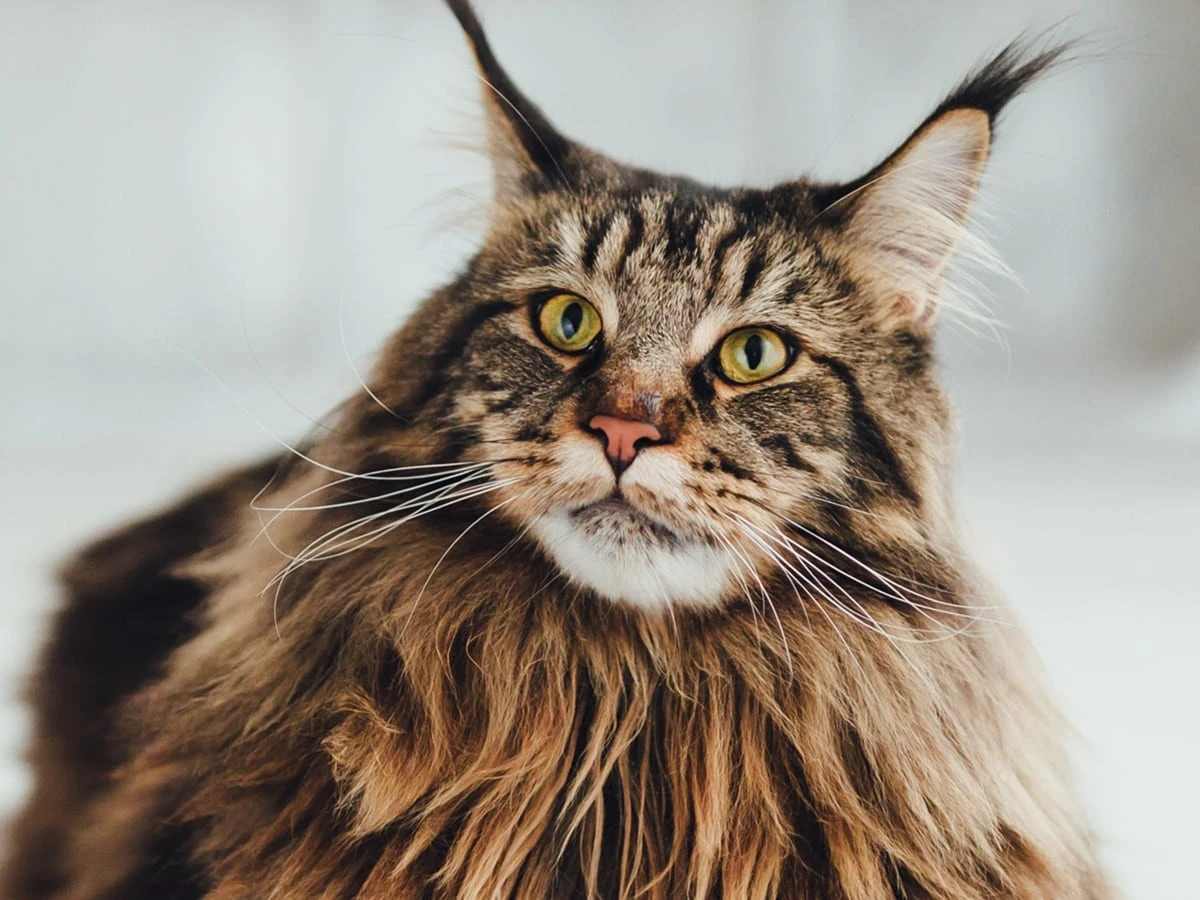
Before discussing cost, it’s essential to appreciate what makes a Maine Coon so special. They are one of the largest domesticated cat breeds, with males often weighing between 13-18 pounds and some reaching upwards of 20 pounds. Females are typically a bit smaller, ranging from 8-12 pounds. Their impressive size is complemented by a dense, water-repellent coat, bushy tails resembling a raccoons’, and expressive eyes. Beyond their physical grandeur, their temperament is what truly sets them apart. Known for being extremely sociable, patient, and good with children and other pets, they adapt well to various home environments. This combination of beauty, brawn, and gentle demeanor makes them highly sought after, naturally affecting their market value.
Initial Purchase Price: Factors Influencing the Cost
The upfront cost of a Maine Coon kitten typically ranges from $1,000 to $2,500 in the United States, though prices can vary significantly based on several key factors. This range primarily reflects the quality and reputation of the breeder, the kitten’s lineage, and its show potential.
One of the most significant factors is the breeder’s reputation and ethics. Reputable breeders invest heavily in the health and well-being of their breeding cats and kittens. This includes extensive genetic testing for common Maine Coon health issues like hypertrophic cardiomyopathy (HCM), hip dysplasia, and spinal muscular atrophy (SMA). They provide excellent nutrition, veterinary care, early socialization, and often microchip their kittens before they go to their new homes. Breeders affiliated with recognized cat registries like the Cat Fanciers’ Association (CFA) or The International Cat Association (TICA) often command higher prices due to their adherence to breed standards and ethical practices. For example, a breeder operating out of a dedicated facility near Portland, Maine or Boston, Massachusetts, known for champion bloodlines, might charge at the higher end of the spectrum. Conversely, a backyard breeder or a pet store might offer lower prices, but often at the expense of proper health screenings, socialization, and ethical breeding practices, which can lead to costly health issues down the line.
Lineage and pedigree also play a crucial role. Kittens from champion lines, where parents or grandparents have won titles in cat shows, will naturally be more expensive. These kittens possess desirable traits and conform closely to breed standards. Show-quality kittens, those deemed to have the potential to compete, will be at the very top of the price range. Pet-quality kittens, while still purebred and healthy, may have minor imperfections that prevent them from being show cats but make them perfect companions.
Location can also impact the price. Breeders in major metropolitan areas like New York City or Los Angeles might have higher operating costs, which are reflected in kitten prices. Demand also plays a part; if there’s high demand in a particular region, prices may be higher. For instance, breeders in less populous areas of Texas or the Midwest might offer slightly lower prices than their counterparts in California or Florida.
Finally, color and gender can sometimes influence the price, though usually to a lesser extent. Rare colors or patterns might fetch a premium, and female kittens, due to their breeding potential, are occasionally priced higher than males, especially if sold with breeding rights (which significantly increases the price and is usually only for experienced breeders).
Beyond the Purchase: Ongoing Costs of Maine Coon Ownership
The initial purchase price is just the beginning of the financial commitment. Owning a Maine Coon requires significant ongoing investment in their health, nutrition, grooming, and enrichment. Prospective owners must budget for these long-term expenses to ensure their gentle giant thrives.
Essential Supplies and Initial Setup
When your Maine Coon kitten first arrives, you’ll need to have several essential items ready. These initial setup costs can range from $200 to $500.
- Food and Water Bowls: Stainless steel or ceramic are recommended for hygiene.
- Litter Box and Litter: Due to their large size, Maine Coons need an extra-large litter box. High-quality clumping litter is essential.
- Scratching Posts/Trees: To protect your furniture and provide an outlet for natural scratching instincts, sturdy, tall scratching posts or cat trees are a must.
- Beds: Comfortable beds for napping.
- Toys: A variety of toys for mental stimulation and exercise. Maine Coons are intelligent and enjoy interactive play.
- Grooming Supplies: Brushes (pin brush, slicker brush, de-shedding tool), nail clippers, and cat-specific shampoo.
- Carrier: A spacious, secure carrier is vital for vet visits and any travel.
Monthly recurring costs for food, litter, and replacement toys typically range from $50 to $100, varying based on the quality of food and type of litter. Given their size, Maine Coons consume more food than an average domestic cat, making quality nutrition a significant ongoing expense.
Veterinary Care: A Lifelong Commitment
Veterinary care is perhaps the most critical long-term financial commitment. Regular check-ups, vaccinations, and preventive care are essential for a healthy life.
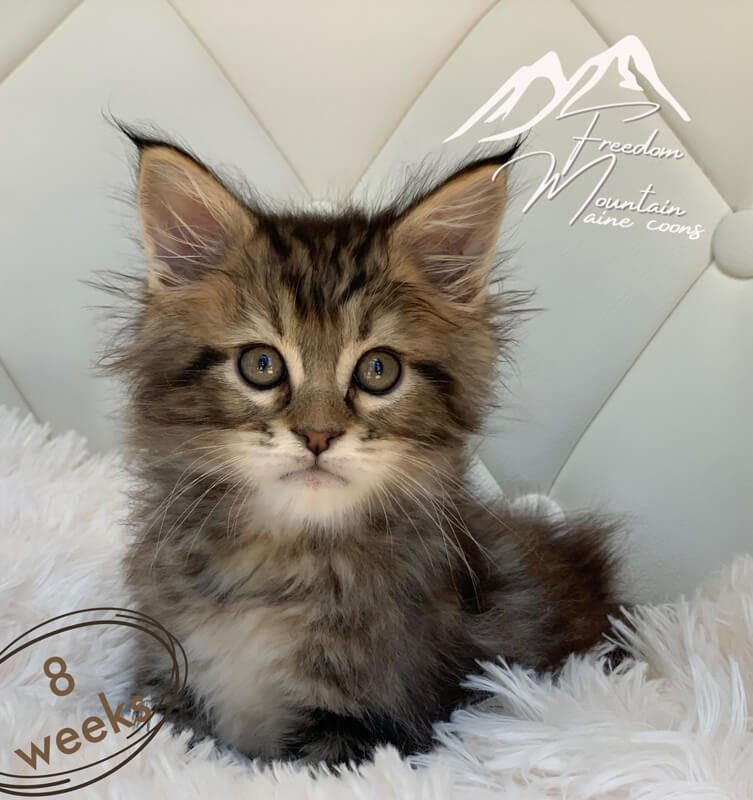
- Initial Vet Visit & Vaccinations: After bringing your kitten home, an initial vet check-up is crucial. This, along with the first round of vaccinations (distemper, rabies, feline leukemia if recommended), deworming, and microchipping (if not already done by the breeder), can cost $100 to $300.
- Spaying/Neutering: This procedure, typically done around 6 months of age, can range from $200 to $500, depending on your location and the clinic.
- Annual Check-ups: Once adult, annual vet visits, including booster vaccinations and a general health examination, usually cost $100 to $200 per year.
- Preventive Medications: Flea, tick, and heartworm preventatives are ongoing monthly or quarterly expenses, totaling around $100 to $200 annually.
- Emergency & Illness Care: Unforeseen accidents or illnesses can lead to significant veterinary bills, often running into hundreds or thousands of dollars. Pet insurance, ranging from $20 to $50 per month, can help mitigate these costs and is highly recommended for Maine Coon owners, especially given the breed’s predispositions to certain conditions.
Grooming, Training, and Enrichment
While Maine Coons are generally good at self-grooming, their long, dense coats require regular human assistance to prevent matting and hairballs.
- Home Grooming: Daily or weekly brushing is essential. Investing in quality brushes and a good cat comb is a one-time expense.
- Professional Grooming: Some owners opt for professional grooming every few months, especially during shedding seasons, which can cost $50 to $100 per session. This can be particularly useful if you’re traveling and need your cat to be in top condition or if you simply prefer professional care.
- Training and Socialization: Maine Coons are intelligent and can be trained to walk on a leash or play fetch. While not always a direct cost, time investment in training is crucial for their well-being. Behavioral consultations, if needed, can cost $100 to $300 per session.
- Enrichment: Keeping a Maine Coon mentally stimulated requires interactive toys, puzzle feeders, and potentially an outdoor enclosure (catio) for safe outdoor access. These can be ongoing, variable expenses based on your preferences.
The Lifestyle Choice: Integrating a Maine Coon into Your World
For many, a pet is an extension of their lifestyle. A Maine Coon is not just a cat; it’s a prominent, interactive member of the household, influencing decisions from home décor to travel plans. Understanding this integration is key to a harmonious life with your feline companion.
Maine Coons and Your Travel Plans: Pet-Friendly Accommodations and Planning
For individuals or families who embrace travel, owning a large, beloved cat like a Maine Coon requires careful consideration. Traveling with pets, especially larger ones, can add layers of complexity and cost.
- Pet-Friendly Accommodations: Finding hotels or resorts that welcome large cats can be a challenge. Many luxury hotel brands, such as select Four Seasons properties or the pet-centric Kimpton Hotels and Loews Hotels, have excellent pet policies, but often levy a nightly or per-stay pet fee, which can range from $25 to $150. It’s crucial to check specific policies when booking through platforms like Marriott International or Hilton Worldwide, as policies vary widely by individual hotel. For extended stays or a more home-like experience, pet-friendly apartments or villas booked through vacation rental sites may offer more space and fewer restrictions, albeit often with a cleaning fee.
- Transportation: Whether driving or flying, a large, secure carrier is essential. For air travel, a Maine Coon is almost certainly too large to fit under the seat and would need to travel as cargo, which is generally discouraged for pets due to stress and safety concerns, especially for flat-faced breeds (though Maine Coons do not have this issue). Car travel requires careful planning, including frequent stops, access to water, and a comfortable, secure space.
- Pet Sitters/Boarding: If traveling without your Maine Coon, budgeting for a reliable pet sitter or a reputable boarding facility is necessary. In-home pet sitting services can cost $30 to $100 per visit, while boarding kennels range from $20 to $60 per day, with specialized catteries offering luxury suites at higher rates. For example, a luxurious pet resort near San Francisco or Miami might offer individual cat “condos” with webcams, reflecting a higher-end accommodation experience for your pet.
Finding Your Feline Companion: Exploring Breeders and Destinations
The search for the perfect Maine Coon kitten can itself be an adventure, blending the joys of pet adoption with the excitement of travel. Many prospective owners travel regionally or even across states to visit reputable breeders. This offers a chance to meet the kittens, observe their environment, and interact with the parent cats, ensuring a good fit.
- Breeder Visits as Destinations: Some breeders are located in scenic or noteworthy areas. For instance, traveling to visit a reputable cattery like Pine Ridge Cattery in rural Maine might be combined with a weekend getaway to explore nearby attractions like Acadia National Park or the charming coastal towns of Kennebunkport and Bar Harbor. This transforms the practical task of selecting a kitten into a memorable tourism experience.
- Researching Breeders Across States: Given the specialization of breeding, finding a specific bloodline or color might require looking beyond your immediate locality. Traveling to a breeder in a different state, perhaps a weekend trip from New York City to a breeder in Pennsylvania, or from California to a reputable breeder in Oregon or Washington, necessitates planning for flights, rental cars, and accommodation. This is where knowledge of booking pet-friendly suites and understanding local transportation becomes invaluable. A breeder like Acadia Maine Coons or Whispering Pines may draw visitors from hundreds of miles away, turning the acquisition of a kitten into a small journey.
- Tourism Aspect: The journey to pick up a kitten can also be an opportunity to explore local culture, enjoy regional cuisine, or visit unique landmarks. It transforms a logistical necessity into a pleasant short trip, aligning with the website’s focus on travel and experiences.
Luxury Pet Ownership: A Reflection of a Refined Lifestyle
For those who embrace a luxury lifestyle, owning a Maine Coon can be part of a broader commitment to quality and comfort, extending to their pets. This might involve premium organic cat food, designer cat furniture, bespoke cat trees, or even elaborate outdoor enclosures. High-end pet services, such as professional in-home grooming, specialized pet massage, or even obedience training with renowned animal behaviorists, become part of the pet care routine. The lifestyle surrounding a Maine Coon often reflects the owner’s aesthetic and values, akin to selecting a specific brand of luxury car or a preferred type of high-end accommodation. It’s about providing the absolute best for a cherished family member, ensuring their health, happiness, and integration into a sophisticated living environment.
Making an Informed Decision: Is a Maine Coon Right for You?
Ultimately, deciding to bring a Maine Coon into your home requires more than just admiring their beauty. It demands a thoughtful assessment of the financial commitment, time investment, and how this majestic cat will fit into your daily life and future plans.
Financial Preparedness and Long-Term Commitment
As outlined, the costs associated with a Maine Coon go far beyond the initial kitten price. Over their average lifespan of 12-15 years, the total cost of ownership can easily accumulate to $10,000 to $20,000 or more, depending on individual needs, health issues, and lifestyle choices. This comprehensive figure includes food, litter, routine vet care, potential emergency vet bills, grooming, toys, and potentially pet-sitting or boarding fees if you travel frequently. Prospective owners should realistically assess their budget to ensure they can provide a high quality of life for their Maine Coon without financial strain.
Adoption vs. Breeder: Ethical Considerations
While this article focuses on the cost of purchasing a purebred Maine Coon kitten from a breeder, it’s vital to consider adoption as an alternative. Many purebred Maine Coons or Maine Coon mixes end up in shelters or breed-specific rescues due to various circumstances. Adoption fees are significantly lower, typically ranging from $50 to $200, and often include spaying/neutering, vaccinations, and microchipping. Adopting a cat in need is a compassionate choice and offers a loving home to an animal that might otherwise be overlooked. While rescue cats may not come with pedigree papers, they offer the same love and companionship, often at a fraction of the cost, making it a viable and ethical option for many.
In conclusion, the question “How much is a Maine Coon kitten?” opens up a broader discussion about responsible pet ownership. It’s not merely a price, but an investment in a loyal, loving companion whose presence will enrich your home and potentially influence aspects of your lifestyle, from your daily routines to your future travel plans. For those prepared for the commitment, the joy and companionship a Maine Coon brings are truly priceless.
LifeOutOfTheBox is a participant in the Amazon Services LLC Associates Program, an affiliate advertising program designed to provide a means for sites to earn advertising fees by advertising and linking to Amazon.com. Amazon, the Amazon logo, AmazonSupply, and the AmazonSupply logo are trademarks of Amazon.com, Inc. or its affiliates. As an Amazon Associate we earn affiliate commissions from qualifying purchases.