
Planning a trip to New York often starts with a single, crucial question: “How much will the flight cost?” The answer, however, is rarely straightforward. Like a dynamic financial puzzle, the price of a plane ticket to the vibrant metropolis can fluctuate wildly based on a myriad of factors. From the time of year you wish to travel to the specific airline you choose, and even how far in advance you secure your seat, each decision plays a significant role in your overall expenditure. Understanding these dynamics is the first step in unlocking an affordable journey to the Big Apple.
New York is a global hub for tourism, drawing millions of visitors annually for business stays, family trips, and everything in between. Whether you’re dreaming of strolling through Central Park, catching a Broadway show, or exploring world-class museums, getting there is the first hurdle. This comprehensive guide aims to demystify airfare pricing, providing you with actionable tips and strategies to find the best possible deals on your plane ticket to one of the world’s most iconic destinations. We’ll delve into the intricacies of booking, discuss how to navigate different airline offerings, and ultimately help you budget effectively for an unforgettable New York experience.
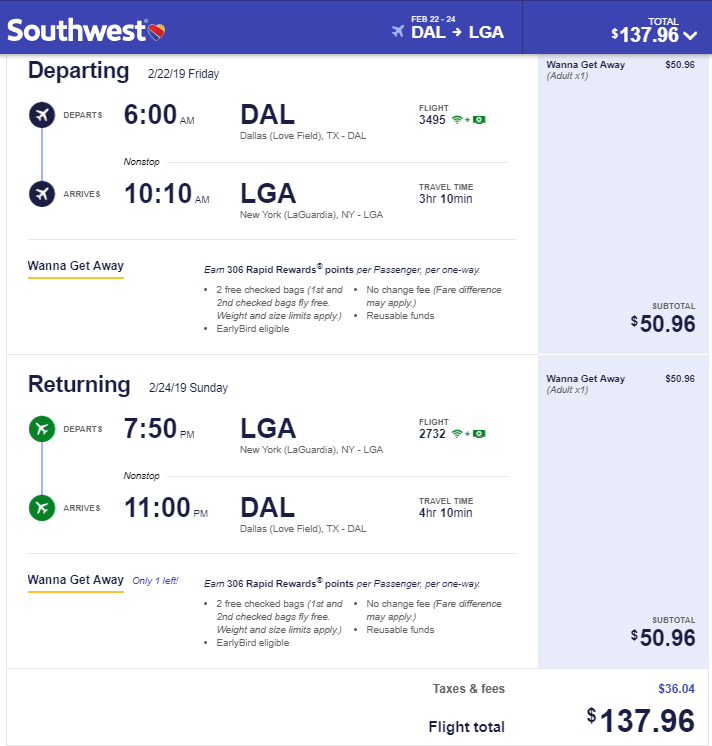
Understanding the Dynamics of Flight Prices to New York
The cost of a plane ticket is rarely static; it’s a fluid number influenced by a complex interplay of supply, demand, and various external factors. Grasping these underlying dynamics is essential for any savvy traveler looking to minimize their travel expenses.
Key Factors Influencing Your Ticket Cost
Several critical elements dictate the price you’ll pay for a flight to New York. Being aware of these can empower you to make more informed decisions.
- Time of Year (Seasonality): This is perhaps the most significant factor. Peak seasons, such as summer (June to August), major holidays like Thanksgiving and Christmas, and spring break periods, invariably see higher demand and, consequently, higher prices. Everyone wants to visit New York when the weather is pleasant or during festive times. Conversely, the shoulder seasons (spring and fall) or the colder months of January and February often present more affordable options. For instance, flying to New York in mid-January can be significantly cheaper than flying in July.
- Booking Window (When to Book): The sweet spot for booking international flights is generally considered to be 2-8 months in advance. For domestic flights within the United States, this window might shrink to 1-4 months. Booking too early (e.g., a year out) can sometimes result in higher prices as airlines haven’t yet released their full range of discounted fares. Booking too late, especially within a few weeks of departure, almost always leads to inflated costs as airlines capitalize on last-minute demand, particularly for popular routes.
- Departure City & Airport: The city and specific airport from which you depart can have a substantial impact. Major international hubs like London’s Heathrow Airport (LHR) or Paris’ Charles de Gaulle Airport (CDG) might offer more competitive pricing due to higher flight frequencies and competition among airlines. Domestically, flying from large cities such as Los Angeles (Los Angeles International Airport – LAX), Chicago (O’Hare International Airport – ORD), or Miami (Miami International Airport – MIA) often yields more direct and cost-effective flights compared to smaller regional airports, which might require connecting flights and potentially higher fares.
- Airline Choice & Class: Your choice of airline, from budget carriers to full-service luxury airlines, directly affects the price. Budget airlines typically offer lower base fares but charge extra for everything from checked luggage and seat selection to in-flight meals. Full-service airlines include many of these amenities in the ticket price. Furthermore, the class of service – Economy, Premium Economy, Business, or First Class – will dramatically alter the cost, with First Class tickets easily running into thousands of dollars for a transatlantic or transcontinental journey.
- Flexibility: Being flexible with your travel dates, times, and even the specific departure or arrival airport can unlock significant savings. Flying on weekdays (Tuesday, Wednesday, Thursday) is often cheaper than weekends. Similarly, opting for early morning or late-night flights can sometimes shave off a considerable amount compared to mid-day departures.
Strategies for Finding the Best Deals
Armed with an understanding of what drives flight prices, you can now employ specific strategies to secure the most favorable fares for your New York adventure. Smart booking habits can turn a pricey trip into an affordable one.
Timing Your Purchase: When to Book
The precise moment you click “buy” can make a difference of hundreds of dollars.
- The “Sweet Spot”: As mentioned, for international flights to New York, aiming for 2-8 months out generally provides the best value. For domestic flights, 1-4 months is a good benchmark. During this period, airlines tend to release their most competitive fares to fill seats, before increasing prices as the departure date approaches and demand solidifies.
- Avoiding Last-Minute Bookings: Unless there’s an unforeseen flash sale (which is rare for popular routes to New York), booking within a few weeks of your travel date is almost always the most expensive option. Airlines know that last-minute travelers, especially business travelers or those with urgent plans, have less price sensitivity.
- Utilizing Price Alerts: Many flight comparison websites and airline apps offer price alert features. By setting up an alert for your desired route and dates, you’ll be notified automatically when prices drop, allowing you to snatch up a deal without constantly checking manually. This is an invaluable tool for passive price monitoring.
Choosing Your Travel Dates Wisely
When you fly is just as important as when you book. Strategic date selection can lead to substantial savings.
- Peak Season vs. Off-Peak Season: Avoid peak seasons and major holidays if your schedule allows. Winter (excluding the holiday season) and the shoulder months (late January to early March, late September to early November) are typically the cheapest times to visit New York. While the weather might be colder or less predictable, the reduced crowds and lower prices for both flights and accommodation can make it worthwhile.
- Mid-week Travel: Flying out on a Tuesday or Wednesday and returning on a Tuesday, Wednesday, or Thursday often results in lower fares than weekend departures and returns. Weekends are prime travel times for both leisure and business travelers, driving up demand and prices.
- Major Holidays and Events: Be particularly wary of flying around major holidays like Christmas, New Year’s, Easter, Thanksgiving, and even popular events like the New York City Marathon. Prices during these periods can skyrocket, sometimes doubling or tripling normal fares.
Selecting Your Departure and Arrival Airports
New York City is uniquely served by three major airports, each with its own characteristics that can impact your flight cost and overall convenience.
- Major Airports in the New York Area:
- JFK (John F. Kennedy International Airport): The largest and busiest of the three, JFK is a major international gateway. It generally offers the most flight options, especially for long-haul and international routes, and can often present competitive pricing due to the sheer volume of airlines operating there. It’s located in Queens and accessible to Manhattan via the AirTrain and MTA Subway.
- LaGuardia Airport (LGA): Primarily handles domestic flights and is closer to Manhattan than JFK. While historically known for its older terminals, recent massive renovations have transformed it into a modern facility. Flights to LaGuardia can sometimes be cheaper for domestic routes, but options might be more limited than JFK.
- Newark Liberty International Airport (EWR): Located in New Jersey, Newark Liberty is another major international and domestic hub. It’s easily accessible to Manhattan via NJ Transit trains and the AirTrain. Prices here can sometimes be more competitive, especially for flights originating from the western United States or certain international locations, as it serves as a base for different airlines than JFK or LaGuardia. Always check all three airports when searching for flights to New York.
- Considering Alternate Departure Cities: If you live near multiple major airports (e.g., near both Boston and New York, or Toronto and Montreal for Canadian travelers), compare prices from each. Sometimes, a short drive or an inexpensive train ticket to a slightly further airport can result in significant savings on your flight to New York.
Navigating Airlines and Flight Classes
The airline you choose and the class you fly can dramatically alter your budget.
- Budget Carriers vs. Full-Service Airlines: For cost-conscious travelers, budget airlines are often the first choice. They strip down the service to its bare essentials, offering low base fares. However, read the fine print! Hidden costs for luggage, seat selection, and in-flight services can quickly add up, sometimes negating the initial savings. Full-service airlines might seem more expensive upfront, but their fares often include checked bags, meals, and entertainment, providing better overall value for some travelers, especially on longer flights.
- Economy, Premium Economy, Business, First Class: Most travelers opt for Economy Class due to its affordability. However, if your budget allows for a little more comfort, Premium Economy offers more legroom and enhanced services without the hefty price tag of Business Class. Business and First Class are in a different league entirely, offering lie-flat seats, gourmet dining, and exclusive lounge access, catering to luxury travel or business stays where comfort and productivity are paramount.
- Connecting Flights vs. Direct Flights: Direct flights are convenient but often pricier. Opting for a connecting flight, especially one with a longer layover or through a less common hub, can significantly reduce your fare. This trade-off between time and money is a personal decision, but it’s a powerful tool for budget travel.
Beyond the Airfare: Budgeting for Your New York Experience
Securing a great flight deal is just the first step in planning your trip to New York. To truly understand “How much is a plane ticket to New York?”, you must place that cost within the context of your overall travel budget. New York can be an expensive city, but with careful planning, it’s possible to manage costs across all aspects of your visit.
Accommodation in the Big Apple
New York offers a vast spectrum of accommodation options, from ultra-luxurious hotels to budget-friendly apartments and hostels. Your choice here will be a major determinant of your total trip cost, second only to airfare.
- Hotels in Manhattan, Brooklyn, Queens: Staying in Manhattan puts you at the heart of the action, close to landmarks like Times Square, the Empire State Building, and Rockefeller Center. However, hotels here, particularly in areas like Midtown or SoHo, come with a premium price tag. Popular chains like Marriott, Hilton, and Hyatt have numerous properties, some offering luxurious suites with stunning city views. For a truly iconic stay, a historic property like The Plaza Hotel or a modern marvel like Four Seasons Hotel New York Downtown exemplifies luxury travel. For more affordable options, consider neighborhoods in Brooklyn (like Williamsburg or Downtown Brooklyn) or Queens (like Long Island City), which offer excellent transit connections to Manhattan at a fraction of the cost. You can find everything from boutique hotels like The Standard, High Line to more economical choices.
- Apartments & Vacation Rentals: Websites offering apartments and private room rentals can be a fantastic way to save money, especially for family trips or long-term stays. They often provide more space, kitchen facilities for self-catering, and a chance to experience the local culture like a local.
- Budget-Friendly Options vs. Luxury Stays: Hostels, particularly in Brooklyn or Queens, offer the cheapest beds. For those seeking luxury travel, New York boasts some of the world’s most opulent resorts and villas (or serviced apartments designed as such), especially around Central Park or the Upper West Side. Doing a thorough comparison and reading reviews on accommodation booking sites is crucial.
Exploring New York’s Attractions and Activities
New York is brimming with attractions and activities, catering to every interest and budget.
- Iconic Landmarks: Visiting famous places like the Statue of Liberty, the Empire State Building, or One World Trade Center will incur entrance fees. Consider purchasing a city pass (like the New York Pass or CityPASS) if you plan to visit multiple paid landmarks; these can offer significant savings.
- Museums: New York is home to world-renowned museums such as the Metropolitan Museum of Art (The Met), the Museum of Modern Art (MoMA), the American Museum of Natural History, and the Guggenheim Museum. Many offer “pay-what-you-wish” days or free entry at specific times, a great option for budget travel.
- Broadway Shows: A quintessential New York experience, but tickets can be pricey. Look for discount codes or visit the TKTS booth in Times Square for same-day discounted tickets.
- Free Activities: Don’t forget the abundance of free activities. Stroll across the Brooklyn Bridge, wander through Central Park, explore Grand Central Terminal’s stunning architecture, or simply people-watch in Times Square. These moments contribute immensely to the New York experience without costing a dime.
Food, Transportation, and Miscellaneous Expenses
Beyond flights and accommodation, everyday expenses add up.
- Dining Options: New York’s culinary scene is unparalleled. You can splurge on fine dining, enjoy diverse ethnic food in neighborhoods like Greenwich Village or Chinatown, or save money with abundant street food, delis, and casual eateries. Planning some meals at your apartment or packing snacks can significantly cut food costs.
- Public Transportation: The MTA Subway and bus system is the most efficient and cost-effective way to get around the five boroughs (Manhattan, Brooklyn, Queens, The Bronx, and Staten Island). Purchase a MetroCard for easy access. Taxis and ride-shares are convenient but will quickly deplete your budget.
- Shopping and Souvenirs: Factor in any shopping you plan to do, from high-end boutiques on Fifth Avenue to unique finds in SoHo or Greenwich Village. Souvenirs, while tempting, can also add up.
Insider Tips for a Cost-Effective New York Trip
To maximize your budget and truly enjoy your New York adventure, here are some final tips gleaned from seasoned travelers and tourism experts.
- Be Flexible with Dates and Airports: This cannot be stressed enough. A willingness to shift your travel dates by a few days or consider flying into/out of Newark Liberty International Airport instead of JFK or LaGuardia can open up significantly cheaper fares. Use flight search engines that allow flexible date searches (e.g., “whole month” or “cheapest month”) to identify the most opportune times.
- Use Flight Comparison Websites: Websites like Google Flights, Skyscanner, Kayak, and Expedia are indispensable tools. They aggregate data from numerous airlines and online travel agencies, providing a comprehensive comparison of prices. Always check a few different sites, as no single platform captures every deal.
- Set Price Alerts: Once you have an idea of your preferred travel dates and route, set up price alerts. This automation will notify you when prices drop, ensuring you don’t miss a good deal.
- Consider Bundling Flights and Hotels: Sometimes, booking your flight and hotel together as a package deal through a travel agency or online platform can result in savings compared to booking them separately. This is particularly useful for family trips or longer stays where accommodation costs are substantial.
- Travel During Off-Peak Seasons: Embrace the less popular months. While winter in New York can be chilly, the city takes on a magical quality, and airfares and hotel rates plummet after the holiday rush. The crisp autumn air and vibrant fall foliage also make for a beautiful and often more affordable visit.
- Explore Alternative Accommodation: Don’t limit yourself to traditional hotels. Hostels, guesthouses, or apartments outside of Manhattan can provide comfortable and clean options at a fraction of the cost, often in neighborhoods with rich local culture and fantastic food scenes. Always read reviews carefully before booking any accommodation for a positive experience.
In conclusion, there’s no single answer to “How much is a plane ticket to New York?” It depends entirely on when you go, how you book, and what level of comfort you seek. By understanding the influencing factors and employing smart booking strategies, you can significantly reduce your airfare and allocate more of your budget to experiencing the incredible attractions, diverse food, and vibrant lifestyle that New York has to offer. With careful planning, your dream trip to the greatest city in the world is well within reach.
LifeOutOfTheBox is a participant in the Amazon Services LLC Associates Program, an affiliate advertising program designed to provide a means for sites to earn advertising fees by advertising and linking to Amazon.com. Amazon, the Amazon logo, AmazonSupply, and the AmazonSupply logo are trademarks of Amazon.com, Inc. or its affiliates. As an Amazon Associate we earn affiliate commissions from qualifying purchases.