
Navigating the Sunshine State by car is a quintessential part of the Florida experience, whether you’re embarking on a scenic road trip from the bustling theme parks of Orlando to the vibrant beaches of Miami, or exploring the historic charm of St. Augustine. However, a moment of inattention at an intersection can quickly turn a pleasant drive into a costly encounter with the law. Understanding the financial implications of a red light ticket in Florida is crucial for any driver. This guide delves into the intricacies of these citations, from the base fines to potential additional costs and the impact on your driving record.
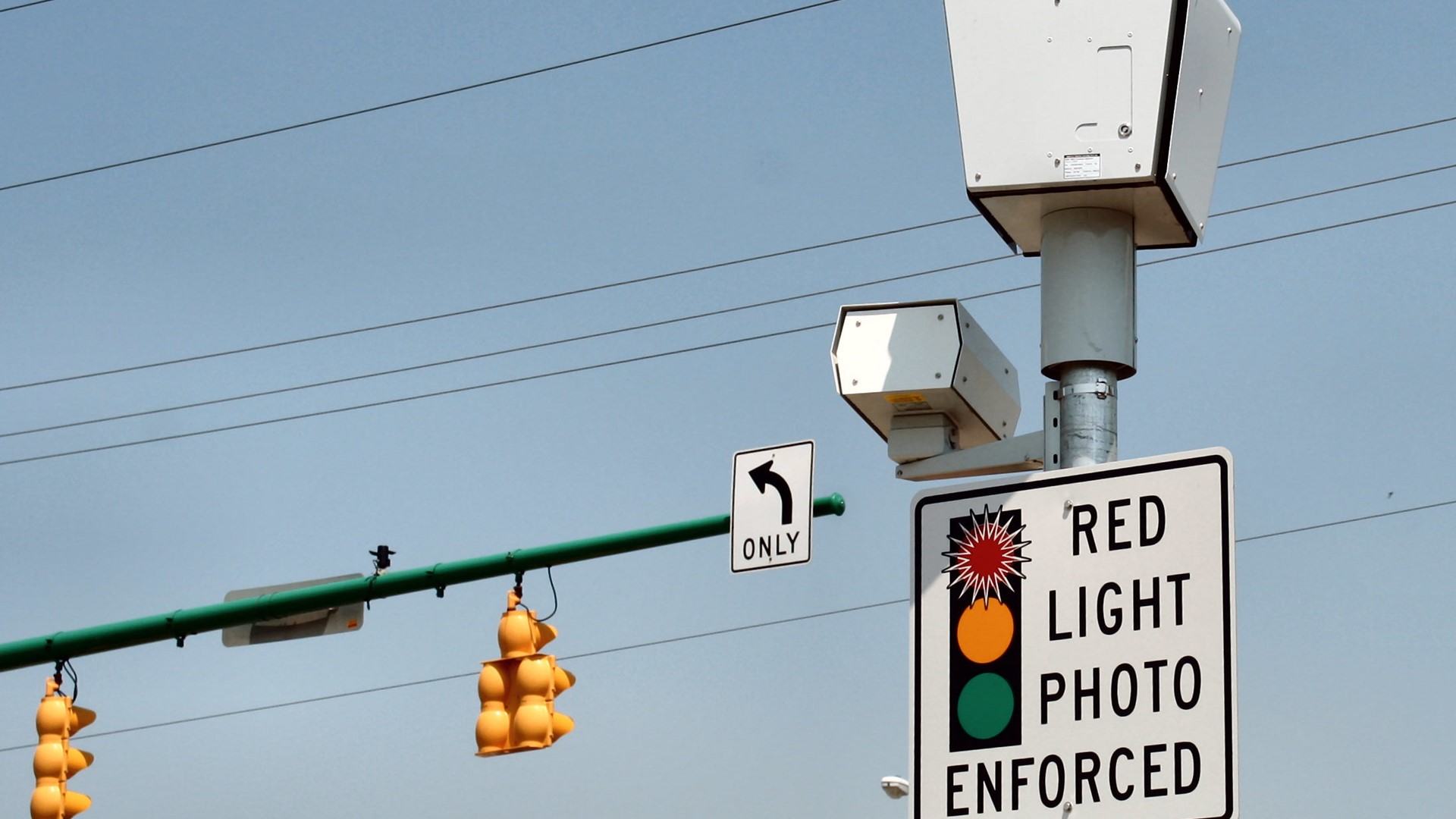
The law in Florida regarding red light violations is clear: drivers must come to a complete stop before the designated line when a traffic signal is red. This rule is enforced through various means, including police observation and automated red light cameras. While the intent is to improve safety and reduce accidents, the penalties can be substantial. For anyone planning a visit or residing in the state, from those staying in luxurious Palm Beach resorts to budget-conscious travelers exploring the Florida Keys, knowing these costs can help avoid unexpected expenses.
Understanding the Base Fine for a Red Light Ticket in Florida
The base fine for a red light ticket in Florida is set by state statute. Currently, a standard red light violation, whether issued by a law enforcement officer or an automated traffic enforcement system, typically incurs a fine of $158. This figure is a statewide standard and applies across all counties. It’s important to note that this is the “base” fine, and while it’s a significant sum, it’s not the entirety of the potential financial burden.
The Distinction Between Officer-Issued and Camera-Issued Tickets
While the base fine remains the same, the process and some nuances can differ between a ticket issued by a police officer and one generated by a red light camera.
Officer-Issued Red Light Tickets
When a Florida law enforcement officer observes a vehicle failing to stop at a red light, they can issue a citation directly. This type of ticket often comes with points assessed against your driver’s license. For instance, a standard red light violation might add 4 points to your record. Accumulating too many points within a certain timeframe can lead to license suspension, an even more significant consequence than the monetary fine. The officer will provide you with the citation, detailing the violation, the court date, and the fine amount.
Red Light Camera Tickets
Florida has implemented red light cameras at numerous intersections throughout the state, particularly in high-traffic areas like Tampa, Fort Lauderdale, and Jacksonville. These cameras are designed to capture images of vehicles running red lights. If a violation is detected, a notice is mailed to the registered owner of the vehicle. A key distinction with camera-issued tickets is that they are generally considered “civil infractions,” meaning they typically do not carry points on your driving record. This can be a significant relief for drivers concerned about maintaining a clean driving history, especially if they are on a long-term stay in a city like Miami or are frequently on business trips that require extensive driving.
However, this lack of points does not mean the ticket can be ignored. The $158 fine still applies. Furthermore, if the ticket is not paid by the due date, late fees and additional penalties can be added, effectively increasing the cost. While camera tickets aim to be less punitive in terms of license points, the financial aspect remains consistent with officer-issued tickets if paid on time. The specific intersections equipped with these cameras are usually marked with signage, but vigilance is always advised, especially when exploring unfamiliar areas or navigating busy city centers.
Additional Costs and Penalties Beyond the Base Fine
The $158 fine is just the starting point. Several other factors can increase the total cost of a red light ticket in Florida, making it a much more significant financial hit.
Court Costs and Fees
In some instances, especially if you choose to contest the ticket in court or if certain court procedures are involved, you may incur additional court costs and administrative fees. While Florida generally tries to streamline the process for red light violations, particularly camera tickets, engaging with the legal system always carries the potential for added expenses. These costs can vary depending on the specific court and the complexity of the case.
Increased Insurance Premiums
This is perhaps the most significant long-term consequence of a red light ticket, especially for those with officer-issued citations that add points to your driving record. Insurance companies view drivers with traffic violations as higher risks. Consequently, a red light ticket can lead to a substantial increase in your auto insurance premiums. The exact amount of the increase varies significantly depending on your insurance provider, your driving history, your age, and the coverage you have. However, it’s not uncommon for premiums to rise by 10-25% or even more after a conviction. For a driver who frequently travels across Florida, perhaps for leisure trips to Clearwater or business stays in Tallahassee, this ongoing increased cost can add up to thousands of dollars over the life of your policy. This makes avoiding tickets not just about the immediate fine but also about safeguarding your financial future.
Driver Improvement Courses
In Florida, if you accumulate too many points on your driving record, you may be required to complete a driver improvement course. This is often an alternative to license suspension for certain violations or point accumulations. While the course itself has a fee, successfully completing it can help prevent license suspension and, in some cases, may even allow you to keep points off your record or reduce their impact. The cost of these courses typically ranges from $30 to $100, plus any associated administrative fees. For travelers who find themselves in this situation, it adds another layer of inconvenience and expense to an already frustrating experience.
The Impact of Late Payment
Ignoring a red light ticket in Florida is a costly mistake. If the fine is not paid by the due date, significant penalties will be added. These late fees can substantially increase the original $158 fine. Furthermore, a failure to pay or respond to the ticket can lead to a suspension of your driver’s license and a hold on your vehicle registration. This means you won’t be able to renew your registration until the ticket and all associated penalties are settled. For anyone relying on their vehicle for travel, whether for tourism, business, or daily life, this can be a severe disruption. The total amount due can quickly escalate beyond the initial fine, making timely payment or contesting the ticket the most prudent course of action.
Options for Dealing with a Red Light Ticket in Florida
When you receive a red light ticket in Florida, you generally have a few options. The best choice depends on your individual circumstances, the type of ticket, and your willingness to potentially incur additional costs or time.
Paying the Fine
The simplest and most direct approach is to pay the fine. As mentioned, for a standard red light violation, this is $158. If you choose this option, you are admitting guilt and accepting the consequences, which may include points on your license if it was an officer-issued ticket. For camera-issued tickets, paying the fine resolves the matter without affecting your driving record. It is crucial to pay by the specified deadline to avoid late fees and further penalties. Online payment portals are often available for both county courts and specific traffic ticket processing centers, making it convenient for residents and visitors alike, even if they are currently enjoying their stay in a Florida resort.
Contesting the Ticket
If you believe the ticket was issued in error, or if you have grounds to challenge the violation, you have the right to contest it in court. This process can be more time-consuming and may involve legal representation.
Going to Court
To contest a ticket, you will need to notify the issuing court of your intention to plead not guilty. You will then be scheduled for a court hearing. In court, you can present your case, explain why you believe the ticket should be dismissed, and potentially call witnesses. If you are successful, the ticket will be dismissed, and you will not have to pay the fine or incur points. However, if you are unsuccessful, you will still be required to pay the fine, and you might also be responsible for court costs. For those vacationing in Florida, especially if they plan to visit attractions like Walt Disney World Resort or Universal Orlando Resort, the prospect of attending court might be unappealing, but it is an option if you strongly believe you are innocent.
Hiring a Traffic Attorney
For more complex cases or if you wish to maximize your chances of a favorable outcome, you might consider hiring a traffic attorney. Attorneys specializing in traffic law are familiar with the procedures and defenses that can be used to fight red light tickets. They can represent you in court, negotiate with the prosecutor, and potentially get the ticket dismissed or reduced. While this incurs additional legal fees, it can sometimes be a cost-effective solution if it prevents license suspension or significant insurance increases. This is a choice many residents of cities like Cape Coral or those who frequently travel for business in Tampa Bay might consider.
Attending a Driver Improvement Course
As mentioned earlier, in certain circumstances, particularly if you are facing points on your license and wish to avoid further escalation, attending a state-approved driver improvement course can be an option. This course aims to educate drivers on traffic laws and defensive driving techniques. Successful completion can sometimes lead to a dismissal of the ticket, or at least a reduction in the points assessed against your license, thereby mitigating the impact on your insurance premiums. The exact eligibility and process for using a driver improvement course to address a red light ticket can vary, so it’s essential to check with the issuing court or a legal professional for specific guidance. This option is particularly relevant for Florida residents or those on extended stays, ensuring their driving record remains as clean as possible for future travel and other life necessities.
In conclusion, while the base fine for a red light ticket in Florida is $158, the true cost can be significantly higher when factoring in potential insurance increases, court fees, and the inconvenience of dealing with the citation. Understanding these implications is vital for every driver operating a vehicle in the Sunshine State, whether you’re a tourist exploring its diverse attractions or a resident going about your daily life. By staying attentive at intersections and being aware of the legal framework, you can avoid these unnecessary expenses and ensure your Florida travels remain smooth and enjoyable.