
For anyone planning an extended stay in the Golden State, considering a move to its vibrant cities, or even just exploring the possibility of purchasing a vehicle for an epic California road trip, understanding local regulations is key. Among the myriad of details to navigate, the “smog check” often emerges as a unique and sometimes perplexing requirement. California, renowned globally for its breathtaking landscapes, innovative spirit, and commitment to environmental protection, has some of the strictest vehicle emissions standards in the United States. This dedication to clean air directly impacts vehicle owners, making the smog check an indispensable part of the Californian lifestyle. But what exactly is a smog check, why is it so important, and perhaps most pressingly, how much does it cost?
This guide delves into the intricacies of California’s smog check program, offering insights relevant to both long-term residents and those contemplating an immersive travel experience. Whether you’re considering a luxurious villa for a seasonal stay, an apartment in Los Angeles, or simply curious about the operational costs of owning a car in a state famed for its scenic drives along the Pacific Coast Highway, understanding the financial and procedural aspects of a smog check is essential. It’s not merely a compliance task; it’s a reflection of California’s broader commitment to environmental health, which, in turn, preserves the very air quality that makes its destinations so appealing for tourism and lifestyle.
Understanding California’s Smog Check Program: A Traveler’s and Resident’s Guide
California’s vehicle emissions inspection program, commonly known as a smog check, is a cornerstone of the State of California’s efforts to improve air quality and protect public health. This program mandates that most vehicles undergo regular inspections to ensure they meet stringent emissions standards. For a traveler contemplating a move, or even a digital nomad setting up a long-term base, integrating into the local automotive ecosystem means understanding these requirements. It’s part of the fabric of daily life, much like finding the best local accommodations or discovering hidden attractions.
Why Smog Checks Are Crucial for California’s Environment and Your Journey
The history of smog in California, particularly in metropolitan areas like Los Angeles and the Central Valley, is a significant one. The unique geography and high population density created conditions ripe for severe air pollution in the mid-20th century. In response, California pioneered groundbreaking environmental legislation, including the establishment of the smog check program. The Bureau of Automotive Repair (BAR) oversees this program, ensuring that vehicles contribute minimally to smog formation, which is primarily caused by exhaust emissions. This commitment to cleaner air directly enhances the travel experience, allowing visitors and residents alike to enjoy the natural beauty of Yosemite National Park, the coastal breezes of San Francisco, and the urban vibrancy of San Diego without the pervasive haze that once characterized these areas.
Who needs a smog check? This question is vital for anyone engaging with vehicle ownership in the state.
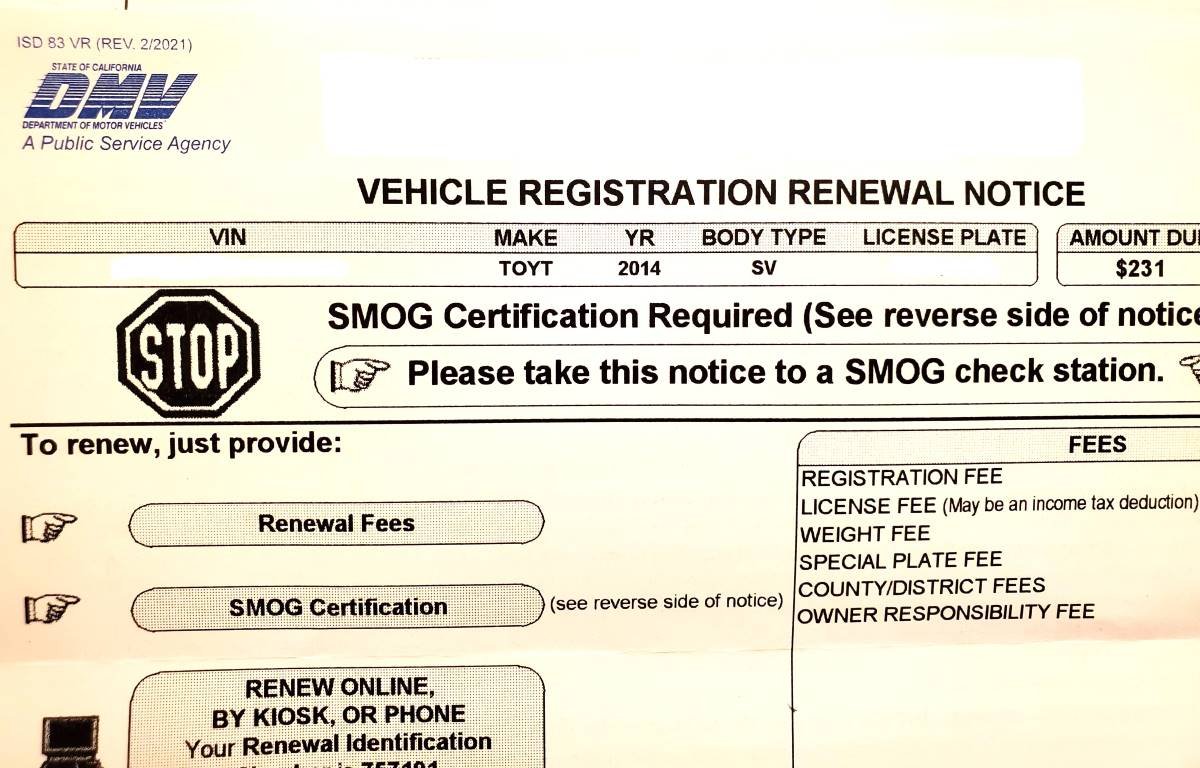
- Vehicle Registration Renewal: Most vehicles registered in California are required to obtain a smog certification every two years when renewing their registration with the Department of Motor Vehicles (DMV).
- Change of Ownership: When a vehicle changes hands, a smog certification is typically required before the new owner can register it. This protects buyers from inheriting an emissions-failing vehicle.
- Out-of-State Vehicles: If you’re moving to California and bringing your vehicle with you, it will need a smog check as part of the initial registration process. This is a common point of concern for new residents and those planning long-term accommodation solutions.
The Different Types of Smog Checks and What They Mean for Your Vehicle
Navigating the various types of smog check stations can initially seem complex, but understanding them is straightforward and can help ensure a smooth process.
- Smog Check Stations: These are licensed service stations that can perform smog checks and, if necessary, repair vehicles that fail.
- Test-Only Stations: These stations are licensed to perform only smog checks and cannot offer repair services. They are often seen as impartial since they don’t benefit from repairs.
- STAR Stations: Some vehicles, especially those that are historically high emitters or have failed previous tests, are required to go to a STAR station. STAR stations are smog check stations that meet higher performance standards established by the BAR. They can be either Test-Only or Test-and-Repair facilities.
- Gold Shield Stations: While less common now, this was a program to recognize stations that performed consistently excellent work. The STAR program has largely superseded it.
Certain vehicles are exempt from smog check requirements:
- Newer Vehicles: Vehicles that are eight model years old or newer are generally exempt from biennial smog checks for registration renewal. However, an exemption for a change of ownership only applies to vehicles four model years old or newer.
- Electric Vehicles: All-electric vehicles and plug-in hybrid electric vehicles are exempt.
- Diesel Vehicles: Diesel vehicles manufactured in 1997 or older, or with a Gross Vehicle Weight Rating of over 14,000 pounds, are exempt.
- Motorcycles: Motorcycles are exempt.
- Historical Vehicles: Vehicles manufactured before 1976 are exempt.
Understanding these distinctions is crucial, especially when considering purchasing an older vehicle for a unique lifestyle experience or if you’re bringing a classic car to tour Napa Valley or drive through Big Sur.
Decoding the Cost: What to Expect for a Smog Check in California
The price of a smog check in California is not standardized and can vary significantly. This flexibility allows market forces to influence pricing, but it also means vehicle owners need to do a little research. For travelers considering a seasonal stay in a resort or a more permanent relocation, budgeting for vehicle maintenance, including smog checks, is an essential financial consideration. It’s part of the overall cost of living and enjoying the diverse experiences California has to offer, from the urban delights of San Jose to the serene beauty of Lake Tahoe.
Factors Influencing Smog Check Prices Across the Golden State
Several variables contribute to the final cost of a smog check. Being aware of these can help you anticipate expenses and potentially save money.
- Location: Prices can fluctuate depending on the region. Urban centers like Oakland, Sacramento, or Anaheim might have different pricing structures compared to more rural areas. High-rent districts or areas with fewer smog check stations might see higher prices.
- Vehicle Make, Model, and Year: Generally, newer vehicles or those with more complex emission systems might incur slightly higher costs due to the specialized equipment and diagnostic time required. Diesel vehicles, if not exempt, typically undergo a different type of smog test (opacity test), which may have a different fee structure.
- Type of Station: While Test-Only stations are often perceived as more impartial, their prices might not always be the lowest. Some Test-and-Repair stations might offer competitive pricing to attract customers who might also need repairs. STAR stations, due to their higher certification standards and stricter oversight, might sometimes charge a bit more, reflecting their specialized status.
- Retests: If your vehicle fails the initial smog check, some stations offer a free retest within a certain timeframe (e.g., 30 days) after repairs are made at their facility or a specified repair shop. Always inquire about retest policies when choosing a station.
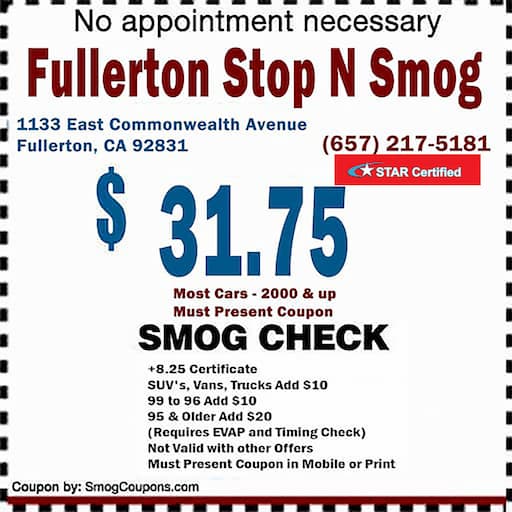
- Average Cost Range: As a general guideline, a standard smog check for most passenger vehicles in California typically ranges from $30 to $80. However, prices can occasionally extend beyond this range, especially for specialty vehicles or if additional diagnostics are required. It’s always wise to call around to a few local smog check stations for quotes before committing. Many stations also offer coupons or online discounts, so checking their websites or local flyers for promotions can be beneficial.
Navigating the Smog Check Process: A Step-by-Step Overview
Getting a smog check is generally a straightforward process once you know what to expect.
- Find a Licensed Station: Look for a smog check station displaying the official BAR sign. You can use the BAR website to locate certified stations near your hotel, apartment, or intended travel route.
- Bring Necessary Documentation: You’ll typically need your vehicle’s registration and proof of insurance. Having these readily available will expedite the process.
- The Inspection: The technician will perform a series of tests:
- Visual Inspection: They’ll check for the presence and proper connection of all required emissions control equipment.
- Functional Inspection: This includes checking the ignition timing, exhaust gas recirculation (EGR) system, fuel evaporative system, and other components. For newer vehicles, a check of the onboard diagnostics (OBD) system is critical.
- Emissions Test: For older vehicles, this involves placing the vehicle on a dynamometer (a treadmill for cars) and collecting exhaust samples to measure levels of hydrocarbons, carbon monoxide, and nitrogen oxides. Newer vehicles primarily rely on the OBD system for emissions data.
- Results:
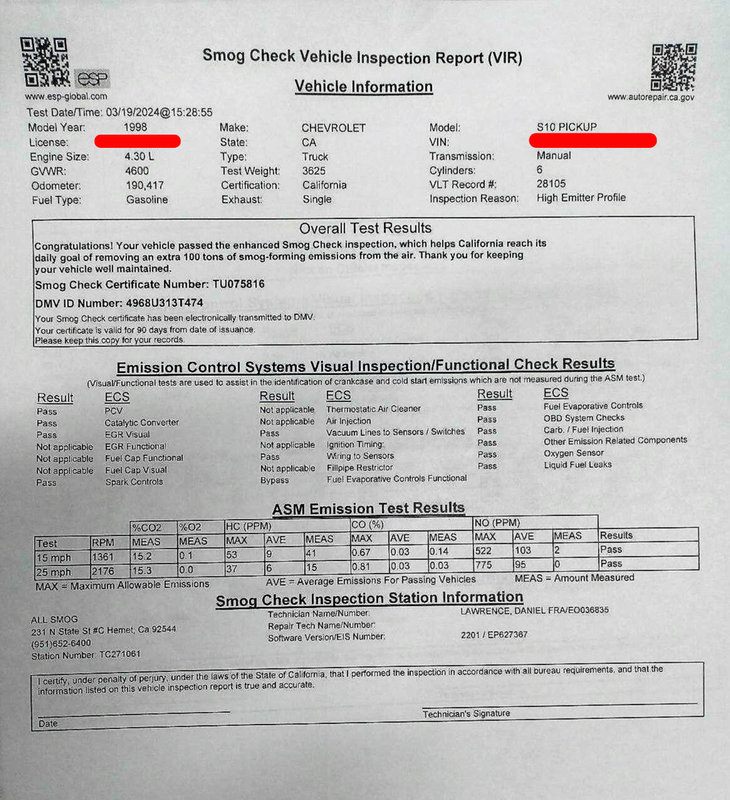
- Pass: If your vehicle passes, the station electronically submits the certificate to the DMV. You’ll typically receive a printout for your records. You can then proceed with your registration renewal.
- Fail: If your vehicle fails, you’ll receive a detailed report outlining the reasons. You’ll need to get the necessary repairs done before undergoing a retest. California also offers the Consumer Assistance Program (CAP), which provides financial assistance for eligible low-income motorists whose vehicles fail their smog check. This program can help cover repair costs or even provide funds for vehicle retirement.
Smog Checks and the California Lifestyle: Beyond Compliance
For many, the mention of a “smog check” might evoke images of bureaucratic hurdles or an inconvenient chore. However, when viewed through the lens of the quintessential California lifestyle and its commitment to quality of life, it transforms into an important ritual. It’s a small but significant contribution to preserving the state’s natural beauty and ensuring the air remains crisp for exhilarating drives through Mendocino, strolls along the beaches of Santa Barbara, or enjoying the panoramic views from the Golden Gate Bridge. Whether you’re planning a budget travel adventure or a luxury travel escapade, a well-maintained, emissions-compliant vehicle ensures smoother journeys and a clear conscience.
Preparing Your Vehicle for a Seamless Smog Check Experience
A little preparation can go a long way in ensuring your vehicle passes its smog check on the first attempt, saving you time, money, and stress. These tips are especially valuable for new residents or those embarking on extensive travel within the state.
- Perform Basic Maintenance: Ensure your vehicle is properly tuned up. Check the oil, air filter, and tire pressure. A well-maintained engine is more likely to run efficiently and produce fewer emissions.
- Check Engine Light: If your “Check Engine” light is on, your vehicle will automatically fail the smog check. Address any underlying issues indicated by this light before your test. Often, a loose gas cap can trigger it, so check that first!
- Drive Cycle: For vehicles with an OBD-II system, driving your car for a certain “drive cycle” can help reset the emissions monitors after repairs or battery disconnections. This typically involves a mix of highway and city driving over a few days. Consult your vehicle’s manual or a mechanic for specific recommendations.
- Top Off Fluids: Ensure your coolant and oil levels are correct. Overheating can affect emissions.
- Warm Up Your Engine: Drive your vehicle for at least 15-20 minutes before arriving at the smog station. A warm engine is more efficient and produces lower emissions than a cold one.
Embracing Sustainable Travel and Living in California
The smog check program aligns perfectly with California’s broader vision of sustainability and environmental stewardship. For visitors and residents alike, understanding and complying with these regulations is more than just a legal obligation; it’s an active contribution to a healthier planet and a more enjoyable local experience. From the eco-conscious hotels popping up in Palm Springs to the widespread availability of electric vehicle charging stations across cities like San Francisco and Carmel-by-the-Sea, California is a leader in green initiatives.
By ensuring your vehicle is emissions-compliant, you’re not just avoiding fines; you’re playing a part in preserving the pristine air needed to fully appreciate iconic landmarks such as Death Valley National Park, Joshua Tree National Park, or the magical atmosphere of Disneyland and the glamour of Hollywood and Beverly Hills. This commitment extends to every aspect of the travel and living experience in California, from choosing sustainable accommodation to supporting local businesses that prioritize environmental responsibility. The smog check, therefore, is not just a hurdle but a reminder of the unique, environmentally conscious lifestyle that thrives in this incredible state.
In conclusion, while the idea of a smog check might seem like an added layer of complexity for those new to California, it’s a relatively straightforward process with a clear purpose. Costs typically range from $30 to $80, influenced by location and station type. By understanding the “why” and “how” of smog checks, and by taking simple preventative measures, you can ensure a smooth process and contribute to the ongoing efforts to keep California’s air clean. This ultimately enhances the experience for everyone, whether you’re embarking on a dream vacation, considering a long-term stay, or making the Golden State your new home.
LifeOutOfTheBox is a participant in the Amazon Services LLC Associates Program, an affiliate advertising program designed to provide a means for sites to earn advertising fees by advertising and linking to Amazon.com. Amazon, the Amazon logo, AmazonSupply, and the AmazonSupply logo are trademarks of Amazon.com, Inc. or its affiliates. As an Amazon Associate we earn affiliate commissions from qualifying purchases.