
Florida, a state synonymous with sunshine, vibrant beaches, and world-class entertainment, beckons millions of travelers each year. Whether you’re planning a luxurious escape to Miami, a family adventure in Orlando, or a relaxed getaway to the Florida Keys, navigating the state’s roadways is a common part of the experience. However, amidst the excitement of exploring dazzling attractions like Walt Disney World Resort or the historic charm of St. Augustine, it’s crucial to be aware of traffic laws, especially speeding regulations. Understanding the potential costs of a speeding ticket in Florida is not just about avoiding a fine; it’s about ensuring a smooth and stress-free journey, allowing you to fully immerse yourself in the unique lifestyle and breathtaking landscapes the Sunshine State offers.

The allure of Florida extends far beyond its theme parks. From the eclectic art scene in Wynwood to the serene beauty of the Everglades National Park, there’s a diverse array of experiences waiting to be discovered. Travelers often find themselves booking stays in opulent resorts such as The Breakers Palm Beach or charming boutique hotels, eager to soak in the local culture and indulge in culinary delights. Yet, as you cruise along scenic routes like the Overseas Highway or navigate the bustling streets of Tampa, a moment of inattention or an eagerness to reach your next destination can lead to an unwelcome encounter with law enforcement. Knowing the financial implications of a speeding ticket can help you budget more effectively for your trip, whether it’s a short stay in a suite or a longer-term accommodation exploration.
The Anatomy of a Florida Speeding Ticket Fine
When you receive a speeding ticket in Florida, the cost isn’t a one-size-fits-all figure. Several factors contribute to the final amount you’ll owe. At its core, the base fine is determined by how much you were exceeding the posted speed limit. The faster you were driving, the higher the base fine. This is a standard practice across most jurisdictions, designed to impose greater penalties for more significant violations.
Beyond the base fine, Florida also imposes court costs, which are standard fees associated with processing the ticket and any associated legal proceedings. These costs can add a significant amount to the initial fine, making it essential to factor them into any estimate. Furthermore, there are often administrative surcharges and fees levied by the state, which contribute to various state-level programs. These can include funds for law enforcement training, road safety initiatives, or other public services.
It’s also vital to understand that if your speeding violation occurs within a designated school zone or construction zone, the fines are typically doubled. These areas are subject to stricter regulations due to the increased vulnerability of pedestrians, children, or workers, and the penalties reflect this heightened risk. Driving through a school zone at 10 miles per hour over the limit will undoubtedly result in a much steeper fine than doing the same on a typical highway outside of these zones.
Understanding the Base Fine Structure
The base fine for a speeding ticket in Florida generally increases incrementally with the speed over the limit. While exact figures can vary slightly due to legislative updates and local court discretion, a common structure looks something like this:
- 1-5 mph over the limit: Typically the lowest base fine, often around $50-$75.
- 6-9 mph over the limit: The base fine will increase, potentially in the $75-$125 range.
- 10-14 mph over the limit: Expect a further increase, possibly $125-$175.
- 15 mph or more over the limit: This category often sees the most significant jump in base fines, potentially starting at $175 and escalating rapidly.
Important Note: These are base fine estimates. Court costs, state surcharges, and potential increases for school or construction zones will be added on top of these figures. For example, a ticket for 10 mph over the limit might have a base fine of $150, but with court costs and fees, the total could easily reach $200 or more.
The Impact of Speeding on Your Insurance
Beyond the immediate financial penalty of a speeding ticket, there’s a significant long-term consequence that many travelers overlook: the impact on your auto insurance premiums. Insurers view speeding as a risk factor, indicating a propensity for less safe driving habits. Consequently, receiving a speeding ticket can lead to an increase in your insurance rates, regardless of whether you’re a Florida resident or a visitor with a policy from another state.
This increase isn’t usually a one-time event. Insurance companies often review your driving record over several years, and a speeding ticket can remain on this record, influencing your premiums for up to three to five years, depending on the insurer’s policy. For travelers who frequently drive or rent vehicles in Florida, this can translate into higher costs for future rentals or personal vehicle insurance.
The exact percentage of the premium increase varies significantly between insurance providers and depends on various factors, including your overall driving history, the severity of the speeding violation, and your age. However, it’s not uncommon for rates to rise by 10% to 20% or even more after a speeding conviction. This means a ticket that initially costs a few hundred dollars can end up costing thousands more over the lifespan of its impact on your insurance.
Options for Handling a Speeding Ticket in Florida
When faced with a speeding ticket in Florida, you generally have two primary options: pay the fine and accept the points on your driving record, or contest the ticket. Each option has its own set of implications, particularly for those who are not permanent residents of the state.
Paying the Fine: The Points System and Your Driving Record
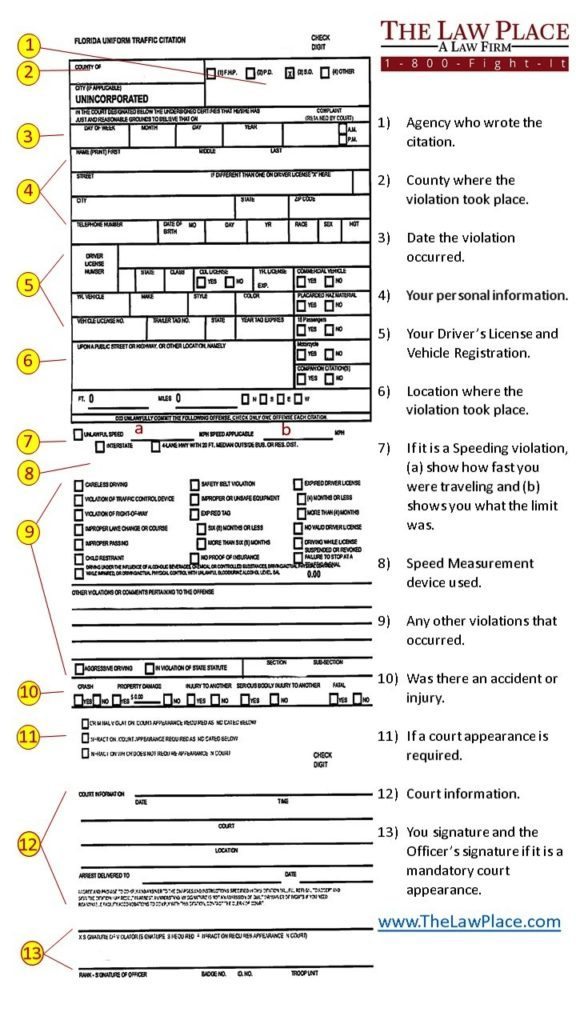
The most straightforward approach is to pay the fine. By doing so, you are admitting guilt to the violation. This typically results in points being assessed against your Florida driver’s license. The number of points assigned depends on the severity of the offense, with more significant speed over the limit usually incurring more points.
Accumulating too many points on your driving record can lead to serious consequences. In Florida, accumulating 12 points within a 36-month period can result in a license suspension. For instance, if you receive a ticket for exceeding the speed limit by 15 mph or more, it typically results in 4 points. A couple of such tickets, or a combination of speeding and other moving violations, could quickly put you in jeopardy of losing your driving privileges.
For non-residents, the impact on their home state’s driving record is also a concern. Most states have reciprocal agreements, meaning a violation in Florida can be reported to your home state’s Department of Motor Vehicles (DMV) and affect your record there, potentially leading to similar point-related consequences. It’s essential to understand how your home state handles out-of-state traffic violations.
Contesting the Ticket: The Possibility of Reduction or Dismissal
Contesting a speeding ticket means you are pleading not guilty and will have the opportunity to present your case in court or have your attorney do so on your behalf. This can be a wise decision if you believe the ticket was issued in error, if the officer’s measurements were inaccurate, or if there were extenuating circumstances.
The goal of contesting a ticket can be multifaceted. It might lead to a complete dismissal of the charges, meaning no fine and no points on your record. Alternatively, you might be able to negotiate a plea bargain with the prosecutor to reduce the charge to a lesser offense, such as a non-moving violation, which may carry a lower fine and no points. In some cases, you might be able to attend a traffic school, which, upon successful completion, can prevent points from being assessed against your license.
For travelers who may only be visiting Florida temporarily, the idea of returning for court dates can be daunting. However, many jurisdictions allow for representation by an attorney, which can handle the court proceedings on your behalf, saving you the trouble of travel. This is particularly common for minor traffic infractions. If you are considering contesting a ticket, consulting with a local Florida traffic attorney is highly recommended. They can provide expert advice tailored to your specific situation and guide you through the legal process. This can be a worthwhile investment, especially when considering the potential long-term costs of increased insurance premiums and the risk of license suspension.
Beyond the Fine: Other Potential Consequences and Considerations
The financial penalty of a speeding ticket is often the most immediate concern, but it’s not the only consequence you might face. For drivers, especially those who frequently travel for leisure or business, understanding the broader implications is crucial for maintaining a clean driving record and avoiding future complications.
Traffic School: An Option for Avoiding Points
Florida law allows drivers to attend traffic school as a means of avoiding points on their driving record for certain violations. Eligibility for traffic school typically depends on the type of offense, how recently you’ve attended school, and whether you have any prior offenses. Generally, you can attend traffic school once every 60 months (five years) to have points withheld.
If you are eligible and choose to attend traffic school, you will still need to pay the fine and any associated court costs. However, upon successful completion of the course and timely submission of the certificate of completion, the points associated with the speeding ticket will not be added to your driving record. This can be a highly beneficial option for preserving your driving record, especially if you have a history of minor infractions or are concerned about your insurance rates. Many reputable online traffic school providers are available, offering flexibility for busy travelers.
The Risk of License Suspension
As mentioned earlier, accumulating too many points on your Florida driver’s license can lead to a suspension. This is a serious consequence that can significantly disrupt travel plans, especially if you rely on driving for your livelihood or for leisure. The point system in Florida is as follows:
- 12 points within a 36-month period: 30-day suspension
- 18 points within a 36-month period: 90-day suspension
- 24 points within a 36-month period: 6-month suspension
In addition to point accumulation, certain severe traffic offenses, such as reckless driving or DUI, can lead to immediate license suspension or revocation, regardless of the point total. For visitors, a suspended license can create considerable difficulties, potentially requiring them to leave the state or arrange alternative transportation.
Impact on Rental Car Agreements
If you are renting a car during your stay in Florida, a speeding ticket can have ripple effects on your rental experience. While rental companies typically don’t directly penalize you for a single speeding ticket, the underlying impact on your driving record can. If your license is suspended due to points, you will obviously be unable to rent a car. Furthermore, some rental agencies may have their own policies regarding drivers with recent traffic violations, though this is less common for minor offenses.
More importantly, the increased insurance premiums that result from a speeding ticket will directly affect your budget. If you frequently rent vehicles, especially for longer stays or family trips that might involve exploring attractions like Busch Gardens Tampa Bay or the natural beauty of Siesta Key Beach, these higher insurance costs can add up significantly over time. It’s always prudent to drive responsibly and adhere to speed limits to ensure a smooth and cost-effective travel experience, allowing you to fully enjoy your accommodations, whether it’s a luxury resort or a budget-friendly apartment.