
Embarking on a journey through the vast and vibrant landscapes of Texas, whether you’re a seasoned local, a long-term visitor setting up temporary accommodation, or an adventurous traveler on a cross-country road trip, understanding the nuances of vehicle ownership is crucial. While many aspects of travel focus on exotic destinations, luxurious hotels, or thrilling attractions, the often-overlooked practicalities, like vehicle maintenance and compliance, are fundamental to a smooth and enjoyable experience. One such essential requirement for any vehicle operating within the Lone Star State is the annual state inspection. Far from being a mere bureaucratic hurdle, this inspection is a cornerstone of road safety and environmental responsibility, directly impacting your peace of mind as you explore Texas’s diverse offerings, from the bustling cityscapes of Houston and Dallas to the serene beauty of Big Bend National Park or the historic charm of San Antonio.

For those planning an extended stay, considering a move, or even just renting a vehicle for an extensive Texas tour, grasping the cost and process of a state inspection is a vital part of budgeting and lifestyle planning. It’s not just about the monetary fee; it’s about ensuring your vehicle meets safety standards, contributes to cleaner air, and ultimately keeps you, your family, and fellow travelers safe on the road. This comprehensive guide will demystify the Texas state inspection, detailing its costs, requirements, and how it fits into the broader picture of travel, tourism, and lifestyle in this dynamic state.
The Essentials of Texas State Inspections: What You Need to Know
The vehicle inspection program in Texas is a mandatory annual requirement designed to ensure that all vehicles meet minimum safety and, in some areas, emissions standards. This isn’t just a local peculiarity; similar programs exist across the United States to safeguard public roads and the environment. For residents, it’s a routine part of vehicle ownership, but for newcomers or those considering a long-term visit, it’s an important piece of the puzzle for a smooth transition. Imagine renting a cozy apartment in Austin or a charming villa in the Hill Country for several months; knowing these local regulations beforehand helps you budget and plan effectively, allowing you to focus on the experiences rather than unexpected administrative tasks.
Understanding the “Two Steps, One Sticker” Program
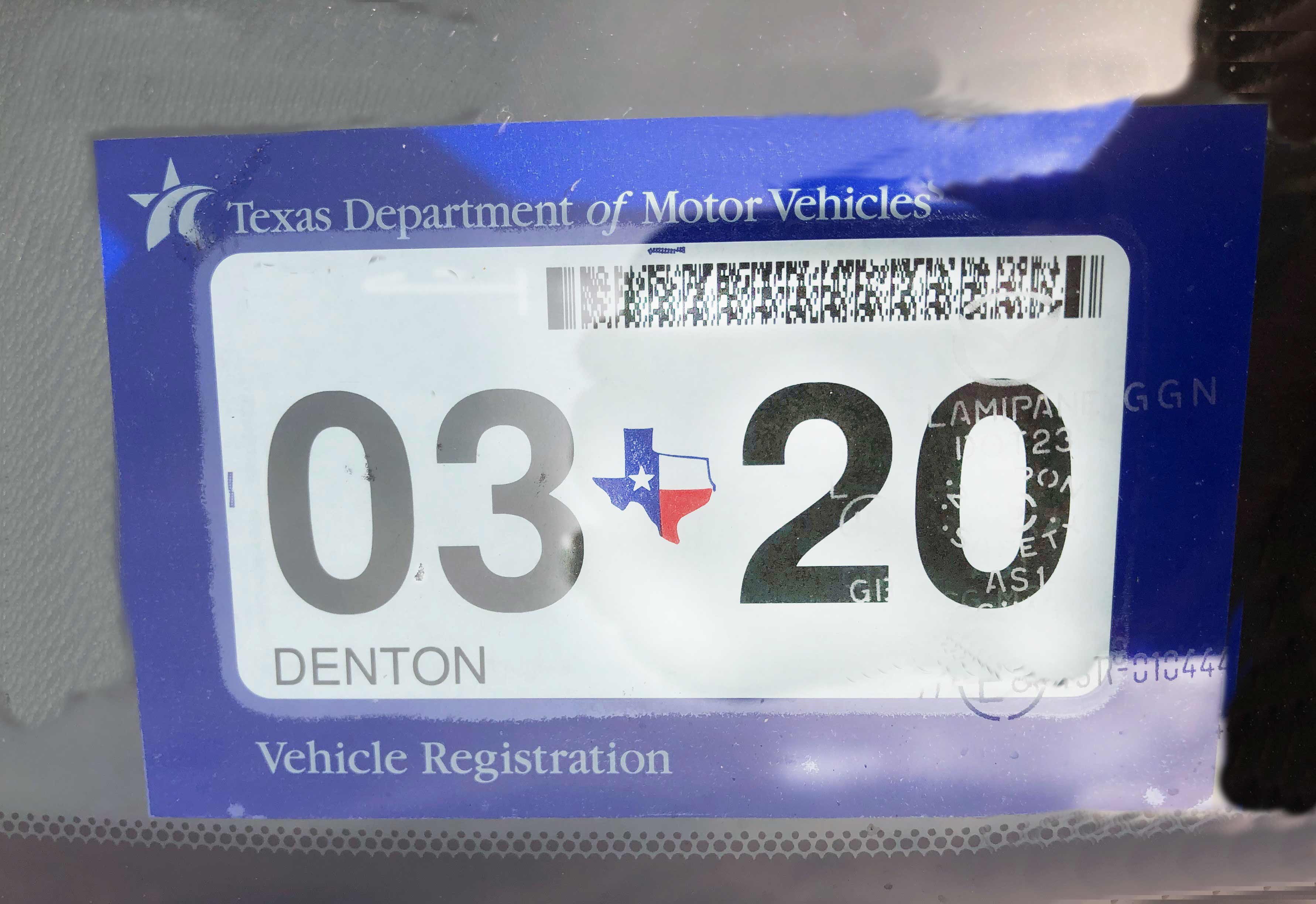
A significant change in Texas’s vehicle inspection process occurred in March 2015 with the implementation of the “Two Steps, One Sticker” program. Prior to this, vehicles that passed inspection received a sticker that was affixed to the windshield. Under the new system, the inspection sticker was eliminated. Instead, the vehicle’s inspection status is electronically recorded and verified at the time of vehicle registration.
This means that while the inspection itself is still required annually, you will no longer receive a separate physical sticker for it. When you renew your vehicle’s registration, the Texas Department of Motor Vehicles (TxDMV) system checks if your vehicle has a current, passing inspection on file. If it does, you’ll receive your registration sticker to place on your windshield. If not, you won’t be able to register your vehicle, which has severe implications for legal road use. This streamlined approach makes the process more efficient but also underscores the absolute necessity of completing your inspection in a timely manner. For travelers navigating Texas’s expansive road networks, ensuring your rental or personal vehicle is properly registered and inspected is paramount to avoiding fines and disruptions to your travel itinerary.
Why Texas Inspections Matter for Travelers and Residents
The reasons behind the Texas state inspection extend far beyond mere compliance. They touch upon core aspects of travel, lifestyle, and public welfare:
- Safety First: The primary goal of the safety inspection is to reduce accidents caused by mechanical failures. For anyone planning to drive extensively through Texas’s diverse terrains – from the coastal roads of Galveston to the rugged beauty of West Texas – knowing your vehicle’s brakes, tires, lights, and steering are in good working order provides invaluable peace of mind. This is especially true for families traveling with children, where safety is always the top priority.
- Environmental Protection: In many urban and densely populated counties, an emissions test is also required. This test ensures that vehicles are not emitting excessive pollutants, contributing to cleaner air. As a responsible tourist or resident, participating in this helps preserve the natural beauty and air quality of Texas’s cities and natural attractions for future generations.
- Legal Compliance and Avoiding Fines: Driving an uninspected or unregistered vehicle in Texas can lead to significant fines and penalties. For visitors on a tight budget, or those enjoying a luxury travel experience, unforeseen expenses like these can quickly detract from the enjoyment of their trip or long-term stay.
- Resale Value and Maintenance: Regular inspections encourage proactive vehicle maintenance. This not only extends the life of your vehicle but also helps maintain its resale value, which is a key consideration for those who might purchase a car for a long-term stay and then sell it before departing.
Breaking Down the Costs: What You’ll Pay for a Texas State Inspection
Understanding the cost of a Texas state inspection is straightforward, though there are slight variations depending on the type of vehicle and whether an emissions test is required in your county. These costs are set by the Texas Department of Public Safety (DPS) and are uniform across all licensed inspection stations, meaning you won’t find significant price differences from one shop to another for the inspection itself. This transparency is beneficial for budgeting your travel or living expenses in Texas.
Standard Passenger Vehicles: Safety and Emissions Fees
For most common passenger vehicles (cars, light trucks, and SUVs), the inspection fee is composed of two potential parts: a safety inspection fee and, if applicable, an emissions inspection fee.
- Safety Inspection Only: For vehicles that are not required to undergo an emissions test (generally in less populated counties), the fee is typically $7.00. This covers the visual and functional check of essential safety components.
- Safety and Emissions Inspection: In certain counties that are part of Texas’s air quality compliance programs (mandated by the Environmental Protection Agency under the Clean Air Act), an emissions test is required in addition to the safety inspection. For these vehicles, the total fee is typically $25.50. This fee includes both the safety portion and the emissions testing portion.
It’s important to note that these are the maximum fees an inspection station can charge for the inspection itself. If your vehicle fails the inspection, you will be responsible for any necessary repairs, and then a re-inspection may be conducted. Some stations offer a free re-inspection within a specific timeframe (often 15 days) after initial failure, provided the repairs were made and you return to the same station. Always confirm their re-inspection policy.
Variations and Exemptions: Diesel, Older Vehicles, and Specific Counties
While the $7.00 and $25.50 figures cover most scenarios, there are a few important exceptions and variations:
- Diesel-Powered Vehicles: Diesel vehicles are generally exempt from emissions testing in Texas. Therefore, a diesel-powered passenger vehicle in an emissions-testing county will only undergo the safety inspection, costing $7.00. This can be a relevant factor for travelers who prefer diesel vehicles for their fuel efficiency on long hauls across Texas.
- Motorcycles: Motorcycles require only a safety inspection, which typically costs $7.00. Riders exploring the scenic routes of Texas need to ensure their bikes are also compliant.
- Exemptions Based on Age:
- Vehicles manufactured prior to model year 1975 are exempt from emissions testing, even in emissions counties. They will only undergo a safety inspection, costing $7.00. This is good news for classic car enthusiasts who might be touring or residing in Texas.
- Vehicles that are less than 2 years old and have less than 25,000 miles on the odometer are also exempt from emissions testing (but still require a safety inspection). This primarily benefits new car owners.
- Specific Emissions Counties: The emissions testing requirement applies to vehicles primarily registered or operated in specific counties known as non-attainment or affected counties. These include the major metropolitan areas and their surrounding regions. The currently affected counties are: Brazoria County, Collin County, Dallas County, Denton County, Ellis County, El Paso County, Fort Bend County, Galveston County, Harris County, Johnson County, Kaufman County, Montgomery County, Parker County, Rockwall County, Travis County, and Williamson County. If you are visiting or residing in cities like Houston, Dallas, Austin, Fort Worth, or El Paso, you will almost certainly be in an emissions-testing county.
Knowing these variations ensures you can accurately predict your inspection costs, whether you’re planning a stay in a downtown Dallas hotel or a remote cabin in the Piney Woods.
The Inspection Process: What Happens During Your Visit
Getting a Texas state inspection is generally a quick and straightforward process, typically taking 15-30 minutes for most vehicles, provided there are no issues. You’ll need to take your vehicle to a licensed inspection station, which are numerous and easily found across the state (look for signs indicating “Official Vehicle Inspection Station”). These stations range from dedicated inspection centers to repair shops and even some oil change facilities. For visitors or new residents, checking online maps for “state inspection near me” will yield many options.
Key Components Checked During a Safety Inspection
The safety inspection is comprehensive, covering all critical systems that impact safe vehicle operation. The licensed inspector will examine the following:
- Brakes: Proper function and wear of the braking system, including the parking brake. This is vital for navigating everything from urban traffic to steep inclines in the Hill Country.
- Tires: Tread depth, condition, and proper inflation. Worn or damaged tires are a leading cause of accidents, particularly on Texas’s high-speed highways.
- Lights: All exterior lights must be operational, including headlights (high and low beam), taillights, brake lights, turn signals, and license plate lights. Proper illumination is essential for night driving and visibility.
- Steering and Suspension: Proper operation of the steering wheel, linkage, and suspension components to ensure stable handling.
- Windshield Wipers: Functionality of front windshield wipers for clear visibility in inclement weather, especially during Texas’s sudden thunderstorms.
- Horn: Functionality of the horn for signaling and safety.
- Mirrors: Condition and presence of rearview and side mirrors.
- Seat Belts: All factory-installed seat belts must be present and fully functional. This is a critical safety feature, particularly when traveling with family.
- Wheel Assembly: Proper attachment and condition of wheels.
- Exhaust System: Absence of leaks and proper muffler function (excessive noise is a violation).
- Window Tint: Compliance with Texas legal limits for window tinting.
- License Plate: Proper attachment and visibility of the front and rear license plates (if applicable).
- Gas Cap: In emissions counties, the gas cap will be checked to ensure it seals properly, preventing fuel vapor leakage.
For motorcycles, additional checks specific to two-wheeled vehicles are conducted, such as the Motorcycle Safety Foundation-recommended tests. Passing these components ensures your vehicle is roadworthy for both daily commutes and epic Texas adventures.
Navigating the Emissions Test: Counties and Requirements
The emissions test, when required, is performed in conjunction with the safety inspection. Its purpose is to measure the level of pollutants emitted from your vehicle’s exhaust system.
- OBDII Test: For most vehicles model year 1996 and newer, the emissions test primarily involves an On-Board Diagnostics II (OBDII) system check. The inspector connects a scanner to your vehicle’s diagnostic port (OBDII port) to read for any stored trouble codes related to the emissions system. If your “Check Engine” light is on, or if the vehicle’s computer monitors are “not ready,” it will typically fail the emissions portion. This is why it’s crucial to ensure your check engine light is off and any recent repairs have allowed the vehicle’s computer to complete its diagnostic cycles.
- Two-Speed Idle Test: Very few vehicles still require a two-speed idle test, which involves placing the vehicle on a dynamometer and measuring emissions at different engine speeds. This is generally for older, heavier-duty vehicles or certain specific circumstances.
- Visual Inspection of Emissions Components: In some cases, a visual check of key emissions control components (like the catalytic converter, PCV valve, and evaporative system) may also be part of the process.
If you are staying in a hotel in Houston or a short-term rental in Austin, you should anticipate an emissions test. Conversely, if your accommodation is in a rural county, only the safety inspection will be necessary. Knowing these distinctions can save you time and potential frustration.
Beyond the Basics: Tips for a Smooth Inspection and Avoiding Pitfalls
Successfully navigating the Texas state inspection is key to uninterrupted travel and worry-free living in the state. By being proactive, you can often ensure a first-time pass and avoid the hassle and expense of repairs and re-inspections. This approach aligns perfectly with a smart travel lifestyle, where efficiency and preparedness prevent unnecessary stress.
Preparing Your Vehicle for a First-Time Pass
A little preparation can go a long way in ensuring your vehicle passes its inspection without a hitch. Consider this a preventative maintenance check-up, an essential part of responsible vehicle ownership, whether you’re commuting to work in Dallas or embarking on a scenic drive along the Gulf Coast.
- Check Your Lights: Walk around your vehicle and test all lights: headlights (high and low beams), taillights, brake lights (have someone press the pedal for you), turn signals, and license plate lights. Replace any burnt-out bulbs.
- Inspect Your Tires: Look for adequate tread depth (use a penny test – if you can see Lincoln’s head fully, your tread might be too low), uneven wear, bulges, or cracks. Ensure tires are properly inflated.
- Test Your Brakes: Listen for squealing or grinding noises and note any sponginess in the pedal or pulling to one side. If you suspect an issue, have them professionally checked before the inspection.
- Wiper Blades and Fluid: Ensure your windshield wipers operate smoothly and clear the windshield effectively. Top off your washer fluid.
- Horn Function: Give a quick honk to confirm it works.
- Seat Belts: Check that all seat belts latch and retract properly.
- “Check Engine” Light: If your “Check Engine” light is illuminated, your vehicle will fail the emissions test (if required). Have the underlying issue diagnosed and repaired before your inspection. After repairs, drive your vehicle for a few days to ensure the computer monitors reset to “ready” status.
- Gas Cap: Make sure your gas cap is tight and seals properly. A loose or faulty gas cap can trigger the “Check Engine” light and cause an emissions test failure.
- Clear Obstructions: Ensure no items are blocking the windshield, rear window, or license plates. Remove any dashboard clutter that might impede access to controls.
- Proof of Insurance: While not always explicitly checked during the inspection, you will need valid liability insurance to register your vehicle. It’s good practice to always have it on hand.
By addressing these common issues beforehand, you significantly increase your chances of a hassle-free inspection, allowing you to quickly get your registration sticker and continue enjoying your Texas experience, whether that’s exploring the Alamo, visiting Space Center Houston, or having fun at Six Flags Over Texas.
Consequences of Failing or Skipping Your Inspection
Ignoring the Texas state inspection can lead to several undesirable outcomes, impacting both your wallet and your ability to freely travel:
- Inability to Register Your Vehicle: The most immediate consequence of not passing or completing your inspection is the inability to renew your vehicle registration. Without valid registration, your vehicle is not legal to operate on public roads.
- Fines and Penalties: Driving a vehicle with an expired inspection or registration can result in significant fines, typically ranging from $100 to over $200, plus court costs. These are easily avoidable expenses that can quickly eat into your travel budget or funds for local experiences like dining in the Dallas Arts District.
- Impoundment: In more severe or repeated cases, an unregistered or uninspected vehicle could be impounded, leading to towing fees, storage fees, and further penalties, creating a major disruption to your lifestyle or travel plans.
- Safety Risks: Beyond the legal ramifications, failing to address issues identified in an inspection means you’re driving a potentially unsafe vehicle. This puts yourself, your passengers, and others on the road at risk, which is a far greater cost than any inspection fee or repair bill.
In conclusion, understanding and complying with the Texas state inspection requirements is more than just fulfilling a legal obligation; it’s an integral part of responsible vehicle ownership that supports safe travel, environmental health, and personal peace of mind. Whether you’re planning an epic Texas road trip, considering an extended stay in a cozy Austin apartment, or simply navigating daily life in one of its bustling cities, knowing the costs and process of your state inspection ensures that your journey through the Lone Star State remains as enjoyable and unhindered as possible. A small investment in time and a minimal fee can prevent significant headaches, allowing you to fully immerse yourself in the rich culture, stunning scenery, and endless adventures that Texas has to offer.